Solutions For Low Light Diving
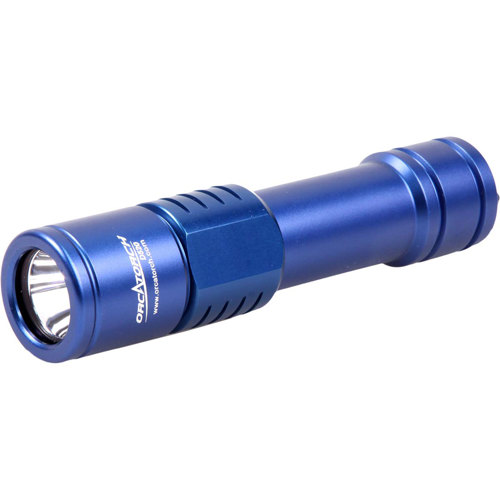
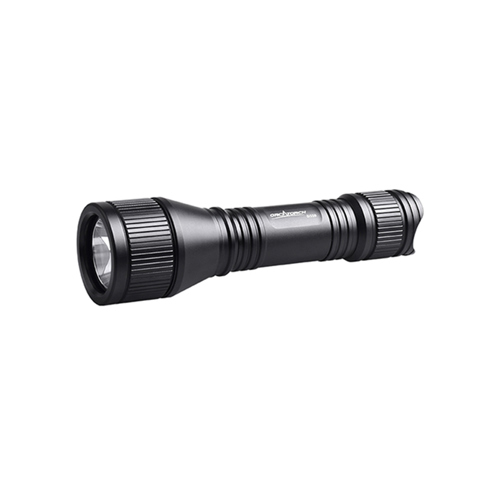
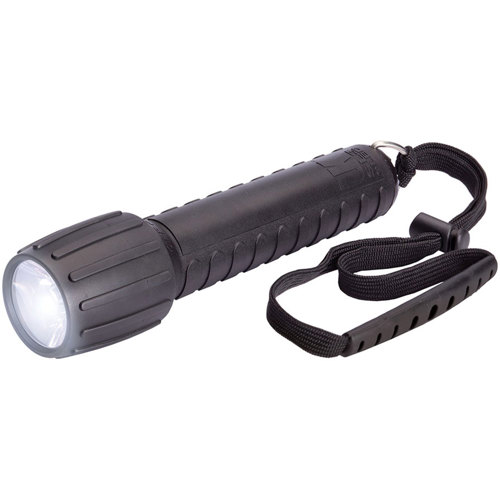
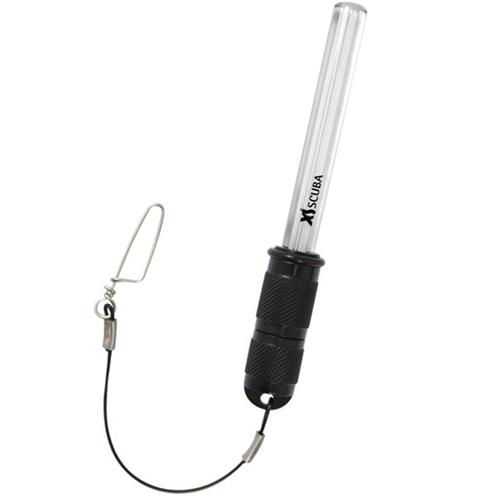
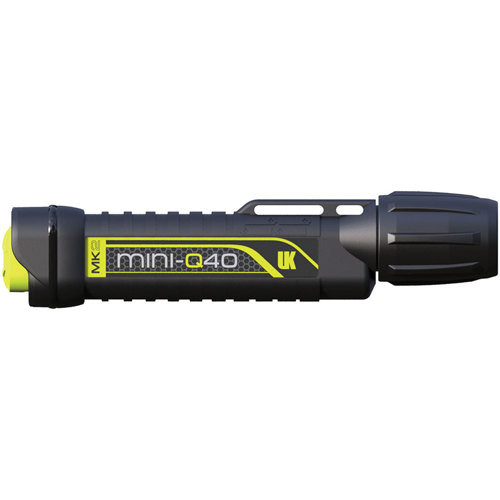
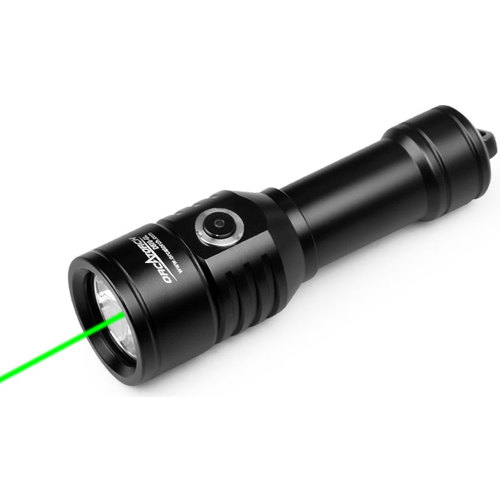
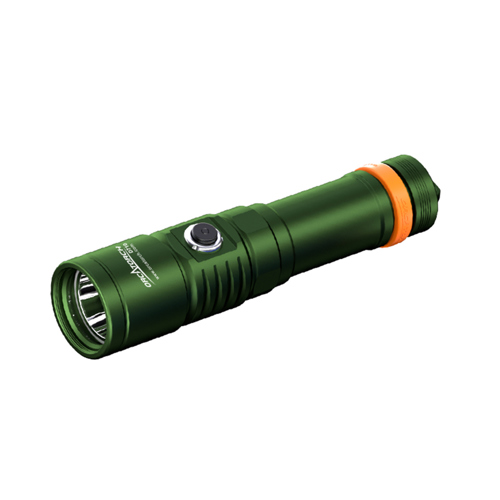
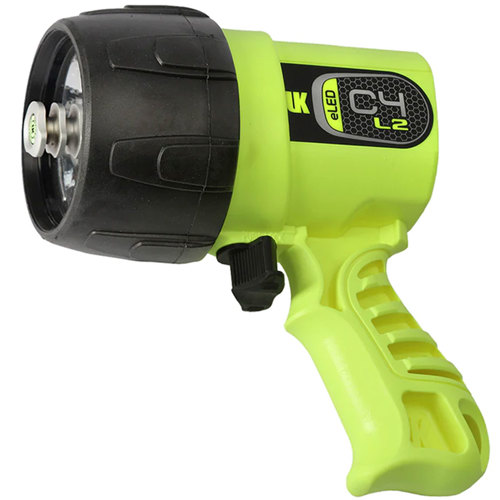
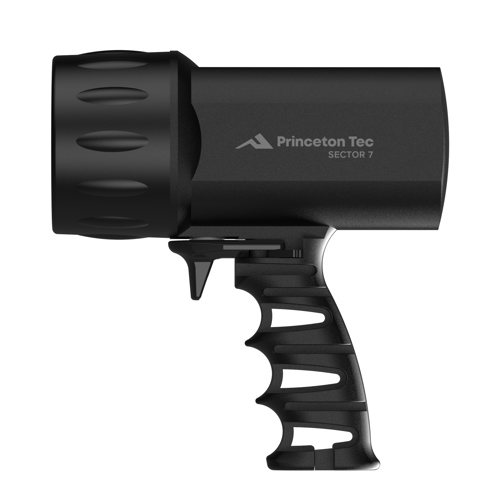
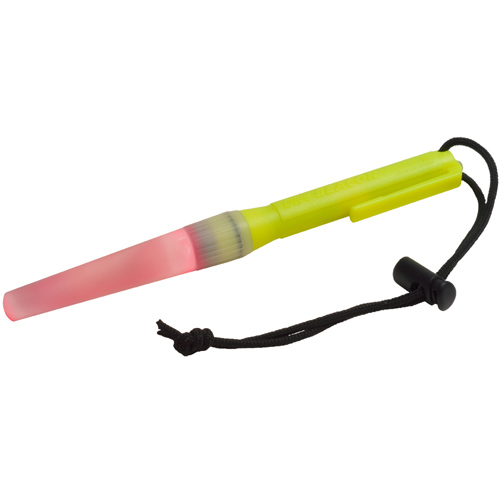
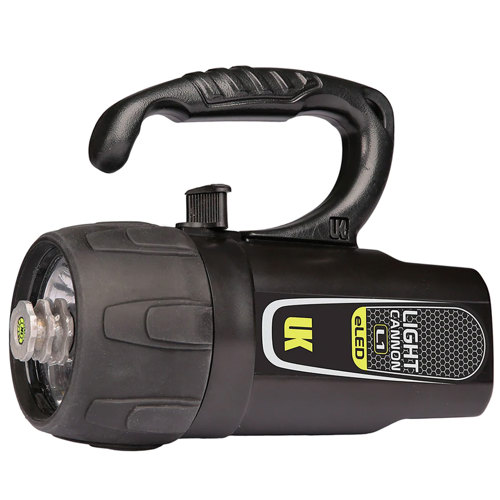
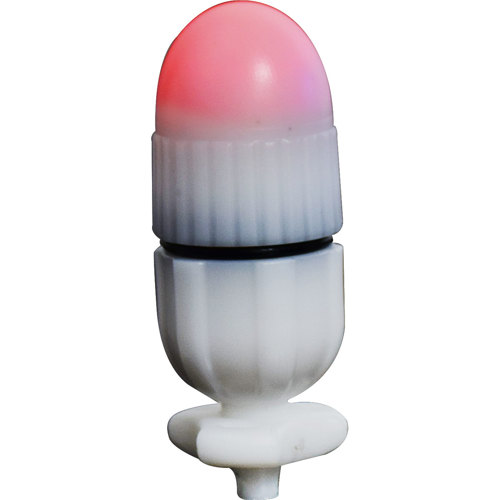
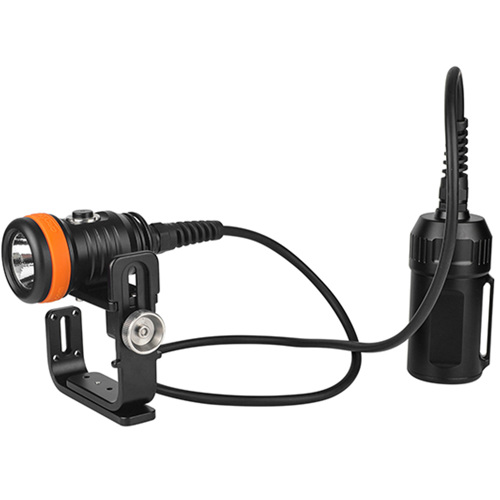
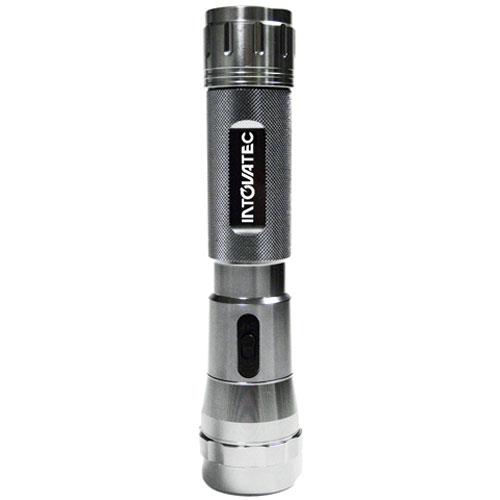
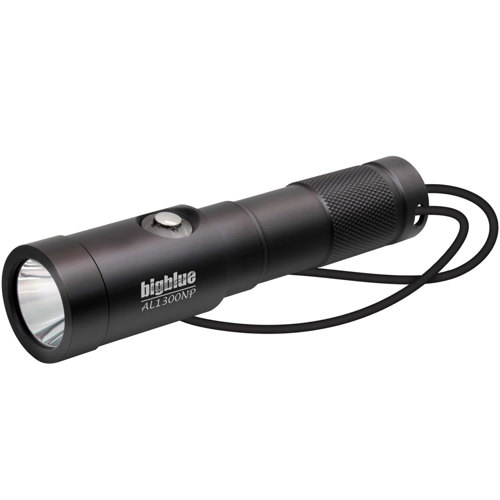
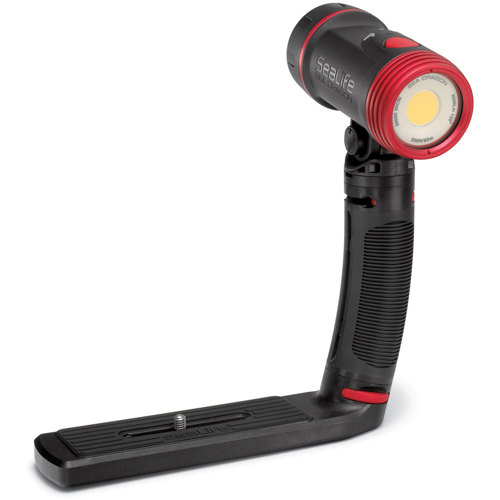
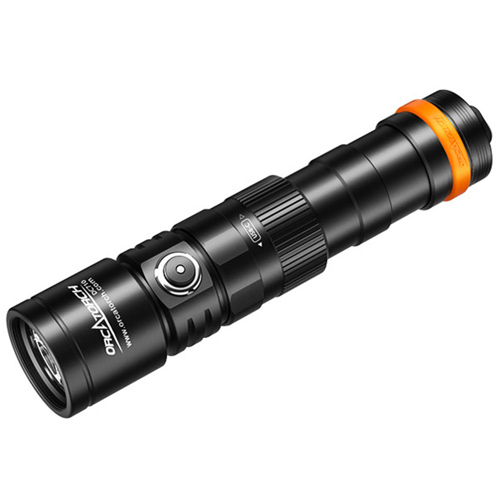
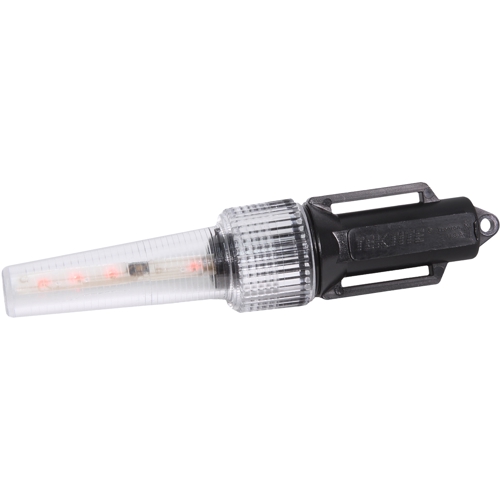
Diving in low light is an experience that transforms familiar underwater landscapes into something entirely new. Whether you’re exploring a reef at dusk, searching for nocturnal creatures after sunset, or navigating the shadowy interiors of a wreck, the right solutions for low light diving can make all the difference in safety, enjoyment, and discovery. As the days lengthen in May and summer approaches, many divers look forward to extended dive schedules, which often include early morning or twilight excursions when sunlight is limited. For those who cherish the unique encounters that happen when the reef comes alive at night, investing in specialized lighting and visibility gear is essential. Primary dive lights with powerful LED beams are a cornerstone of any kit, offering the focused illumination needed to reveal subtle colors and elusive marine life. Wide-beam lights can be especially useful for videographers, capturing the full beauty of your surroundings. Meanwhile, backup lights clipped to your D-rings provide peace of mind, ensuring you’re never left in the dark. Tank beacons and strobe lights are indispensable for buddy identification and marking entry or exit points, especially during boat dives or in areas with complex topography.
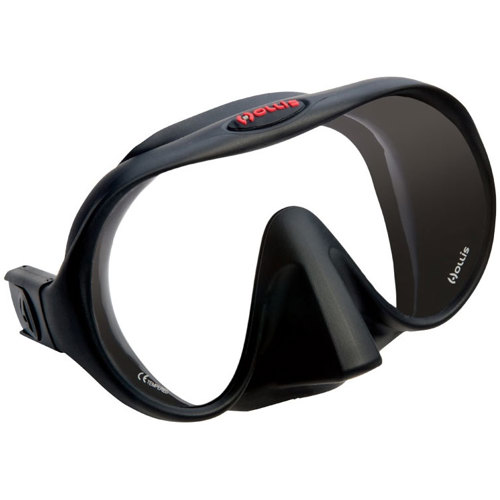
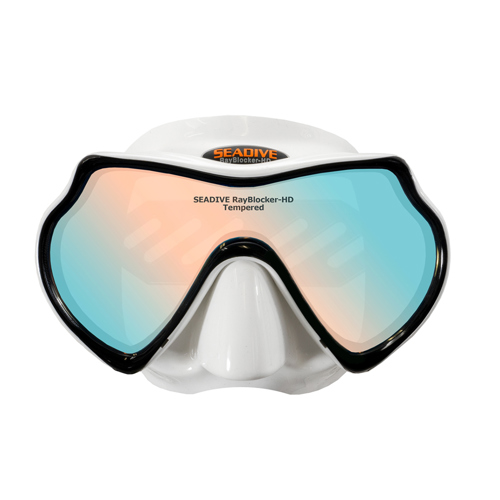
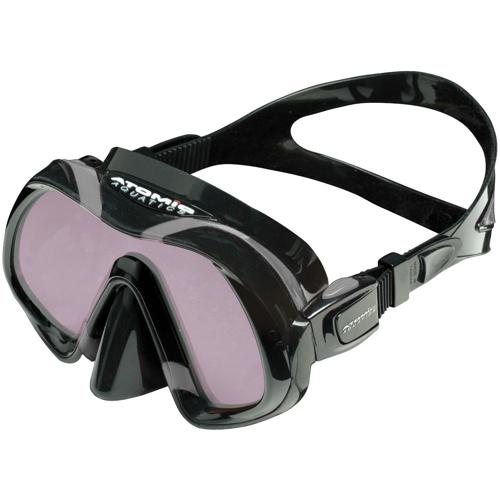
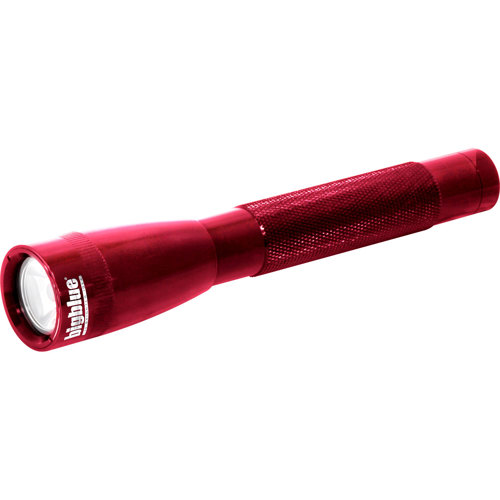
For divers who are meticulous about safety and navigation, high-visibility gear such as brightly colored masks and fins can be a smart addition, making it easier for your group to stay together in dim conditions. Red lights or filters are another thoughtful choice, allowing you to observe marine life without disturbing their natural behaviors or ruining your own night vision. Many seasoned divers recommend practicing light discipline—using circular motions for “OK” signals and avoiding shining beams directly into a buddy’s face—to foster clear communication and maintain group cohesion. In murky water, angling your light to the side helps control backscatter, reducing the glare from suspended particles and improving your field of view. Navigational tools like compasses and the habit of counting kick cycles become even more critical when landmarks are obscured, and a pre-dive visit to the site during daylight hours can provide valuable context for safe exploration after dark. Battery maintenance is another key consideration; always ensure your lights are fully charged and carry spare batteries or backup units to prevent unexpected interruptions. For those who travel or dive frequently, compact and durable storage solutions help keep your equipment organized and ready at a moment’s notice.
Low light diving solutions aren’t just for the seasoned explorer—they make thoughtful gifts for anyone who loves the underwater world, from new divers eager to expand their skills to experienced adventurers looking to enhance their night diving repertoire. Some products, like subtle illumination devices and gentle signaling lights, are even suitable for light sleepers who might use scuba diving equipment for light sleepers to ensure restful nights on liveaboard trips or in shared accommodations. The versatility and reliability of modern dive lights and visibility aids make them a welcome addition to any gear bag, supporting safe and memorable dives in every season. For a curated selection of trusted lighting options and accessories designed to meet the diverse needs of low light diving, explore our dedicated page here:
Low Light Dive Lights. Whether you’re preparing for your first night dive or refining your setup for challenging conditions, the right equipment empowers you to enjoy the underwater world with confidence and clarity, no matter how dim the surroundings may be.