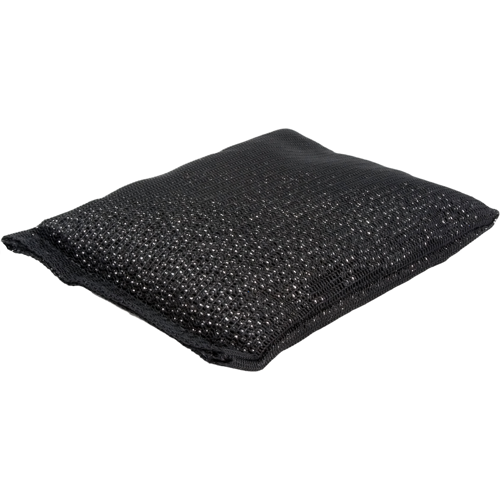
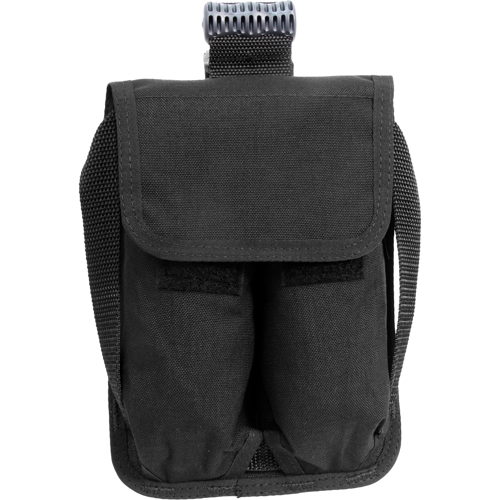
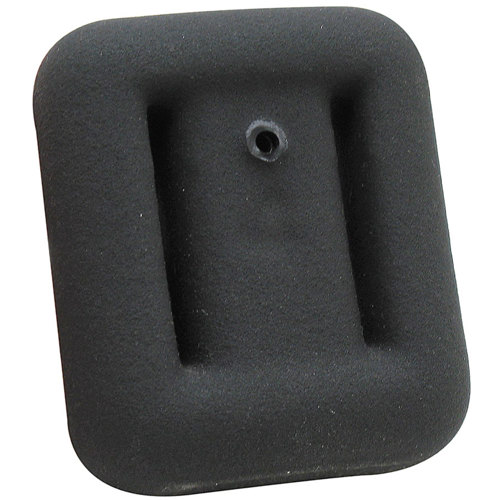
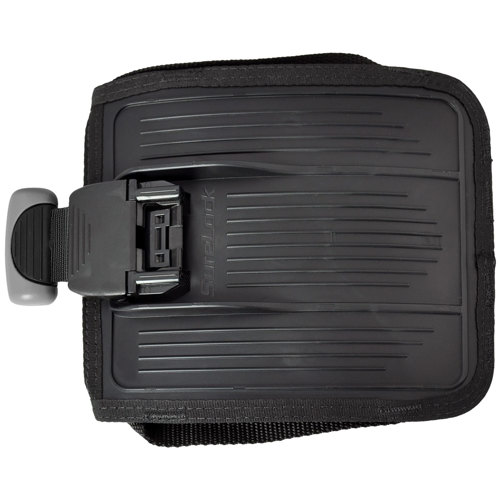
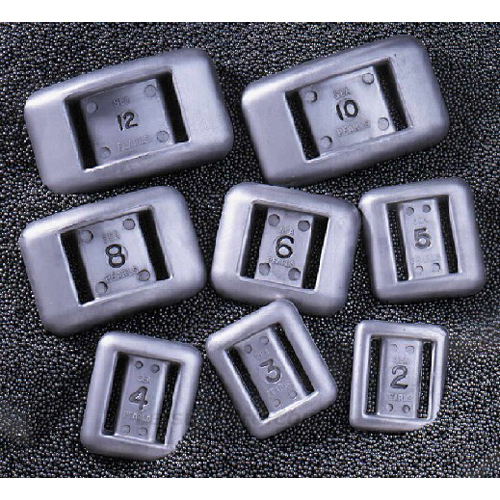
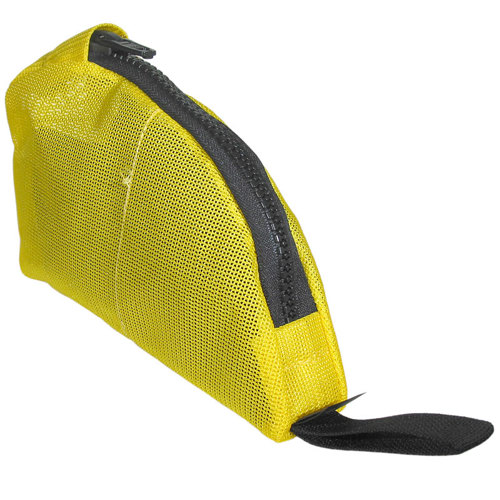
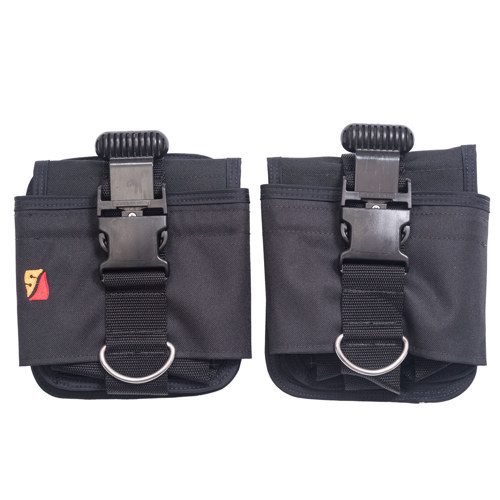
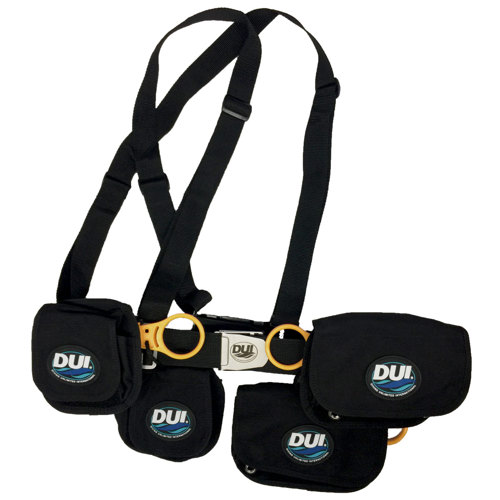
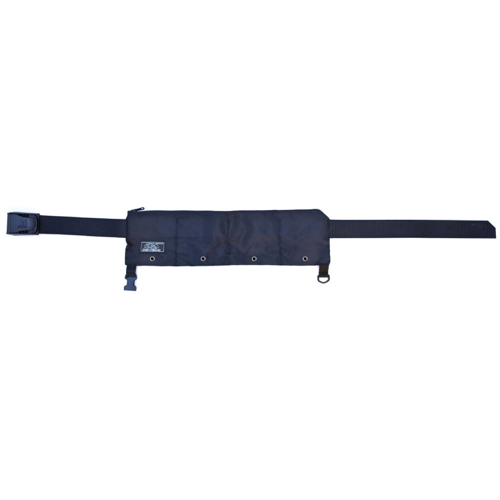
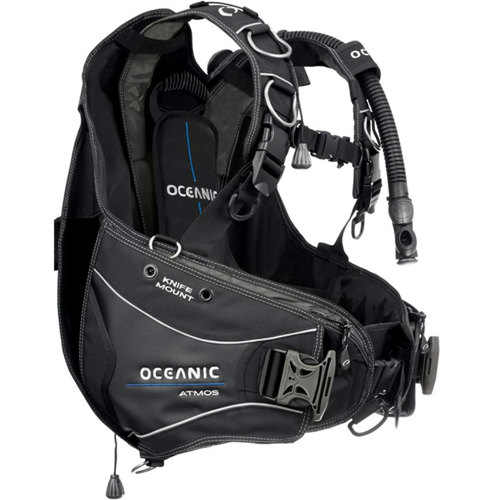
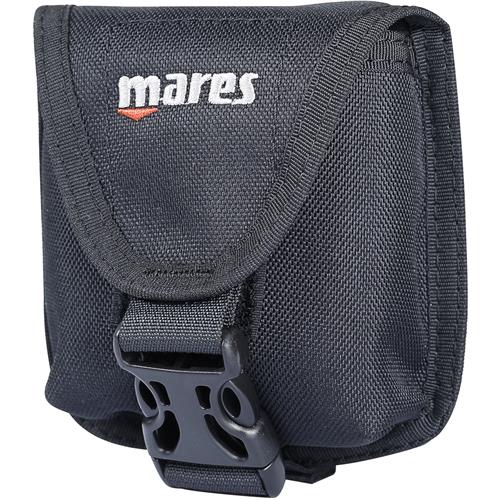
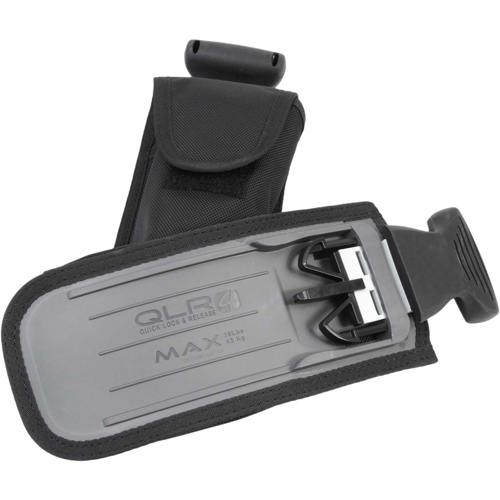
Negative buoyancy weights play a crucial role in a wide range of underwater activities, offering both safety and precision for divers, freedivers, and underwater photographers alike. As the weather warms and more people head to the water, these weights become essential gear for anyone looking to explore below the surface. For scuba divers, negative buoyancy weights are fundamental for achieving proper trim and control throughout a dive. Wetsuits, drysuits, and other dive equipment naturally add buoyancy, making it difficult to descend or maintain a steady depth without additional ballast. By carefully selecting and adjusting the right amount and type of weight, divers can offset this buoyancy and fine-tune their underwater experience. The process of determining the ideal weight involves considering factors like body composition, exposure protection, the type of tank in use, and whether the dive will take place in saltwater or freshwater. Many divers recall their early training, performing a float test at the surface—exhaling gently, feeling themselves hover at eye level with an empty BC, and then sinking only with a full exhale. This delicate balance not only improves air consumption and comfort but also minimizes environmental impact, allowing for effortless gliding above reefs or shipwrecks.
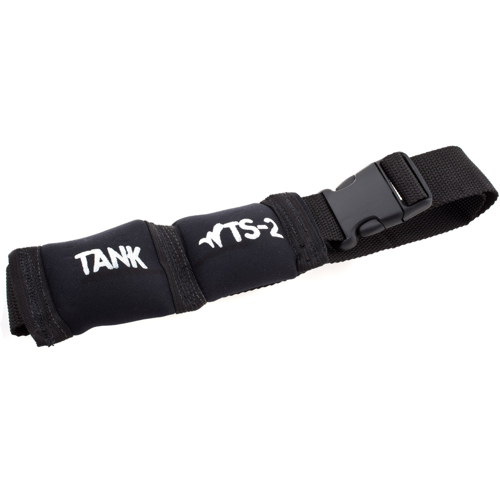
Freedivers, too, rely on negative buoyancy weights, but their needs differ from those of scuba divers. Freediving weight systems are often streamlined, using flexible rubber belts or neck weights that allow for quick adjustments and a snug fit. The goal is to achieve neutral or slightly negative buoyancy at a specific depth, often around 30 feet, so that a freediver can transition from active swimming to passive descent with minimal effort. This sensation—where the water seems to embrace you and gravity gently takes over—is one of the purest pleasures of freediving. Proper weighting in this discipline not only enhances performance but also contributes to safety, as it reduces the risk of uncontrolled ascents or descents. Underwater photographers and videographers face a different set of challenges: their camera rigs, housings, and lighting arms are often buoyant and can be difficult to manage underwater. Adding negative buoyancy weights to the camera tray or housing helps keep the equipment stable, balanced, and easy to maneuver, preventing it from floating away or bobbing unpredictably during a shoot. Whether you’re capturing the delicate movement of a nudibranch or filming a passing school of fish, having a neutrally or negatively buoyant camera setup can make all the difference in image quality and ease of use.
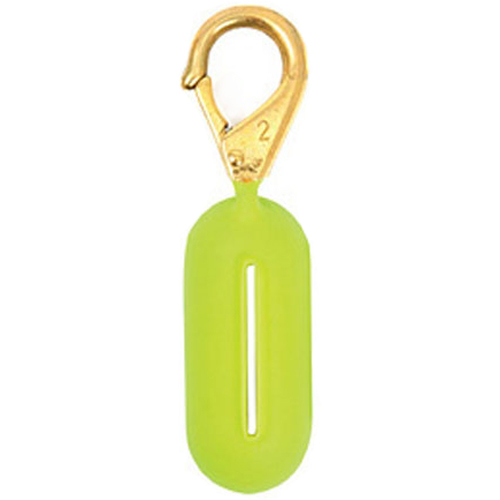
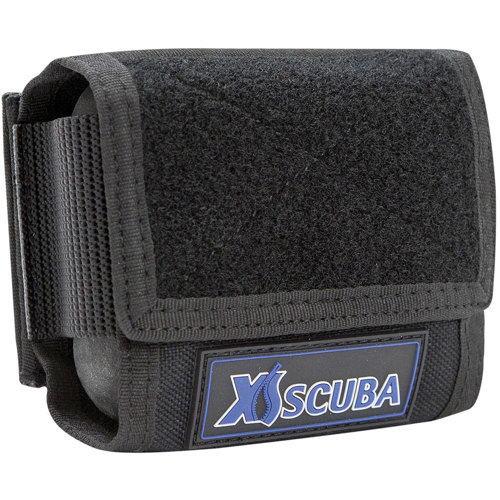
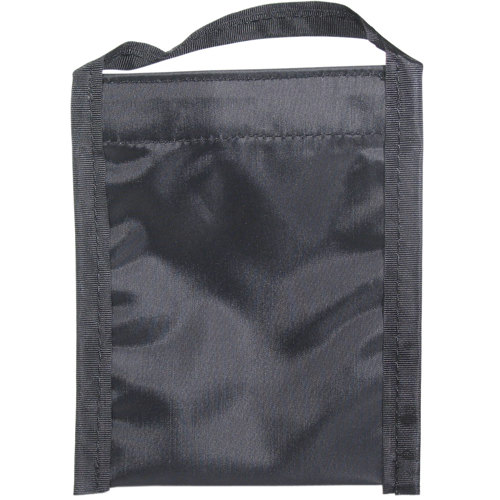
When considering negative buoyancy weights, it’s important to think about adjustability, material, and compatibility with your existing gear. Modular systems allow for fine-tuning as conditions change—perhaps switching from a thick wetsuit in early summer to a thinner one as the water warms, or adjusting for different travel destinations. Lead, stainless steel, and coated weights each offer unique benefits in terms of density, corrosion resistance, and comfort against the body. For families or dive buddies shopping together, a set of well-made weights can be a thoughtful and practical gift, especially for those just getting started or upgrading their kit for the season. They’re also a smart addition for anyone interested in underwater photography, as balancing a camera rig can be a game-changer for both beginners and seasoned shooters. As you prepare for dives during the busier months, take a moment to review your weighting setup, try a buoyancy check in the shallows, and explore the full range of options available. For a comprehensive look at the different types of negative buoyancy weights and how they can enhance your underwater adventures, visit our curated selection at
Underwater Weights. With the right weights, every underwater experience becomes smoother, safer, and more enjoyable, whether you’re gliding along a coral wall, exploring a kelp forest, or capturing the vibrant life beneath the waves.