Diving stability weights are a fundamental part of every diver’s kit, playing a crucial role in achieving that elusive state of neutral buoyancy beneath the waves. Whether you’re a seasoned diver exploring the kaleidoscopic reefs of the tropics or a beginner taking your first breaths in a local quarry, the right weighting system ensures you can descend smoothly, hover effortlessly, and ascend safely. The process of choosing stability weights is highly personal, influenced by factors such as your body composition, the thickness and type of your wetsuit or drysuit, and the salinity of the water you’ll be diving in—saltwater environments typically require more weight than freshwater. As winter settles in and many divers turn to drysuit diving or plan warm-weather getaways, it becomes even more important to reassess your weighting needs. Drysuits, in particular, can add significant buoyancy, often requiring not just more weight but also strategic placement—ankle weights, for example, can help counteract floaty feet and improve your trim, allowing for a more streamlined and comfortable dive.
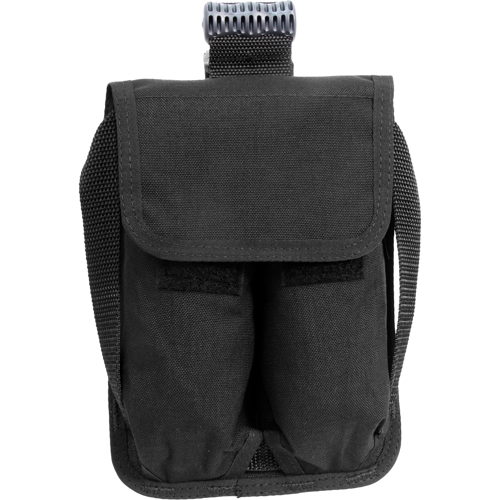
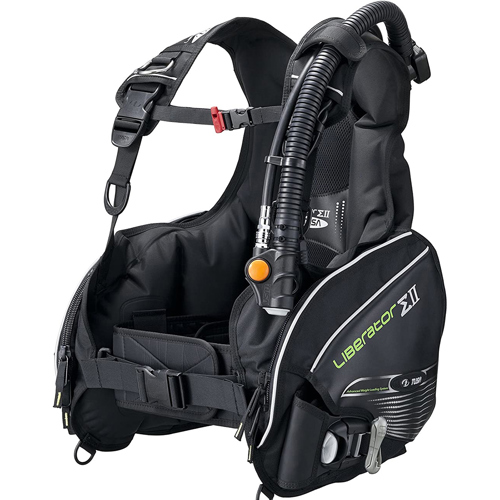
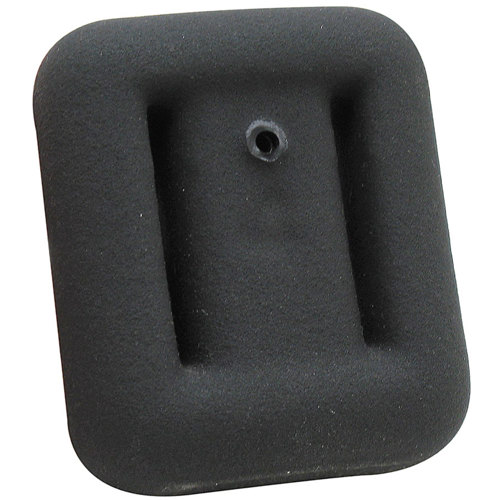
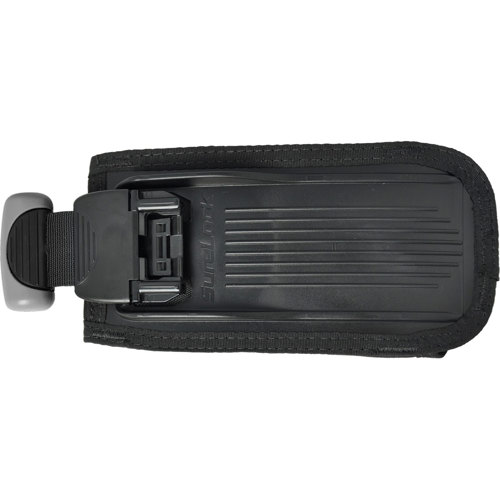
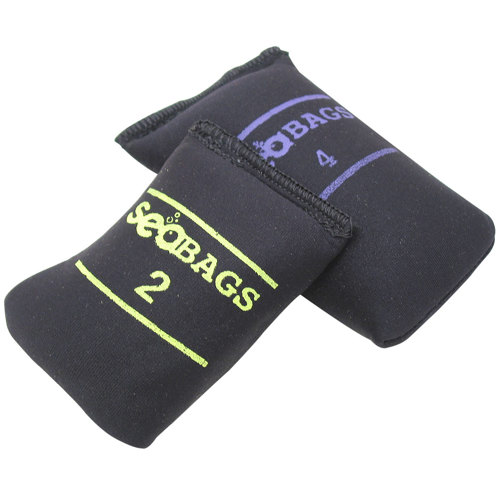
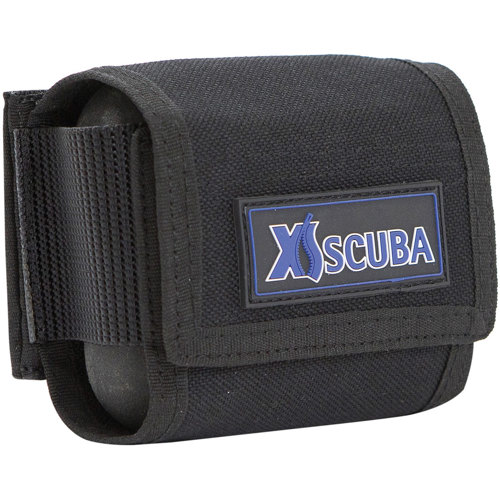
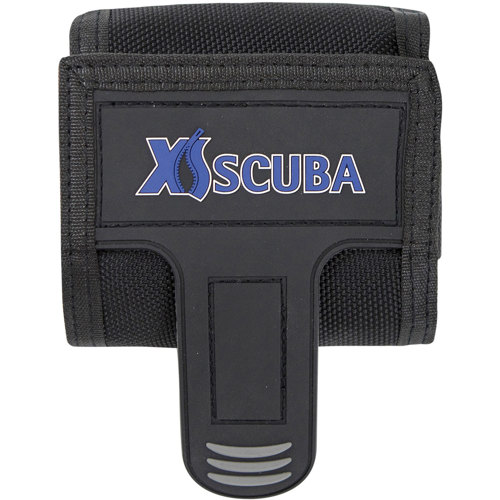
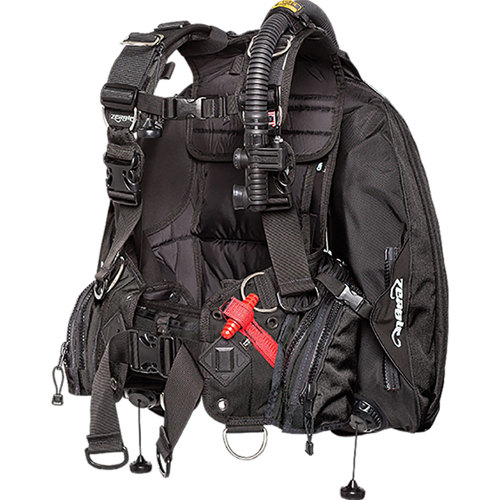
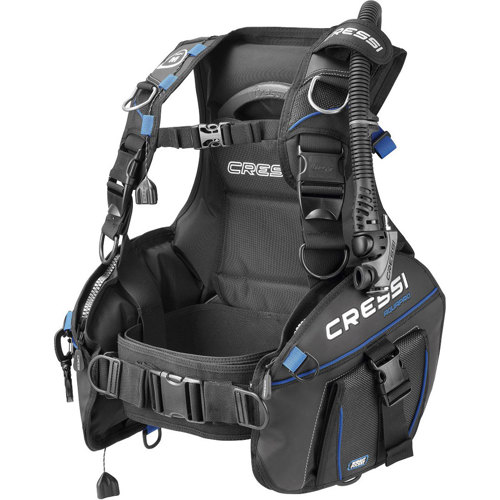
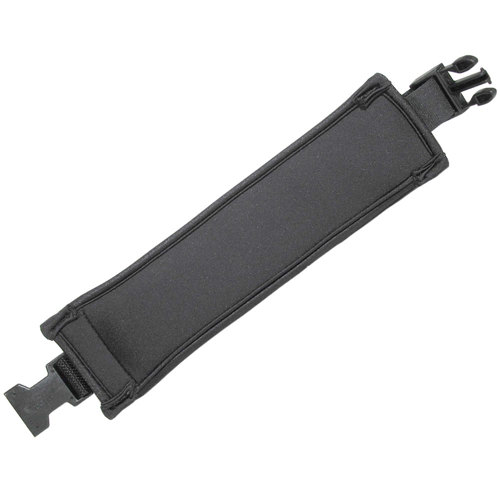
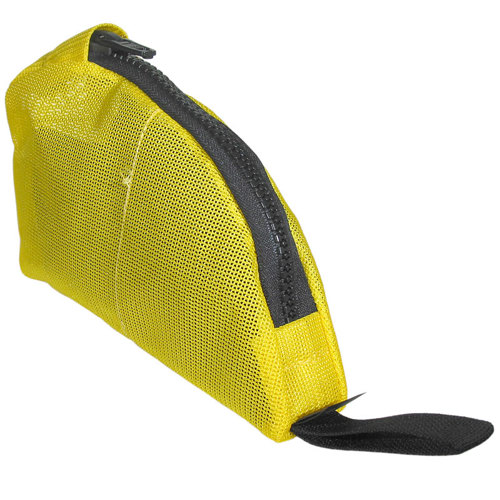
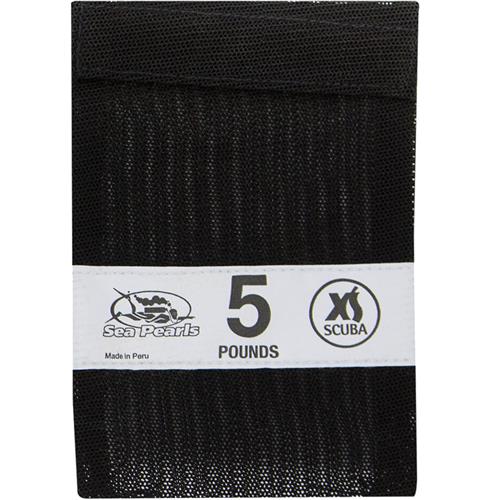
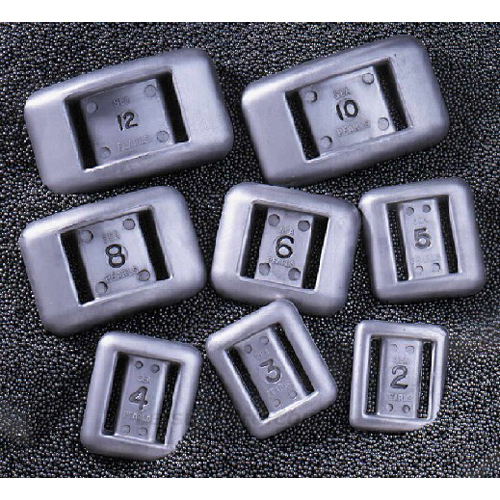
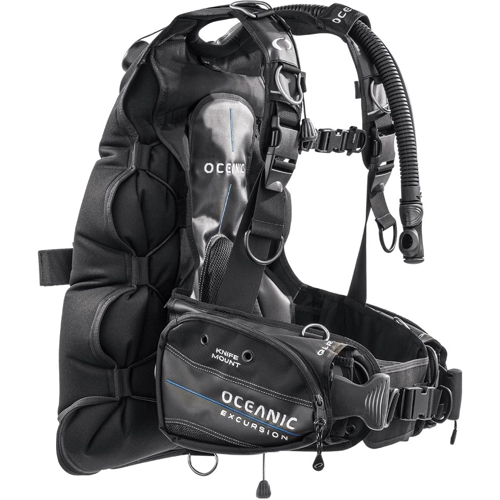
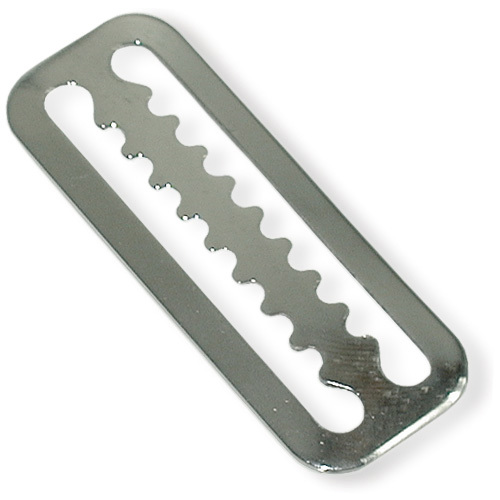
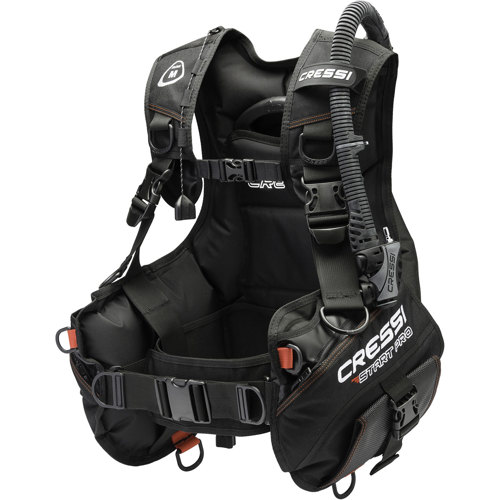
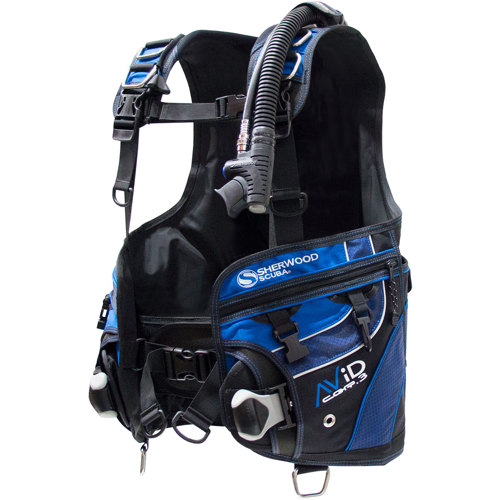
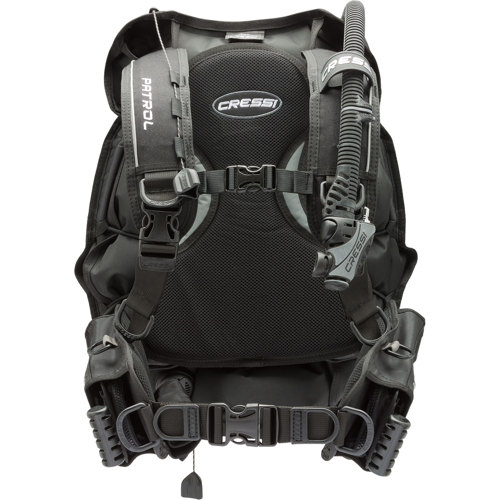
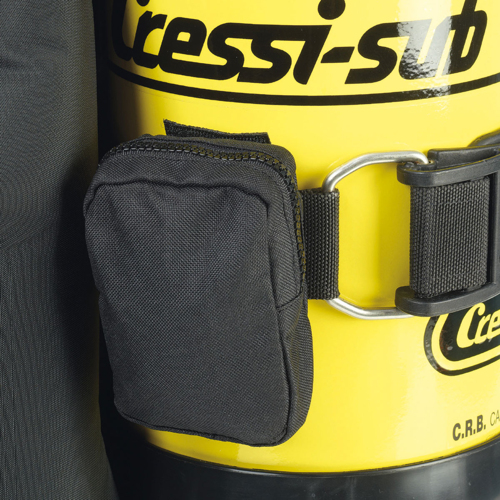
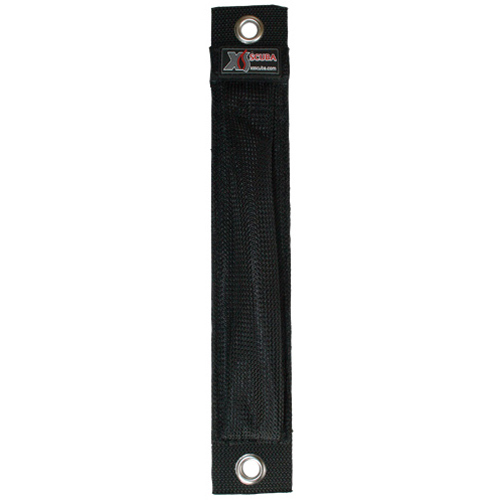
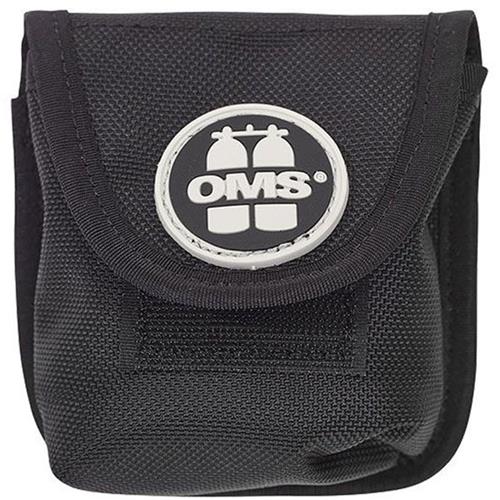
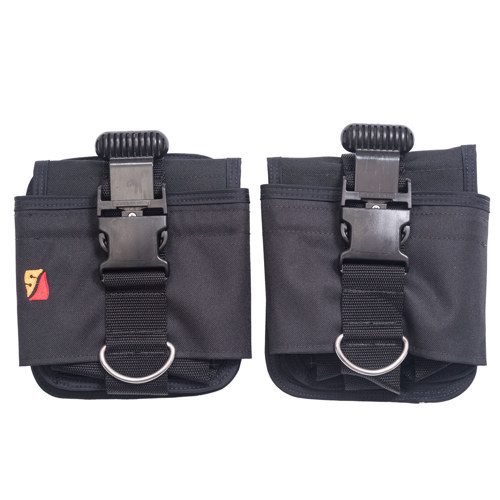
There are several types of stability weights to consider, each offering distinct benefits and suited to different diving styles and preferences. Traditional weight belts, threaded with lead weights and worn around the waist, have been a staple for generations and remain popular for their simplicity and adjustability. Integrated weight systems, which slot directly into the buoyancy control device (BCD), provide a more streamlined profile and distribute weight more comfortably, reducing pressure points and freeing up your waist for other gear. Many divers appreciate the quick-release features of integrated systems, which can be especially important in emergency situations. For those who struggle with proper body positioning underwater, ankle weights or trim weights can make a world of difference, helping to fine-tune your balance and stability. This level of customization is key for photographers, technical divers, and anyone who values precise control in the water column.
Stability weights also make practical and thoughtful gifts for the divers in your life, especially as the holiday season approaches. A well-chosen set of weights or an upgraded weight system can open up new diving opportunities, making it easier to transition between different environments, exposure suits, or even travel destinations. Many divers find that dialing in their weighting not only enhances safety but also transforms the overall diving experience—allowing for longer, more relaxed dives and better air consumption. For those looking to deepen their understanding of how to select, configure, and manage their weights, the
Diving Weight Management resource offers expert guidance and practical tips. Ultimately, investing in the right stability weights is about more than just sinking or floating; it’s about unlocking the freedom to move with confidence and grace, no matter where your next underwater adventure takes you.