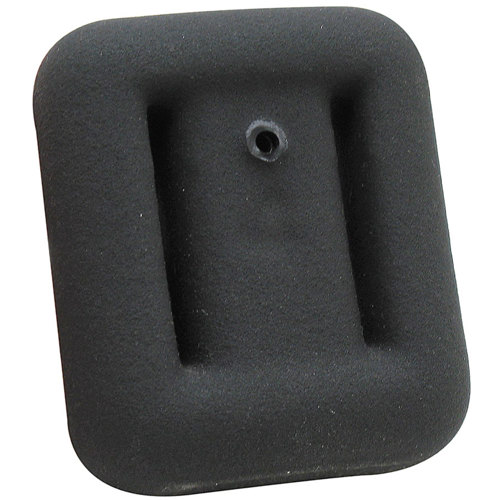
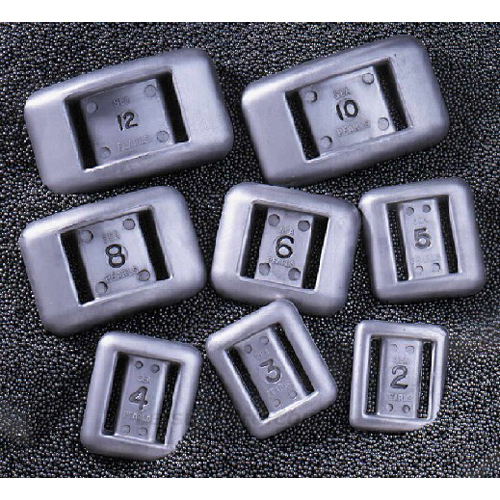
Achieving perfect buoyancy underwater is a skill that brings together confidence, safety, and enjoyment for divers of all experience levels. Proper diving weight management is at the heart of this balance, ensuring you neither sink uncontrollably nor struggle to descend. The process starts with understanding that your required weight is influenced by several factors: your body composition, the thickness and type of wetsuit or drysuit you wear, the salinity of the water, and the equipment you bring along. For instance, a diver donning a thick neoprene wetsuit for a chilly October dive in saltwater will require more ballast than someone exploring a warm, tropical lagoon in a thin suit. Many seasoned divers recall their first open water dives, where they added or subtracted weights in small increments, sometimes swapping out lead blocks between dives, learning firsthand how a single pound could make the difference between effortless hovering and clumsy bottom contact. The autumn months, with their fluctuating water temperatures, often call for thicker exposure protection, making it even more crucial to reassess your weighting before each dive.
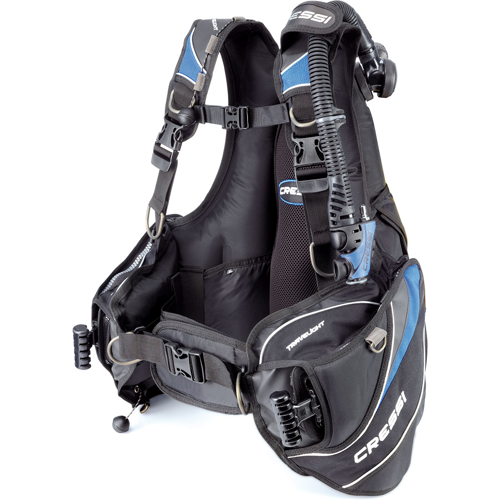
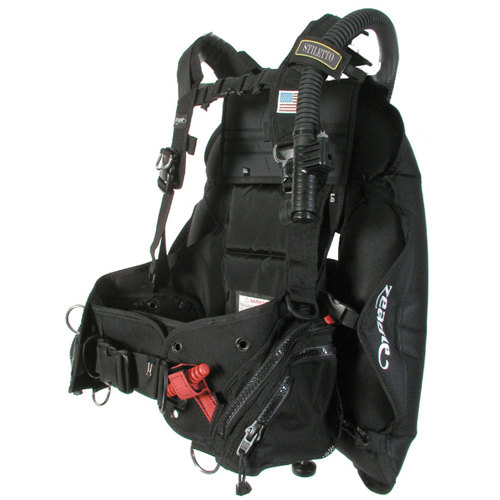
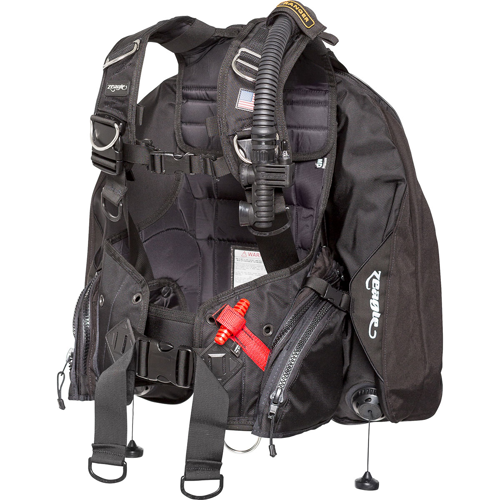
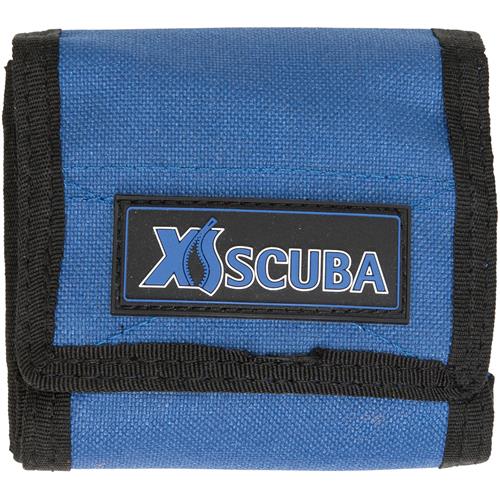
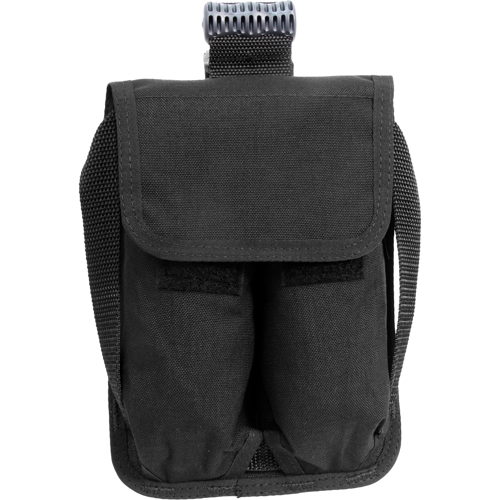
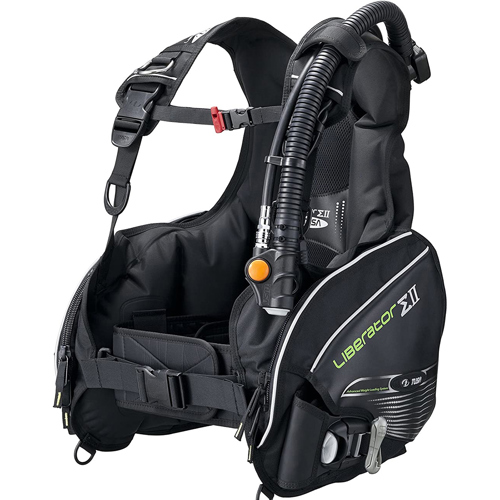
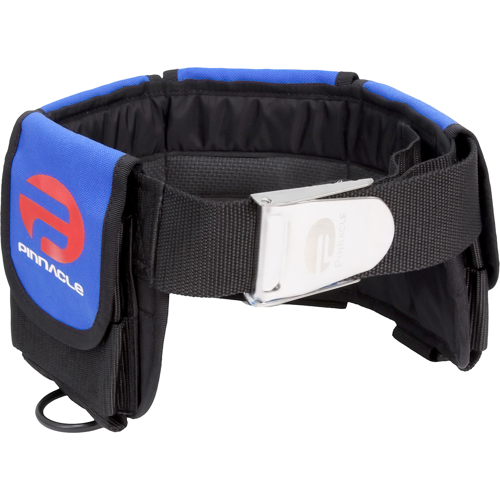
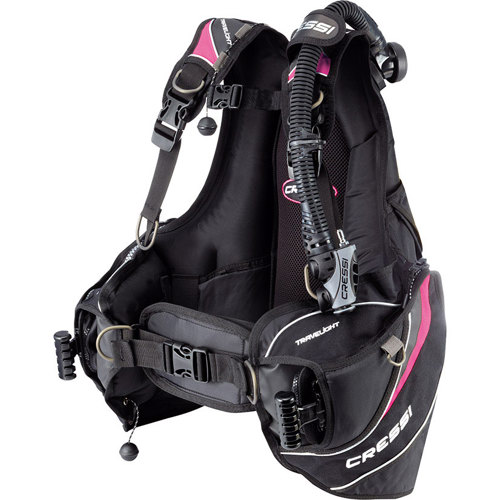
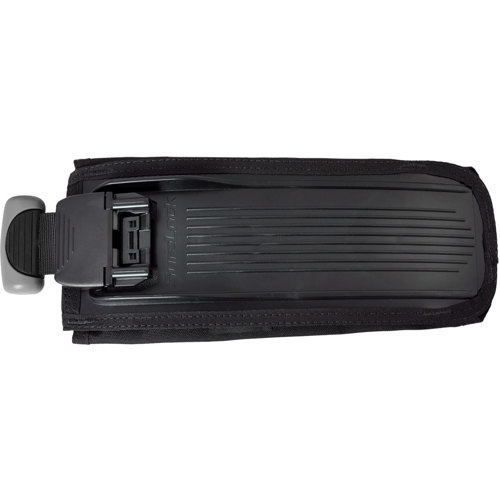
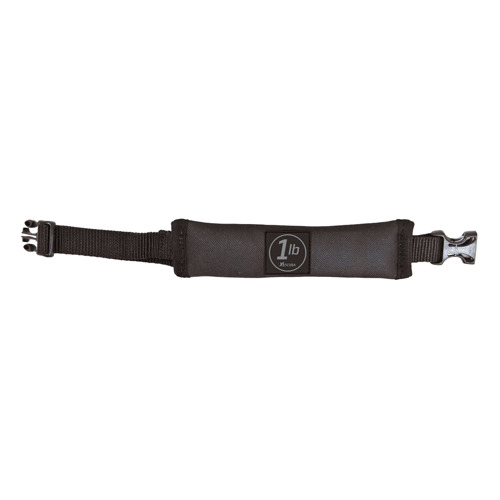
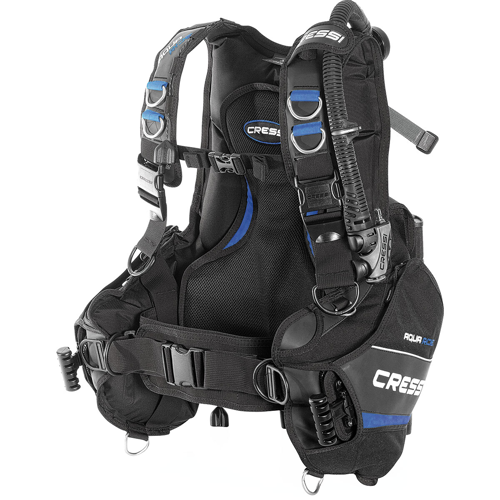
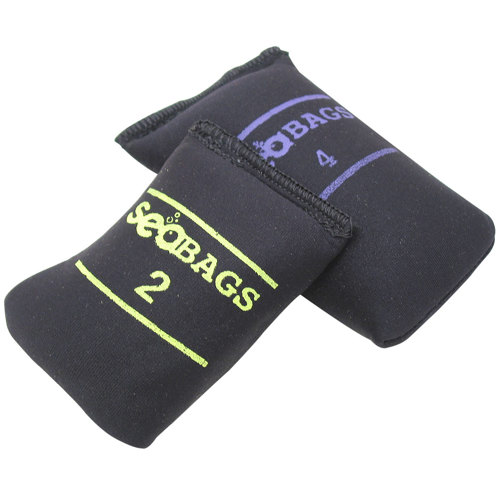
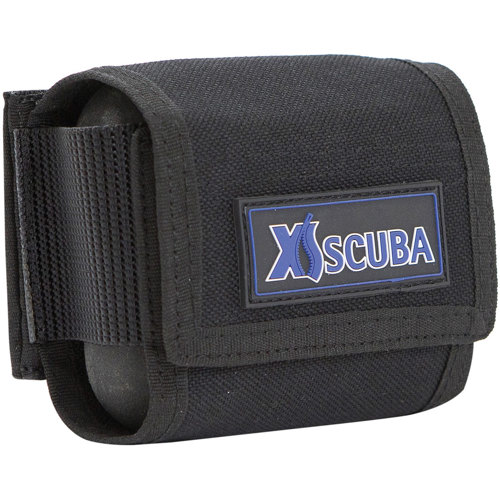
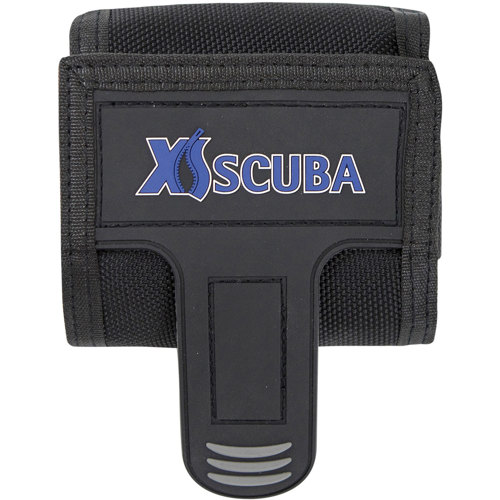
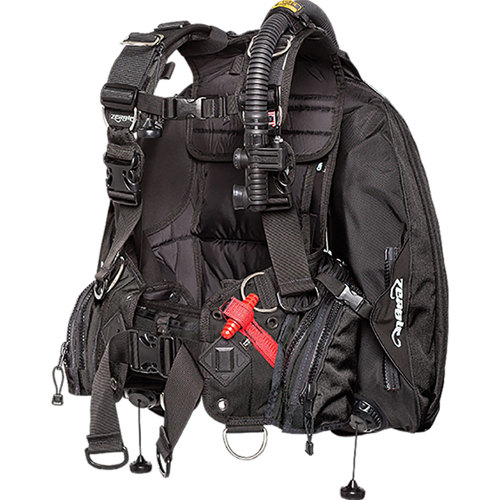
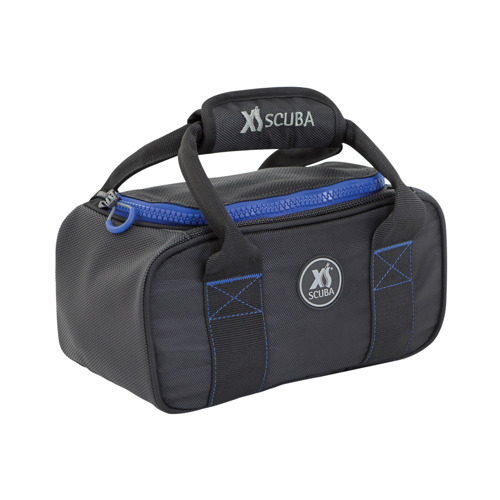
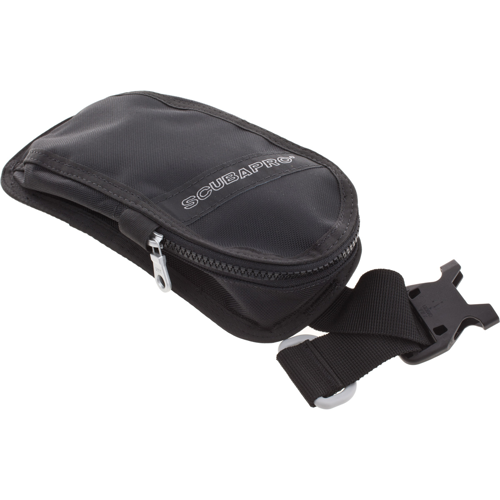
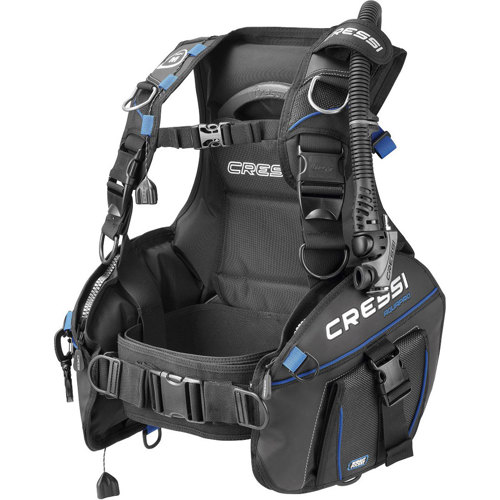
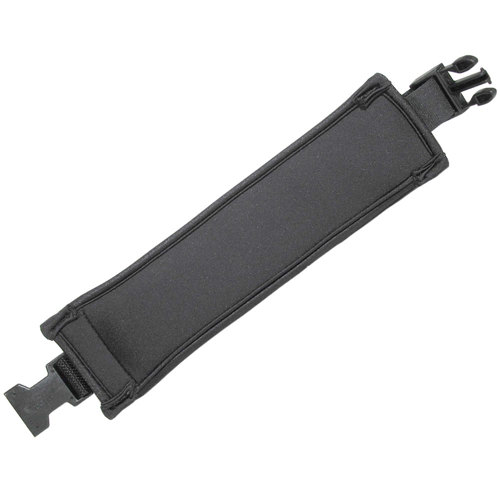
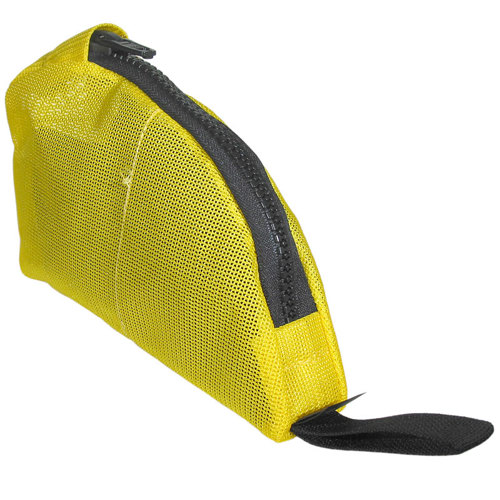
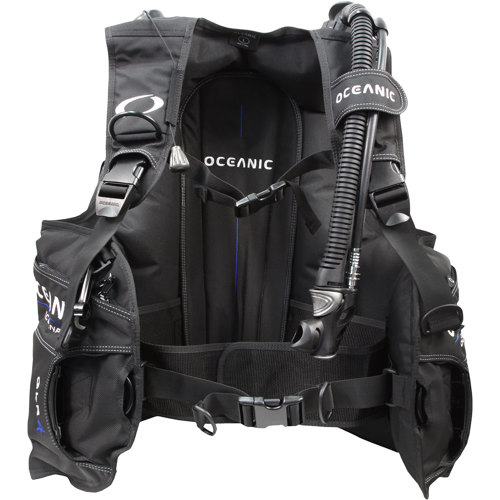
When selecting weight management products, comfort and flexibility are just as vital as achieving the right amount of ballast. Weight belts, integrated weight systems, and trim pockets each offer unique benefits, allowing divers to distribute weight for optimal trim and reduced fatigue. Some prefer the classic simplicity of a sturdy belt, while others opt for the convenience of integrated systems that stow weights securely within the BCD, freeing up the hips and reducing pressure points. Divers who travel frequently appreciate modular systems that adapt to different environments and exposure suits, while instructors and dive professionals often keep a variety of weights on hand to assist students or adjust for changing conditions. For those new to the sport, receiving a thoughtfully chosen weight management system as a gift can be a meaningful gesture—one that supports their journey toward mastering buoyancy and enjoying the underwater world with confidence. Even experienced divers find that upgrading or fine-tuning their setup can breathe new life into their dives, especially as they venture into new types of diving or different water conditions.
Fine-tuning your weight is an ongoing process, best approached with patience and attention to detail. A proper buoyancy check—conducted with a full tank, all gear donned, and a relaxed breath at the surface—remains the gold standard for determining your ideal weight. The goal is to float at eye level with an empty BCD and begin to sink gently on exhalation, allowing for smooth descents and controlled ascents. Adjustments may be necessary as you change equipment or dive locations; freshwater lakes, for example, require less weight than the ocean, while a switch from a wetsuit to a drysuit can add significant buoyancy. Divers who invest in mastering their buoyancy skills often find themselves carrying less weight overall, reducing fatigue and air consumption while protecting delicate marine environments. For those interested in the technical aspects of different weight types and configurations, a detailed breakdown can be found on our
Diving Weight Capacities page. As you explore our curated selection of weight management products, remember that the right setup is key to safe, enjoyable, and environmentally responsible diving—whether you're gearing up for crisp autumn dives or planning your next tropical adventure.