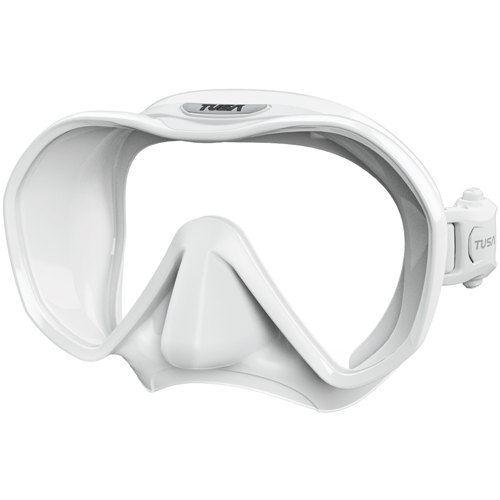
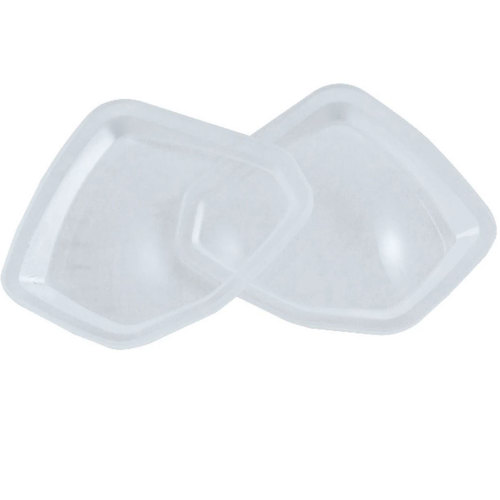
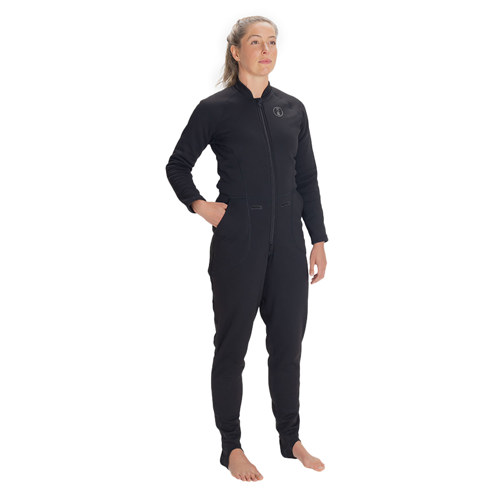
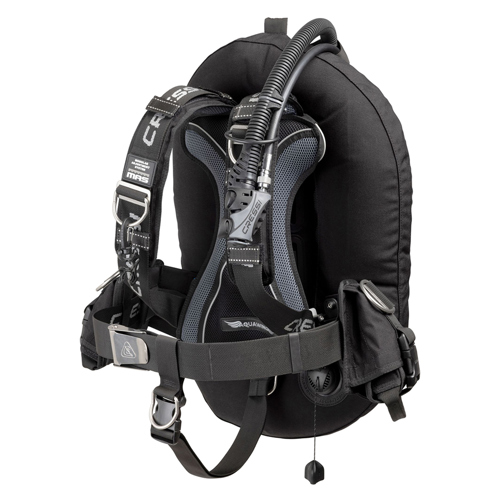
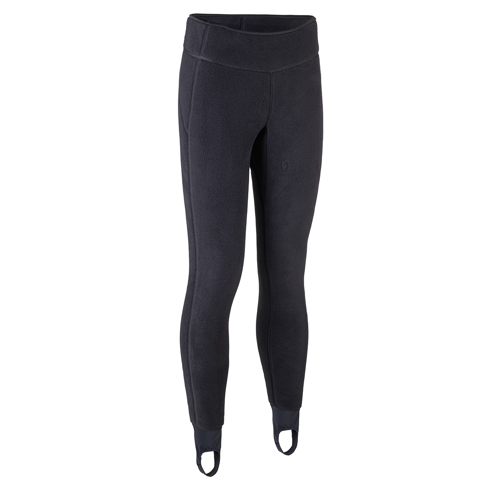
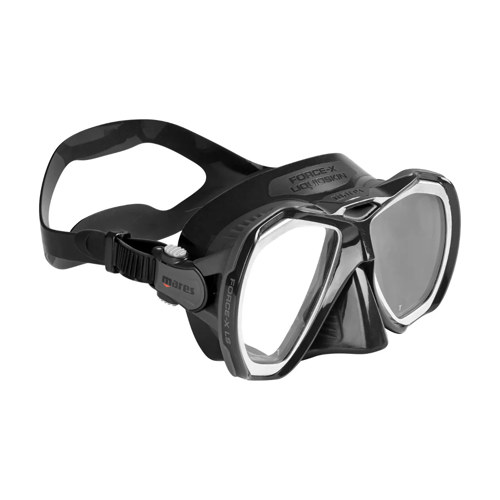
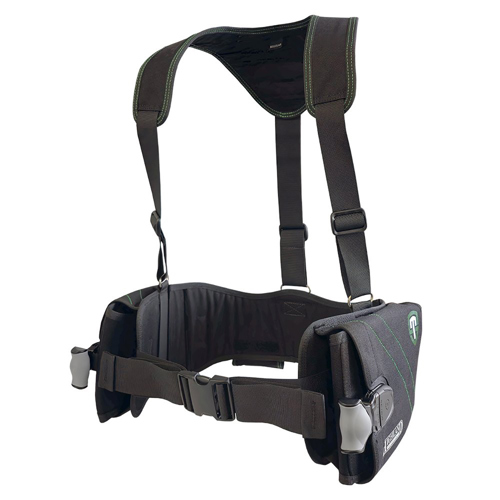
Achieving the perfect scuba fit is about more than just comfort—it’s a crucial element that can influence your safety, performance, and enjoyment every time you enter the water. As any experienced diver knows, the right fit solutions go far beyond the initial purchase; they become part of your preparation, training, and routine. Whether you’re a seasoned diver gearing up for a winter dive trip or a newcomer looking to invest in your first set of gear, understanding how fit impacts your experience is essential. Properly fitted equipment not only streamlines your movements underwater but also helps conserve energy, reduces drag, and minimizes the risk of muscle strains or chafing. For those who dive in colder months like January, thermal protection and custom-fit hoods become indispensable, keeping you warm and allowing you to focus on the beauty below the surface rather than the chill. For divers who wear corrective lenses, customizable mask options can make all the difference, transforming a blurry world into one of vibrant clarity. These solutions are also thoughtful gifts for avid divers, showing care for their comfort and safety, or for newcomers eager to start their underwater journey with confidence.
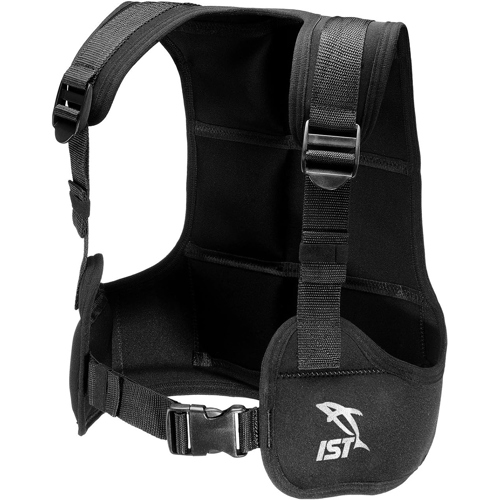
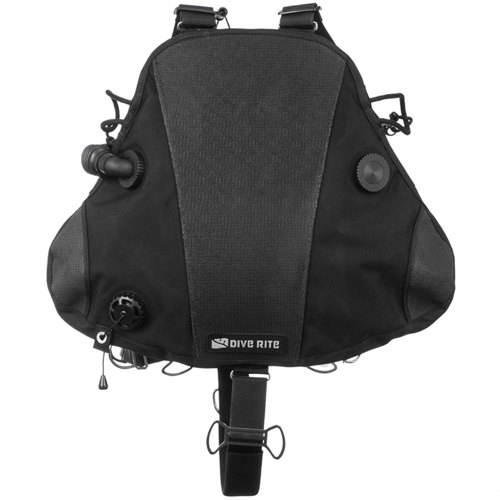
Diving fit solutions extend into every aspect of preparation. Physical conditioning is a key part of the equation, as the demands of scuba diving require a blend of cardiovascular endurance, strength, and flexibility. Many divers dedicate time each week to swimming, cycling, or jogging to build stamina, while incorporating strength training—think squats, lunges, and planks—to handle heavy equipment and maintain stability in currents. Flexibility routines, such as yoga or Pilates, help prevent injuries and improve mobility, especially in the shoulders and back where divers often feel the strain of gear. Breathing techniques, like diaphragmatic or box breathing, can be practiced both in and out of the water to increase lung capacity and reduce air consumption, making dives more efficient and enjoyable. Seasoned divers often share stories of how consistent training—just 30 to 60 minutes of focused activity several times a week—transforms their comfort and confidence on dives, especially when facing challenging conditions or longer excursions. For those managing the weight and balance of their dive setups, practicing with gear on land is invaluable, and resources like our
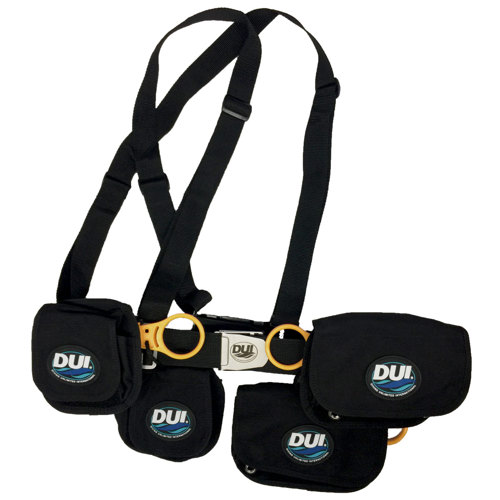
Diving Weight Management page provide expert tips for distributing and adjusting weight for optimal buoyancy and control.
As divers age or their needs change, annual medical check-ups—particularly for those over 45—become a smart addition to the routine, ensuring that health and fitness levels match the demands of the sport. The winter season, with its colder water temperatures, highlights the importance of advanced thermal protection and well-fitted accessories, from socks to hoods, which can make or break a dive. For families and friends searching for the perfect gift, fit solutions are both practical and personal, offering the recipient a chance to experience the underwater world with greater ease and enjoyment. Ultimately, investing in the right diving fit solutions is about creating a seamless connection between body, gear, and environment—empowering every diver to explore with confidence, safety, and joy, no matter the season or destination.