Technical diving weights play a critical role in achieving precise buoyancy and trim underwater, especially for divers who push the boundaries of recreational limits. As the water warms up in May and diving season ramps up, many technical divers begin to fine-tune their scuba diving equipment in preparation for deeper, longer, and more complex dives. The right diving weight system is essential for maintaining control, comfort, and safety during these challenging excursions. Technical divers often require more sophisticated weight solutions than recreational divers, as they may use drysuits, multiple tanks, and various gear configurations that significantly affect buoyancy. The selection of diving weights—be it hard weights, soft shot bags, or specialized v weights—depends on a diver’s exposure protection, tank material, and the water environment. For example, drysuit divers need more ballast due to the extra buoyancy of their thermal layers, while those diving in saltwater typically require about 8-10% of their body weight in lead, compared to 6-8% in freshwater. The use of aluminum tanks, which become more buoyant as they empty, can also necessitate additional weight to maintain proper trim throughout the dive.
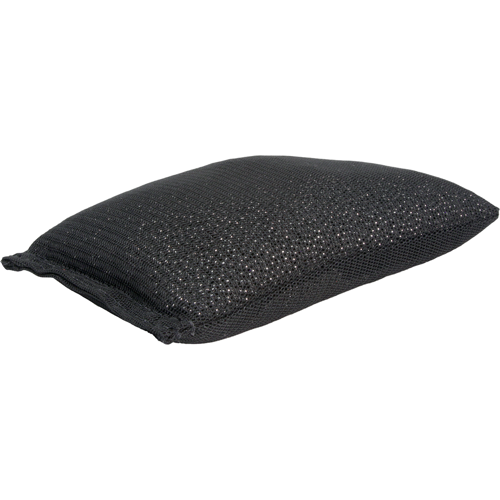
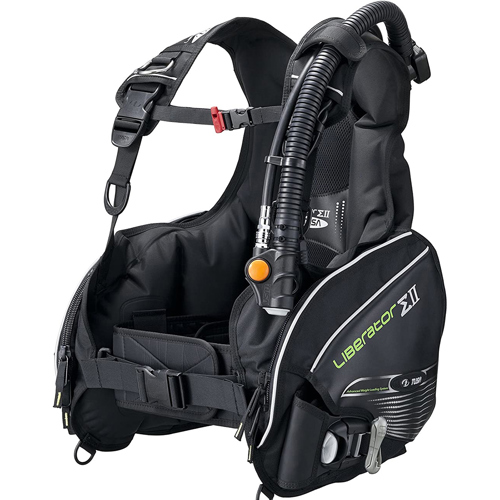
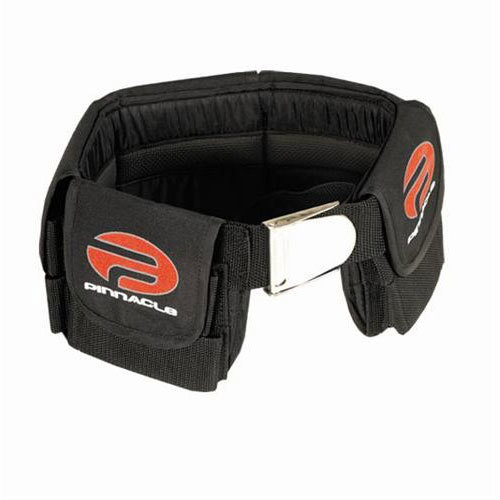
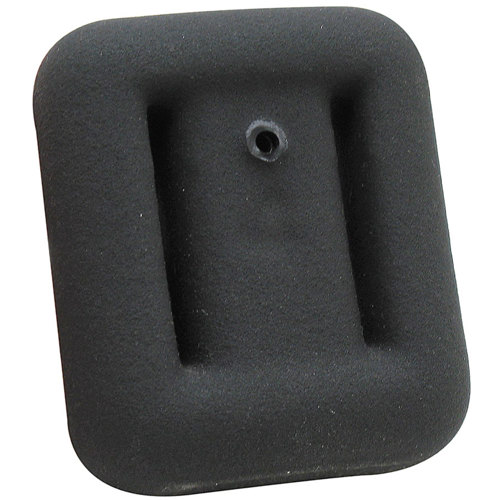
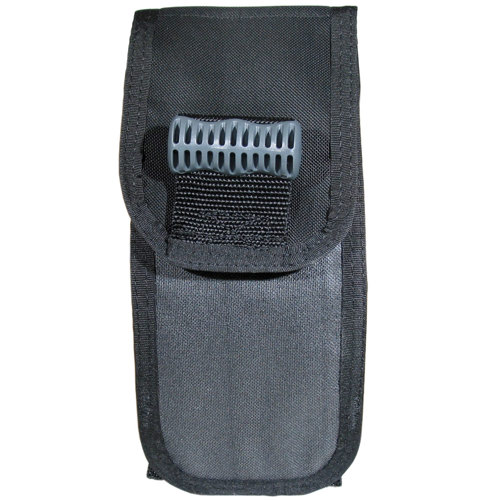
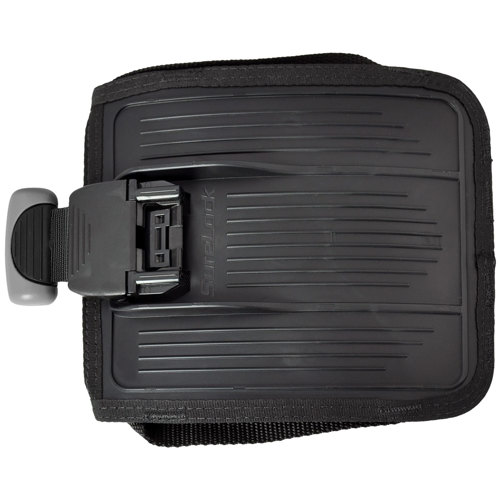
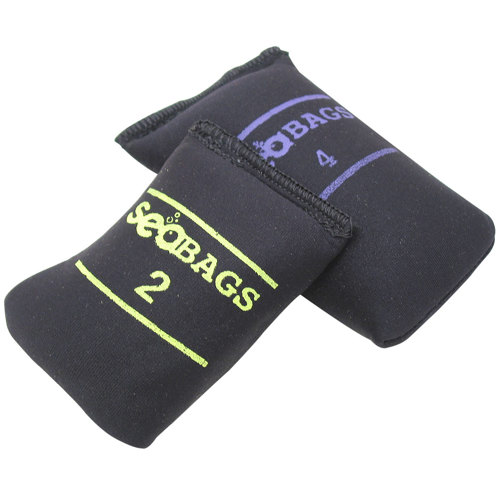
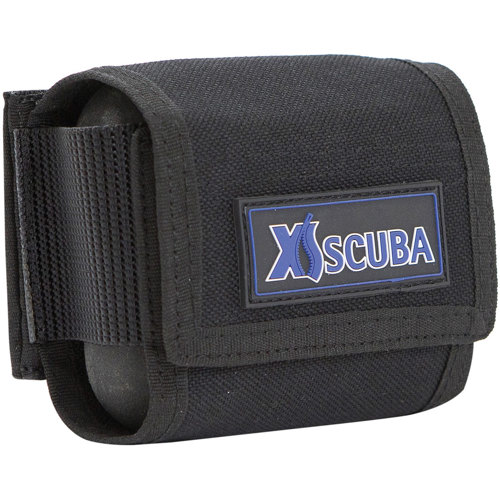
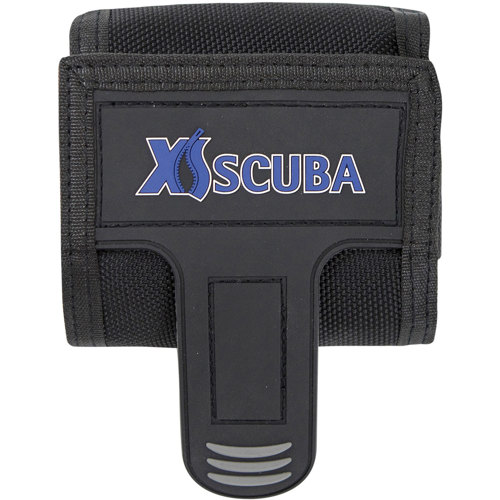
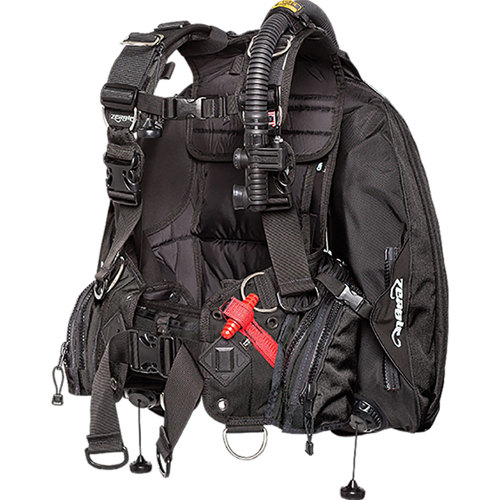
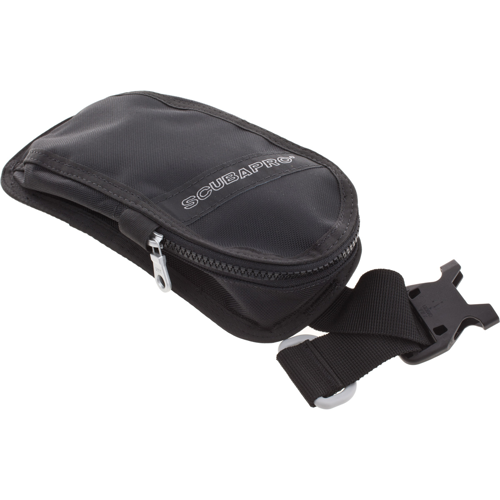
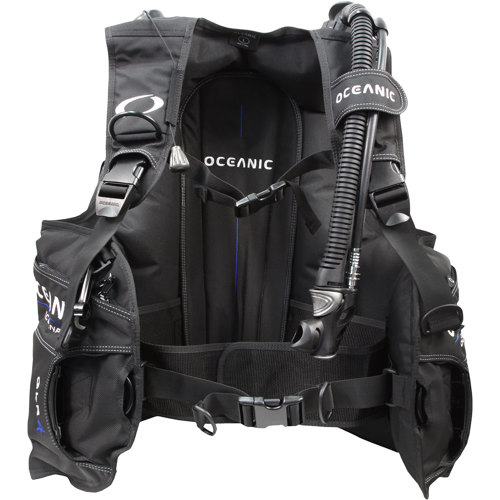
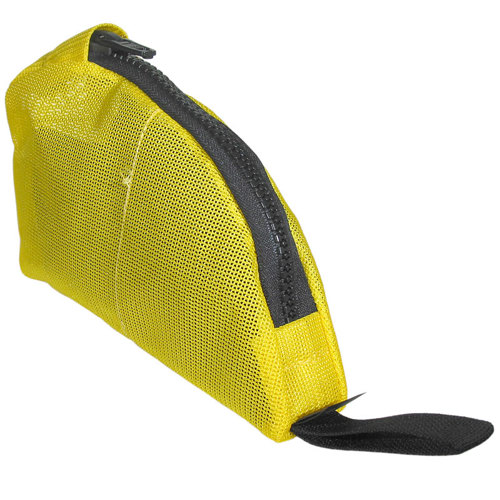
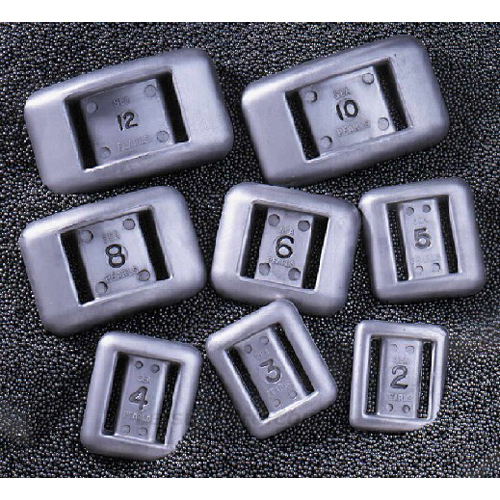
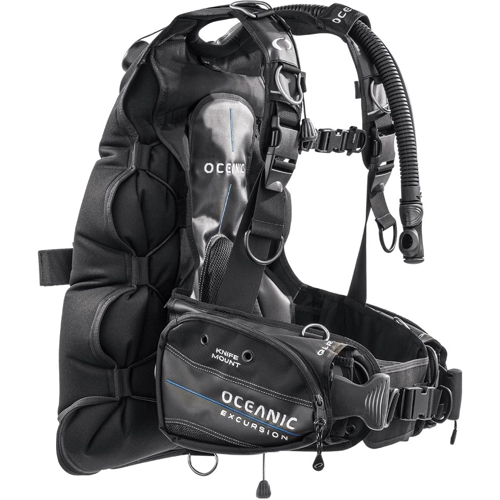
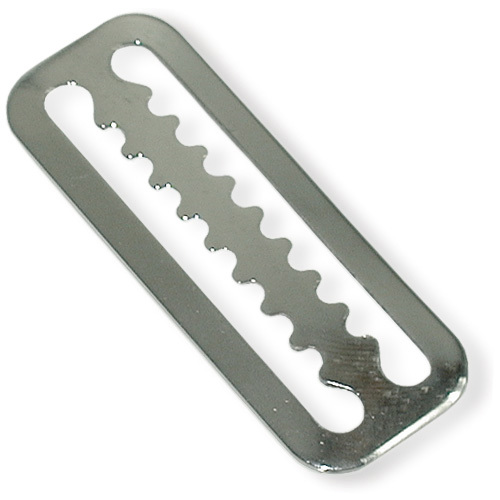
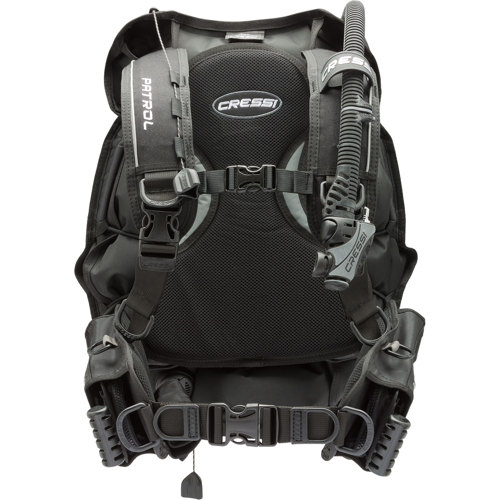
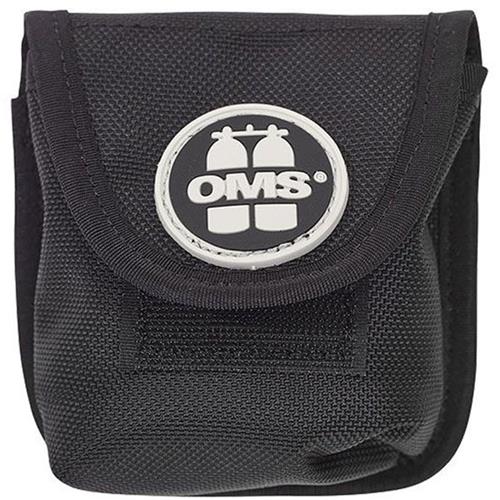
The placement and distribution of diving weights are just as important as the total amount. Technical divers often use a combination of weight systems to achieve optimal horizontal trim, which is crucial for efficient propulsion and minimizing drag. Hard weights, typically crafted from lead-antimony alloys, offer durability and a compact profile, making them ideal for threading onto a harness or weight belt. Many divers prefer lace-thru weights for their versatility, as these rectangular blocks can be easily positioned along nylon or rubber belts to fine-tune balance. Soft weights, filled with lead shot, contour comfortably to the body and are popular for those seeking enhanced comfort or diving in thinner wetsuits. For added gear protection and corrosion resistance, coated weights with a vinyl shell are a smart choice, especially when diving in saltwater environments. V weights, designed to fit snugly between twin tanks, are a technical diver’s secret weapon for perfecting trim without cluttering the harness or pockets. These specialized weights allow for subtle adjustments that can make a significant difference over the course of a long decompression dive. For those who prefer a modular approach, integrated weight systems and weight pocket kits offer the flexibility to distribute ballast across the harness, making it easier to manage heavier loads and streamline the diver’s profile.
Diving weights also make thoughtful gifts for the experienced diver in your life, particularly as summer approaches and dive trips fill the calendar. Whether you’re shopping for a technical diver preparing for an ambitious expedition or a snorkeler in need of a flotation belt for snorkeling, the right weight system can enhance comfort, safety, and enjoyment in the water. As you browse technical diving weights, consider factors such as material, shape, coating, and compatibility with existing scuba diving equipment. Divers who frequently switch between wetsuits and drysuits may benefit from a range of weight sizes, from compact 2-pound blocks for fine-tuning to heavier 10- or 12-pound options for maximum ballast. If you’re interested in exploring more robust options for demanding conditions or heavier gear setups, our curated selection of
Heavy Diving Weights offers additional choices tailored to technical and advanced divers. Each weight solution is designed with practicality and performance in mind, ensuring that every descent is as controlled and comfortable as possible. Whether you’re gearing up for a summer of deep wreck exploration or simply seeking to perfect your buoyancy skills, investing in high-quality diving weights is a step toward safer and more enjoyable underwater adventures.