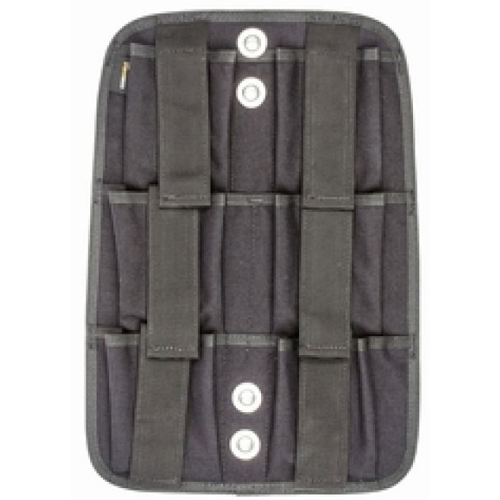
Freediving weights are an essential part of any free diver’s kit, offering the crucial balance needed to safely and comfortably explore beneath the surface. The right free diving weights help counteract the natural buoyancy caused by your body composition, wetsuit thickness, and even the salinity of the water, allowing you to descend with control and maintain optimal positioning throughout your dive. As the weather warms and diving conditions become more inviting, many divers look forward to longer sessions in the water, whether they’re training in a pool, venturing along vibrant reefs, or practicing depth discipline in open water. For beginners and seasoned enthusiasts alike, understanding how to select and use freediving weights is key. The amount of weight you need depends on several factors: a thinner 3mm wetsuit might require just 1 to 2 kilograms of weight, while a thicker 7mm suit could call for up to 5 or 6 kilograms. The goal is always to achieve neutral buoyancy at a safe depth—often around 10 meters—so you can glide effortlessly without fighting to stay submerged or risking a rapid, uncontrolled descent.
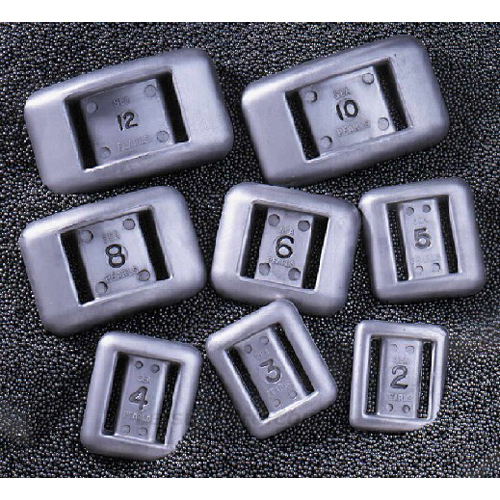
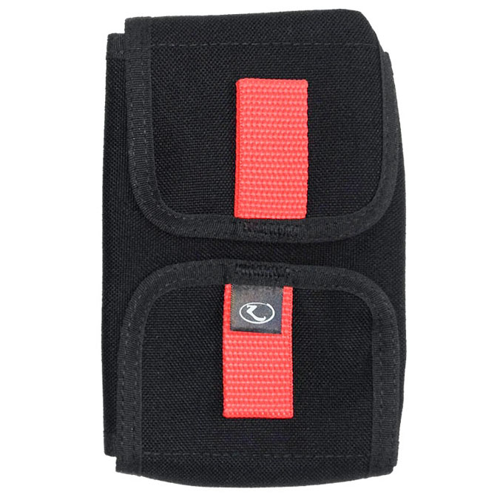
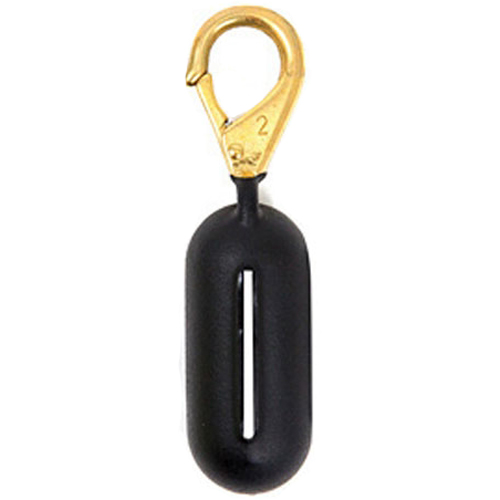
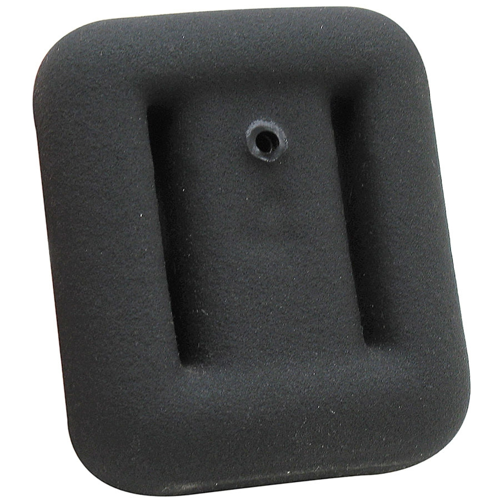
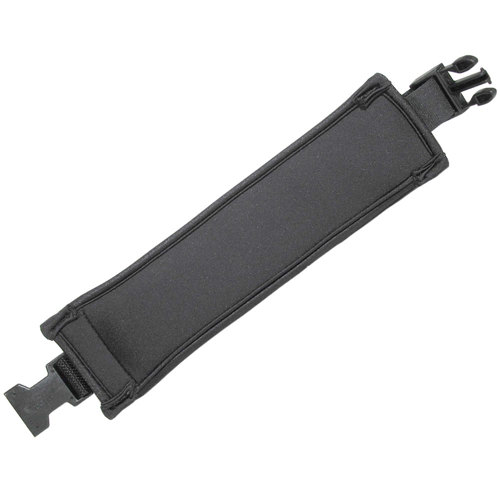
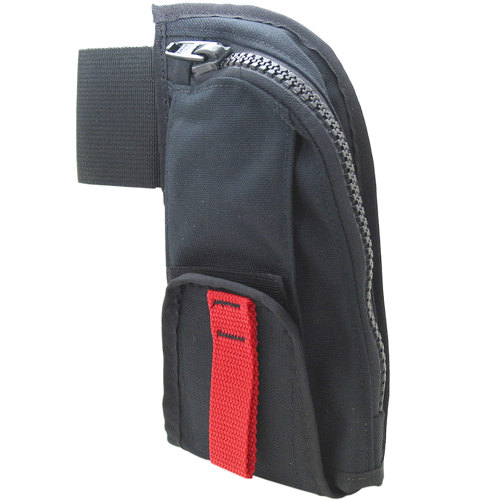
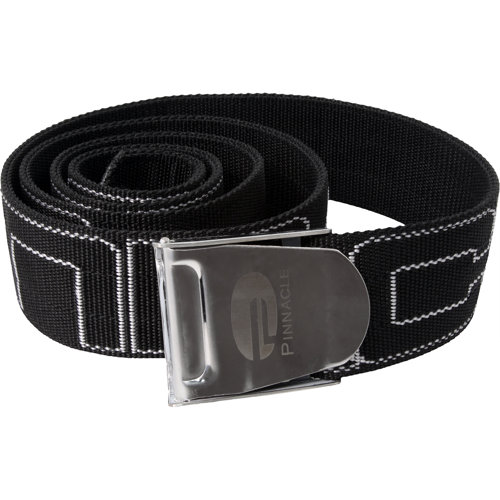
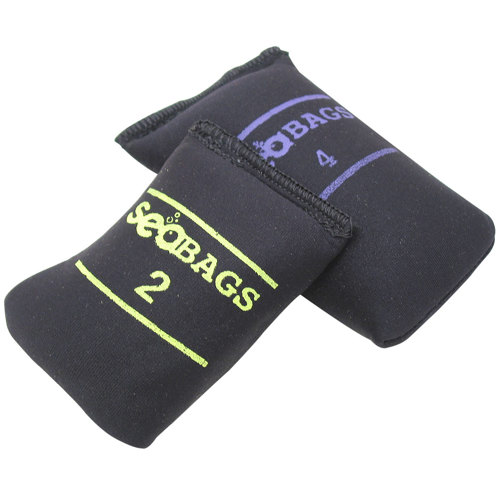
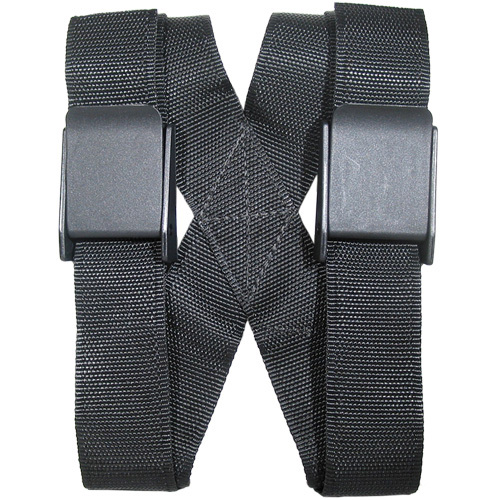
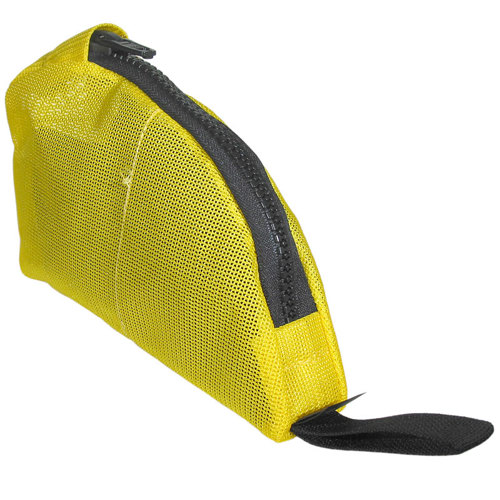
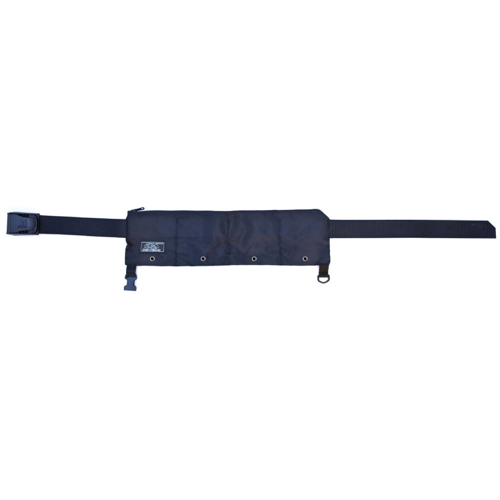
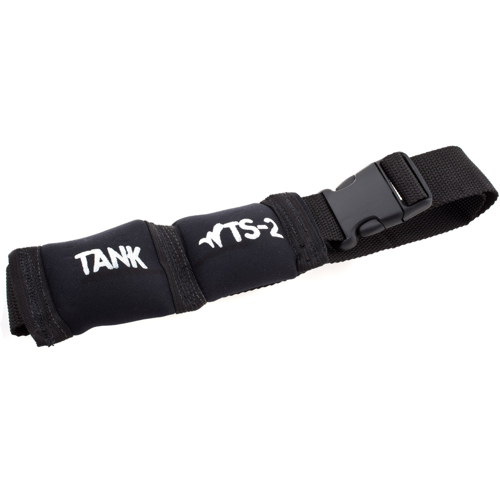
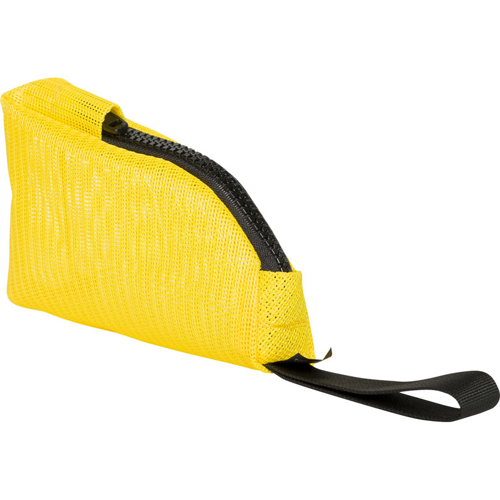
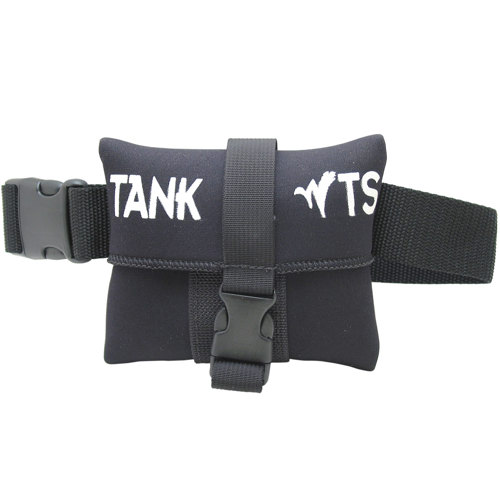
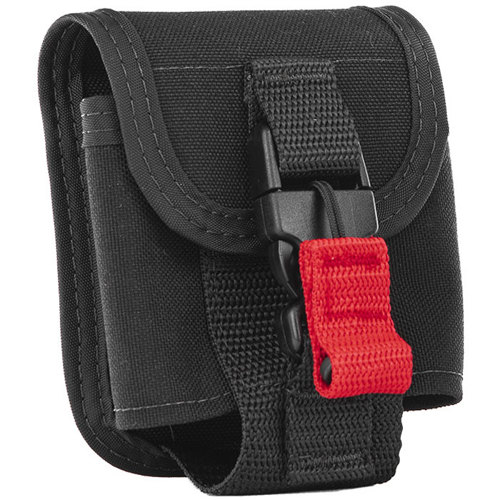
The variety of freediving weights available today means there’s a solution for every diver’s preference and body type. Traditional hard lead weights, often in 1 to 2 pound increments, are popular for their simplicity and reliability. Many divers opt for coated weights, which feature a protective outer layer to reduce wear on your wetsuit and minimize lead exposure. Soft lead shot pouches are another option, offering a flexible fit that molds comfortably to your hips or neck. While scuba weights and dive weights are sometimes used interchangeably, freediving-specific systems are typically designed for enhanced comfort and safety. Most freedivers prefer high-stretch rubber belts that sit low on the hips; this design ensures the belt contracts as your wetsuit compresses at depth, keeping the weights secure and preventing the belt from riding up. Even weight distribution is crucial—not just for comfort, but also to avoid restricting your diaphragm and to maintain a streamlined profile. Quick-release buckles, often made of durable glass-filled nylon, are a standard safety feature, allowing divers to instantly ditch their entire weight system in an emergency. For those focusing on pool training or fine-tuning their horizontal position during deep dives, modular neck weights are increasingly popular. These collars transfer weight from the waist to the shoulders, helping maintain perfect trim and streamlining, and can be adjusted in micro-increments for precise control.
Freediving weights also make thoughtful gifts for anyone passionate about underwater exploration, from new divers eager to build their kit to experienced athletes refining their technique. Whether you’re shopping for yourself or someone else, it’s important to consider the recipient’s body type, the type of diving they enjoy, and their existing gear. The right set of weights can open up new levels of comfort and performance, making every dive safer and more enjoyable. As you browse options, remember that safety and personal fit should always come first—never overload your belt, and always practice with new gear in a controlled environment. For those interested in exploring more advanced or technical configurations, you may also want to review our selection of
Technical Diving Weights, which are designed for specialized diving scenarios. With the right setup, you’ll be ready to make the most of the season’s diving opportunities, enjoying the freedom and serenity that only freediving can offer.