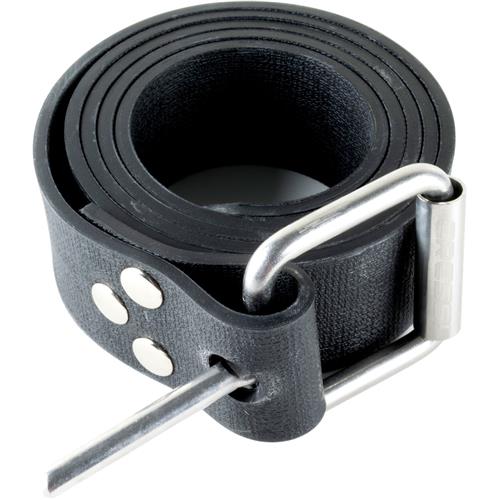
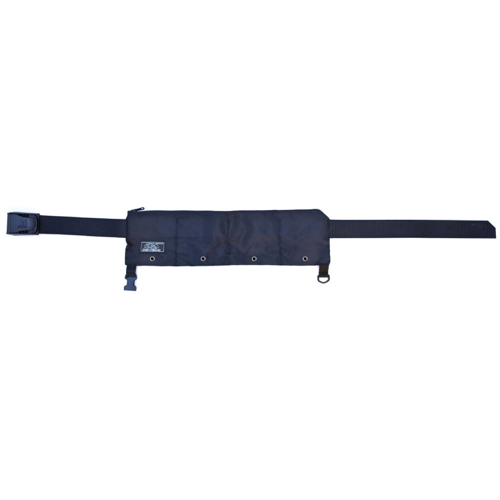
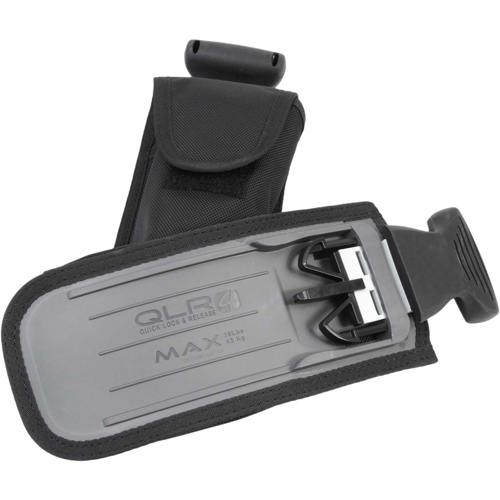
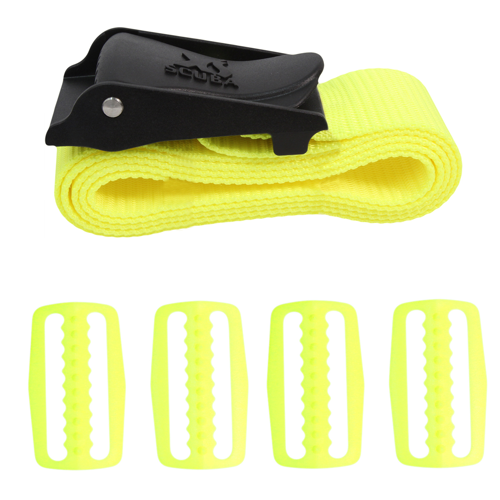
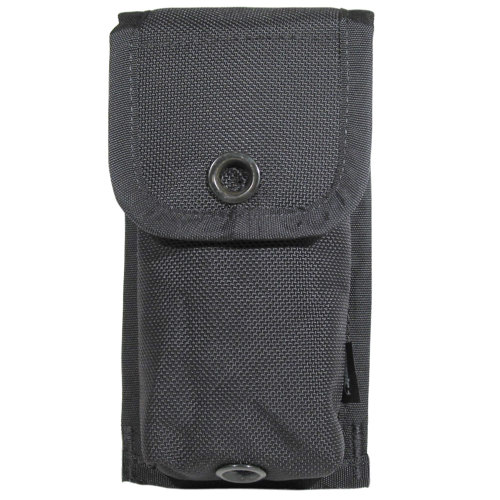
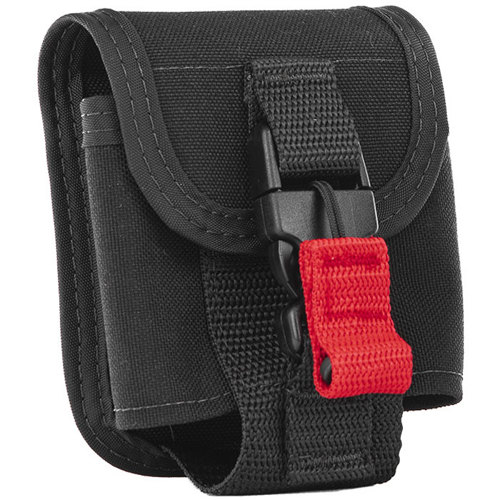
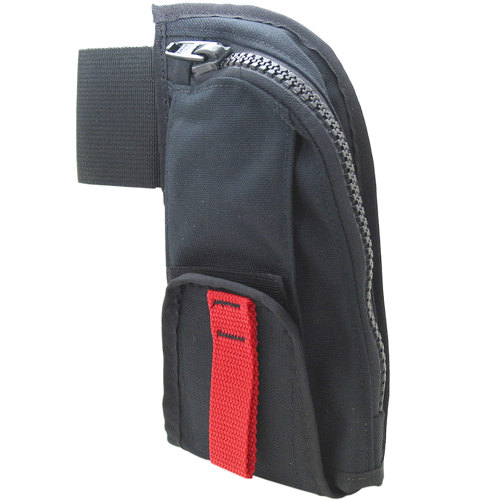
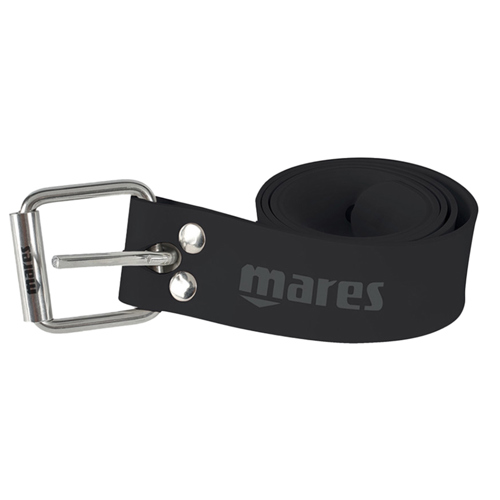
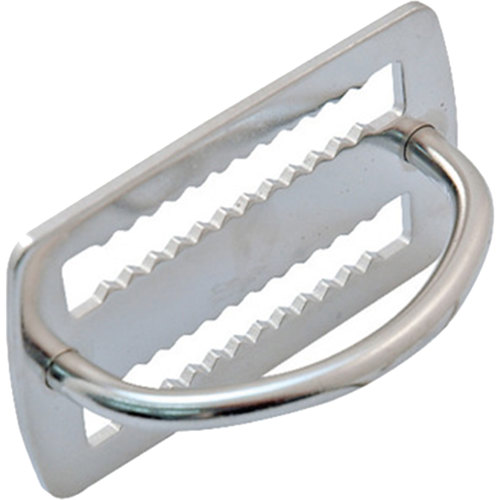
Freediving weight belts are an essential piece of equipment for anyone looking to achieve optimal buoyancy and comfort while exploring beneath the surface. As the weather warms and more divers head out for longer sessions in the water, the right freediving belt becomes even more important—whether you’re practicing static apnea, spearfishing, or just enjoying the freedom of gliding through the ocean unencumbered by tanks. These belts are specifically designed to counteract the natural buoyancy of your body and wetsuit, especially as you descend and the pressure increases. Unlike traditional scuba diving belts made from nylon, which can loosen and ride up as your suit compresses, a true freediving weight belt is crafted from high-stretch rubber or silicone. This flexibility ensures the belt contracts with you at depth, staying snugly on your hips without restricting your breathing or slipping out of place. The best freediving weight belt will always feature a secure and reliable buckle—most often the classic Marseilles style made from corrosion-resistant stainless steel. This buckle design is favored by freedivers for its combination of a tight fit and the ability to be released instantly with one hand, a crucial safety feature that allows you to ditch your weights quickly in an emergency.
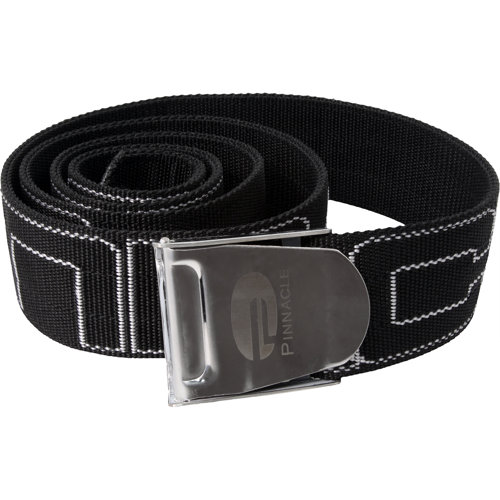
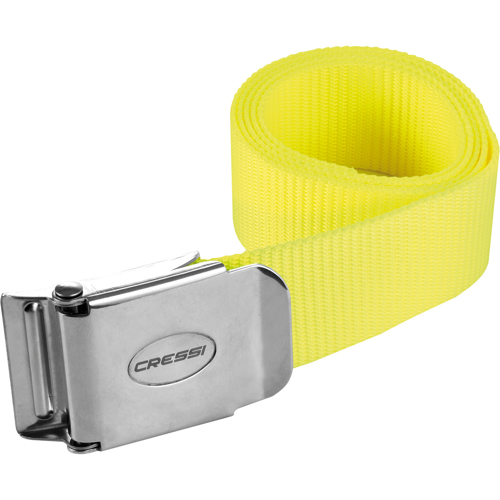
When selecting a diving belt, there are several important considerations to keep in mind. First, think about the material: only rubber or silicone belts offer the flexibility and grip needed for freediving. Stiff nylon or webbed belts, while common in scuba, simply don’t perform well under the changing pressures of deep dives. The placement of the belt is also key—wear it low on your hips, not around your waist, to keep the weight away from your chest and allow for full diaphragmatic breathing during your breath-up routine. Proper weight distribution is another essential factor; always space your weights evenly along the back and sides of the belt, never over the front of your stomach, to maintain balance and avoid discomfort. For those who value safety, a quick release weight belt is a must. Make sure any excess strap is left hanging free and visible, never tucked in, so it can be easily grabbed and released if needed. These features are especially important for freedivers who push their limits, but they also make the belts a thoughtful gift for anyone interested in underwater exploration—whether for a friend gearing up for their first freediving course or a seasoned spearo looking to upgrade their setup. If you’re looking to recommend top dive weight belt brands and ideal features for my needs, always prioritize flexibility, secure buckles, and ease of adjustment. For those building out a complete freediving kit, you can explore a wide range of compatible weights and accessories on our
Free Diving Weights page.
Freediving weight belts aren’t just a technical necessity—they’re a piece of gear that can make or break your comfort and safety in the water. As days grow longer and dive trips become more frequent, the convenience of a well-fitted, reliable diving belt becomes clear. Freedivers of all experience levels, from beginners to advanced, rely on these belts to fine-tune their buoyancy and maintain control throughout their dives. Whether you’re exploring kelp forests, training for depth, or simply enjoying the silence beneath the waves, a purpose-built freediving belt offers the peace of mind that comes from knowing your gear will perform as expected. Many divers recall those first sessions with a proper belt—how it hugged the hips securely, stayed put during deep descents, and could be released in a split second if needed. It’s this combination of comfort, performance, and safety that makes the freediving weight belt a staple in every diver’s gear bag. As you browse our curated selection, remember to consider your own needs and preferences, as well as the conditions you’ll be diving in, to find the best freediving weight belt for your adventures ahead.