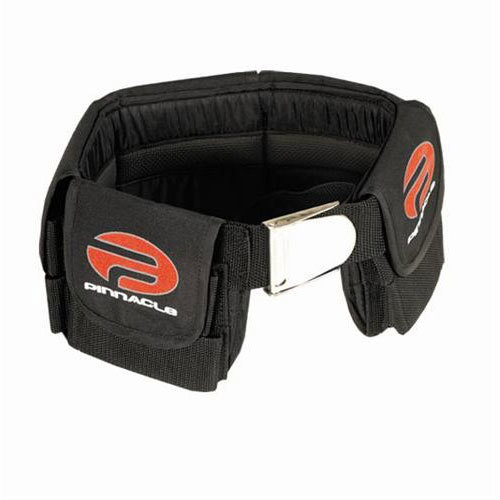
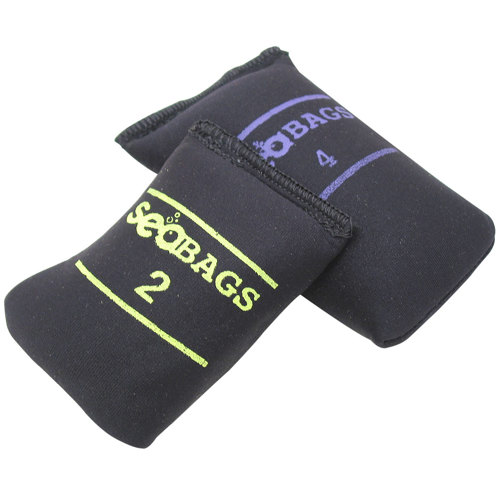
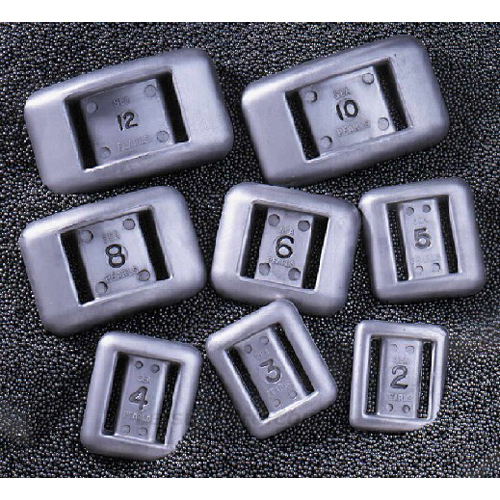
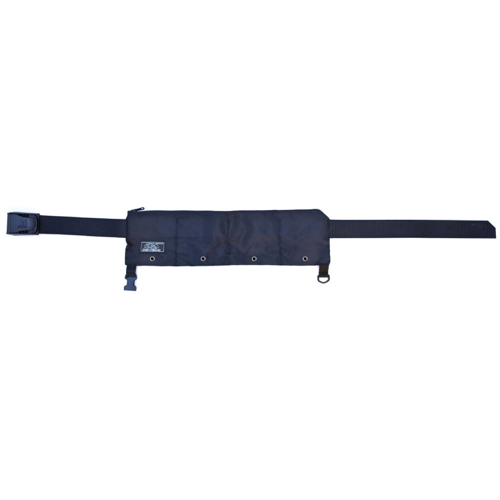
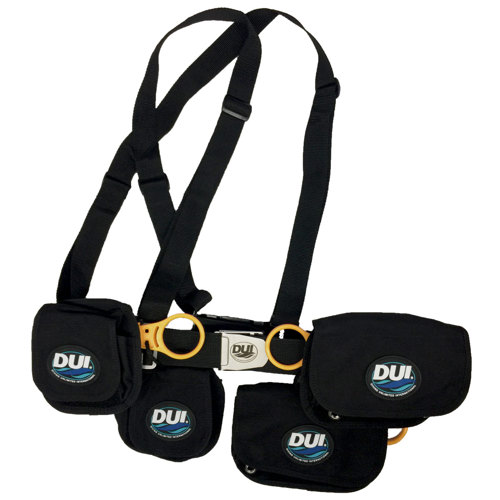
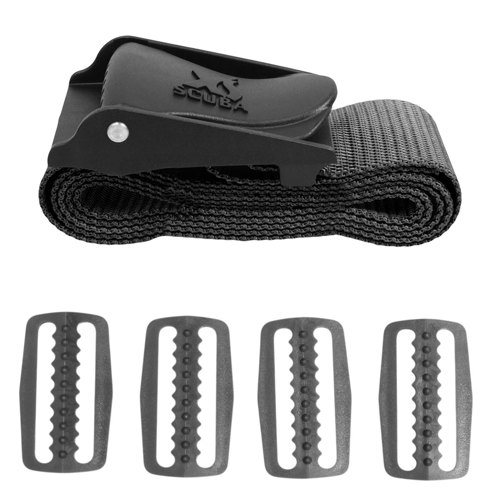
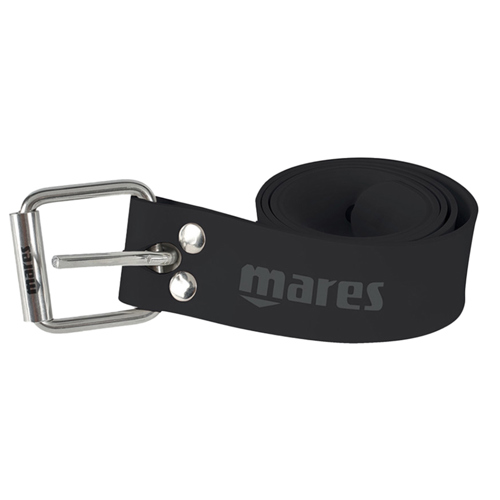
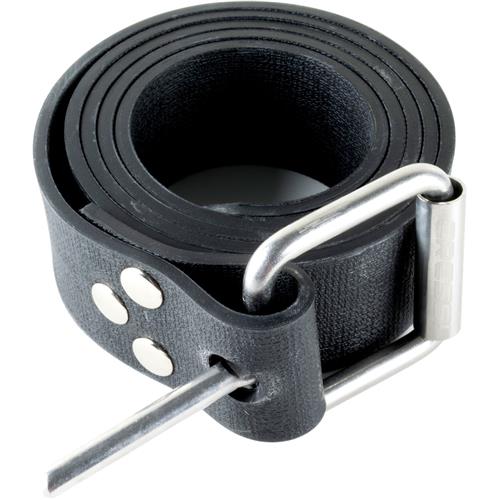
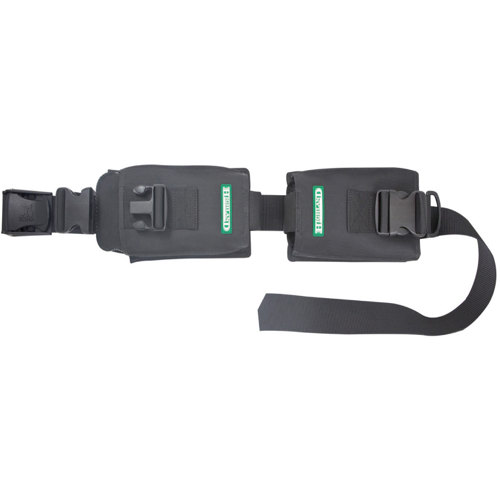
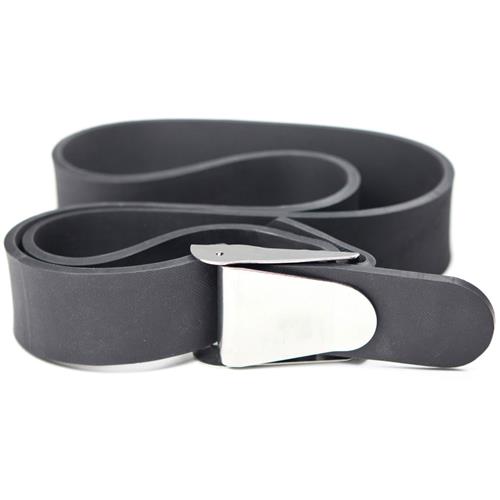
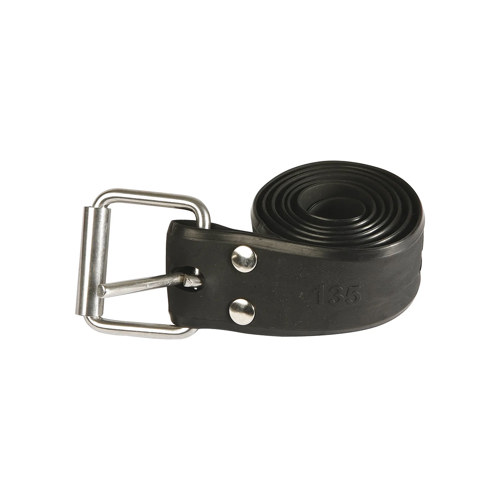
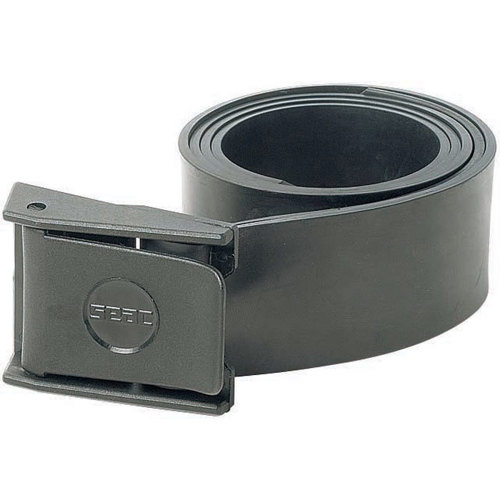
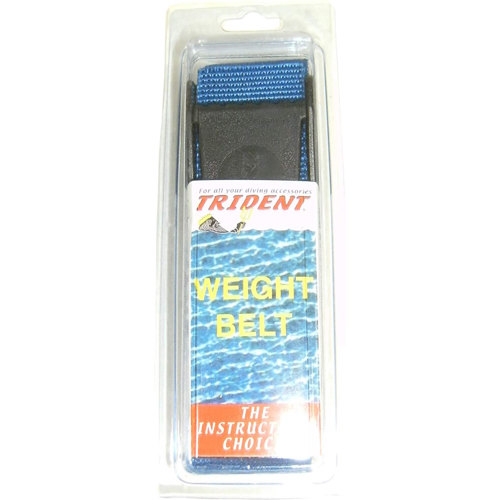
As the waters warm up in May and dive season comes into full swing, many divers begin to fine-tune their gear setups, and the importance of a reliable scuba diving weight belt becomes especially apparent. Whether you’re a seasoned diver preparing for deeper descents or a beginner taking your first open water course, managing buoyancy is at the heart of a safe and enjoyable underwater experience. Ascents weight belts are a cornerstone in this process, offering divers the ability to adjust their weight distribution with precision. A well-fitted weight belt not only helps you achieve neutral buoyancy but also contributes to your overall comfort and control underwater. Crafted from durable materials like nylon or, in some specialized cases, leather, these belts are designed for both longevity and comfort. Many feature contoured sides or adjustable buckles to ensure a snug fit above the hips and below the ribs, which is crucial for both safety and ease of movement. When you’re gliding over a coral reef or hovering in a kelp forest, the last thing you want is a loose or poorly balanced belt distracting you from the beauty around you.
Selecting the right scuba diving weight belt is a personal process that can depend on several factors, including your body type, the thickness of your wetsuit, and even the type of diving you plan to do. For example, cold water divers may require more weight due to thicker exposure protection, while tropical divers can often get by with less. The time of year can also play a role—spring and summer often bring lighter wetsuits and different buoyancy needs. It’s common to see divers swapping out weights or adjusting their belts as the season changes. Fit is paramount: the belt should sit securely above your hips, allowing for easy release if needed, but without slipping or causing discomfort during your dive. Some divers prefer quick-release buckles for added safety, while others appreciate the simplicity of a sturdy, traditional buckle. For those who lift weights or participate in other underwater sports, similar principles apply—proper support and fit are essential for both performance and injury prevention. If you’re shopping for a gift for a diver, a high-quality weight belt is a thoughtful and practical choice, especially for someone upgrading their gear or preparing for a new certification. It’s the kind of essential accessory that often gets overlooked, but once experienced, becomes a non-negotiable part of any dive kit.
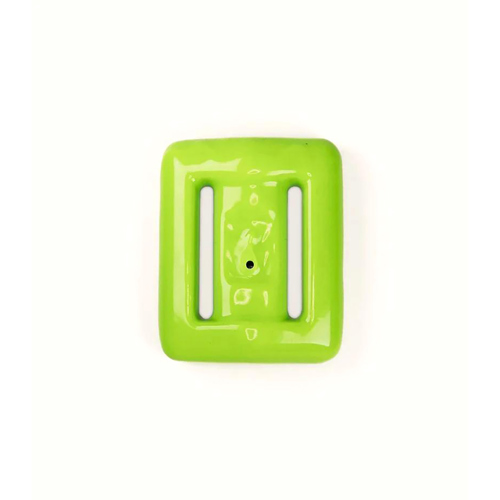
For anyone looking to explore the full range of options, it’s worth considering the different widths and thicknesses available, as these can influence both comfort and performance. Thicker belts, such as those with a 13mm profile, offer maximum support and are favored by divers who carry heavier weight loads, while tapered sides can help reduce pressure points during long dives. Measuring around the navel area ensures the belt sits in the optimal position for both buoyancy control and spinal support, especially important for those who alternate between scuba diving and other activities like freediving or underwater photography. If you’re interested in exploring more specialized belt options, including those designed for maximum comfort and adjustability, take a look at the
5 Cm Weight Belts page for a curated list of choices. Investing in the right weight belt is more than just a matter of convenience—it’s about enhancing your underwater adventures, ensuring safety, and making every dive as effortless and enjoyable as possible. Whether you’re preparing for a summer of local shore dives or planning a tropical getaway, the right ascent weight belt is an indispensable part of your dive gear, helping you move with confidence and ease through the underwater world.