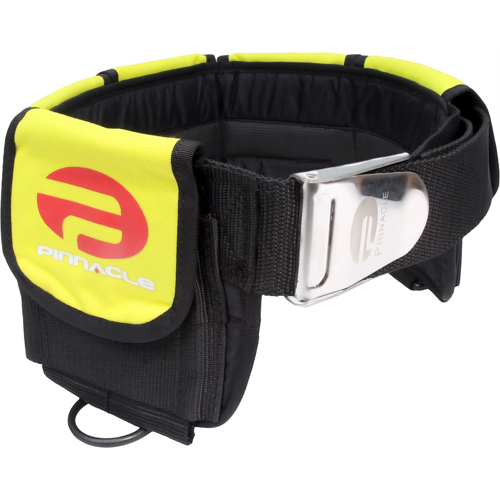
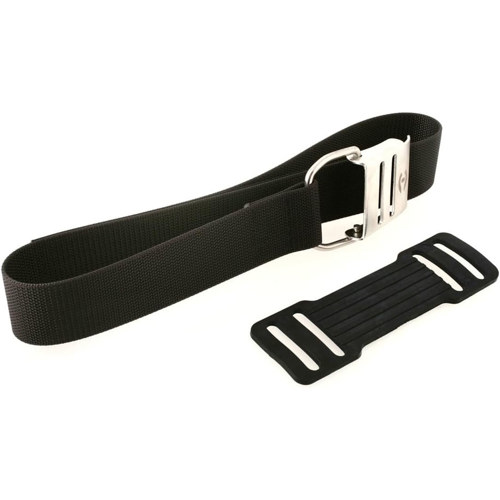
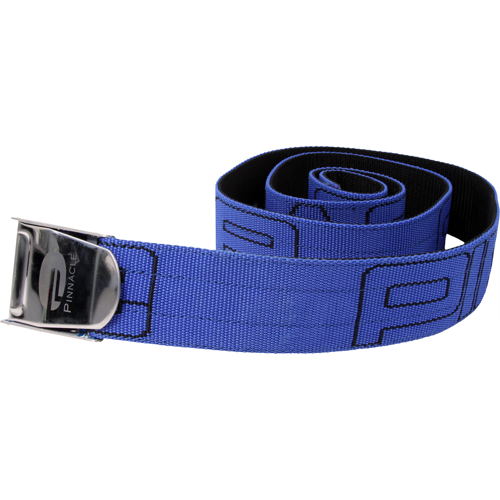
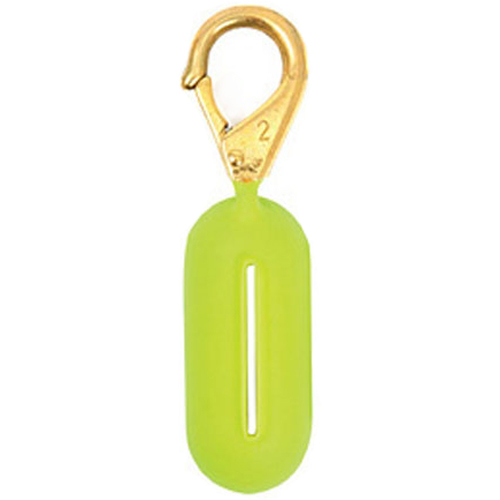
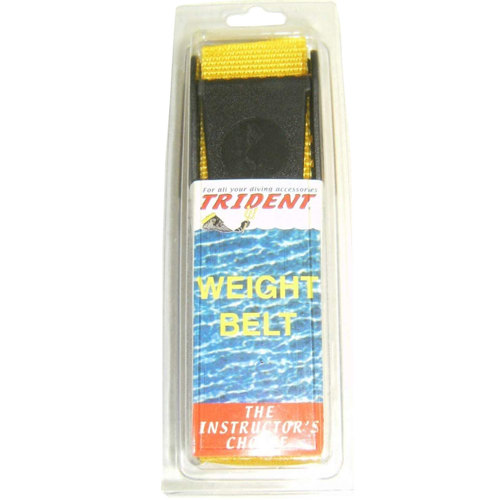
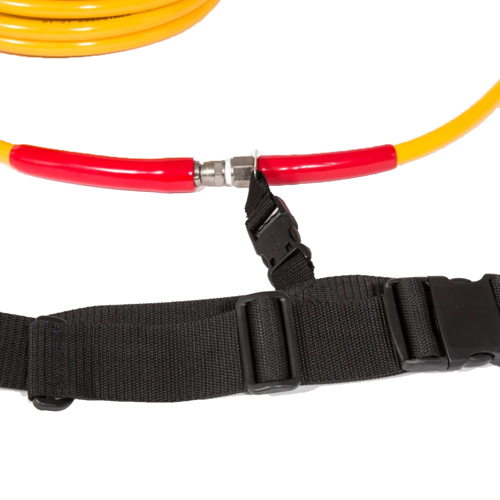
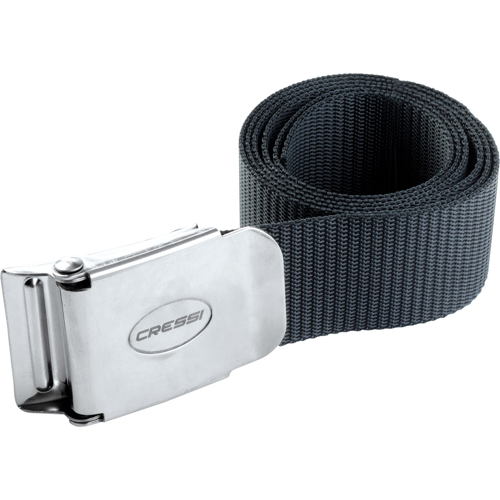
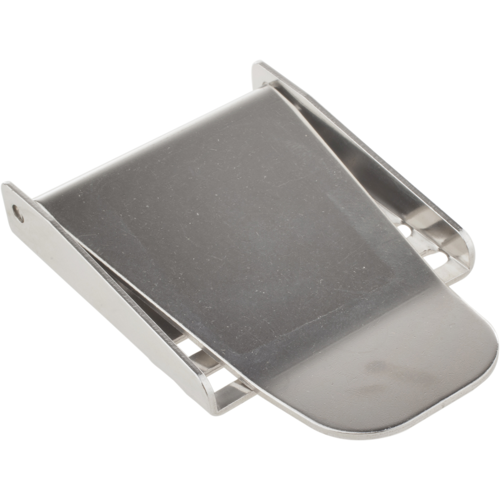
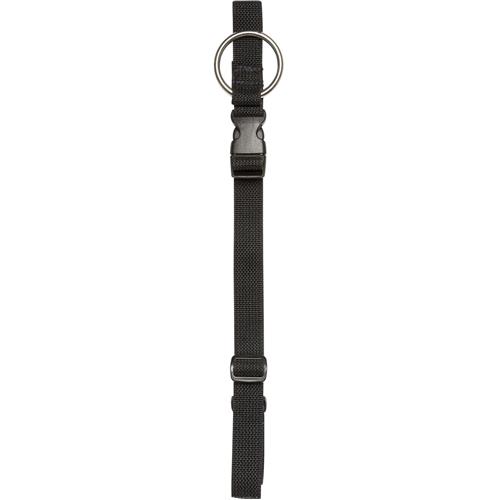
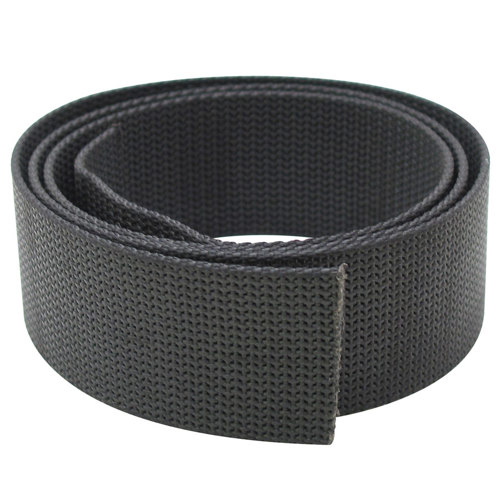
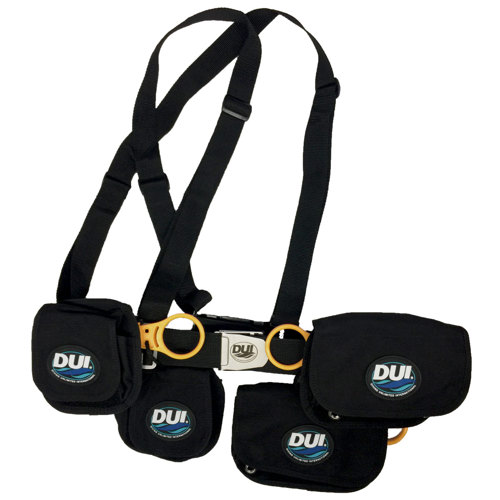
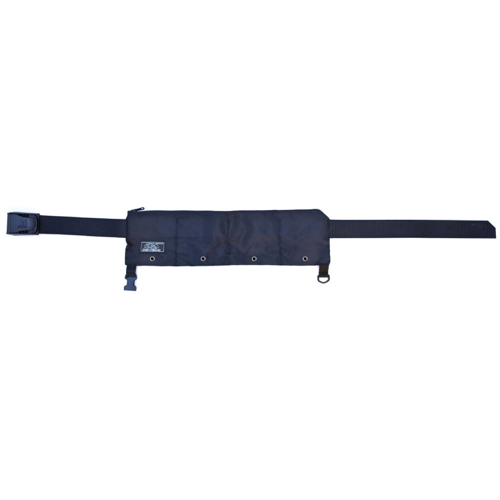
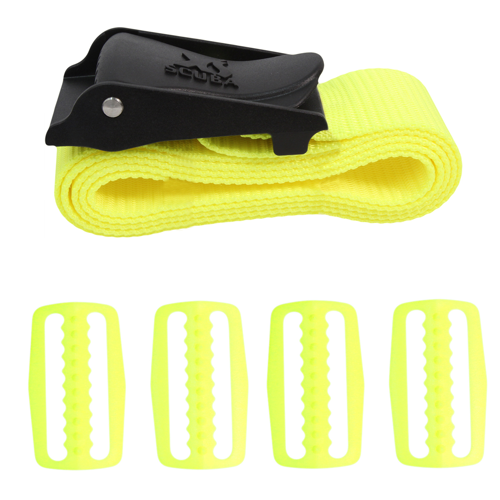
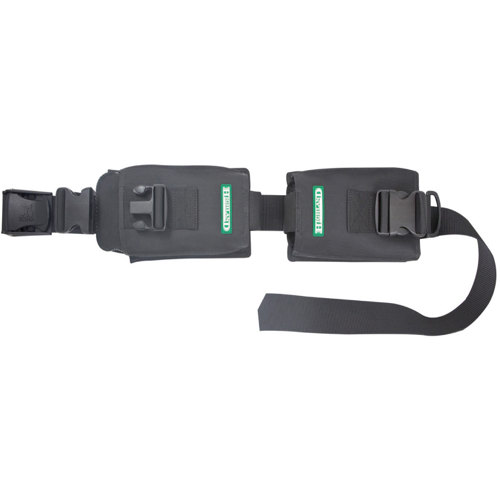
A 5 cm weight belt is a fundamental accessory in the world of scuba diving, freediving, and even certain strength training disciplines. For divers, these belts are essential for achieving proper buoyancy control, counterbalancing the positive lift of wetsuits and other gear to allow for smooth, effortless descents and stable positioning underwater. The 5 cm (2-inch) width is considered the standard because it distributes weight comfortably around the waist, minimizing pressure points during long dives and ensuring that the belt sits securely without twisting or digging in. Materials are carefully chosen for durability and comfort—nylon webbing offers quick-drying performance and resistance to the harsh effects of saltwater, while stretchable rubber provides a snug fit that moves with the body, especially useful in colder waters where wetsuits are thicker. Buckle options are equally important; corrosion-resistant stainless steel buckles are prized for their reliability and longevity, while high-quality plastic buckles offer a lightweight, quick-release alternative. Many belts also feature stainless steel keepers, allowing divers to attach additional gear or keep weights from shifting during a dive.
Selecting the right 5 cm weight belt involves considering your diving environment, experience level, and personal preferences. For those new to diving, a sturdy nylon belt with a secure buckle provides peace of mind and ease of adjustment, especially when learning to fine-tune buoyancy. Experienced divers might favor rubber models for their stretch and ability to grip wetsuits, reducing the risk of slippage during dynamic movements underwater. Length is another key factor; belts typically range from 137 to 165 cm (55 to 65 inches), allowing for a custom fit whether worn over thin wetsuits in tropical destinations or thick thermal protection in colder waters. As February brings cooler conditions to many popular dive sites, a well-fitted weight belt becomes even more critical, ensuring safety and comfort during winter dives. These belts also make thoughtful gifts for the diver in your life—whether for a birthday, a milestone certification, or simply to upgrade their existing gear, a high-quality weight belt is a practical and appreciated choice. Beyond diving, some athletes in strength training and powerlifting use similar belts for added support during heavy lifts, though these are typically constructed with different materials and fastenings to suit gym environments.
When browsing options, it’s helpful to think about the specific needs of your diving style and the waters you frequent. If you’re planning to dive with a heavy load or in challenging conditions, you may want to explore specialized options like
Heavy Load Rubber Weight Belts, which are designed to handle greater amounts of weight without compromising comfort or safety. Whichever style you choose, proper care and regular inspection of your belt and buckle are essential for long-term performance—rinse thoroughly after each dive, check for signs of wear or corrosion, and replace components as needed. With the right 5 cm weight belt, you’ll enjoy enhanced control, stability, and peace of mind on every dive, allowing you to focus on the underwater adventure and the beauty that awaits beneath the surface.