Buoyancy Control Weights
Achieving perfect buoyancy is one of the most rewarding skills a diver can master, and the right buoyancy control weights are central to that process. Whether you’re just starting out or have logged hundreds of dives, understanding how to select, adjust, and distribute your weights can make all the difference in both safety and enjoyment underwater. As the weather warms and dive season stretches from late spring into the heart of summer, more divers take to the water—each with their own unique gear needs. Buoyancy control weights are not a one-size-fits-all solution; your requirements will depend on a variety of factors including the type of exposure suit you wear, the water conditions, and the kind of tank you use. For instance, a diver donning a thick 7mm wetsuit or a drysuit will need substantially more weight than someone in a thin skin suit, as heavier suits add buoyancy that must be offset. Saltwater divers generally require an extra 4–6 pounds compared to those in freshwater, due to the increased density of the ocean. Even your tank choice comes into play: aluminum tanks become more buoyant as they empty, often requiring an additional 2–4 pounds to maintain proper trim throughout the dive, while steel tanks tend to remain more consistent. The right amount of weight is best determined by a careful check—floating at eye level with an empty BCD and a normal breath, you should neither sink too quickly nor float too high. This balance ensures you can hold a safety stop at the end of your dive, even with a nearly empty tank.
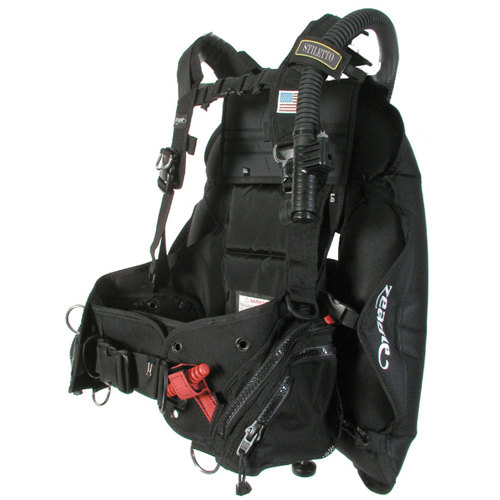
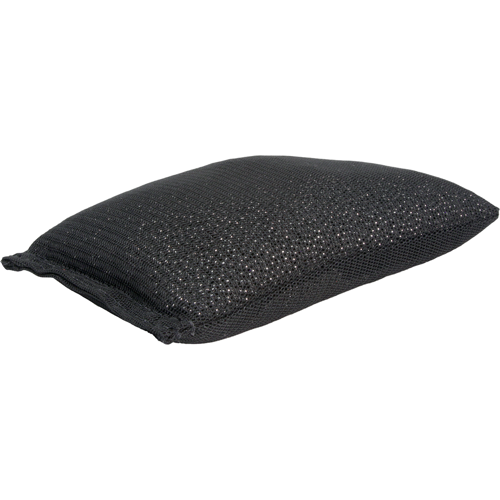
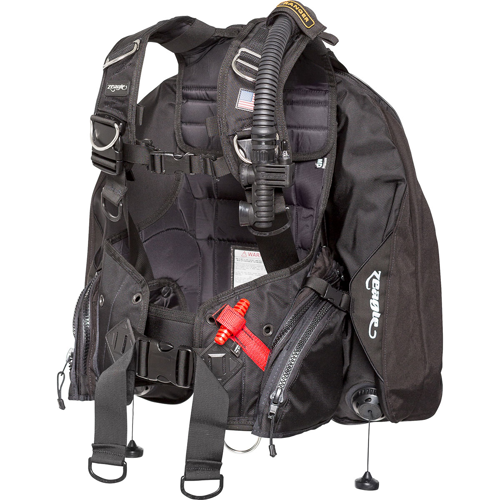
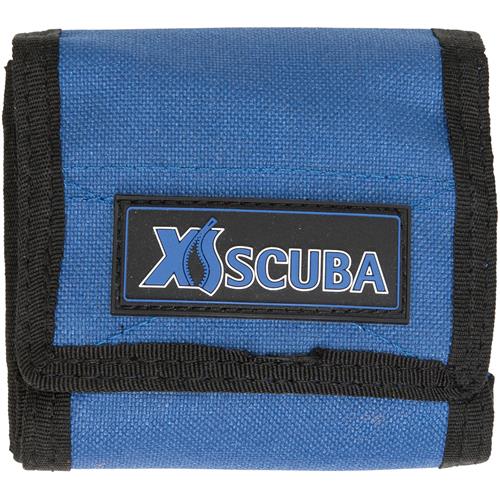
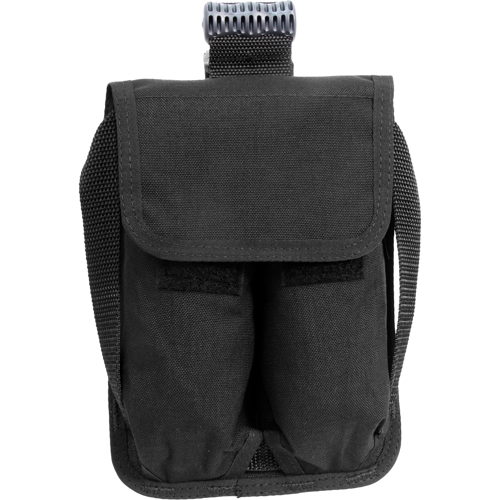
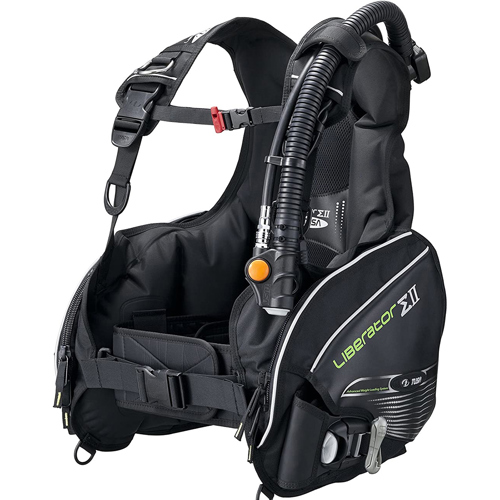
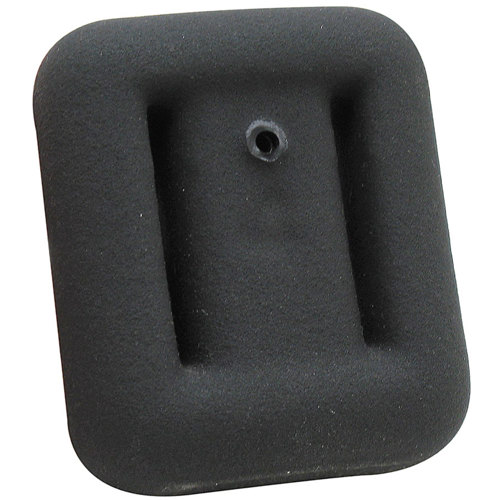
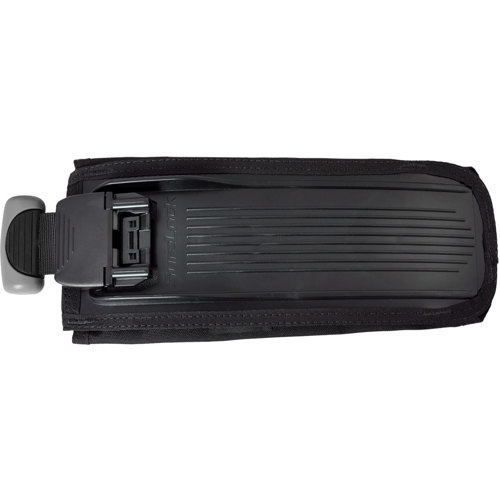
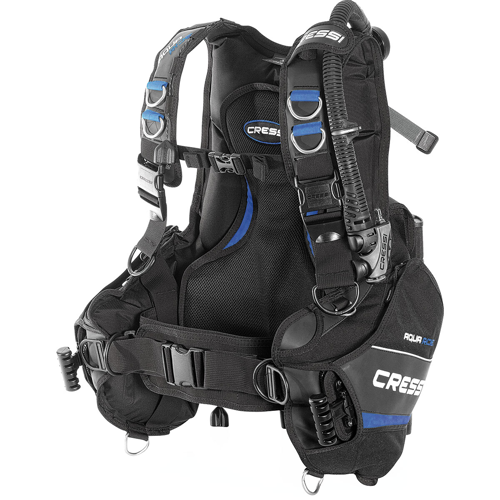
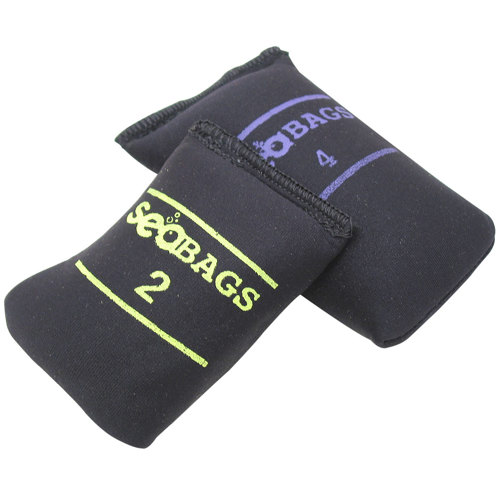
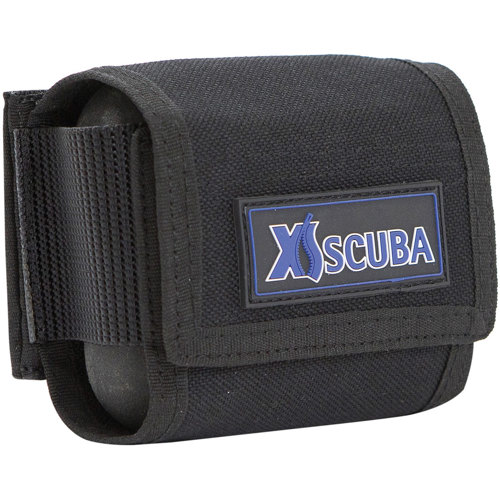
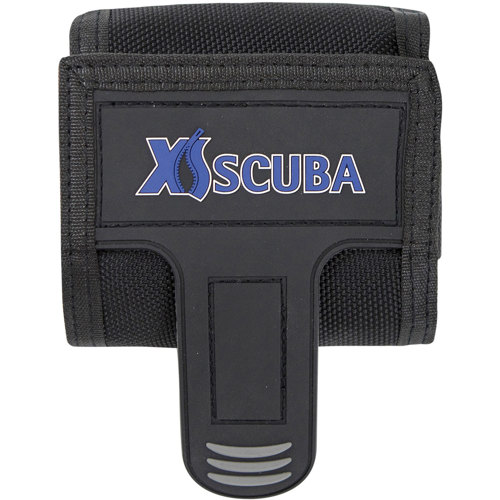
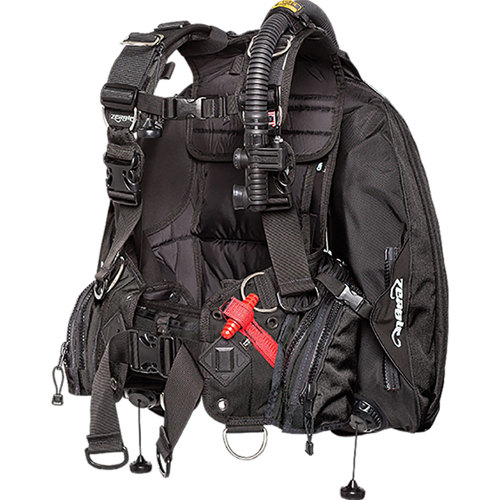
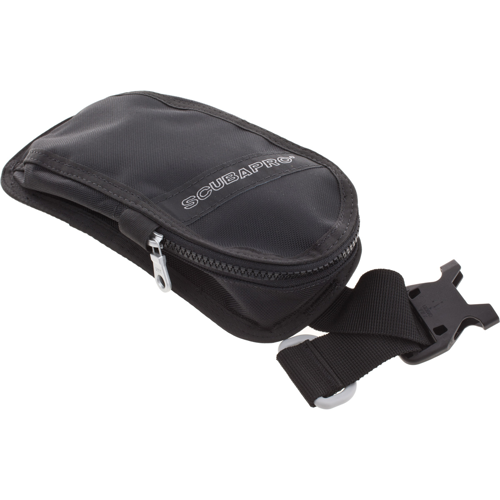
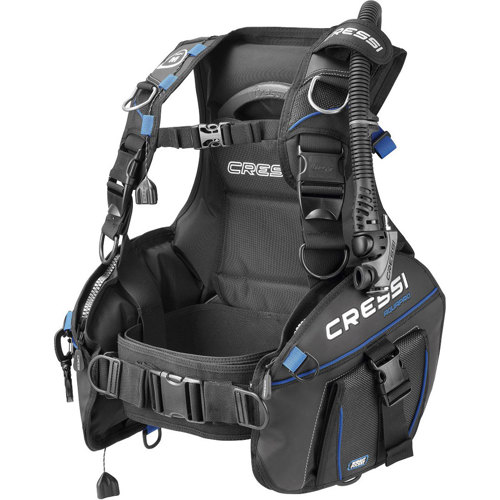
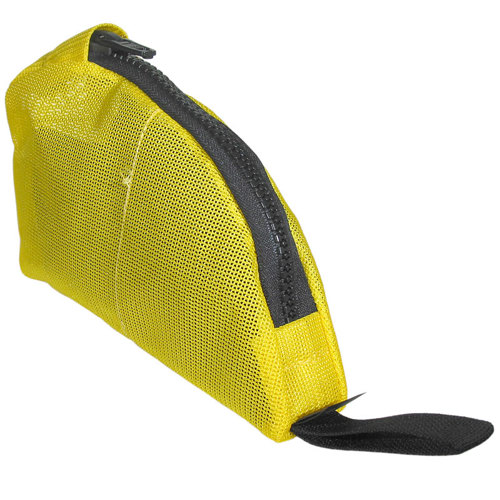
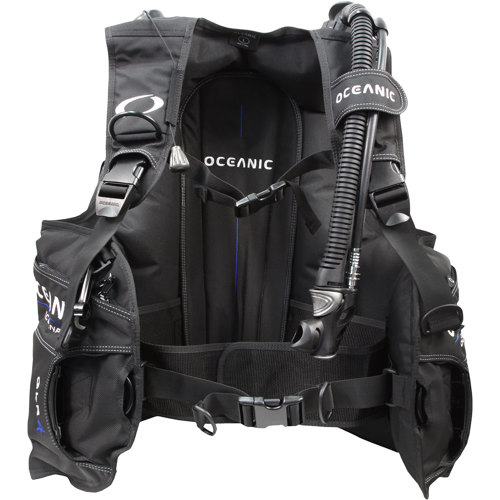
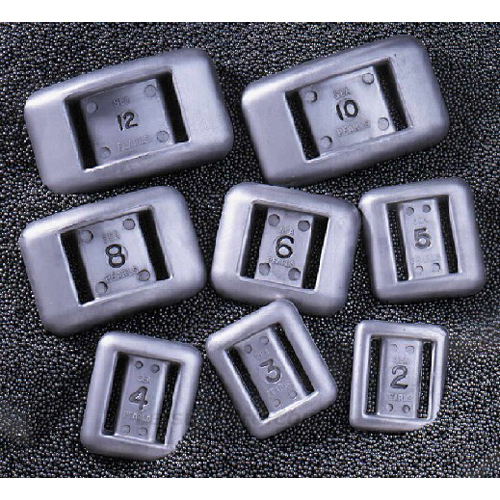
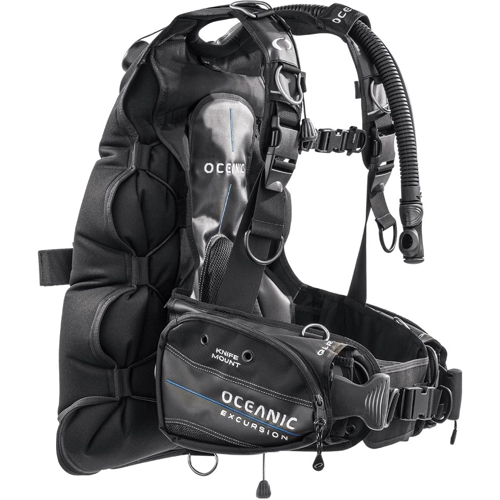
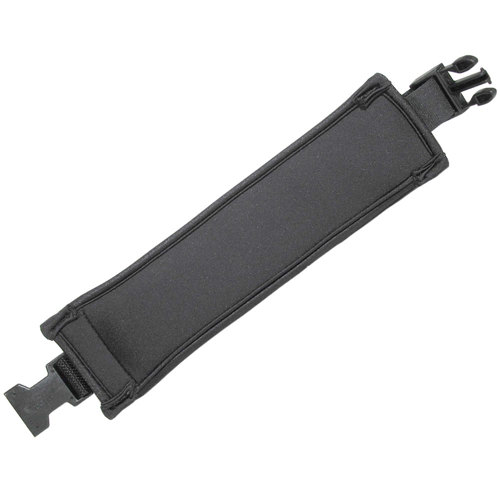
How you carry your weights is just as important as how much you use. Today’s divers have a range of options, from traditional weight belts to integrated weight pockets in BCDs and trim weights that fine-tune your position in the water. Proper distribution is key for achieving a horizontal, streamlined posture, which not only reduces effort but also minimizes disturbance to the marine environment. This becomes especially noticeable on longer dives or when exploring sites with delicate coral or silt bottoms. Many divers find themselves tinkering with different setups over time—perhaps moving from a simple belt to a harness system, or experimenting with ankle weights for improved stability. These adjustments can make a big difference, particularly for those who dive in varying conditions or switch between different gear configurations. Buoyancy control weights also make thoughtful gifts for the divers in your life, especially as friends and family plan summer trips or enroll in advanced training. They’re practical, universally appreciated, and can be tailored to individual preferences or needs, whether for a new diver building their kit or a seasoned explorer seeking more comfort and control. For women in particular, there are specialized options designed to accommodate different body shapes and suit fits; you can explore more about these tailored solutions on our
Female Buoyancy Control page.
No matter your experience level, investing in the right set of buoyancy control weights is a decision that pays off every time you slip beneath the surface. Take the time to perform regular weight checks, especially if you change equipment or dive environments. Many divers use a baseline calculation—such as 5% of body weight for a 3mm suit, or up to 10% plus a few extra pounds for a 7mm suit or drysuit—but always refine these numbers with practical in-water tests. The goal is effortless, controlled movement and the ability to pause midwater or at a safety stop without struggle. As you plan your dives through the late spring and summer months, remember that buoyancy control is the foundation of safe, enjoyable underwater exploration. With the right weights and setup, you’ll find yourself gliding more easily, conserving energy, and truly savoring every moment below the waves.