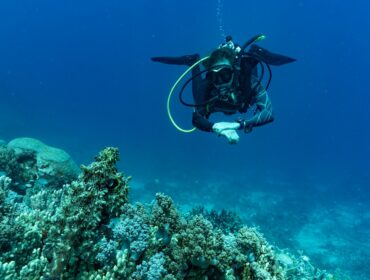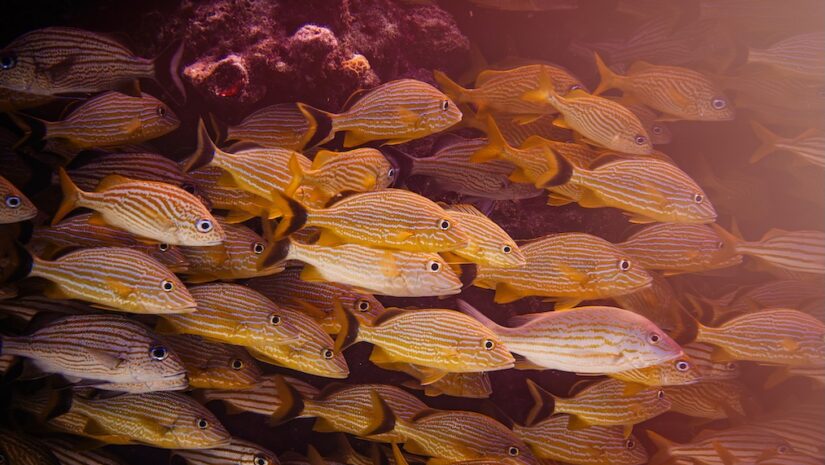
This summer I spent two days in the Florida Keys volunteering at Coralpalooza, the Coral Restoration Foundation (CRF’s annual global coral restoration event. Coralpalooza is the biggest coordinated coral restoration push of the year, with divers around the world cleaning nurseries, outplanting baby corals onto degraded reef, and getting hands-on with the work of bringing the Florida Reef Tract back from the brink. I had been wanting to do this for a while, and I want to tell you about it because I think more divers should consider participating next year.
What the Coral Restoration Foundation is actually doing
The Coral Restoration Foundation, based in Key Largo, runs the largest coral restoration program in the world. They grow staghorn and elkhorn corals in offshore nurseries, suspended on PVC structures called coral trees, and then transplant the mature corals back onto degraded sections of the reef. The Florida Reef Tract is the third-largest barrier reef on the planet, and it is in serious trouble. Heat stress, acidification, disease, and storms have all taken their toll, and the summer of 2023 produced ocean temperatures so high that entire sections of reef bleached and died within weeks. CRF is one of the few organizations operating at the scale needed to actually move the needle.
Coralpalooza is the event where they open the work to volunteer divers around the world for a coordinated weekend of restoration. You train, you dive, you contribute to a project that is genuinely larger than any one diver, and you get to see the nurseries with your own eyes.
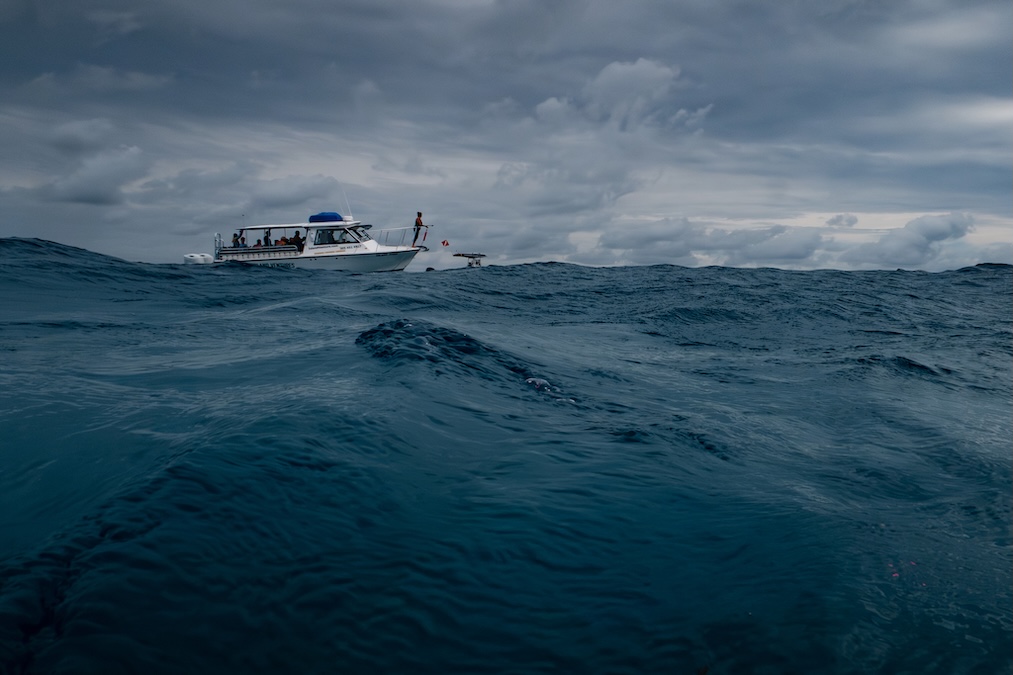
Day one: Cleaning the nurseries
The first day, the surface was choppy but the conditions underwater were workable. We descended to about thirty feet, tied off near the coral trees, and got to work cleaning. This is the half of nursery work that does not make the highlight reels, but it is essential. Algae grows on the PVC structures and the coral fragments themselves, and if it is not regularly removed it competes with the corals for light and nutrients and slows their growth. We worked with wire brushes and our hands, moving from tree to tree, scrubbing structures and pulling growth.
You are down for close to an hour. It’s weird work because you’re trying to maintain buoyancy while holding a kitchen scrub brush in a neoprene-gloved hand and giggling through your regulator at the fish who think it’s feeding time. The corals on those trees go on to be transplanted onto the reef months later. The fact that they are healthy enough to make that journey is partly because volunteers came down with wire brushes and scrubbed.
We had hoped to outplant that day as well, but conditions did not allow it. Moving baby corals from the nursery to the reef requires calmer water than we had, and the team made the right call to keep the corals safe. I am hoping to outplant next year.
Day two: Education at the reef
The second day the surf picked up further and outplanting was off the table entirely. Instead, CRF pivoted the day to a series of dives at active reef sites, with extensive education about coral biology, the species we were working with, and the restoration program itself. We got to see healthy reef alongside degraded reef and understand what success looks like up close. We learned about how the corals reproduce, how the team selects genetic strains for nursery growth, and how the outplanting process actually works on the reef substrate.
If you are coming into this as a volunteer diver with no scientific background, the education days are gold. The CRF team is genuinely passionate about what they do, and they are excellent teachers. I learned more about coral in two days than I had absorbed from of reading articles or watching TikTok, and I came up with a much clearer sense of what the restoration effort is actually trying to accomplish.
The shops that made it happen
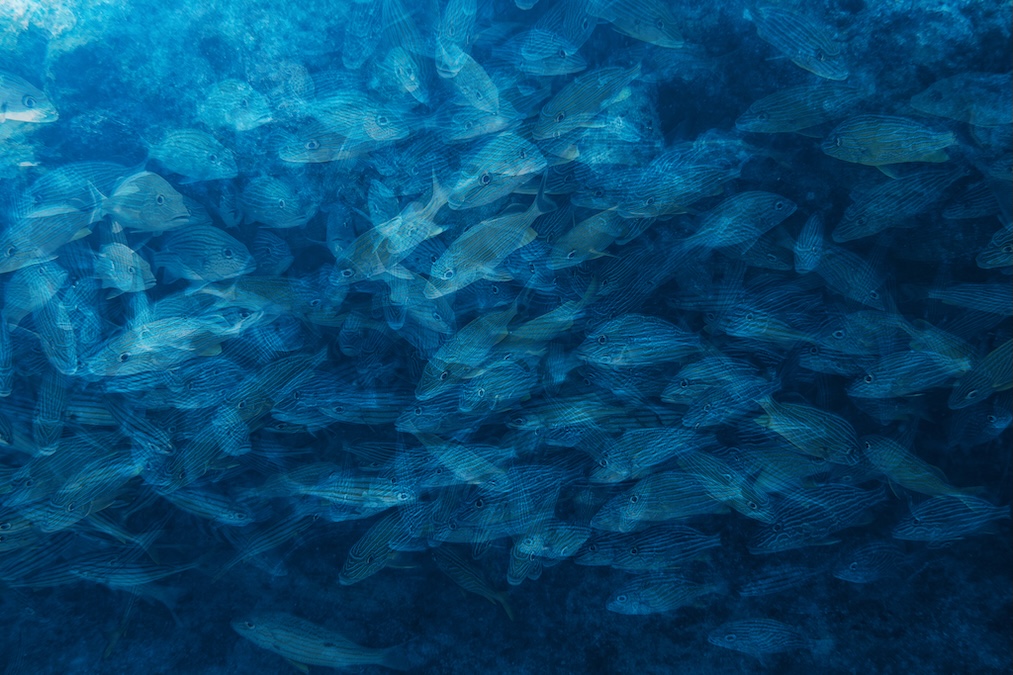
I dove out of Key Largo with two shops over the two days, and both of them were excellent. Oceans First Divers handled day one and the nursery work. They are the operator most closely associated with CRF in the area and they treat the work with the seriousness it deserves. Rainbow Reef Dive Center ran day two. Both crews were professional, knowledgeable, and clearly invested in the conservation side of the program. If you are planning to dive with CRF, either shop is a strong choice.
The CRF staff themselves are the other thing worth mentioning. Their passion is contagious. You finish a dive and you want to know more, do more, come back next year. That kind of energy is not something you can fake and they have it in spades.
What I shot with
I kept the photo setup deliberately simple for this trip. My underwater camera is a Canon PowerShot G7X in a Sea Frogs underwater housing. It is a compact, lightweight rig that lets me focus on the diving and the work rather than fussing with my bigger Ikelite/Canon R5 system, and the image quality at the depths I am shooting at is more than enough.
For a volunteer dive day where your hands need to be free for the actual work, a compact in a housing is honestly the right tool. You can clip it off, focus on the cleaning, grab the camera when something interesting happens, and not be encumbered the way you would be with a full DSLR or mirrorless setup in a port housing. If you are thinking about getting into underwater photography or pairing photo work with conservation diving, this is a setup worth considering.
How to do this next year
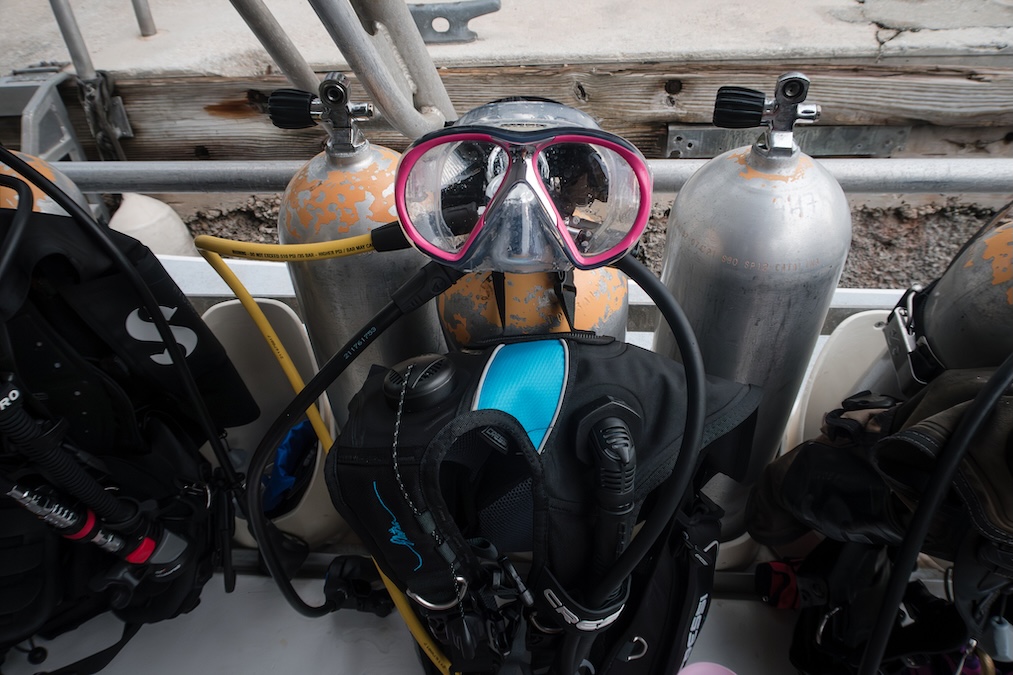
Coralpalooza happens annually, usually in early summer, and CRF runs volunteer dive programs throughout the year as well. If you are a certified diver and you want to participate, you sign up directly through the Coral Restoration Foundation. They run training via zoom in the weeks leading up to the trip, in-person training the morning of the dive, and you do not need any prior restoration experience to participate. You do need to be comfortable at thirty feet, Open Water certified, comfortable with the equipment, and willing to do real work.
You also do not need to be a photographer to come along. The work is the point. But if you are bringing a camera, the nurseries are a fascinating subject, and being part of a global event with hundreds of divers in the water doing the same work at the same time is its own kind of story worth documenting.
Why it matters
I love being in the water. I dive recreationally for the same reasons most divers do, and I am still relatively new to the sport. But spending two days with CRF reframed something for me. If you love the ocean, you owe something to the ocean. The reef is dying in real time. The organizations actively working to save it need divers who can spend a weekend with a wire brush. The work is not glamorous and it is not dramatic, but it matters, and it matters in a way that the average vacation dive does not.
I will be back next year. I hope to outplant. And if you are a diver reading this, I hope you will consider joining for Coralpalooza 2027. The corals will be waiting.