Figuring out the cost to learn scuba is one of those experiences that feels like it should come with a big, complicated price tag. In reality, the cost is more flexible than most people expect. It depends on where you learn, how you learn, and how far you want to take your training. Some divers spend only a few hundred dollars to get certified, while others invest much more as they continue into advanced or professional levels.
Understanding what is included in the cost to learn scuba helps you plan properly and avoid surprises. It also makes it easier to choose training that fits both your budget and your goals underwater.
What You Are Paying For When You Learn to Dive
A scuba course is not just a set of pool sessions or a few dives in the ocean. You are paying for structured training, safety supervision, equipment use, and certification that is recognized worldwide.
Most beginner programs include online learning or classroom sessions, confined water training, open water dives, instructor time, certification processing, and basic rental equipment. That combination is what turns a complete beginner into a certified diver capable of diving independently with a buddy.
When evaluating the cost to learn scuba, it is important to look beyond the headline number and understand what is included. A slightly higher course fee often reflects smaller class sizes, better equipment, or more instructor time in the water.
Typical Cost of Learning to Dive
The most common starting point is an entry-level certification such as the Open Water Diver course. Globally, the cost to learn scuba for this certification usually ranges between $350 and $600. This certification allows you to dive to a maximum depth of 18 meters (60 feet) with a certified buddy and is recognized in dive destinations around the world.
If you want to build more confidence after your first certification, the Advanced Diver course typically ranges from $400 to $700. This is not a full specialization course but a structured way to experience different types of diving such as deeper dives, navigation, and low visibility conditions.
Specialty training sits in a different bracket. Courses like Enriched Air Nitrox, Deep Diving, or Wreck Diving generally cost between $150 and $400 per course. These are shorter programs, but they can significantly expand where and how you dive.
For those thinking about diving professionally, Divemaster training is a major step up, where the cost to learn scuba at a leadership level usually runs between $1,000 and $2,000 or more depending on location and duration. This level includes leadership training, extended in-water practice, and assisting instructors with students.
Why Prices Vary So Much
One of the biggest questions new divers ask is why the cost to learn scuba is not the same everywhere. The answer comes down to a few key factors.
Location plays a major role. Learning to dive in a high-demand tropical destination often costs more because of boat fees, logistics, and tourism pricing. In contrast, training in local waters or less tourist-heavy regions can be more affordable, although conditions may be cooler or less clear.
Course structure also matters. Some programs are spread out over several days with plenty of practice time, while others are more condensed. More time in the water usually means a higher cost, but also more confidence-building experience.
Instructor experience can influence pricing too. Highly experienced instructors or smaller private groups may charge more, but they often provide more personalized attention. That said, newly certified instructors are also fully trained professionals and can offer excellent instruction, especially since their training is very current.
What Is Usually Included in the Price
Most scuba courses are designed to be fairly all-inclusive, but it is always worth checking before booking to understand your true cost to learn scuba.
Typically, your course fee covers training materials such as e-learning access, instructor guidance, certification processing, and rental of basic scuba equipment like regulators, buoyancy systems, and tanks. Some dive centers also include wetsuits, masks, fins, and snorkels, while others may require you to bring or purchase some personal items.
One of the most overlooked parts of value is instructor time. A good instructor is not just supervising dives, they are actively helping you build confidence, correct technique, and understand underwater awareness.
Extra Costs to Keep in Mind
Even though the course itself covers most essentials, there are a few additional factors that can impact your overall cost to learn scuba.
Personal gear is one of the most common extras. Many divers choose to buy their own mask, snorkel, fins, and sometimes wetsuit. This usually costs between $100 and $500 depending on quality and style. A well-fitting mask alone can make a noticeable difference in comfort underwater.
Travel is another factor, especially if you are learning in a destination location. Flights, accommodation, and meals can sometimes exceed the cost of the course itself.
Dive insurance is strongly recommended and typically costs around $40 to $150 per year depending on coverage. It is not the most exciting part of diving, but it is an important safety consideration.
If you continue diving regularly, equipment purchases such as a buoyancy control device, regulator, and dive computer can add $1,000 or more over time. Most new divers build their kit gradually rather than buying everything at once.
Ways to Make Learning to Dive More Affordable
There are several practical ways to reduce the cost to learn scuba without compromising training quality.
Booking package deals can often lower the overall price, especially when combining Open Water and Advanced training. Local dive centers sometimes offer better value than resort-based training because they have lower overhead costs.
Seasonal promotions are another option. Many dive schools offer discounts during quieter periods when there are fewer students.
Some divers also choose to join local dive clubs, which can provide reduced rates on training, gear, and future dive trips.
Buying second-hand equipment can save money, but it is important to have it checked by a professional before use to ensure safety and reliability.
Choosing Value Over the Cheapest Option
While it is tempting to focus purely on the lowest cost to learn scuba, training is one area where value matters more than price alone. Good training builds confidence, improves safety, and shapes your experience for every dive you do in the future.
A well-structured course with experienced instructors, proper equipment, and manageable group sizes will always feel more rewarding than a rushed or overcrowded alternative. It is worth taking time to choose a training center that feels professional and supportive.
The Real Investment You Are Making
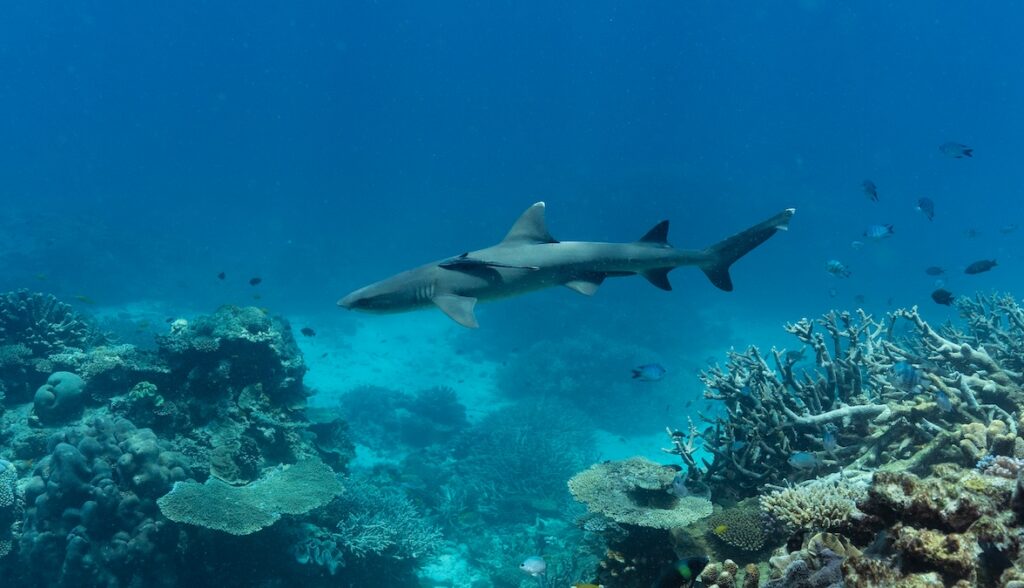
Ultimately, the cost to learn scuba is not just about money. It is also an investment in experiences. Once certified, you gain access to reefs, wrecks, marine life encounters, and environments that most people only see in documentaries.
Whether you spend $400 or several thousand dollars over time, what you are really paying for is the ability to explore a completely different world. And for most divers, that is where the value becomes very clear.