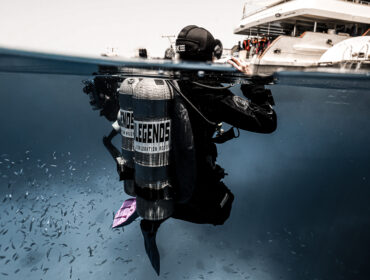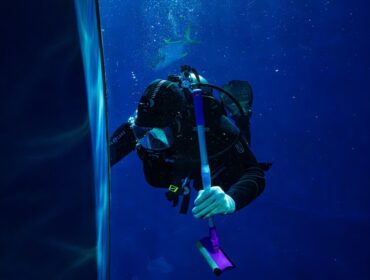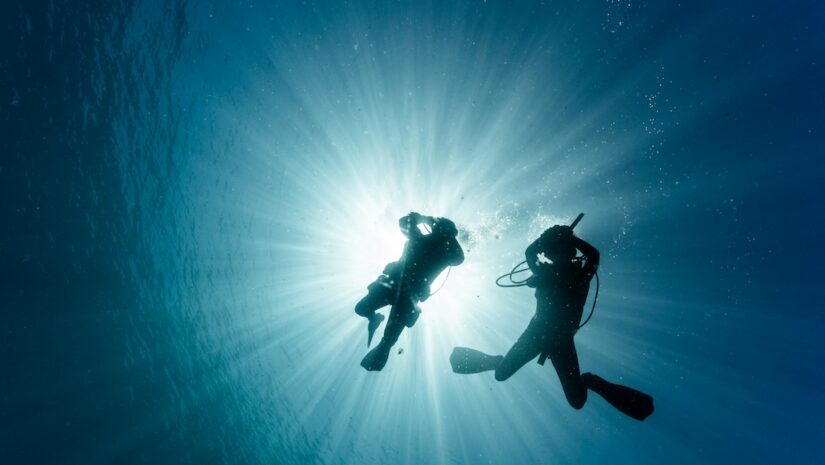
If you have ever watched divers glide over a reef and wondered what it feels like to breathe underwater, a scuba certification course is the point where curiosity turns into real experience. It is not just a set of lessons or a ticket to dive sites; it is a structured introduction to an entirely different environment where movement, breathing, and awareness all work a little differently.
Most people arrive at their first course with a mix of excitement and hesitation. That is completely normal. The good news is that scuba training is designed to build comfort step by step, not overwhelm you on day one.
What Getting a Scuba Certification Actually Gives You
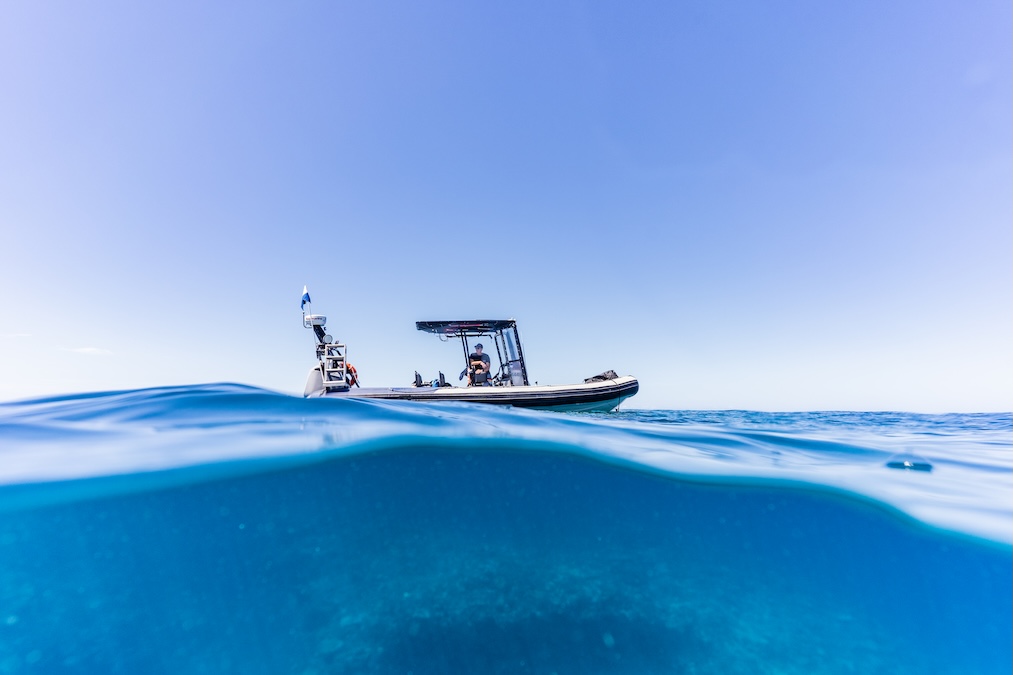
A scuba certification is what allows you to dive independently with a buddy, rent equipment, and join guided dives around the world. Without it, diving is limited to introductory experiences with an instructor, usually in very controlled conditions.
More importantly, certification teaches you how to dive safely. You learn how pressure affects your body, how to manage air supply, how to control buoyancy, and how to respond calmly if something does not go as planned. These are not abstract ideas; they are practical skills that make diving feel controlled rather than chaotic.
There is also a quieter benefit that many new divers do not expect. Training changes how you interact with the ocean. You start thinking about movement, impact, and awareness in a different way, which naturally leads to more responsible diving habits.
How the Training Works
A typical scuba certification course is divided into three parts: theory, confined water sessions, and open water dives. Each stage builds on the last, and none of them are designed to be rushed.
The theory portion is usually completed online before you enter the water. It covers essential topics like equipment use, dive planning, safety limits, and underwater communication. This stage is more important than it might first appear. Understanding the basics beforehand means you spend less time trying to absorb information underwater and more time actually enjoying the experience.
Confined water training takes place in a pool or very calm, shallow water. This is where you learn core skills like clearing a flooded mask, recovering a regulator, controlling buoyancy, and making controlled ascents. Everything is broken into small steps and repeated until it feels natural.
Open water dives are where everything comes together. These are real dives in the ocean or a lake, where you apply what you have learned in a natural environment. For many students, this is the moment when diving stops feeling like training and starts feeling like exploration.
Who Can Become a Diver
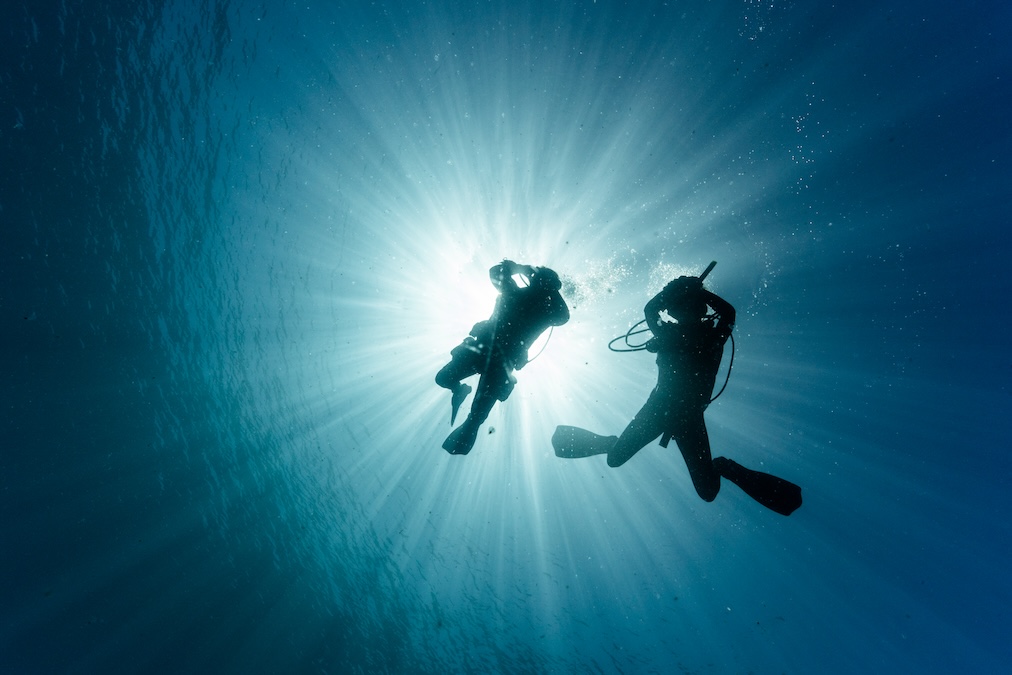
You do not need to be an athlete or an expert swimmer to start a scuba certification course. You just need to be comfortable in the water and willing to learn at a steady pace.
Most entry-level courses accept younger divers from around ten years old, with depth limits adjusted accordingly. Adults of any age can start, as long as they meet basic health requirements.
Before training begins, you will complete a medical questionnaire. This is not meant to exclude people unnecessarily, but to ensure it is safe for you to dive. In some cases, a doctor’s clearance may be required.
Swimming ability is also assessed, but it is simple. You need to be able to swim a short distance and stay afloat calmly. Speed is not important. Comfort is.
What You Will Actually Learn
A well-structured scuba certification course focuses heavily on practical skills that make you comfortable underwater, not just theory.
You will learn how to set up and check equipment properly so nothing is missed before a dive. You will practice buoyancy control until you can hover without effort, which is one of the most important skills in diving. And lastly, you will also learn underwater communication using hand signals. This becomes your primary language below the surface.
Some skills feel unusual at first, such as removing your mask underwater or breathing from a backup regulator. However, these are introduced gradually and practiced repeatedly in a controlled environment. The goal is not perfection on the first try, but familiarity through repetition.
One of the biggest milestones for most new divers is achieving neutral buoyancy. When it clicks, the sensation of weightlessness replaces the feeling of effort, and everything becomes noticeably easier.
Preparing Before You Start

You do not need intense fitness training before a scuba certification course, but a little preparation helps.
Light swimming or regular time in the water can improve comfort, especially if you have not swum recently. Simple stretching can also make it easier to handle equipment and move efficiently underwater.
Mental preparation matters just as much. Many beginners worry about breathing underwater or feeling trapped. These concerns usually fade quickly once training begins, because everything is introduced slowly and under supervision.
It also helps to arrive rested, hydrated, and not overfed before training sessions. Diving is not physically exhausting in the way some sports are, but comfort in the water makes a noticeable difference to learning speed.
Choosing Where to Train
The dive center you choose has a big impact on your experience. A good training environment is calm, supportive, and structured. Instructors should take time to explain skills clearly and never rush you through steps you do not feel comfortable with.
Small group sizes are especially valuable. They allow more individual feedback and reduce pressure during early skill development.
Many divers choose internationally recognized training systems so they can continue learning in different parts of the world with consistent standards. Using a global dive center locator or researching reviews can help you find reputable options wherever you plan to train.
Common Concerns Before Starting
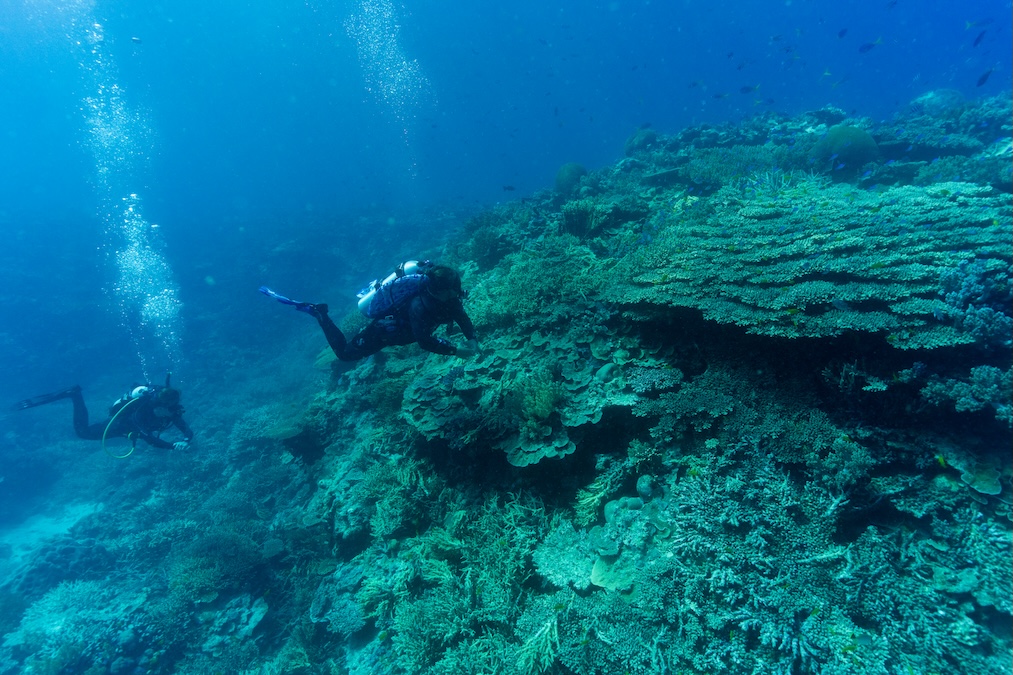
A frequent concern is whether diving feels claustrophobic. In practice, most beginners find the opposite. Because breathing is slow and controlled, many describe it as calming rather than restrictive.
Another concern is equalizing pressure in the ears. This is taught early in the course and becomes second nature with practice. It is not something you are expected to figure out on your own.
Equipment is another common question. You do not need to buy everything before your course. Most training programs provide all necessary gear, which also gives you time to understand what you prefer before making any purchases.
Why Learning to Dive Is Worth It
A scuba certification course is more than a qualification. It is often the start of a long-term relationship with the ocean. It builds confidence, encourages patience, and offers a completely new way of experiencing travel and nature.
Many divers also find that it changes how they think about marine environments. Slower movement, better awareness, and respect for fragile ecosystems become part of how they dive naturally over time.
If you have been considering learning to dive, the most important thing to know is that you do not need to be fully ready before you start. The training is designed to take you from curious beginner to confident diver in a structured, supportive way.