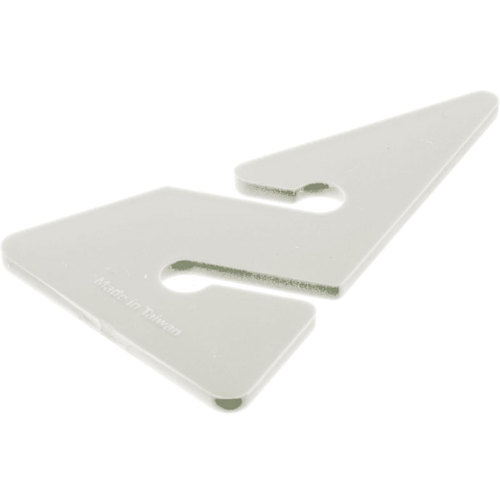
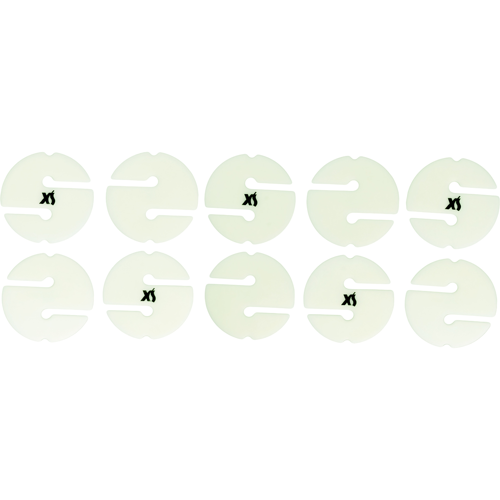
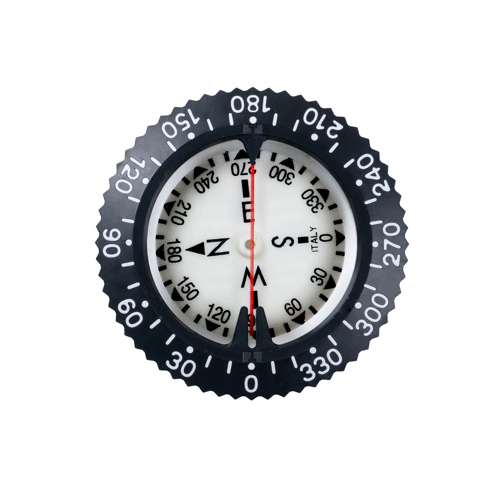
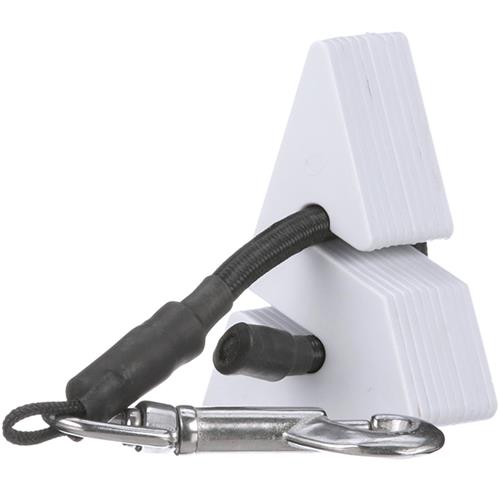
Wreck diving navigation markers are indispensable tools for divers exploring submerged shipwrecks, where the interplay of history and mystery is often matched by the complexity of the environment. Inside these structures, visibility can drop rapidly due to stirred-up silt or shifting currents, making it easy to lose one’s bearings even on familiar dives. Navigation markers—such as line arrows, cookies, and tactile markers—are designed to provide clear, reliable orientation in these challenging conditions. Line arrows, often referred to as Dorff arrows, are shaped to indicate the direction of the nearest exit, which is critical for ensuring a safe return, especially when moving through narrow passageways or multi-level compartments where confusion can set in quickly. Cookies, on the other hand, are non-directional markers, typically circular or uniquely shaped, that divers use to mark specific locations, junctions, or decision points. These markers can be highly personal, often marked or notched for individual identification, and serve as silent signposts for both the diver and their team. Placement markers, whether brightly colored or textured for tactile recognition, are designed to be easily attached and removed from guidelines, allowing divers to mark entry points, notable features, or the point where a team member has passed.
For anyone venturing into wrecks—whether you’re a seasoned technical diver or an advanced recreational explorer—understanding and using navigation markers is a critical skill. These markers are not just for solo adventurers; they’re essential for teams, helping maintain group cohesion and communication, especially in environments where hand signals or spoken words are impossible. Divers often develop their own system of marker placement and identification, ensuring that each member of a team can interpret the markers quickly and accurately in low-visibility scenarios. The thoughtful use of navigation markers can also transform a challenging dive into a safer, more enjoyable experience, allowing divers to focus on the thrill of discovery rather than the anxiety of finding the way out. For those looking to gift gear to a wreck diving enthusiast, navigation markers make a practical and thoughtful choice—compact, affordable, and absolutely vital for anyone who loves to explore the hidden corridors of sunken vessels. As the weather warms and dive conditions become more inviting through late spring and into the heart of summer, more divers take to the water to explore new sites or revisit favorite wrecks. Having a reliable set of navigation markers ensures that every dive, whether it’s a solo exploration or a team expedition, is approached with both confidence and caution.
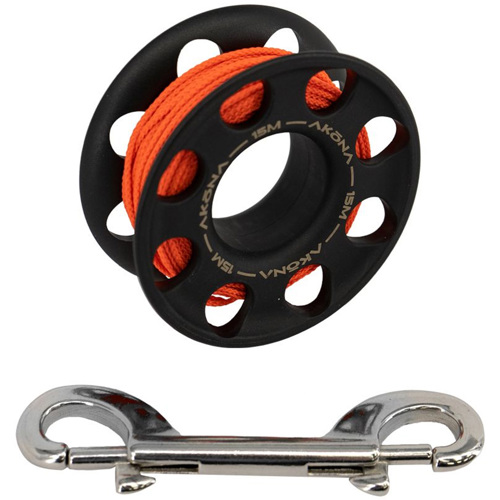
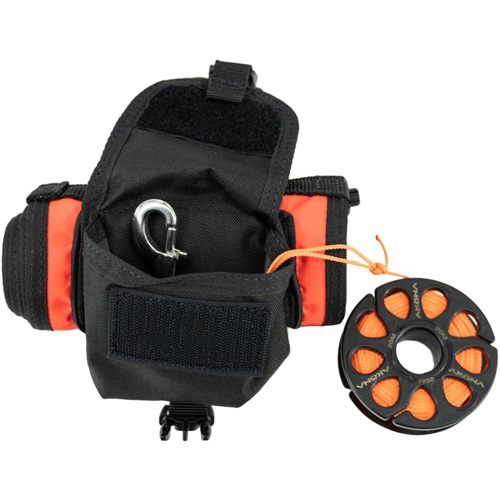
Proper training is essential for the effective use of these tools. Divers are taught not only how to place and retrieve markers, but also how to communicate their meaning to teammates and avoid creating confusion for others who may follow. For those interested in expanding their knowledge or upgrading their equipment, a broader selection of navigation aids—including reels, spools, and reference slates—can be found in our dedicated
Scuba Navigation Aids collection. Whether you’re preparing for a summer of adventure or planning dives during the cooler months, investing in high-quality wreck diving navigation markers is a key step toward safer, more organized, and ultimately more rewarding underwater exploration. The right markers become trusted companions, guiding you through the silent corridors of history and back to the surface with stories to share.