Diving Navigation Guides
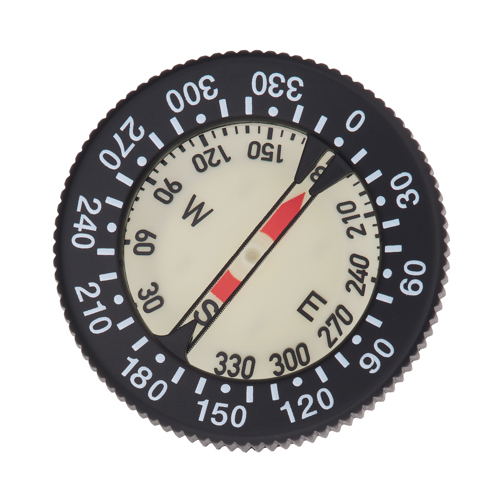
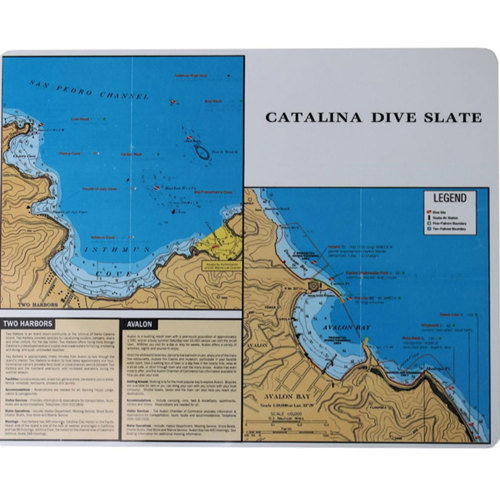
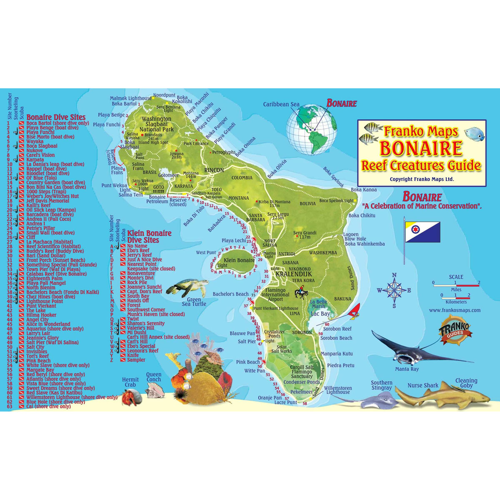
Navigating underwater is a skill that transforms every dive, whether you’re exploring familiar coastal reefs or venturing into new marine environments as the weather warms and dive conditions become ideal. For many divers, mastering underwater navigation means more than just following a compass heading—it’s about building confidence, enhancing safety, and unlocking the ability to discover hidden features beneath the surface. Diving navigation guides play a crucial role in this journey, offering practical advice, step-by-step techniques, and the kind of real-world wisdom that only comes from time spent in the water. These guides are invaluable for anyone looking to refine their compass work, learn the art of natural navigation using environmental cues, or understand the principles behind scuba dead reckoning navigation. From pre-dive planning and site mapping to identifying landmarks and calculating reciprocal headings for the return trip, a comprehensive navigation guide helps divers anticipate challenges and make informed decisions underwater. This is especially important when visibility drops or currents shift, and a diver’s ability to interpret subtle clues—like sand ripples, reef contours, or the angle of sunlight—can make all the difference between a routine swim and a memorable adventure.
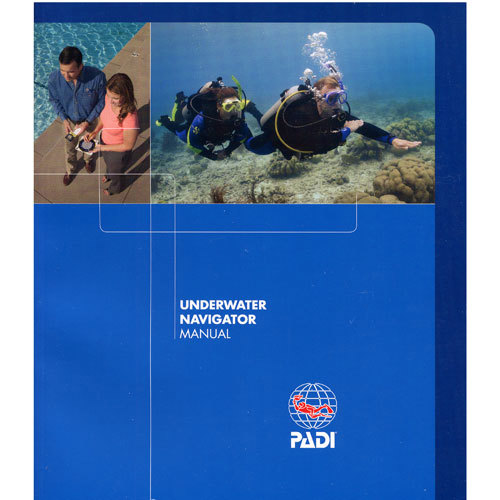
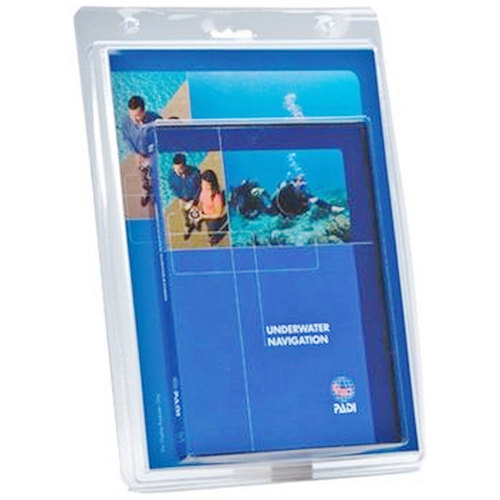
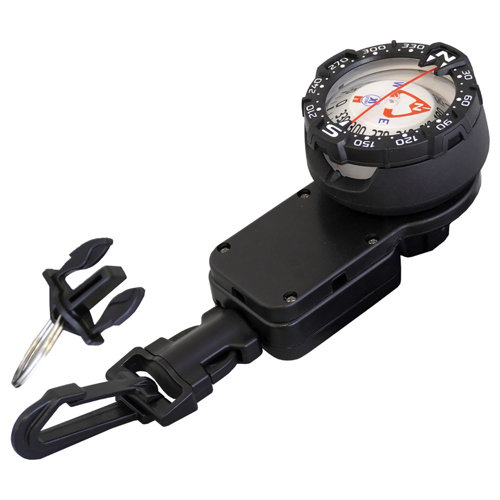
Diving navigation guides are designed to support a wide range of users, from beginners eager to build foundational skills to seasoned divers looking to sharpen their techniques for more challenging conditions. They’re a thoughtful gift for new divers who want to boost their confidence, for experienced buddies planning complex multi-leg dives, or for anyone preparing for specialty courses such as the Underwater Navigator certification. These guides often break down essential techniques like counting fin kicks to estimate distance, using a compass to set and maintain bearings, and establishing a reliable return path by memorizing underwater scenery. Many also offer insights on working as a team—assigning one diver to manage the compass while another tracks distance or watches for landmarks—making them useful for both solo study and group training. As dive trips and vacations become more popular during late spring and summer, having a trusted navigation guide on hand means you can explore new sites with greater independence and safety. For those interested in expanding their toolkit beyond written resources, it’s worth exploring the latest advancements in navigation technology; a curated selection of
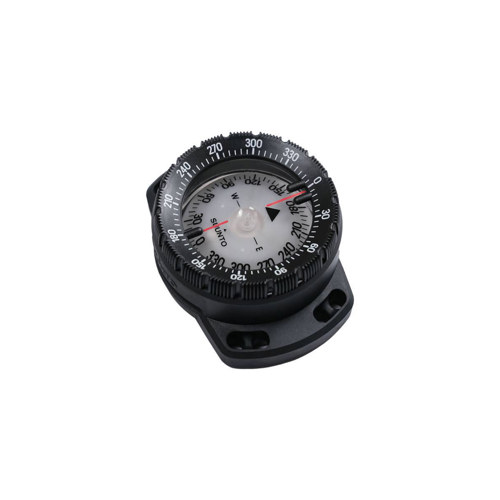
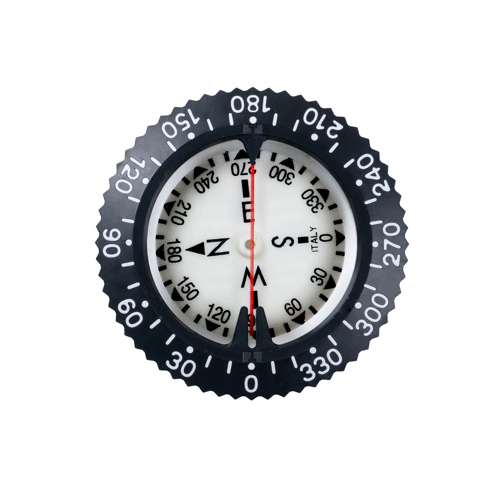
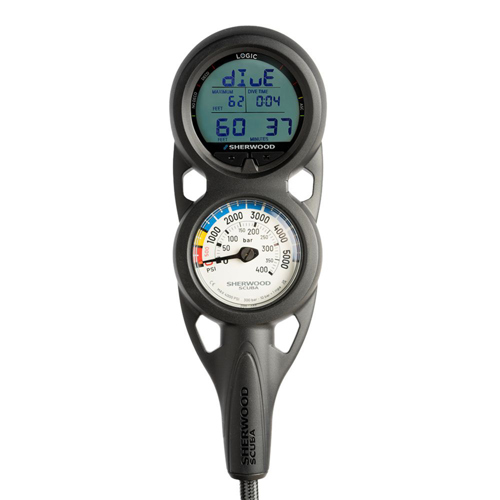
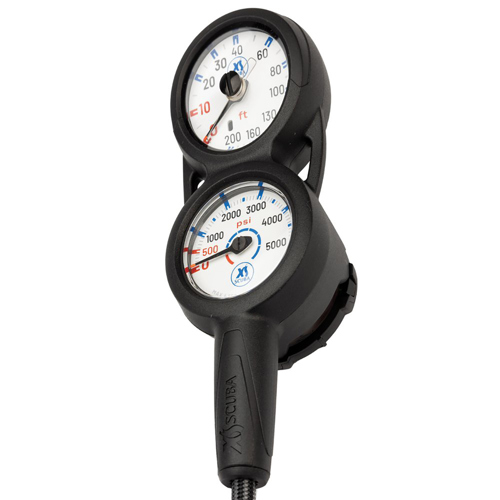
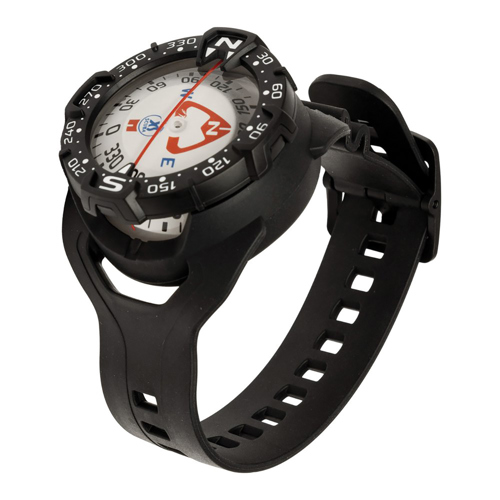
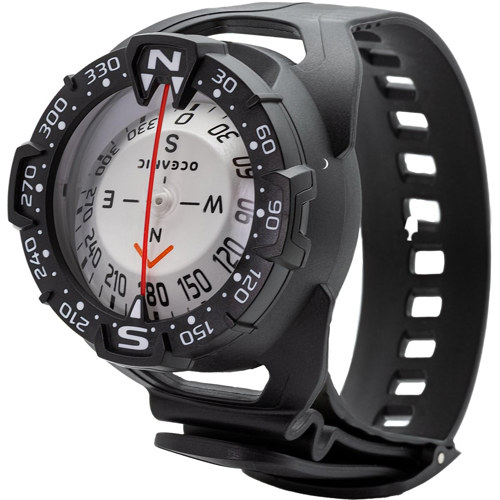
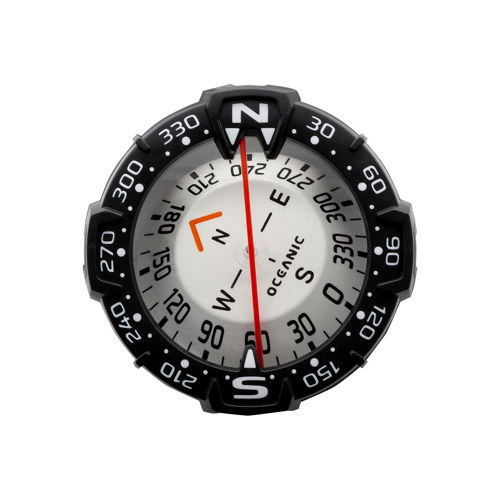
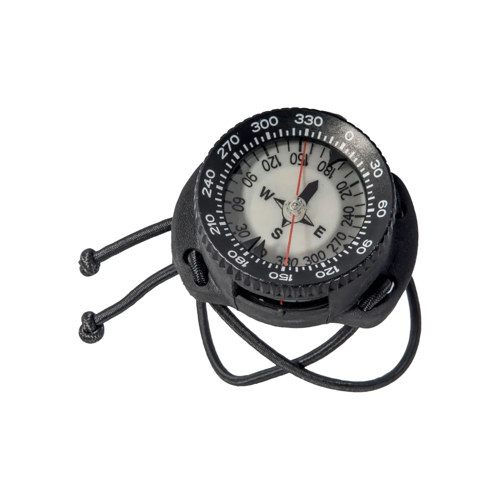
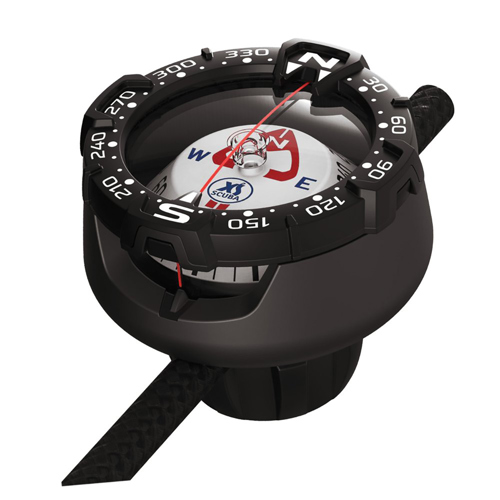
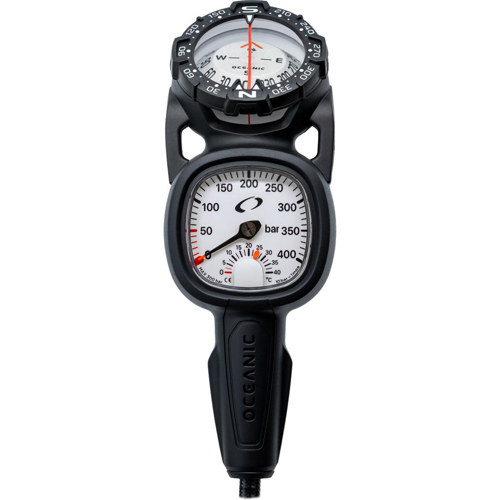
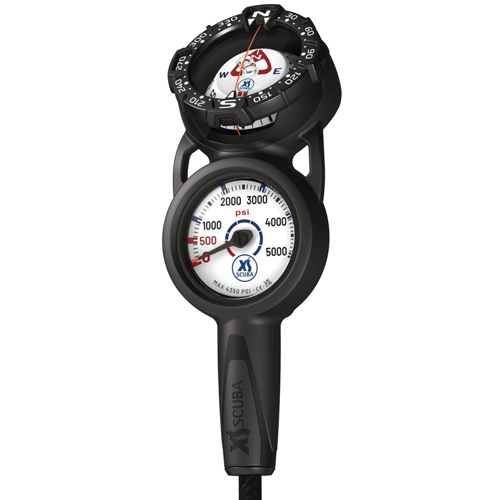
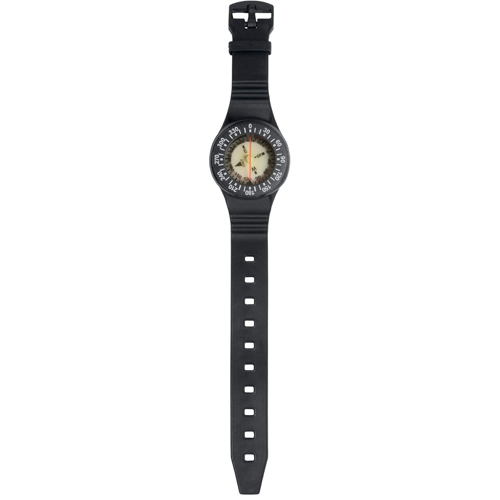
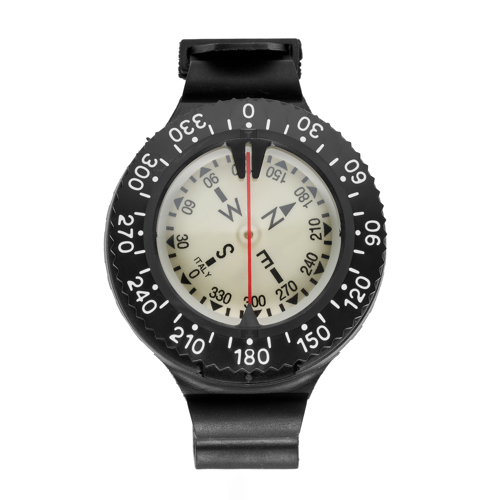
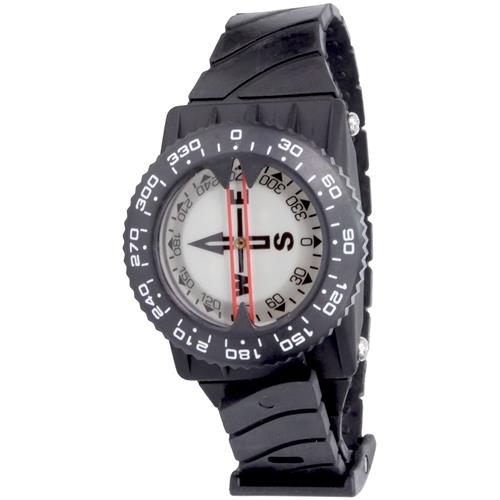
Diving Navigation Devices can complement your learning and provide extra assurance when conditions are unpredictable.
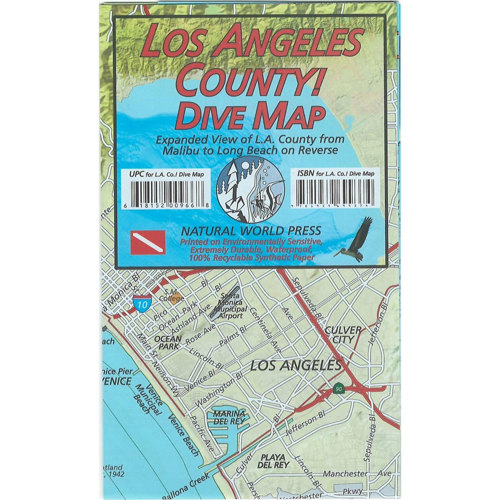
Investing in a quality diving navigation guide is about more than just following directions—it’s about developing a deeper awareness of your surroundings and building the skills to handle unexpected situations. Many divers recall moments when a well-timed glance at a mapped landmark or a quick check of the compass made the difference between surfacing exactly where planned or having to signal for assistance. These guides encourage regular practice, both on land and in water, so that techniques like holding a compass level, avoiding magnetic interference from tanks or wrecks, and adjusting navigation legs for low visibility become second nature. They also emphasize the importance of reviewing site maps, noting surface landmarks before descending, and establishing a clear plan for each leg of the dive. Whether you’re preparing for a local shore dive, a boat trip to a new site, or simply looking to brush up on your skills as part of your summer diving goals, a reliable navigation guide is an essential resource. It empowers you to explore with confidence, return safely, and make the most of every underwater journey, no matter where your adventures take you.