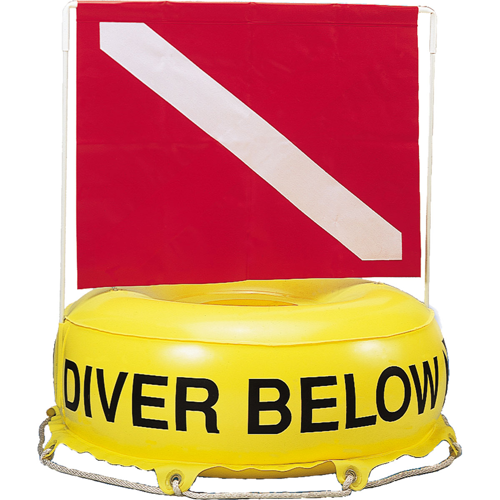
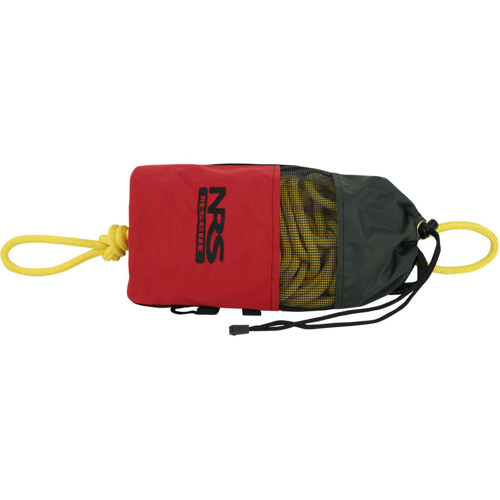
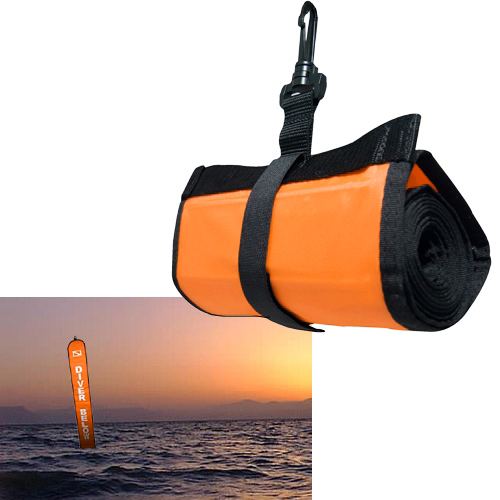
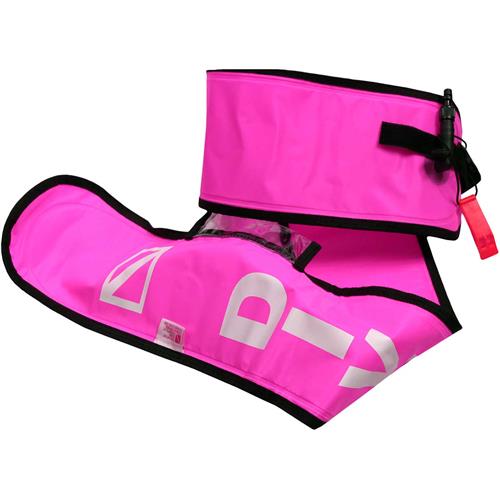
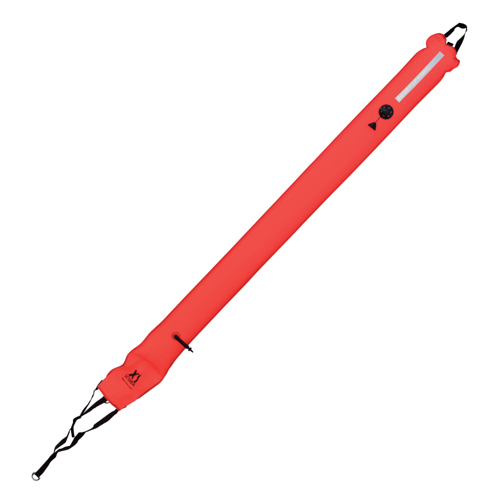
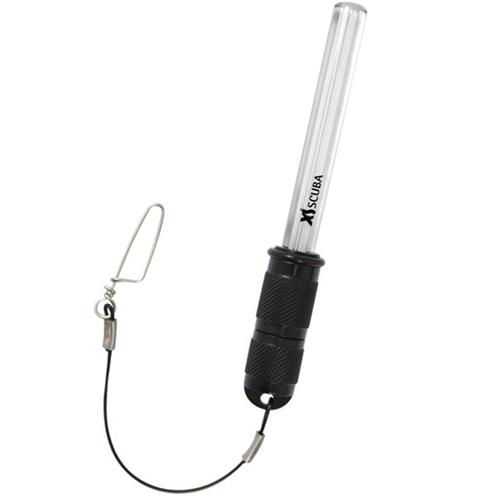
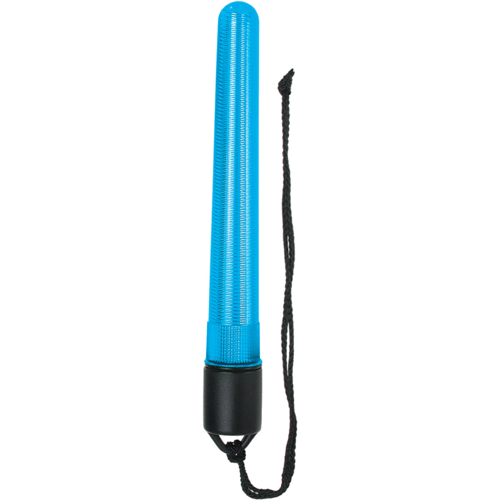
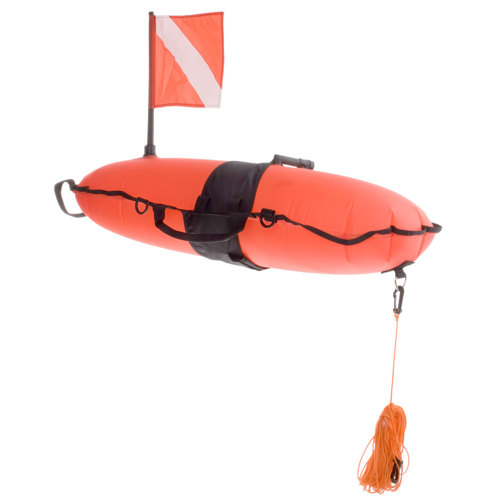
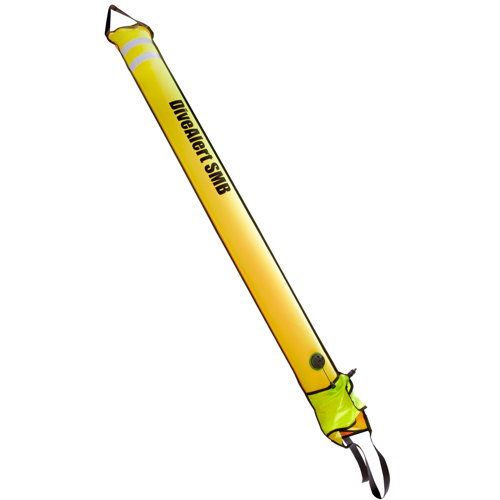
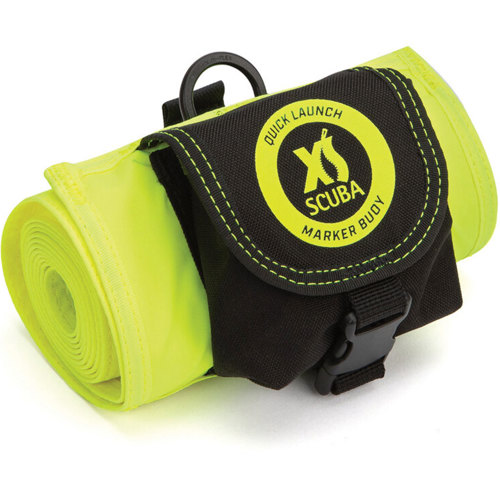
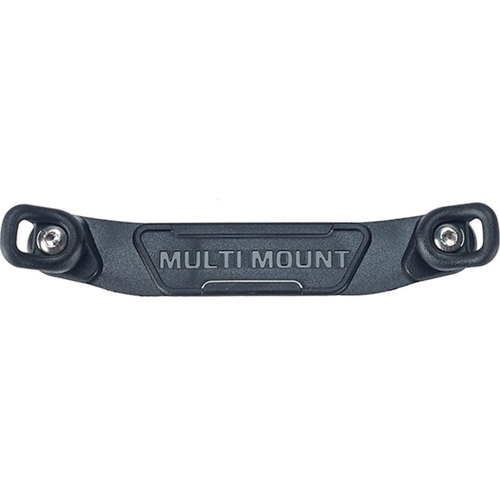
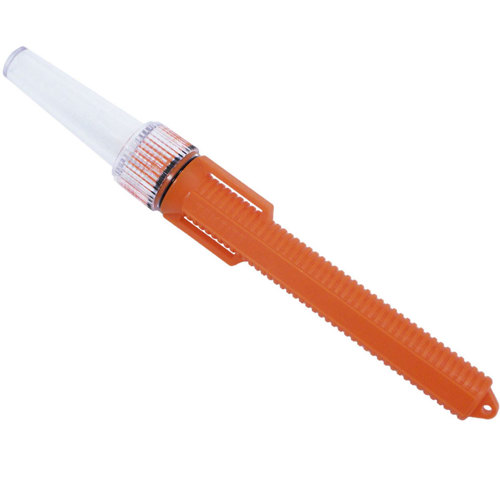
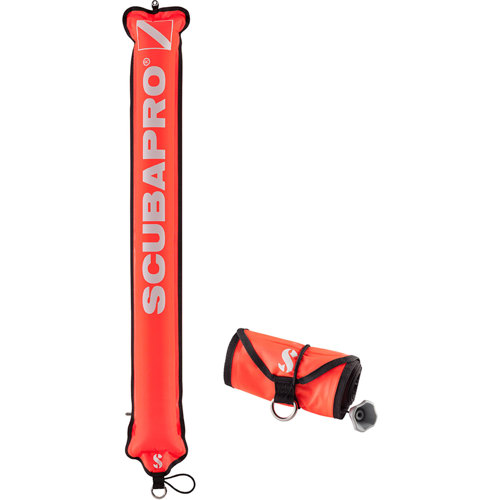
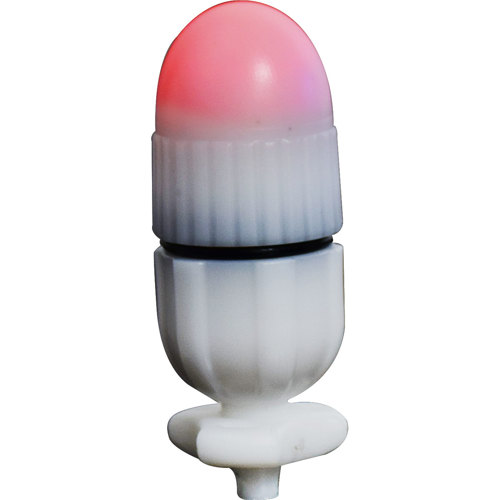
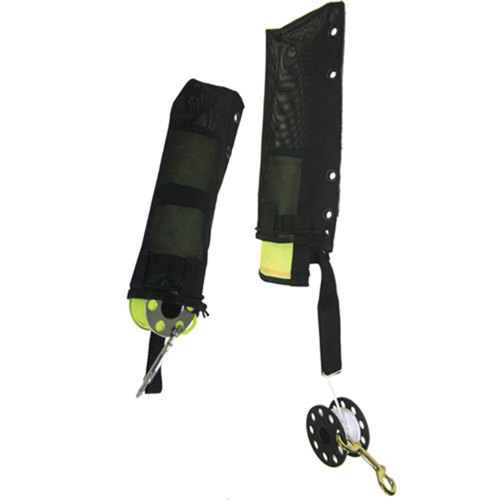
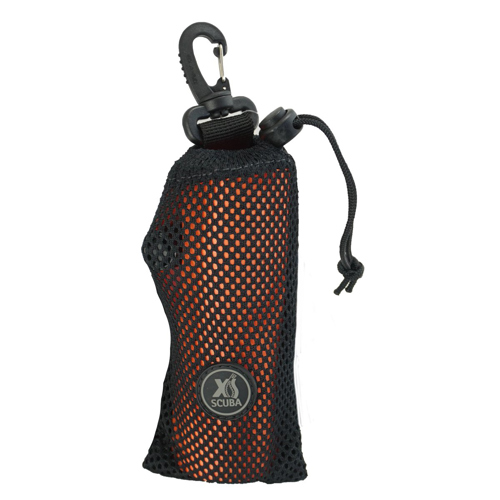
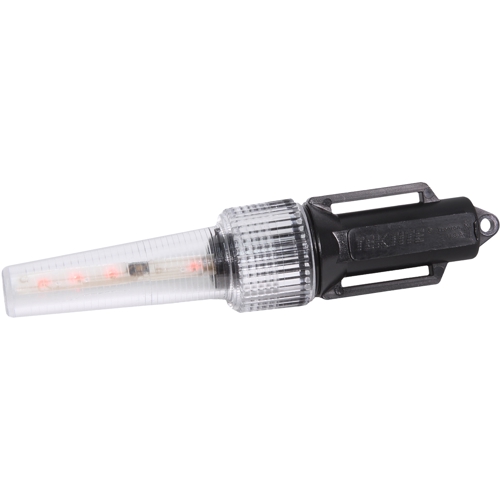
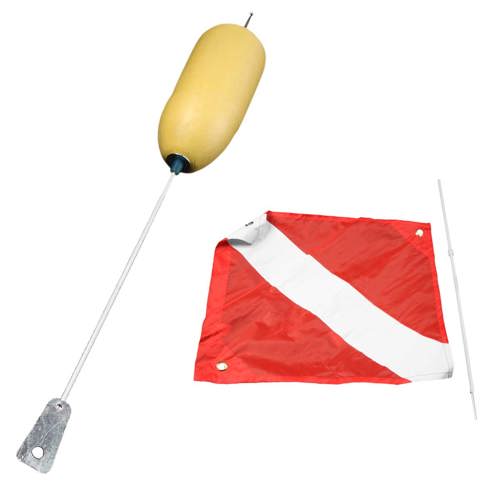
Diving rescue markers are essential pieces of safety equipment for anyone venturing beneath the surface, whether exploring local reefs in balmy summer waters or navigating deeper, cooler sites as the season shifts. These tools, which include inflatable Surface Marker Buoys (SMBs), fluorescein dye packs, and directional line markers, are designed to maximize a diver’s visibility and orientation in a variety of underwater environments. For recreational divers enjoying open-water adventures, a brightly colored SMB or delayed SMB (DSMB) is often clipped to a BCD or stowed in a pocket, ready to be deployed during ascent or in the event of separation from a group. Inflatable rescue markers, typically in high-visibility orange or yellow, can be launched from depth with a finger spool or inflated at the surface, providing a clear visual cue to boat traffic and surface support teams. This added visibility is especially valuable during the longer daylight hours and increased boating activity that come with warmer weather. Technical divers, cave explorers, and wreck enthusiasts rely on line markers—directional arrows and cookies—to safely navigate overhead environments, marking their path and ensuring a reliable route back to the exit even in low-visibility or complex conditions. These compact markers are highly personal, often customized with initials or color codes, and are indispensable when diving in new or challenging sites.
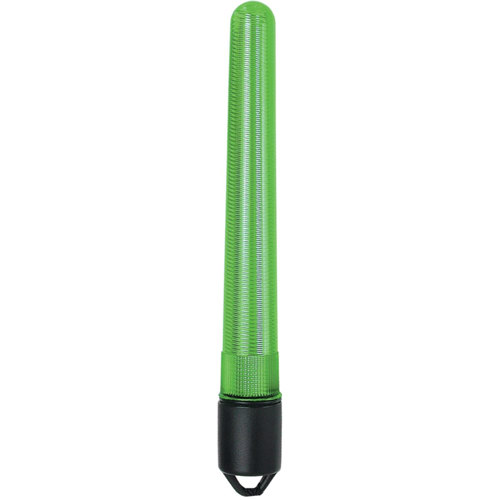
Fluorescein dye markers offer another layer of safety, particularly in open water or emergency scenarios. Small, waterproof ampoules of dye can be carried easily in a drysuit or BCD pocket and deployed to create a vivid green or yellow stain on the surface, dramatically increasing the chances of being spotted by rescue boats or even aircraft. This can be a literal lifesaver if a diver is separated from their group or surface support in choppy seas, at dusk, or during changing weather conditions. Many seasoned divers recount stories of how a simple rescue marker made all the difference—whether signaling for pickup after a drift dive or marking their location when surfacing far from the boat. For instructors, dive leaders, and anyone guiding groups, having reliable rescue markers is not just a matter of personal safety but a professional responsibility. These products also make thoughtful, practical gifts for new divers, dive buddies, or anyone expanding their skill set, as they represent a commitment to safe and responsible diving practices. As dive trips and group outings become more frequent with the arrival of summer, adding or upgrading a rescue marker to your kit is a smart move for peace of mind and preparedness.
When choosing the right diving rescue marker, consider your typical dive environment, experience level, and the type of diving you most often enjoy. Recreational divers might prioritize ease of deployment and compact storage, while technical or overhead environment divers will look for durable line markers and reliable SMBs that can be deployed from depth. Visibility, inflation method, and storage options are all important factors—look for features that match your needs and preferences, whether you’re gearing up for a weekend shore dive or planning a more ambitious expedition. For those interested in expanding their surface signaling options, it’s also worth exploring related safety gear like
Dive Marker Flags, which can further enhance your presence and communication with surface vessels. Investing in the right rescue marker is a practical step that supports safe diving practices throughout the busy dive season and beyond, giving you and your dive team greater confidence to explore with security and clarity.