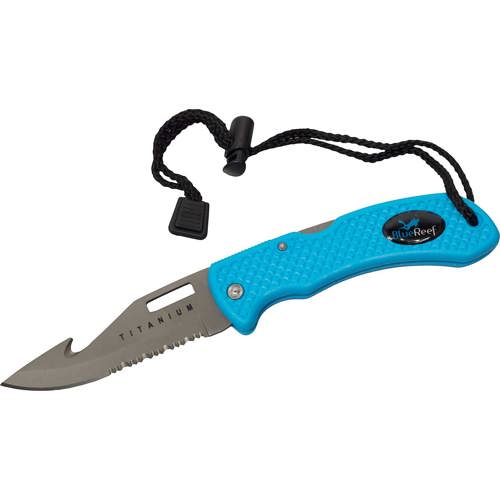
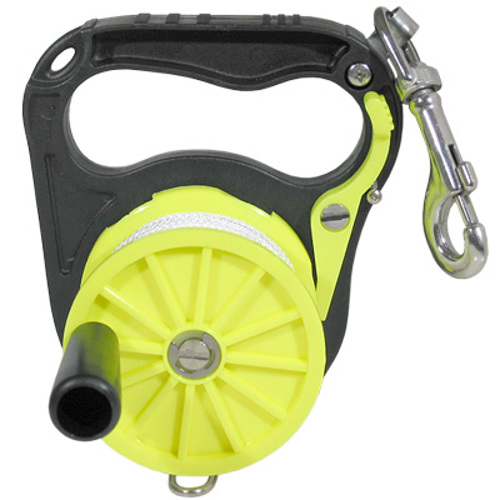
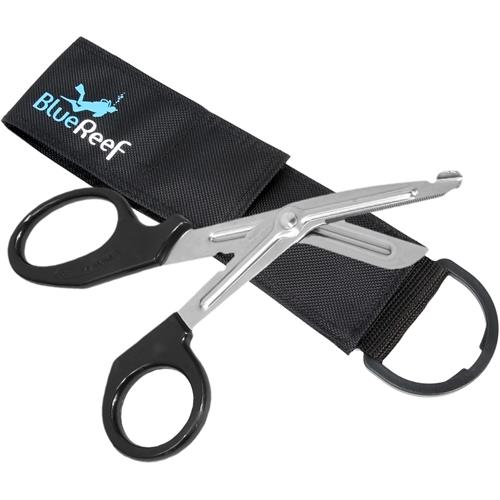
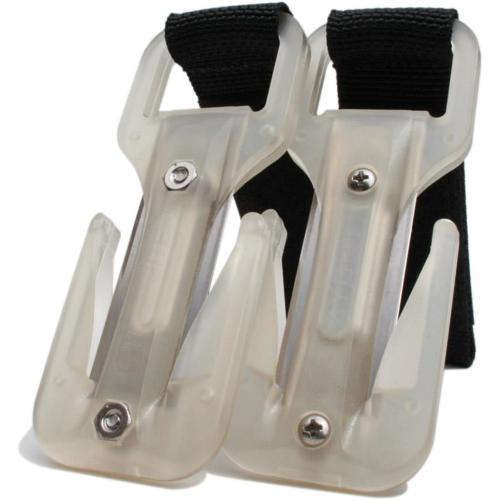
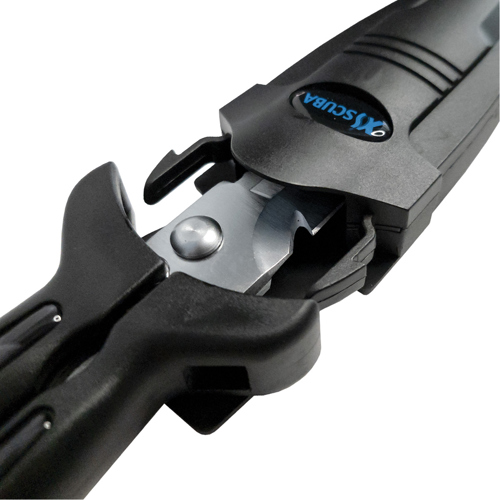
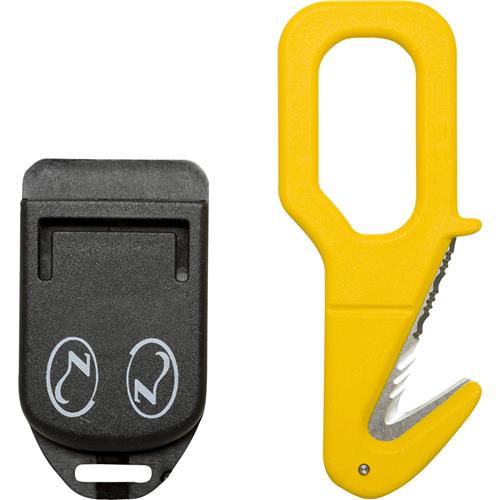
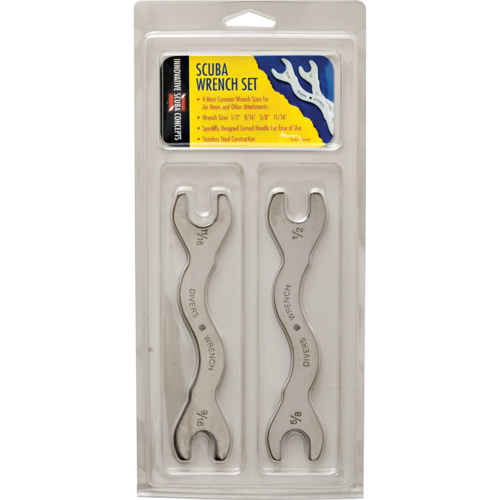
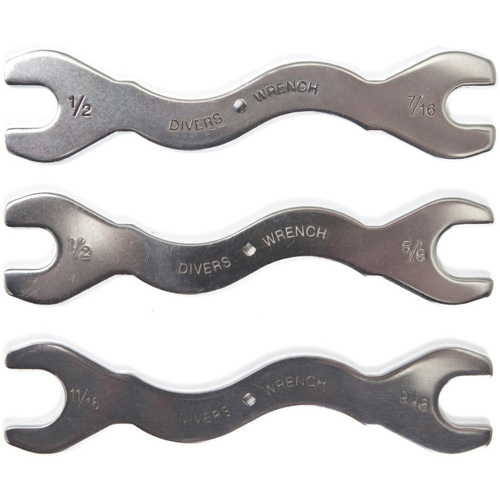
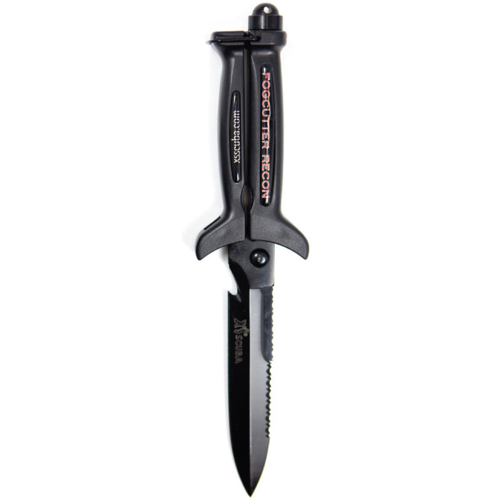
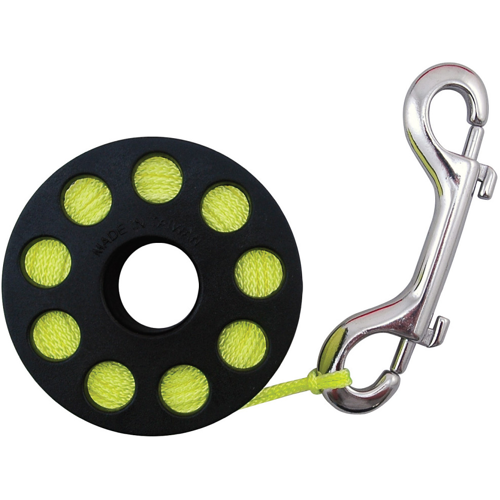
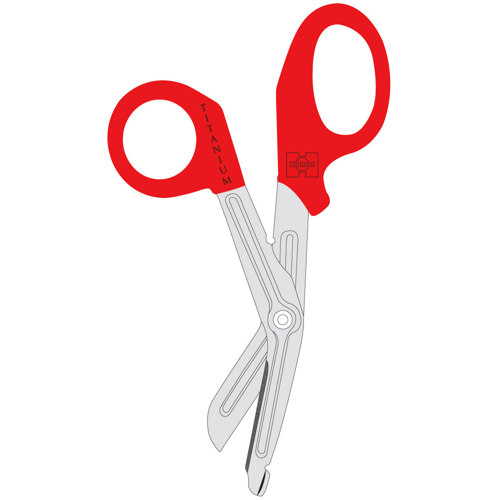
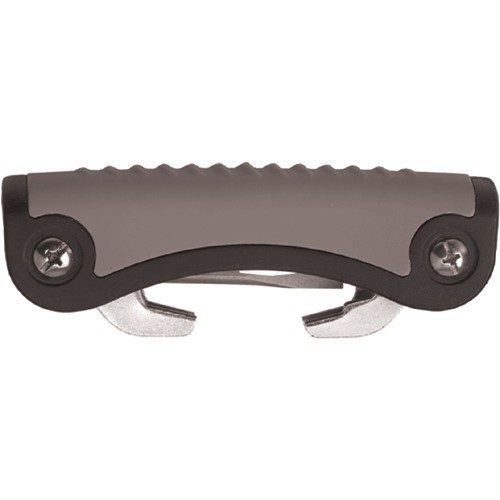
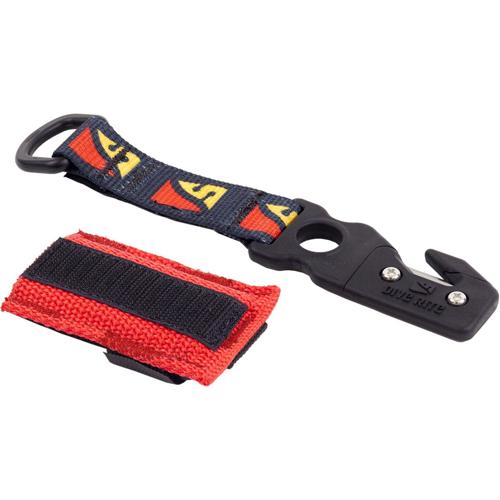
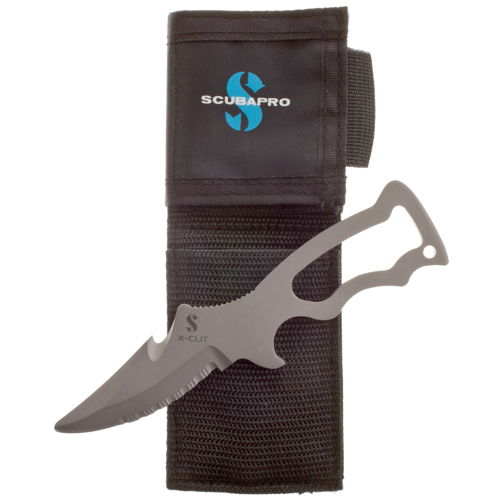
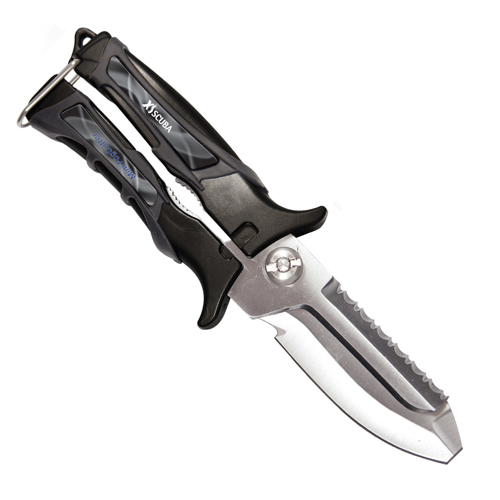
Whether you’re a seasoned technical diver, a recreational explorer, or just beginning your underwater journey, having the right scuba line tools is an essential part of safe and enjoyable diving. These specialized tools, designed to slice through fishing lines, nets, and other potential entanglement hazards, are not just for emergency use—they’re a practical addition to any diver’s kit. As spring approaches and dive sites become more accessible, it’s the perfect time to review your gear and ensure you’re equipped with reliable cutting devices. Many divers recall the first time they encountered stray monofilament or kelp that threatened to snag their gear; the peace of mind that comes from having a sharp, accessible cutter is invaluable. Scuba line tools come in a variety of forms, from compact, razor-sharp cutters that tuck neatly into a BCD pocket, to robust trauma shears capable of slicing through thick rope or webbing. Materials like titanium and ceramic are favored for their corrosion resistance and edge retention, making them ideal for repeated use in saltwater environments. Maintenance is straightforward but critical: even the most durable tools benefit from a thorough freshwater rinse after each dive, and replaceable blades ensure your cutter is always ready for action.
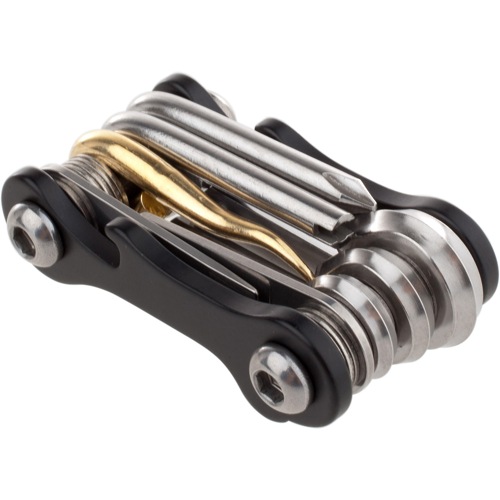
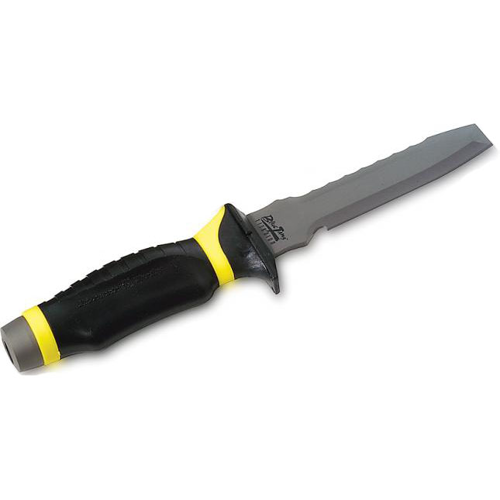
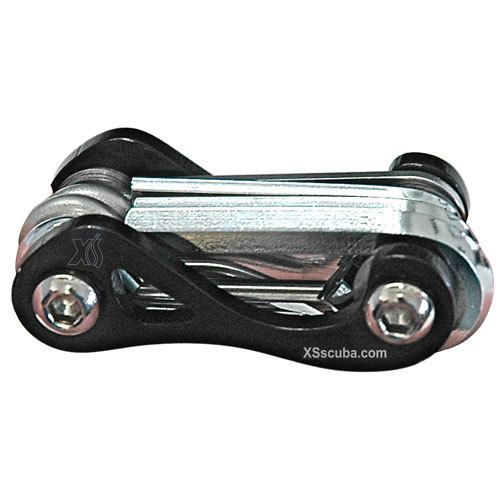
Selecting the right line tool depends on your diving style, local conditions, and even your personal comfort with different tool types. For divers who frequent wrecks or areas with heavy fishing activity, a combination of a primary cutting device—such as a larger knife—and a secondary, easily accessible line cutter offers redundancy and versatility. Mounting options are an important consideration; modern best practices suggest attaching your tool to a waist strap, shoulder strap, or BCD pocket, rather than the traditional leg mount, to minimize the risk of entanglement and maximize accessibility when seconds matter. Multi-tools are gaining popularity for their ability to handle both line cutting and minor gear adjustments, which can be a lifesaver during a surface interval or on a liveaboard. These tools also make thoughtful gifts for dive buddies, instructors, or even adventurous chefs looking for specialized scuba diving equipment for chefs, where precision and corrosion resistance are prized. The right line tool is more than just a safety device—it’s a symbol of preparedness, respect for the underwater environment, and a commitment to responsible diving.
As you prepare for your next underwater adventure, consider how your scuba line tool fits into your overall safety and exploration strategy. Whether you’re fine-tuning your gear for a spring dive trip, upgrading your kit for technical expeditions, or searching for a practical gift for a fellow enthusiast, investing in a quality line tool is a decision that pays dividends in both safety and convenience. For those who are passionate about expanding their underwater toolkit, you may also want to explore related gear that enhances your ability to navigate, document, and interact with the marine world—discover more options with our curated selection of
Scuba Exploration Tools. With the right preparation and equipment, every dive can be safer, more enjoyable, and full of discovery.