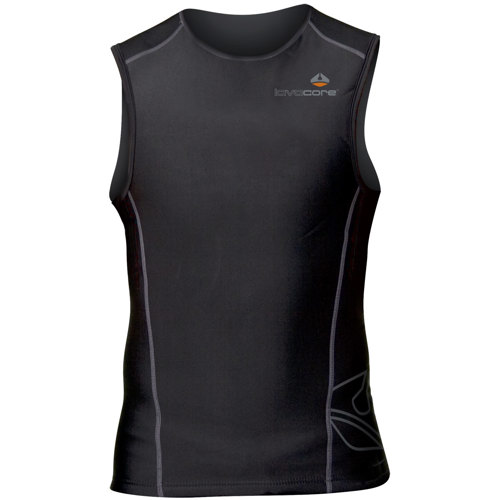
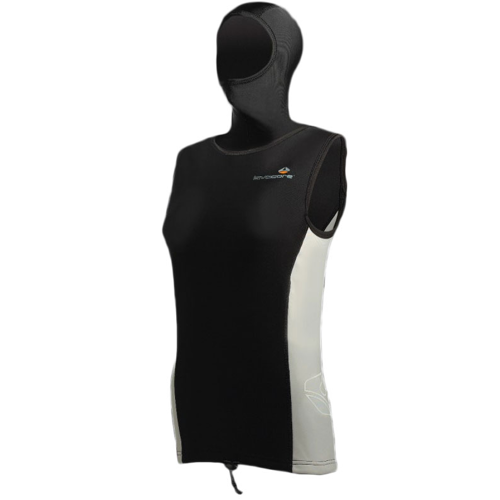
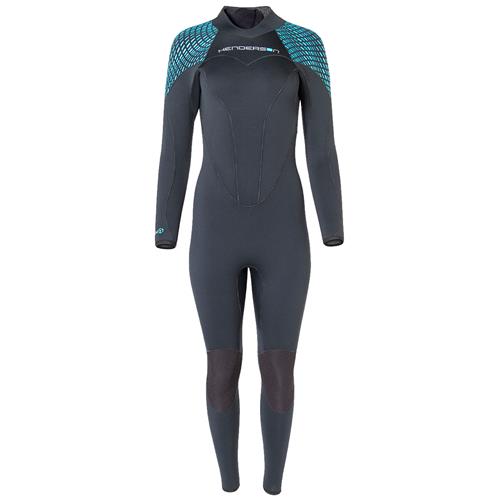
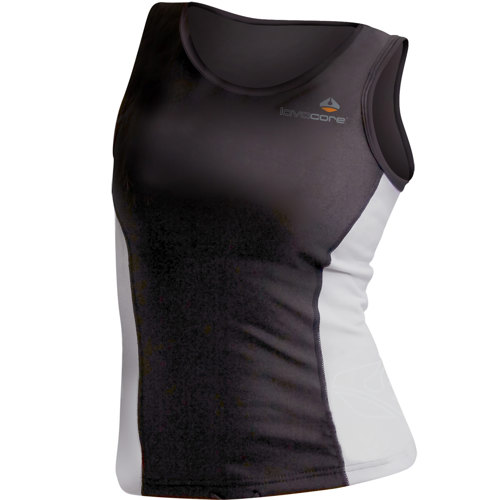
Protection Against Heat Loss In Water
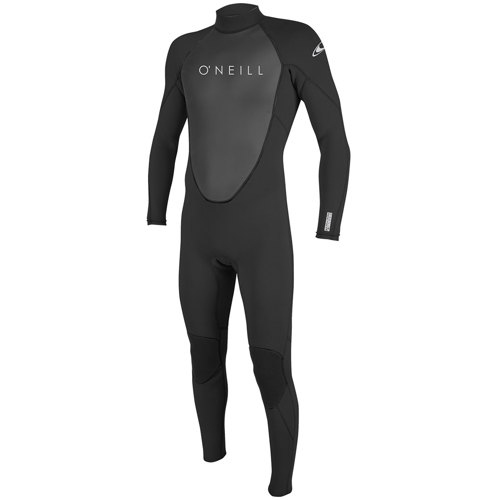
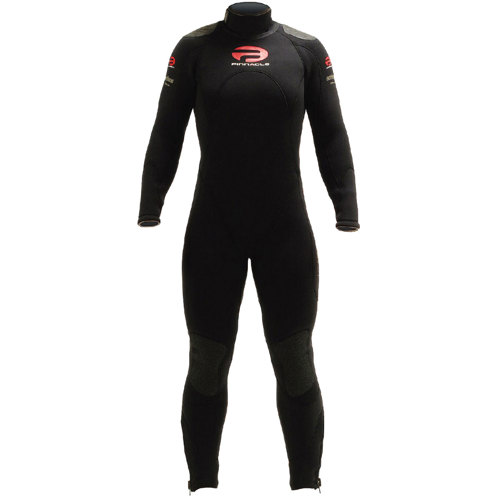
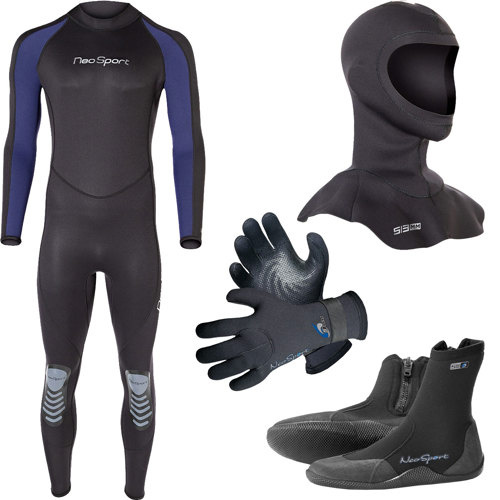
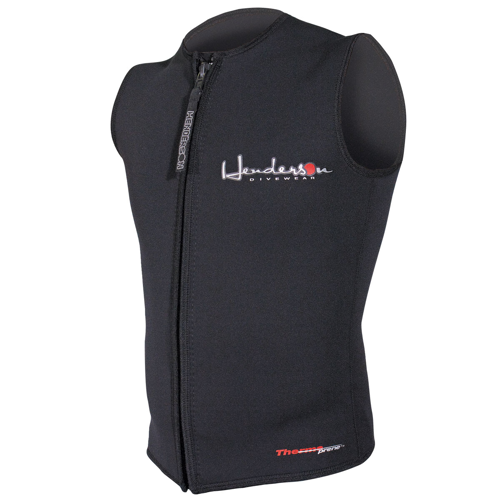
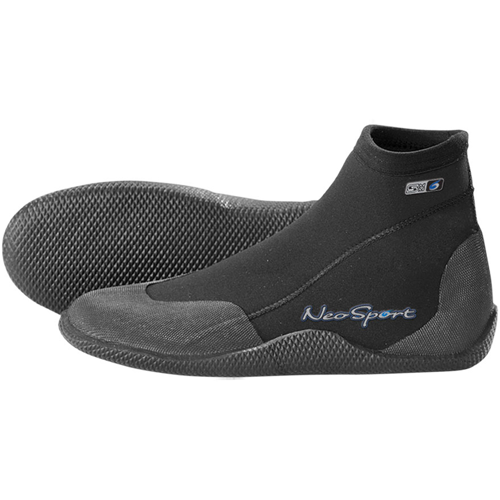
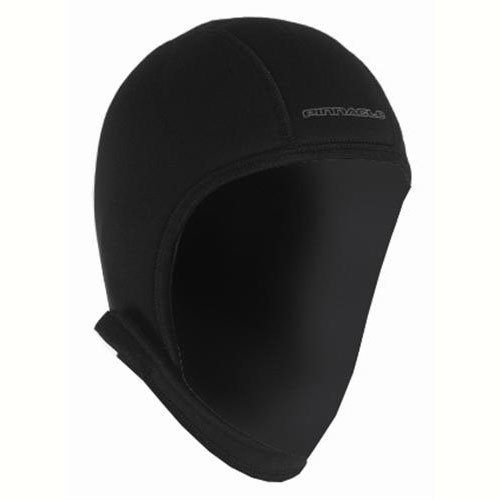
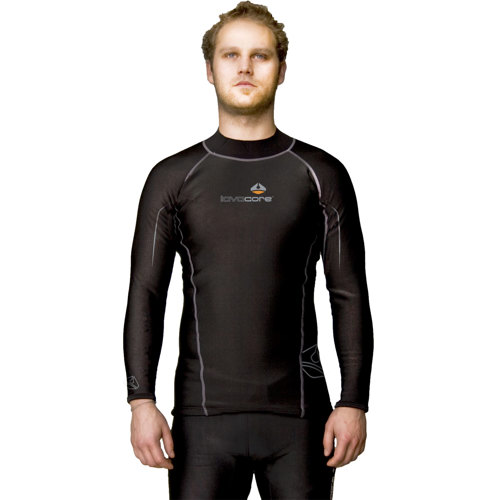
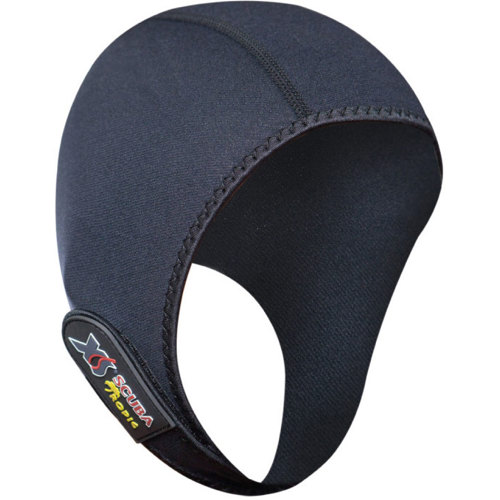
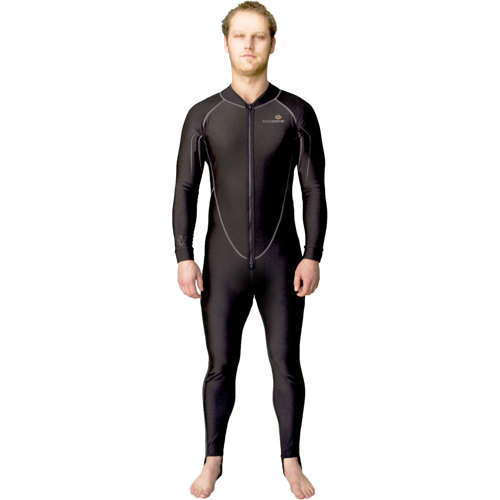
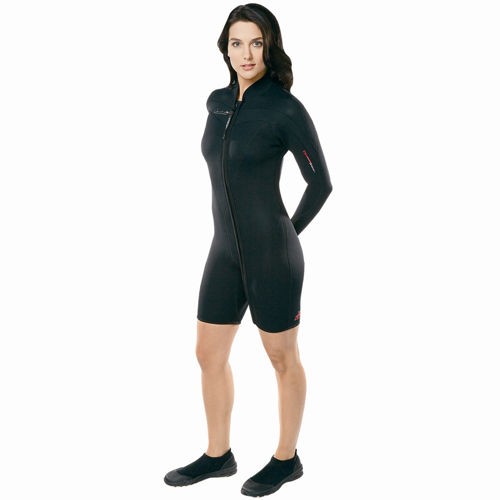
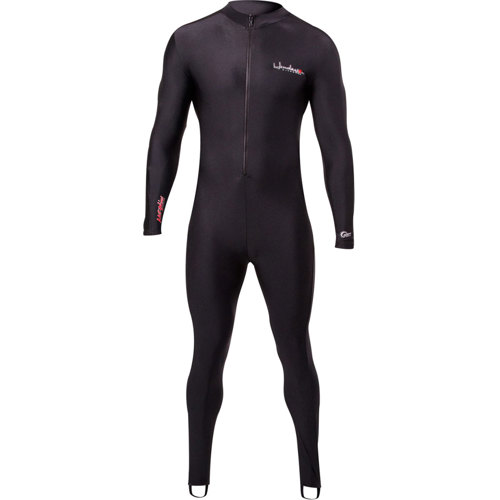
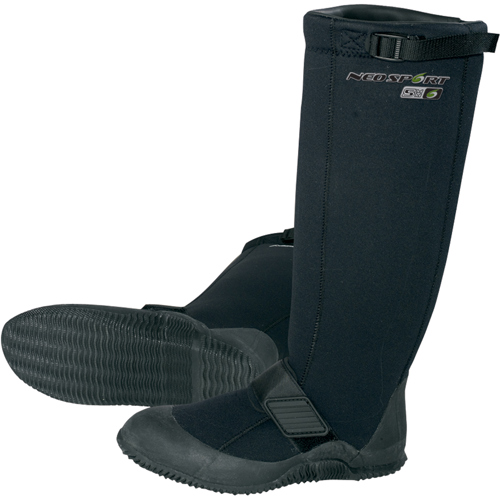
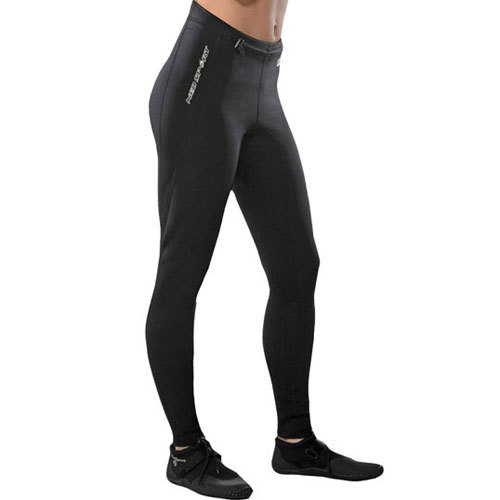
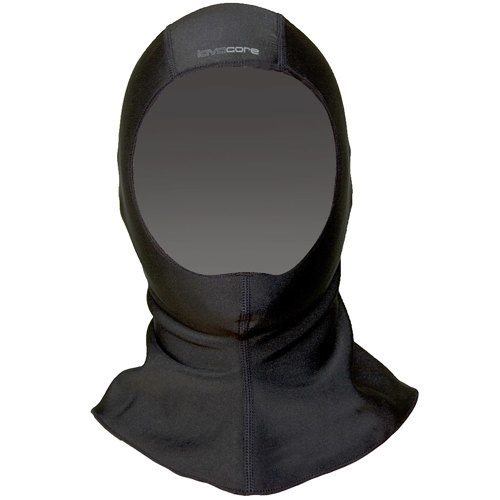
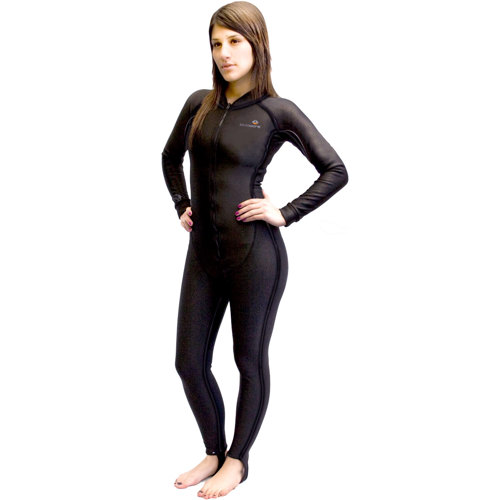
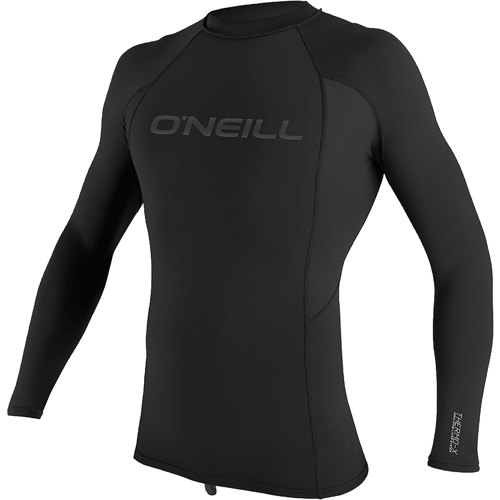
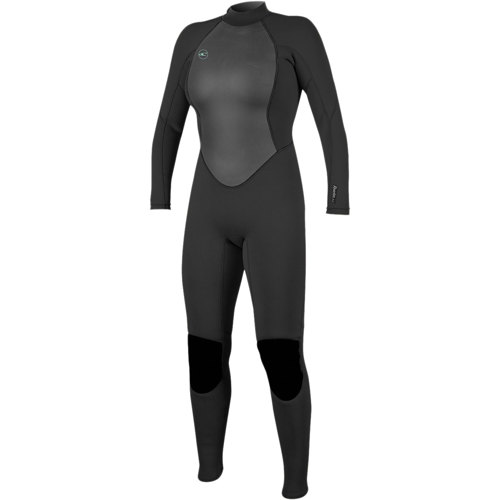
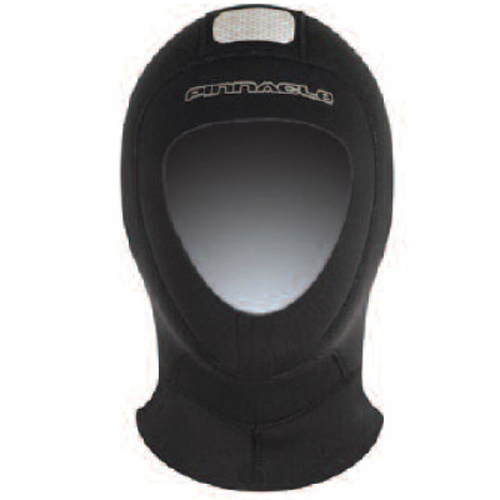
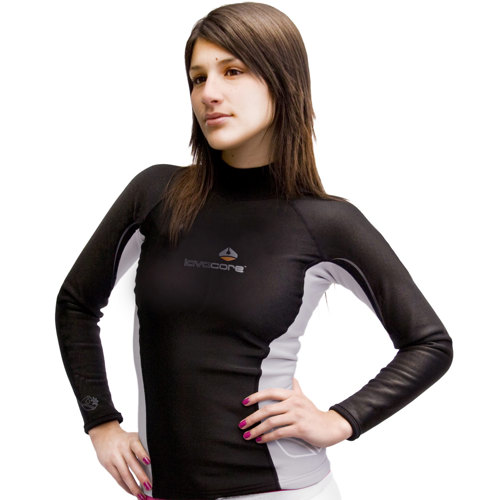
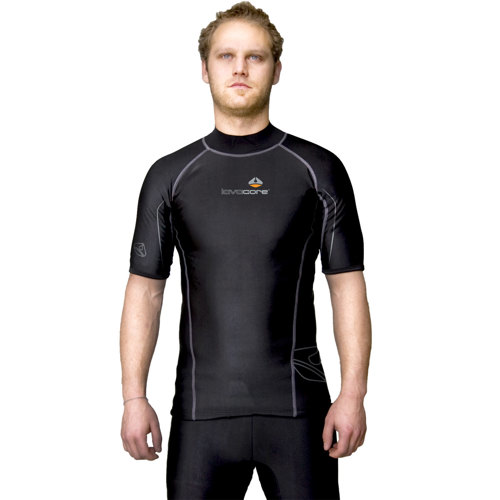
Spending time in the water—whether for recreation, training, or adventure—often means contending with the challenge of maintaining your body’s natural warmth. Even as the weather warms or stays mild, water draws heat from the body much more quickly than air, making protection against heat loss a priority for anyone who plans to swim, snorkel, dive, or participate in other aquatic activities. The sensation of a cool lake, ocean, or pool can be invigorating at first, but prolonged exposure can sap energy and comfort, especially if you’re focused on performance or enjoying extended sessions. For those who are sensitive to the cold, or anyone who wants to maximize their time in the water, choosing the right protective gear is essential. Wetsuits, drysuits, thermal rash guards, and insulating accessories like gloves, hoods, and socks are all designed to trap a layer of warmth close to the skin or block cold water entirely. These products are not just for the serious diver or the seasoned open-water swimmer; they’re invaluable for anyone who wants to avoid the fatigue and discomfort that come with getting chilled, from families at the beach to fitness swimmers training in open water. In fact, thermal protection is a thoughtful gift for anyone who loves the water—whether it’s a friend preparing for their first surf lesson, a relative who enjoys early-morning laps, or a dive buddy planning a tropical getaway where deeper or longer dives can still mean cooler temperatures below the surface.
When considering products for protection against heat loss in water, it’s important to think about the specific conditions you’ll encounter and your own tolerance for cold. Thicker materials provide greater insulation but may reduce flexibility, so it’s a balance between warmth and mobility depending on the activity. For divers and snorkelers, coverage is key: a full-body suit, paired with accessories that cover extremities, can make a significant difference in comfort and safety, especially during longer sessions or when water temperatures dip unexpectedly. Swimmers training in open water often favor streamlined suits that offer both warmth and hydrodynamics, while paddleboarders and kayakers might look for options that allow for a greater range of motion in the shoulders and arms. Even in heated pools, early mornings or shaded areas can lead to rapid heat loss, making lightweight thermal layers a smart addition to your swim bag. Beyond personal comfort, these products play a vital role in safety, helping to stave off hypothermia and allowing you to focus on the experience rather than the chill. If you’re shopping for someone else, consider their favorite water activities, the climate where they live or travel, and whether they’re likely to be in and out of the water frequently. For those new to watersports, a well-chosen piece of thermal protection can open up a world of possibilities, allowing them to explore with confidence and comfort. For more information on the full range of options available, explore our comprehensive guide to
Thermal Protection For Watersports.