Thermal protection is a cornerstone of comfort and safety for anyone planning long or repeated dives, especially as the water temperature dips or the duration underwater extends. Even in late spring and early summer, when surface conditions might feel warm and inviting, the underwater world can quickly sap body heat—water conducts heat away from the body up to 25 times faster than air. This makes selecting the right thermal gear not just a matter of comfort, but also one of safety and dive performance. Divers who spend extended periods below the surface, whether exploring kelp forests, photographing shipwrecks, or performing technical dives, will immediately appreciate the difference that well-chosen thermal protection makes. The right combination of exposure suit, base layers, gloves, hoods, and even heated accessories can mean the difference between a dive cut short by chills and one where you’re able to focus on the experience, your buddy, and the marine life around you.
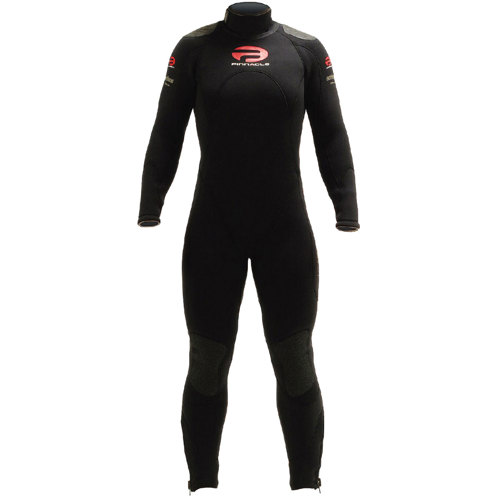
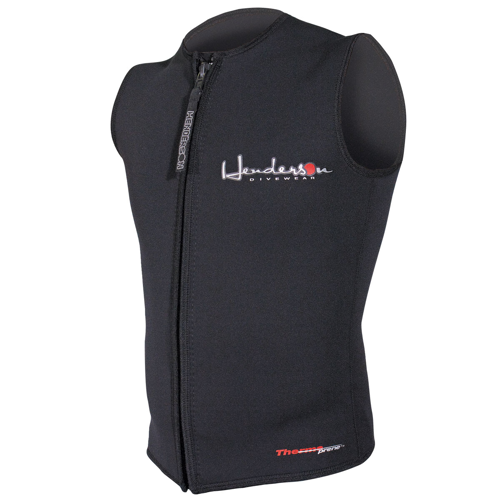
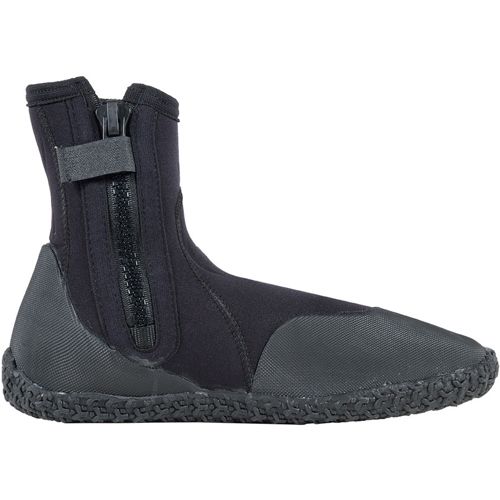
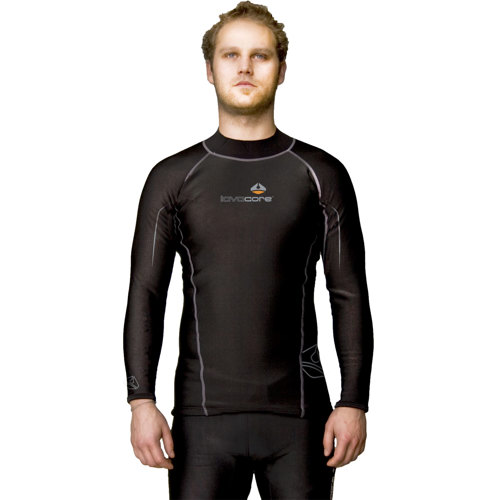
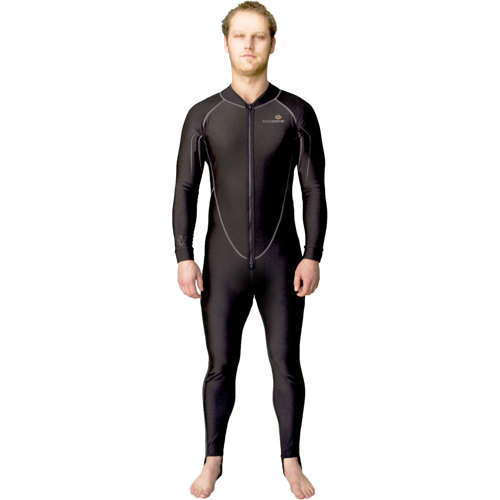
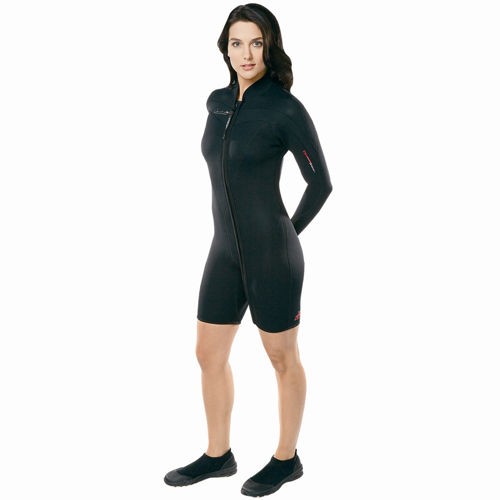
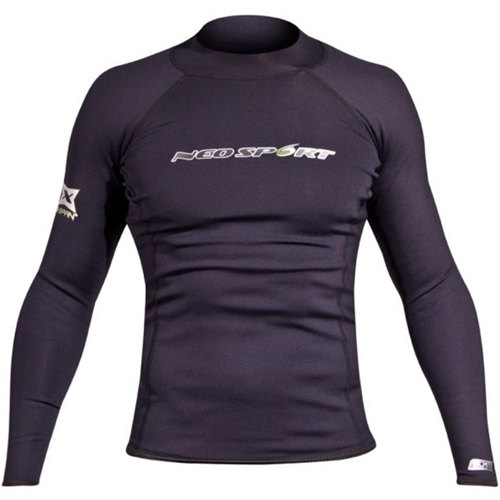
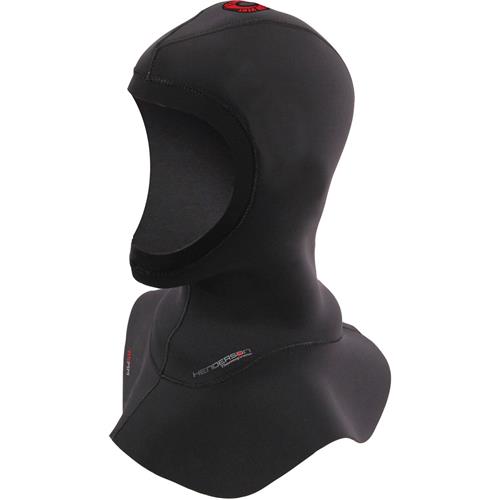
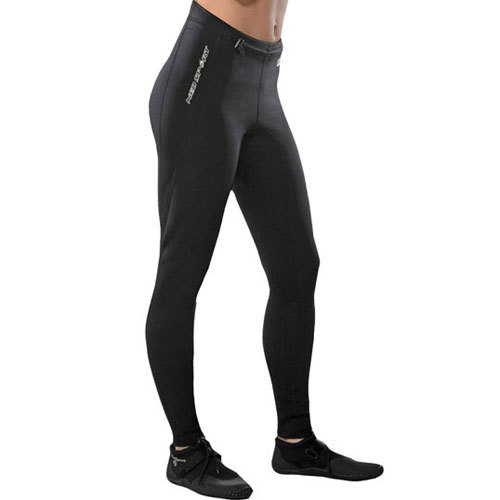
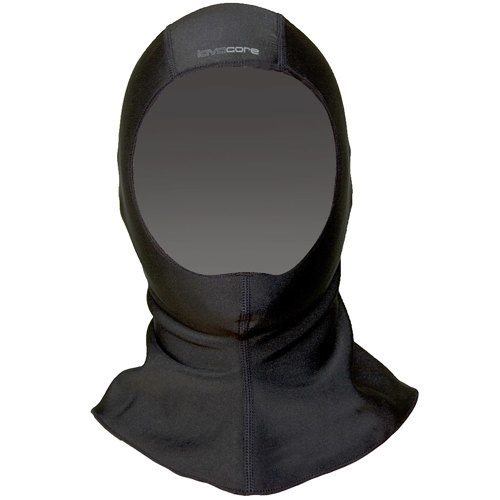
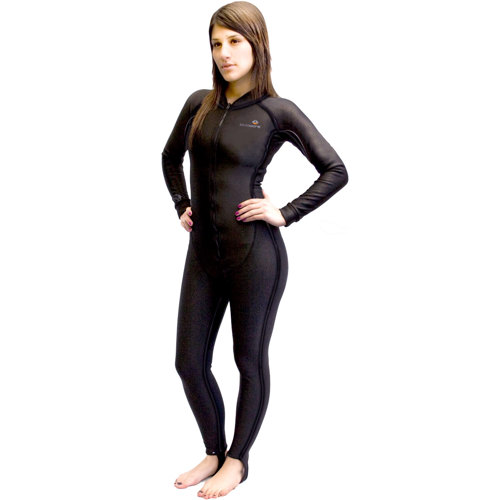
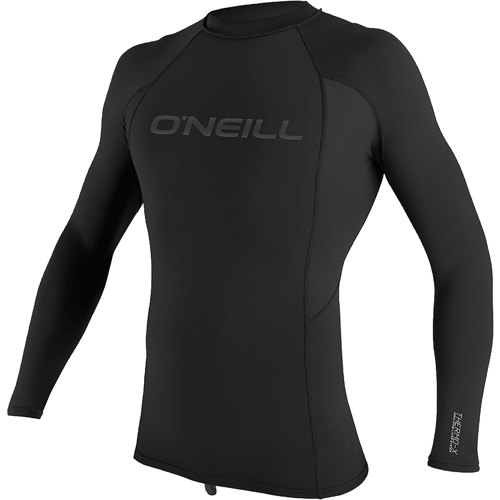
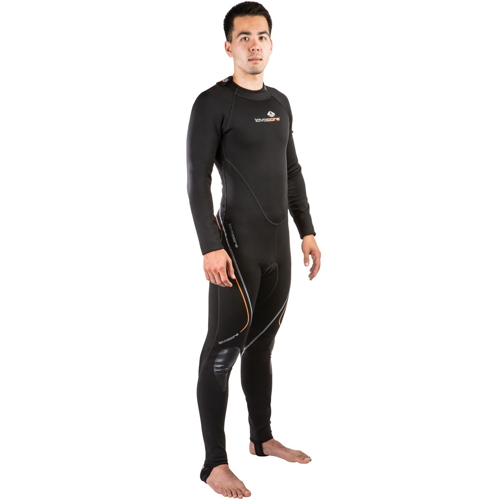
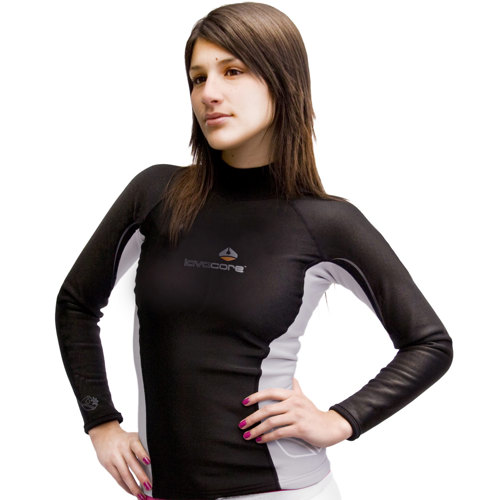
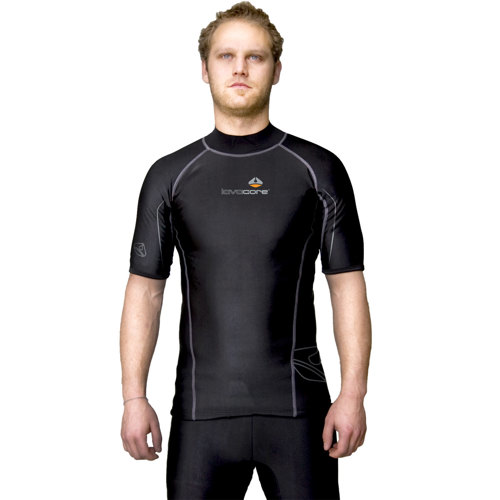
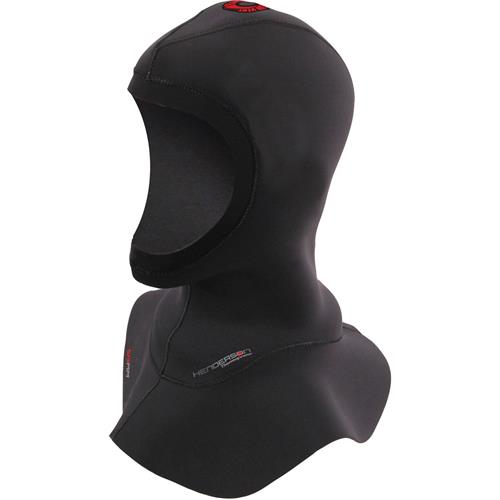
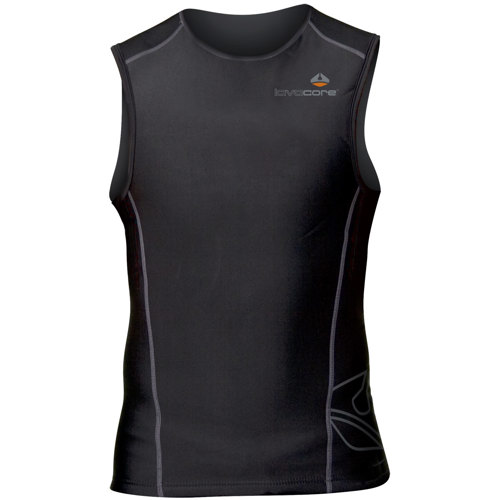
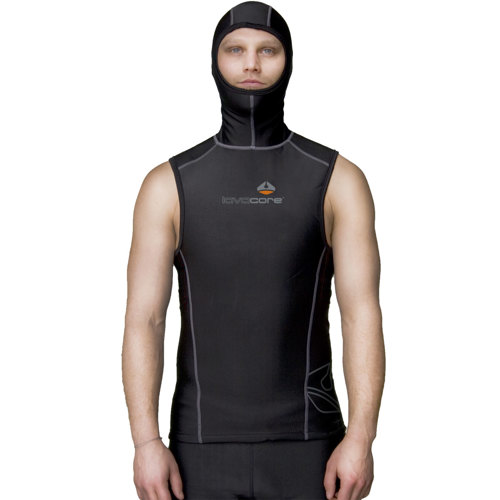
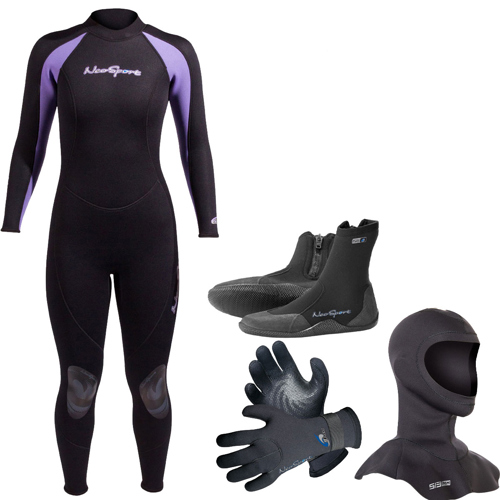
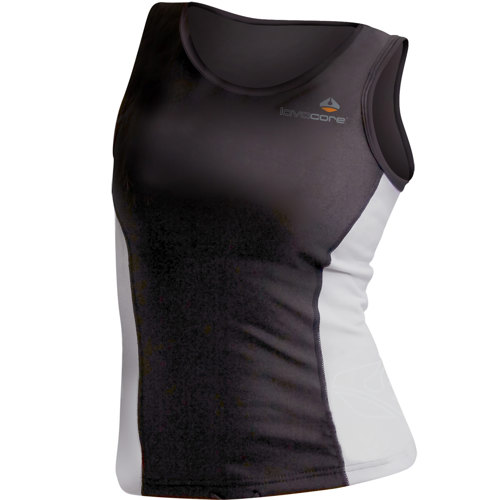
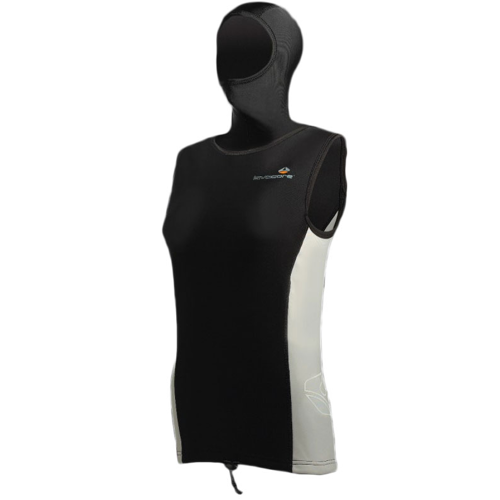
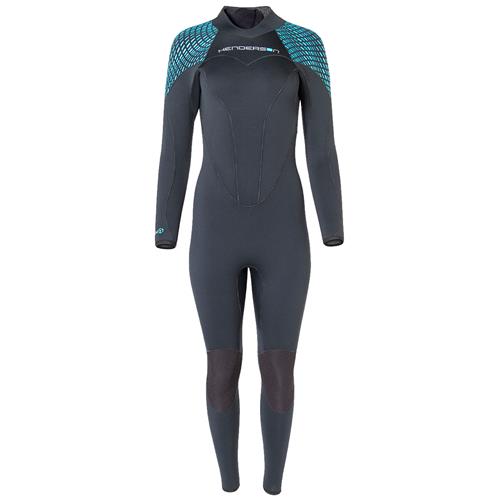
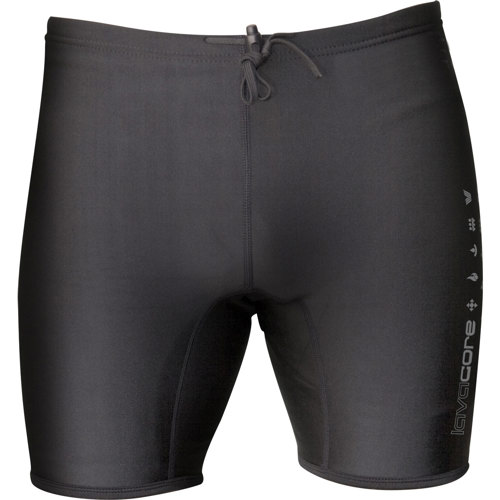
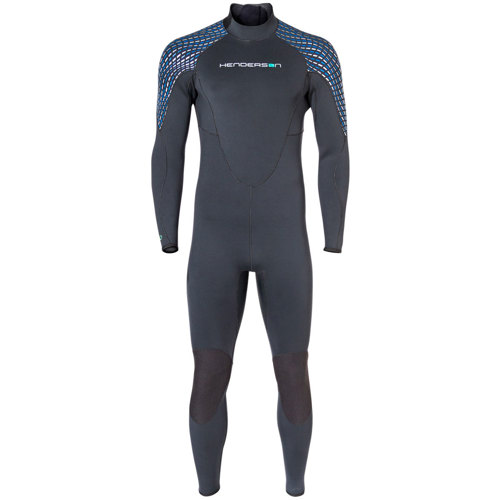
When considering which thermal protection is best, it’s important to think about the water temperature, the expected length and depth of your dives, and your own tolerance for cold. For dives in water below 65°F (18°C), a drysuit is often the go-to choice, providing a waterproof barrier and allowing for customizable thermal layering underneath. Many divers opt for moisture-wicking thermal base layers beneath their drysuit, steering clear of cotton in favor of high-performance fabrics that keep warmth in and moisture out. In milder conditions, a thick wetsuit or semi-dry suit in the 7mm to 8/7mm range offers flexibility and warmth, though it’s worth noting that neoprene compresses at depth, gradually reducing its insulating properties. Accessories such as thick hoods, gloves, and socks are essential, as extremities lose heat rapidly. For those who struggle with cold hands or who are planning particularly long dives, heated gloves or glove liners can be a game-changer, staving off numbness and maintaining dexterity. Heated vests, powered by compact batteries, are another innovation, delivering hours of warmth directly to your core and making cold-water dives more accessible and enjoyable for a wider range of divers.
Thermal protection gear also makes for thoughtful and practical gifts, especially for divers who are venturing into new environments or taking on longer dives as their skills progress. It’s a popular choice for dive buddies, partners, or family members who want to ensure their loved ones stay comfortable and safe. For older divers, who may be more sensitive to cold or have specific thermal needs, tailored solutions are available and can be explored further at our dedicated page on
Thermal Protection For Older Divers. No matter your experience level, it’s wise to periodically assess your gear—wetsuits, for example, lose insulating capacity over time and may need replacing every few years. Preparation is also key: keeping gear warm up to the moment of entry, layering up with beanies and wool socks, and using windproof parkas or dry robes during surface intervals can all help maintain core temperature. Ultimately, investing in quality thermal protection is an investment in longer, safer, and more enjoyable dives, allowing you to fully immerse yourself in the underwater world without distraction or discomfort.