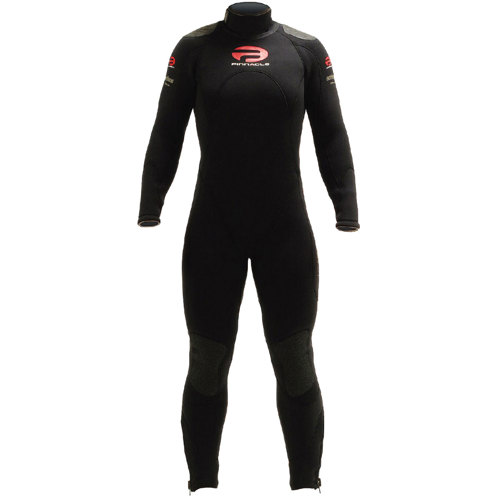
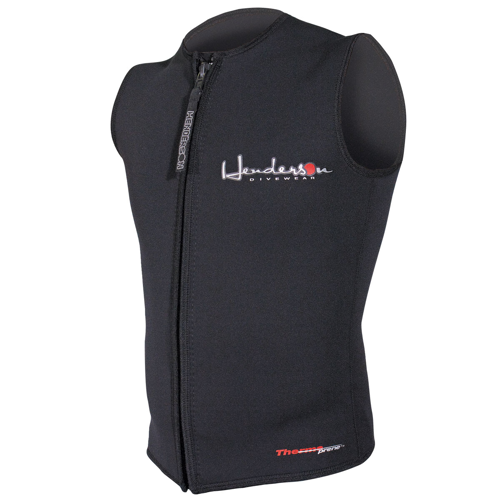
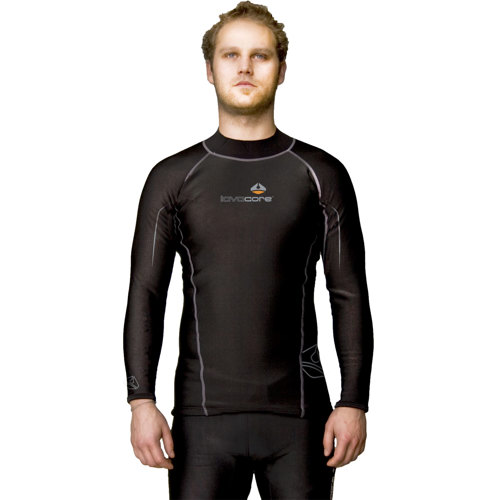
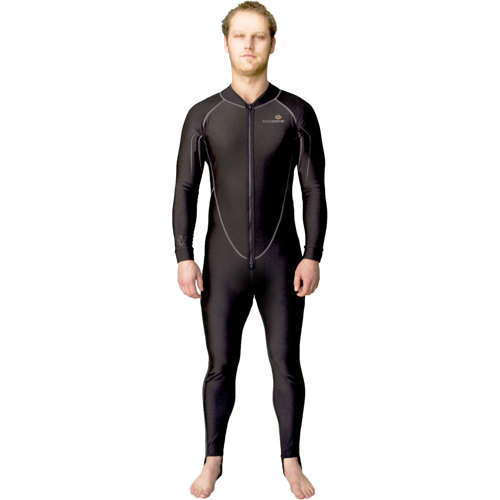
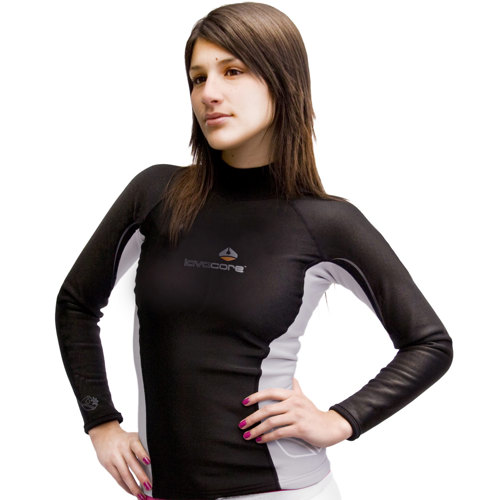
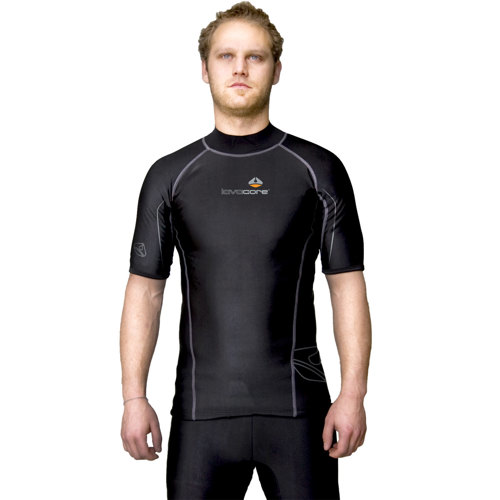
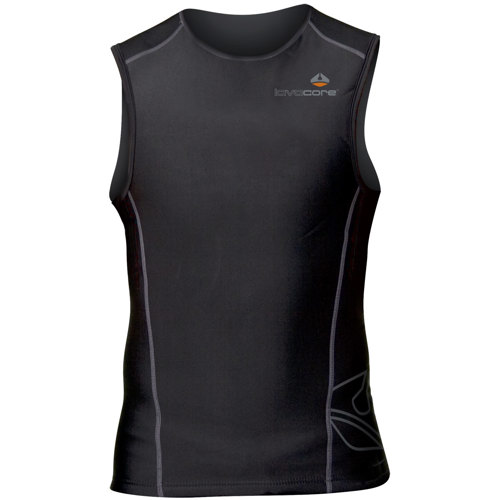
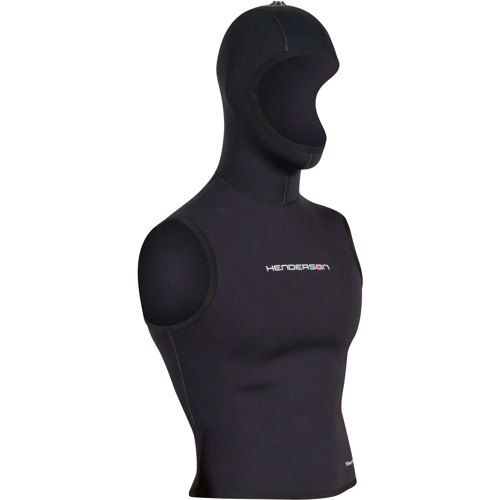
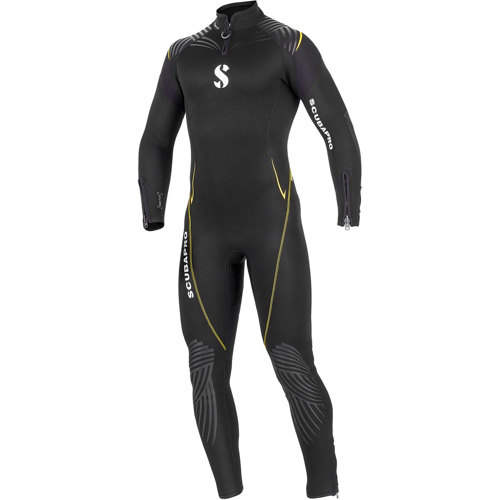
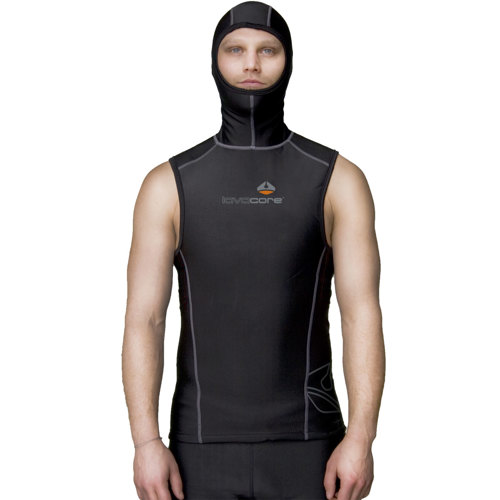
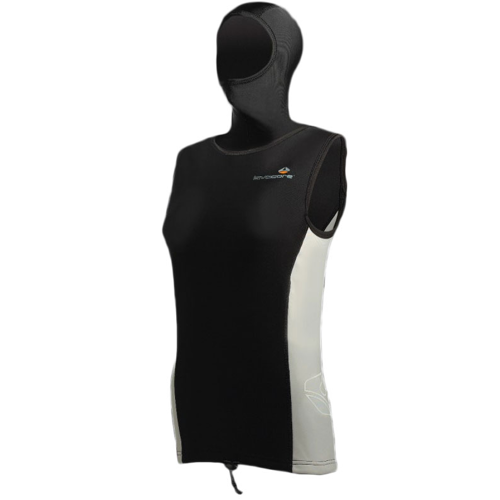
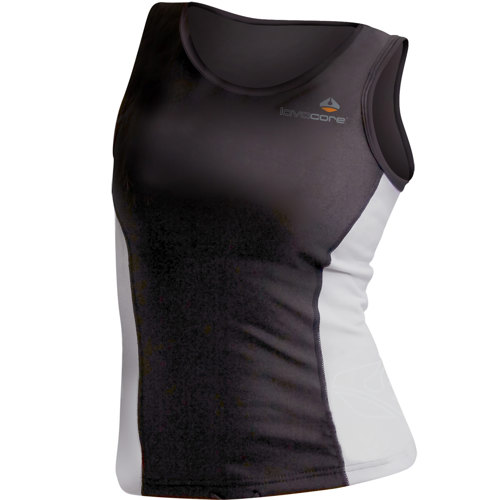
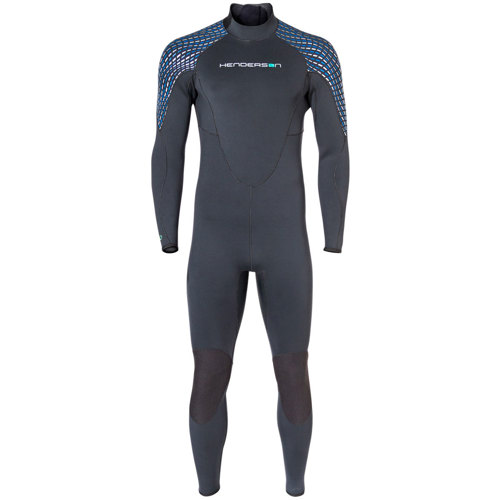
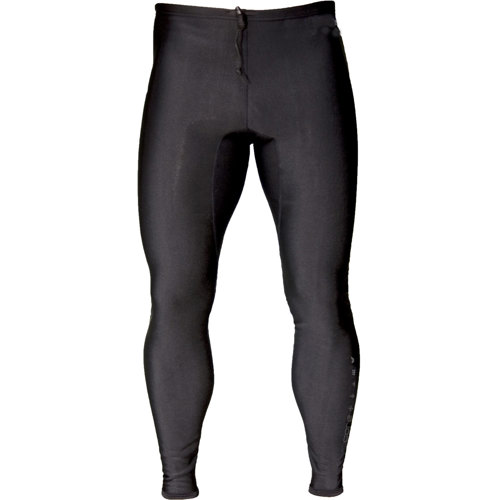
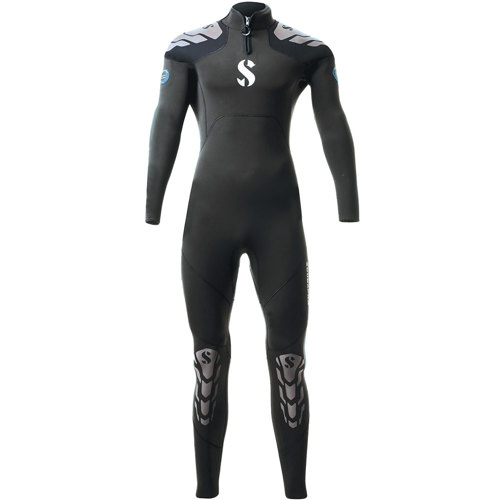
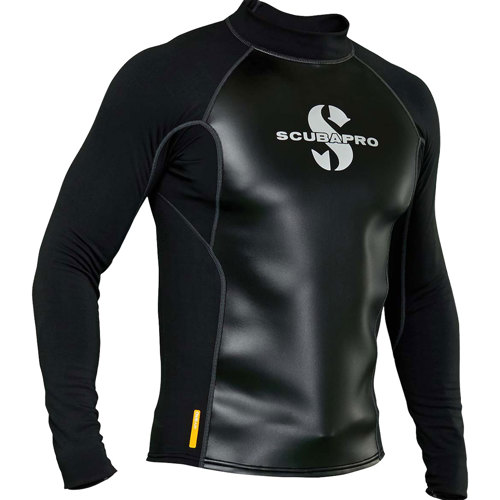
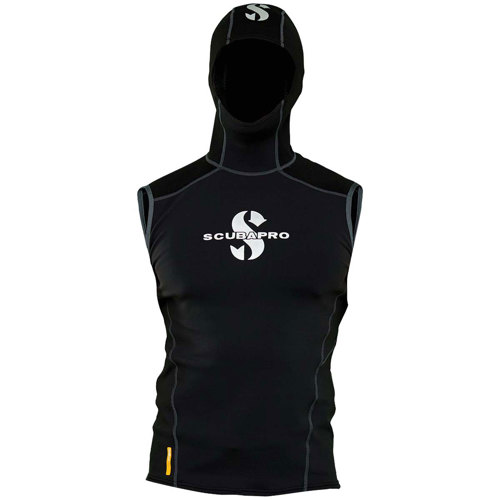
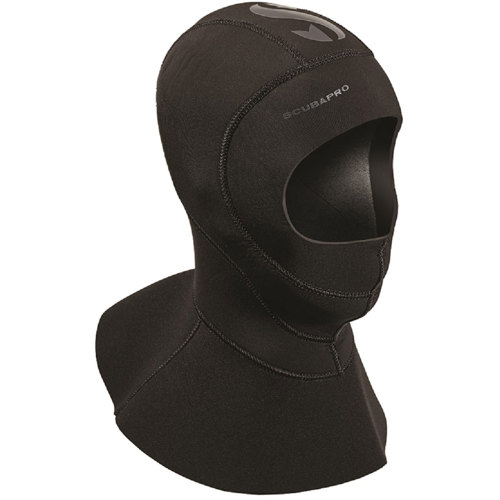
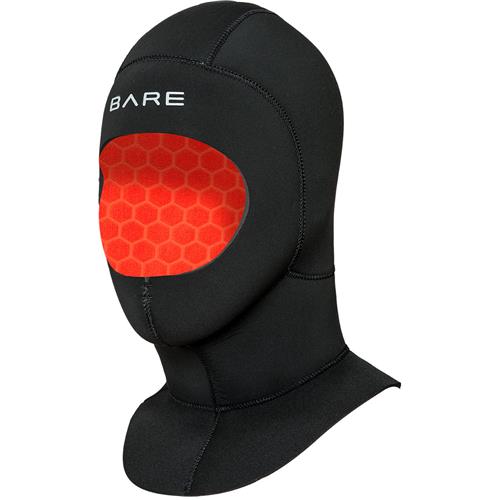
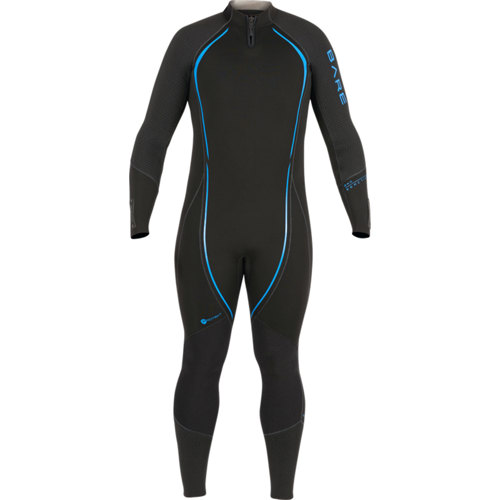
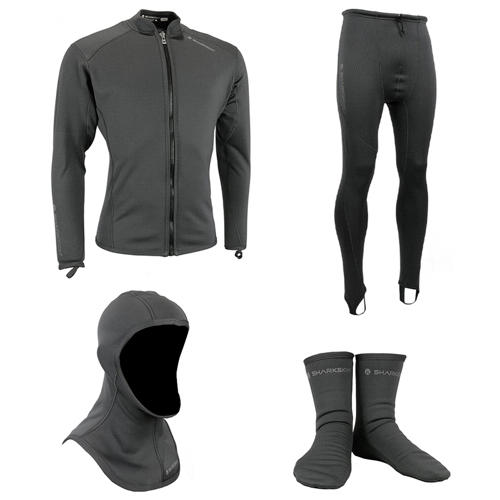
As divers age, their sensitivity to cold water often increases, making effective thermal protection a top priority for comfort and safety underwater. This is especially relevant during the cooler months of March and into early spring, when water temperatures can remain brisk even in popular diving destinations. Older divers—whether seasoned veterans or those returning to the sport after some time away—may find that their tolerance for cold has changed, sometimes due to slower circulation or a reduced ability to generate internal warmth. For these divers, investing in the right thermal gear is more than just a matter of comfort; it can be crucial for maintaining energy, focus, and overall well-being during and after a dive. The right thermal protection helps to extend dive times, reduce post-dive fatigue, and minimize health risks such as hypothermia or increased susceptibility to decompression sickness. When considering new gear, older divers should look for wetsuits or drysuits with increased thickness—often 7mm or more for wetsuits in cooler waters—and prioritize a snug, well-tailored fit to eliminate water flushing, which saps body heat. Layering is another key strategy: a thermal base layer, such as those made from polyester or polypropylene, can be worn under a drysuit, while a neoprene vest or hooded vest adds vital insulation beneath a wetsuit.
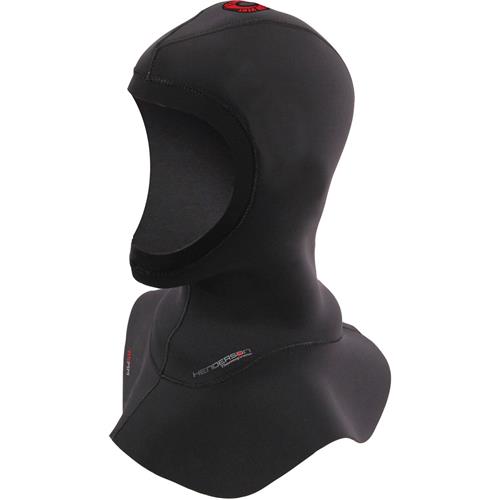
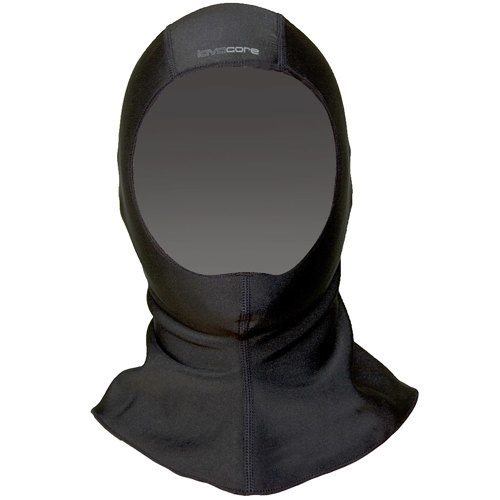
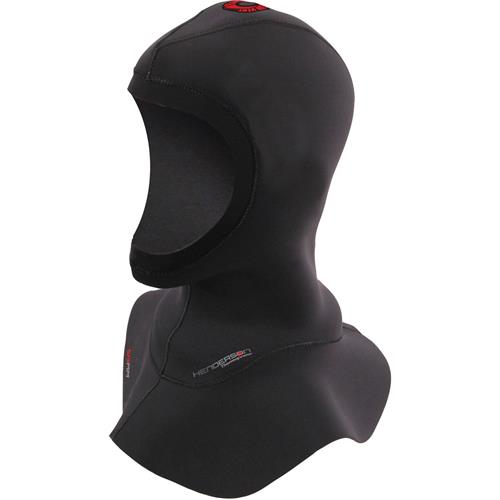
Accessories like thick hoods, gloves, and boots play a significant role in preserving warmth, as a considerable amount of body heat is lost through the head and extremities. For those planning longer dives or exploring colder environments, heated vests and gloves powered by rechargeable batteries can make a dramatic difference, delivering consistent warmth throughout the dive. Many older divers also benefit from pre- and post-dive routines that support thermal regulation—donning warm clothing, beanies, and socks before entering the water, and sipping warm drinks during surface intervals to help the body recover. It’s important to routinely inspect and replace older neoprene gear, as it compresses and loses insulating properties over time, which can lead to unexpectedly chilly dives. These thoughtful choices not only enhance comfort but also support safer, more enjoyable experiences in the water, whether diving locally or traveling to new destinations. Thermal protection products also make thoughtful gifts for older divers, whether for birthdays, holidays, or as a gesture of encouragement for someone returning to diving after a break. They offer the reassurance of warmth and the promise of extended underwater adventures, tailored to the unique needs of mature divers.
For those who enjoy a variety of underwater activities, including freediving, considering specialized thermal protection designed for these pursuits can further enhance comfort and performance. Freedivers, for instance, have unique needs when it comes to insulation and mobility, and there are dedicated resources and gear options available to support them. If you’re interested in learning more about thermal protection solutions tailored specifically for freediving, be sure to visit our comprehensive guide at
Thermal Protection For Freediving. Whether you are preparing for your next cold-water adventure or searching for the perfect gift for the diver in your life, investing in high-quality thermal protection ensures that every dive remains safe, comfortable, and memorable—no matter the season or age of the explorer.