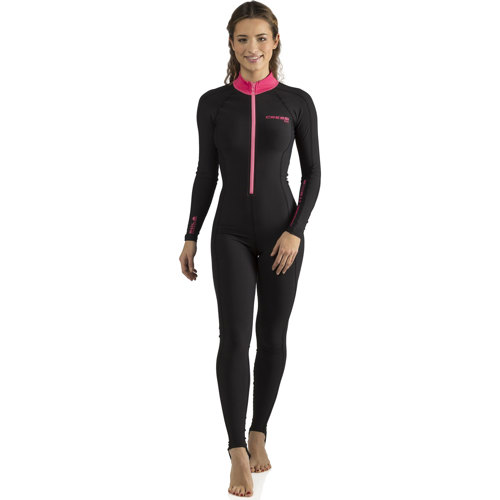
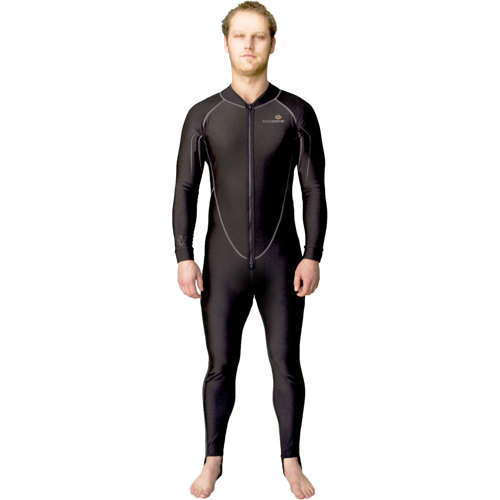
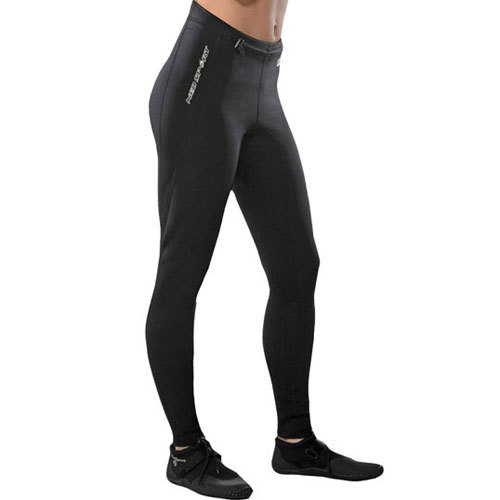
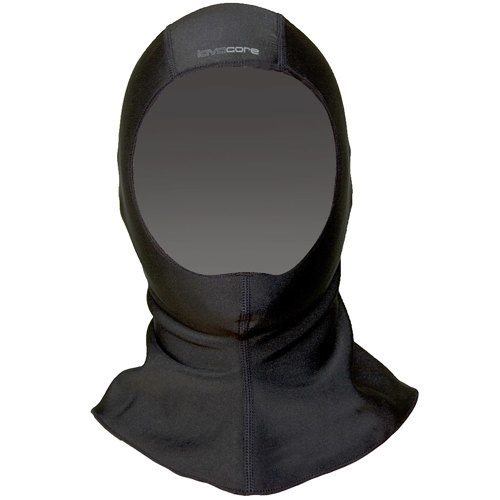
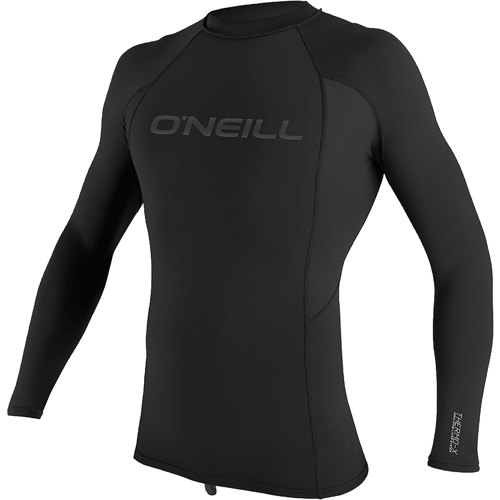
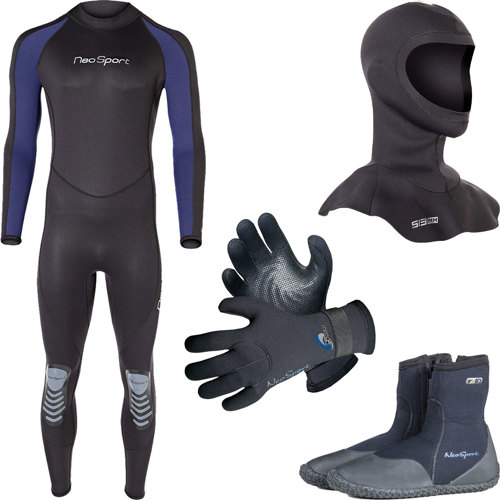
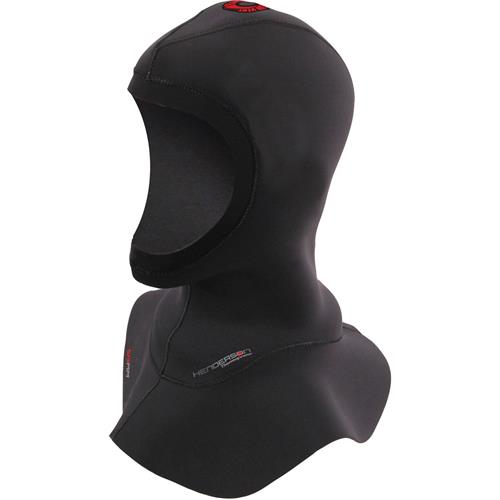
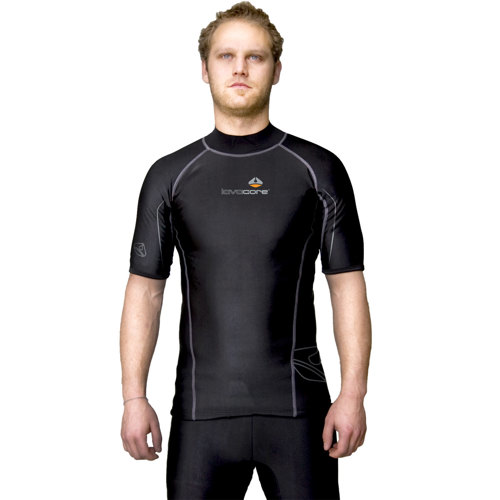
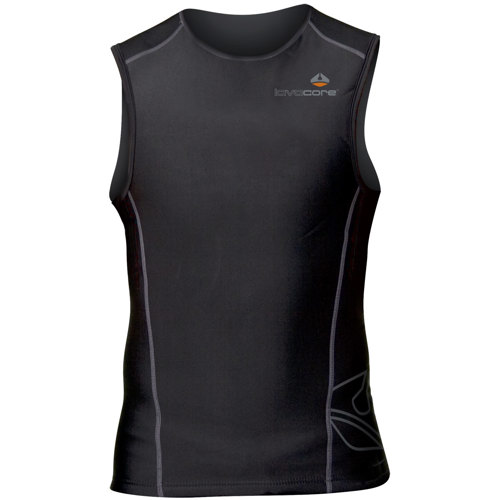
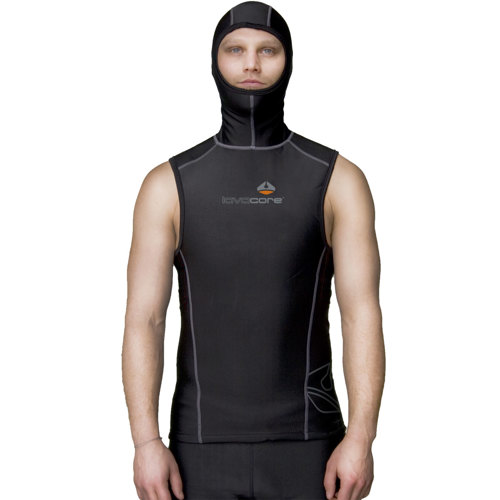
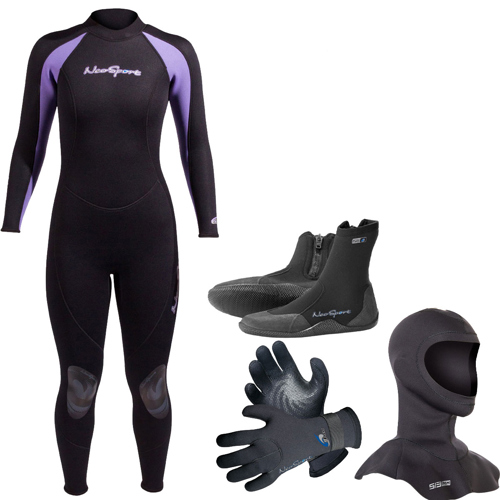
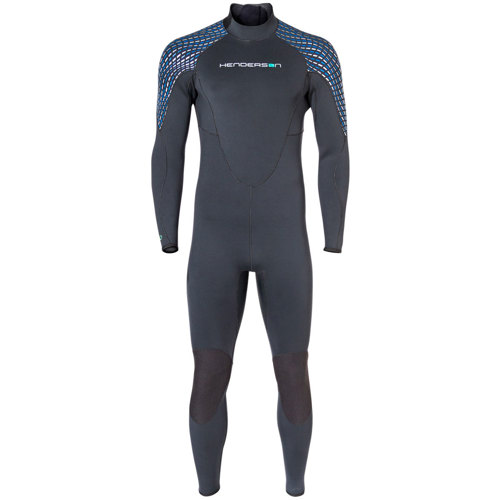
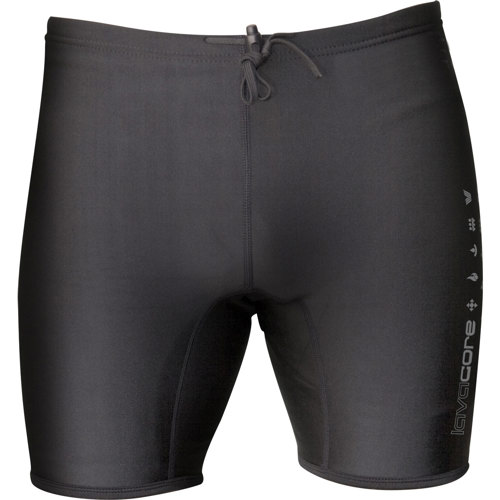
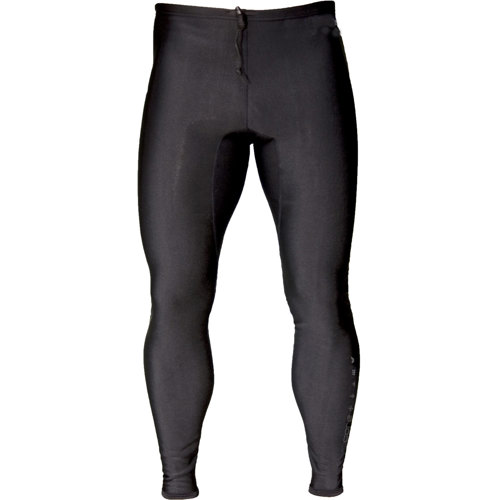
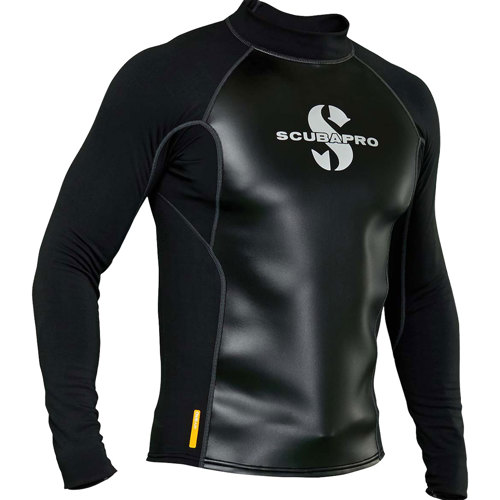
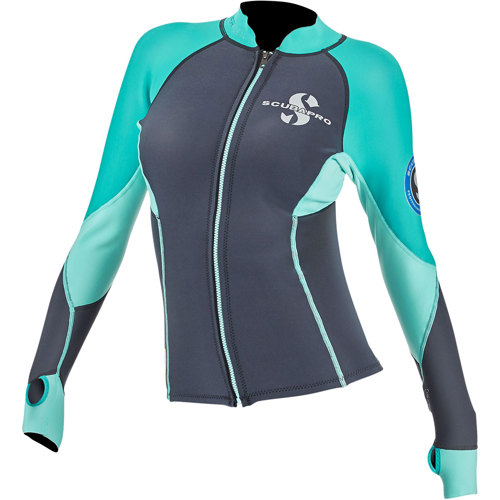
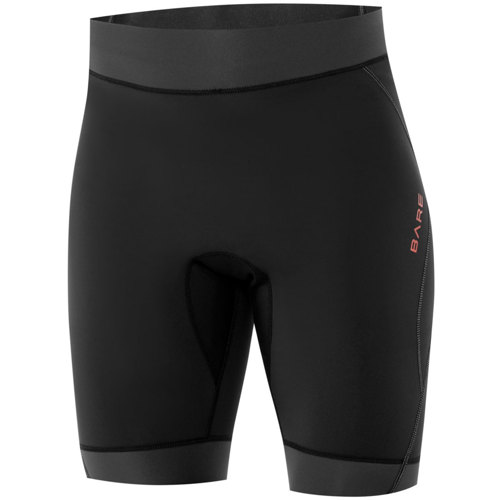
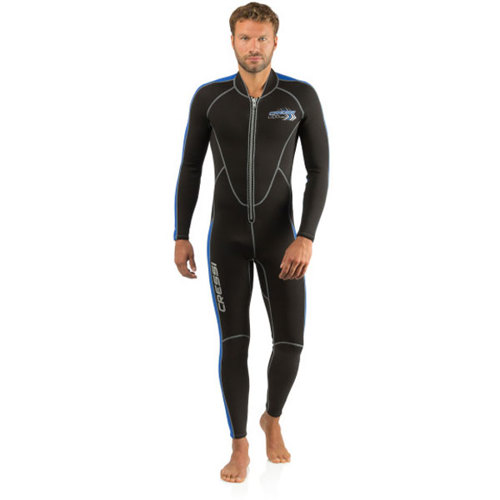
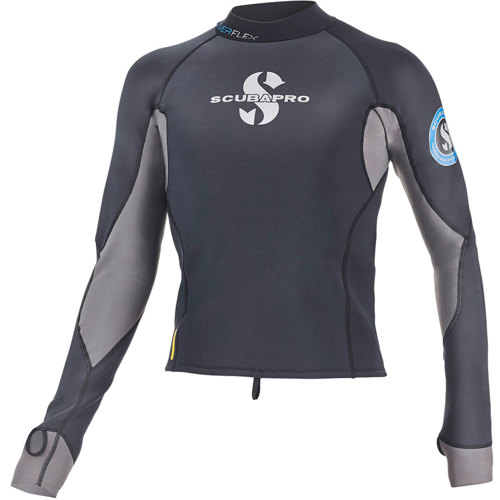
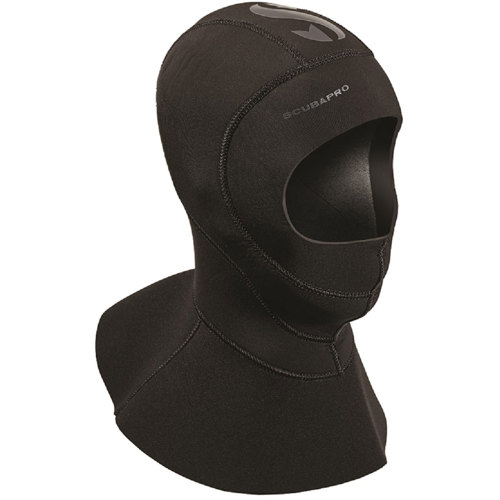
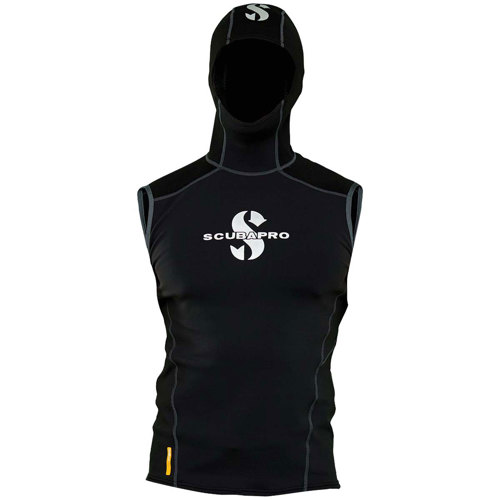
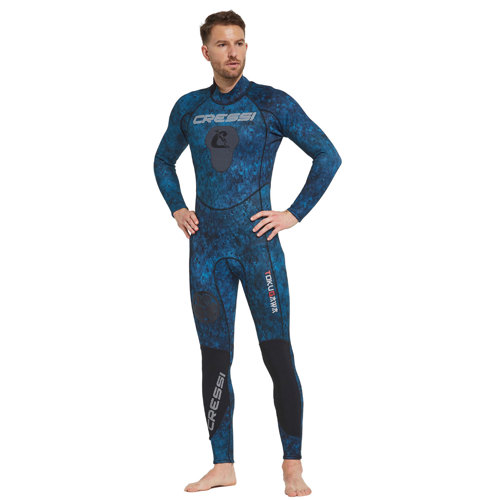
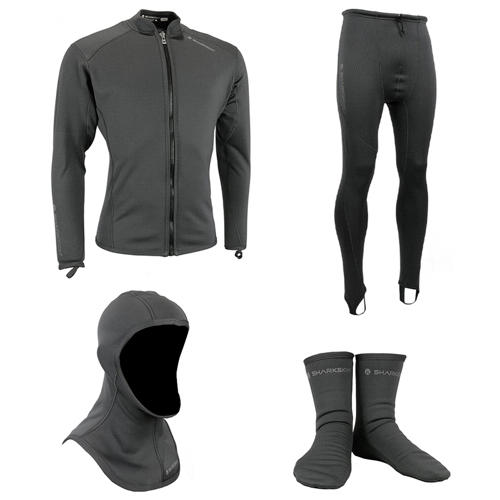
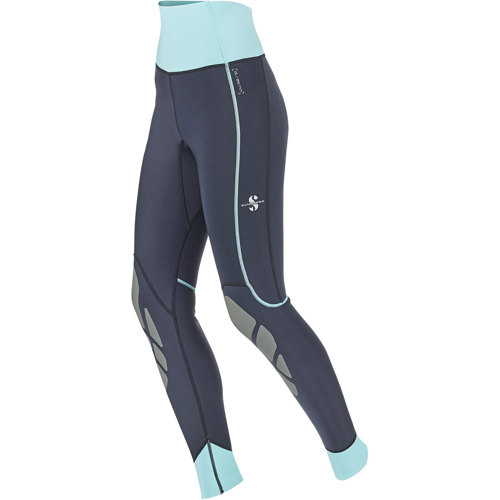
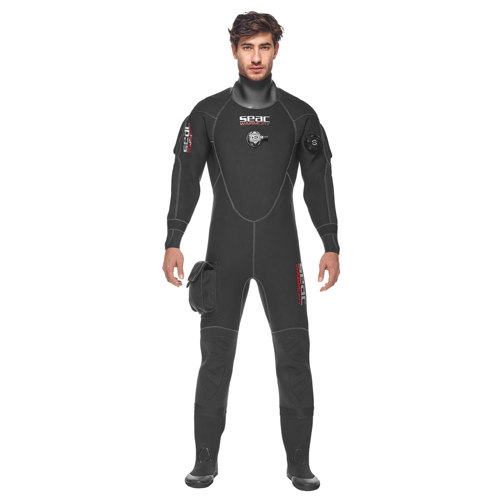
Freediving is an immersive experience that brings you closer to the water’s rhythms, whether you’re gliding through a sun-dappled kelp forest or exploring the tranquil blue just beyond the shoreline. As the seasons shift and water temperatures fluctuate, the right thermal protection becomes essential for comfort, safety, and performance. Freedivers, from beginners to seasoned enthusiasts, know that choosing the appropriate gear isn’t just about braving the cold—it’s about extending your time underwater and making every dive count. Freediving wetsuits are specifically designed to fit like a second skin, minimizing water exchange and maximizing warmth. Open-cell neoprene, favored for its soft, skin-like interior, offers superior insulation by clinging gently to the body, while double-lined suits provide added durability for those who train or play in rocky environments. The thickness of your suit—ranging from a lightweight 1.5mm for tropical waters to a robust 7mm for colder dives—should be matched to the conditions you’ll face. Layering is another key strategy: adding a neoprene vest or hoodie can make a world of difference during surface intervals or on days when the wind picks up. Freedivers often supplement their core suit with hoods, gloves, and socks or booties, especially when exploring cooler waters or for those who are more sensitive to the cold. These accessories help protect extremities, where heat loss is most rapid, and can be the difference between a short session and a truly memorable day in the water.
Selecting the right thermal protection is a personal journey, shaped by where you dive, how your body responds to temperature, and the type of freediving you enjoy. For those who spend hours training in open water, flexibility and fit are paramount—a suit that’s too loose will let cold water flush through, while one that’s too tight can restrict your breathing and movement. High-stretch neoprene, often sourced from specialized manufacturers, ensures that every kick and glide feels natural, even as you stay insulated from the chill. If you’re shopping for a gift, thermal protection gear is a thoughtful choice for anyone passionate about freediving, snorkeling, or even spearfishing, especially as the weather warms and more people take to the water. It’s also a practical investment for divers who spend time in varied conditions, from spring-fed lakes to coastal reefs, or for those planning travel to new underwater destinations. Proper care extends the lifespan of your gear: always rinse with fresh water after use, avoid prolonged sunlight exposure, and store your suit flat or gently rolled. For older divers, or anyone who finds they chill more easily, additional thermal layers and specialized accessories can provide extra comfort—if you’re interested in tailored advice, our dedicated page on
Thermal Protection For Older Divers offers more insights.
Whether you’re gearing up for a summer of freediving adventures or seeking reliable protection for those cooler dawn sessions, investing in quality thermal gear is about more than just staying warm. It’s about confidence and freedom in the water, knowing that you can focus on your breath, your technique, and the world unfolding beneath the surface. The right combination of suit, hood, gloves, and socks not only shields you from the elements but also supports longer, more enjoyable dives. Many freedivers find that as they progress, their needs evolve—what worked for short, shallow dives may not suffice for deeper or longer sessions, or as water temperatures drop with depth. By paying attention to fit, material, and layering options, you set yourself up for comfort and safety, whether you’re venturing out solo, training with a buddy, or introducing a friend or family member to the sport. With the right thermal protection, every dive becomes an opportunity to explore further, push your limits, and savor the unique peace that only freediving can offer.