Illuminating Underwater Scenes
Beneath the waves, the vibrant colors and intricate details of marine life are often hidden from view by the water’s natural tendency to absorb and scatter light. As any experienced diver or underwater photographer knows, the deeper you descend, the more the reds and yellows fade away, leaving scenes tinged with blue and green. This transformation isn’t just a quirk of physics—it’s a challenge that calls for the right illuminating gear. Whether you’re a seasoned underwater photographer capturing the delicate choreography of a reef ecosystem, a videographer documenting a shipwreck, or a recreational diver eager to relive your adventures with vivid clarity, the right lighting equipment can make all the difference. During the winter months, when surface light is often dimmer and water clarity can fluctuate, artificial lighting becomes even more crucial to restoring the lost brilliance of underwater scenes.
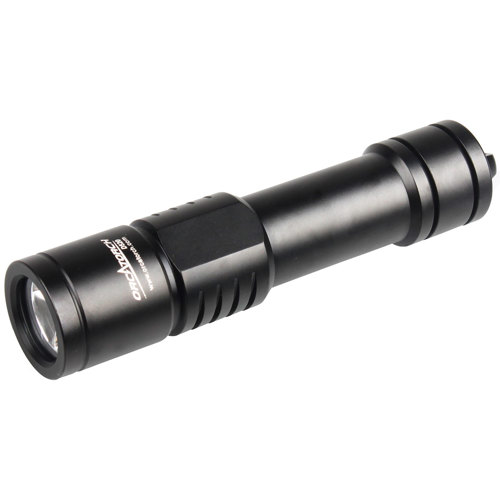
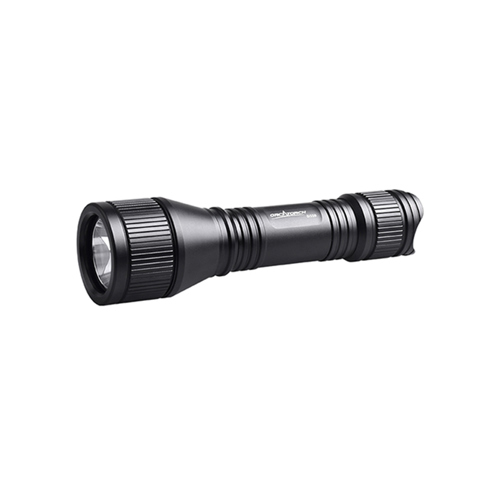
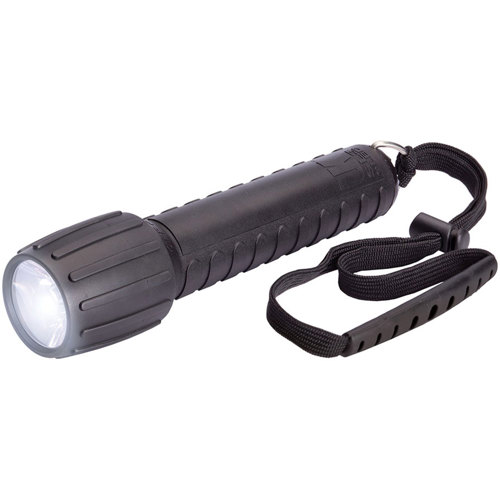
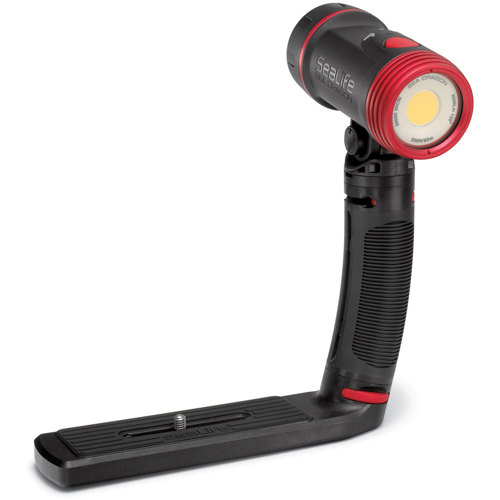
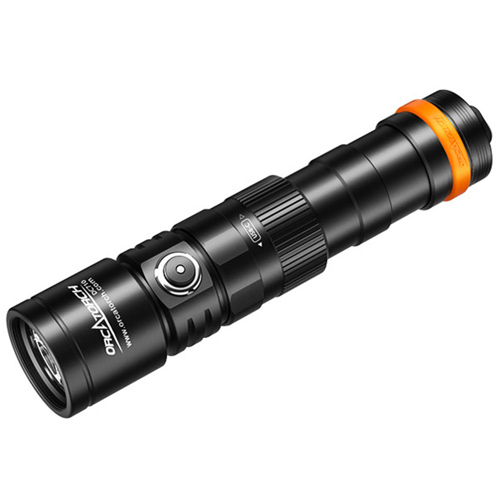
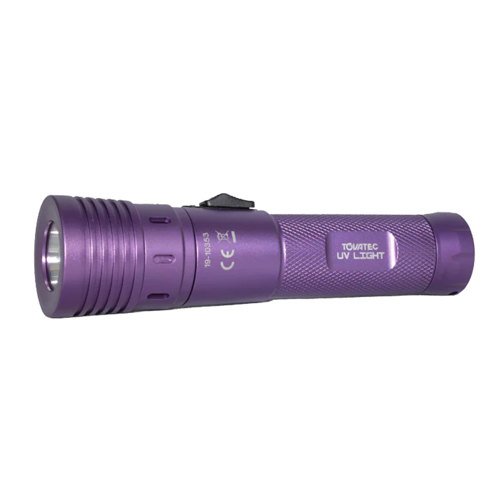
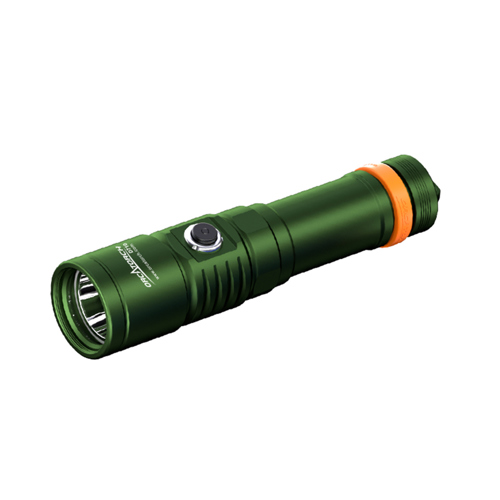
Selecting the ideal lighting setup is a personal journey shaped by your goals and the environments you explore. For close-up work, such as photographing nudibranchs nestled in coral or filming the subtle movements of a seahorse, strobes can deliver powerful bursts of light that freeze motion and restore true-to-life colors. Video lights, on the other hand, provide a steady glow that’s essential for wide-angle shots—illuminating entire reefscapes or the haunting corridors of a sunken vessel. The choice between a wide beam and a focused spot often comes down to subject matter: wide beams paint broad swathes of light across a scene, while narrow beams are perfect for highlighting specific details without stirring up backscatter. Managing backscatter is an art in itself; positioning your lights at an angle or using snoots can help avoid the “snow” effect caused by suspended particles. For those who love to experiment, filters and color temperature adjustments open up creative possibilities, from mimicking the warmth of daylight to revealing the hidden glow of bioluminescent organisms on a night dive. If you’re shopping for a holiday gift, lighting gear makes a thoughtful surprise for any diver or underwater imaging enthusiast, offering them the chance to see and share the ocean’s hidden palette.
Practical considerations are just as important as creative ones. Battery life, power output, and mounting options all play a role in ensuring your gear is ready for the conditions you’ll face. Powerful lights are essential for capturing wide, clear shots in deeper or murkier water, but they may require more frequent recharging—something to keep in mind during extended trips or liveaboard excursions. Modular systems allow for customization, letting divers adapt their setup to different dives, whether it’s a shallow lagoon teeming with color or a cavern where natural light barely penetrates. For those new to underwater lighting, it’s wise to start with versatile, easy-to-use equipment and gradually build up as your skills and ambitions grow. If you’re interested in learning more about the technical side of underwater lighting or want to explore options suited for clear water filming, our dedicated guide on
Underwater Lights For Clear Water Filming provides expert insights and recommendations. With the right tools, every dive becomes an opportunity to illuminate the underwater world in all its dazzling detail, turning fleeting moments into lasting memories.