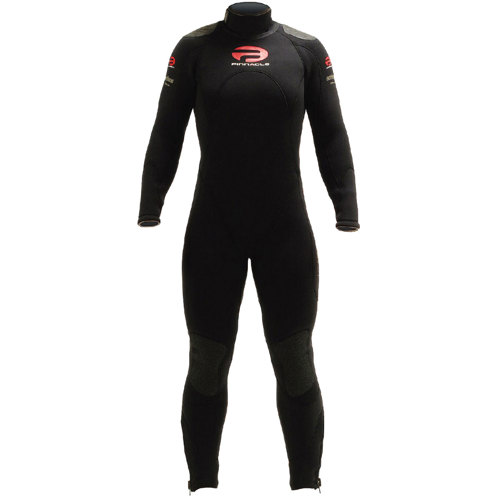
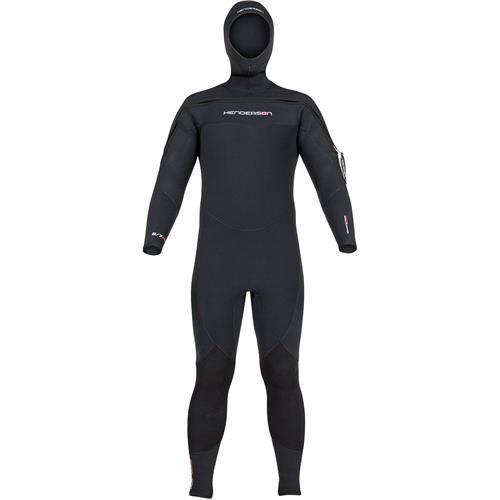
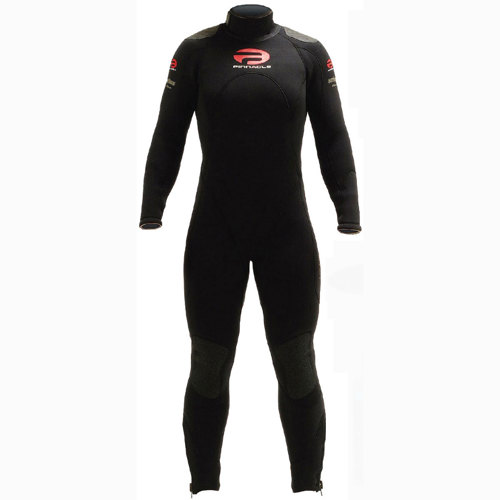
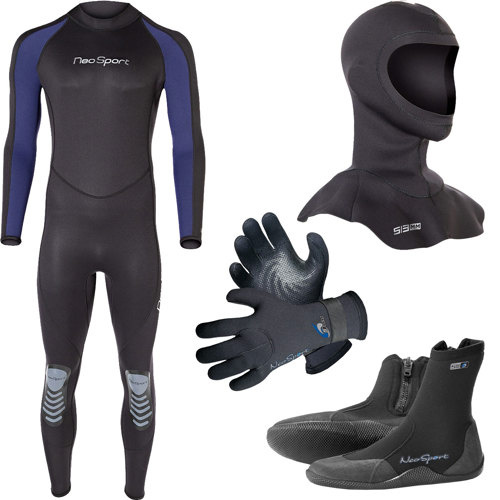
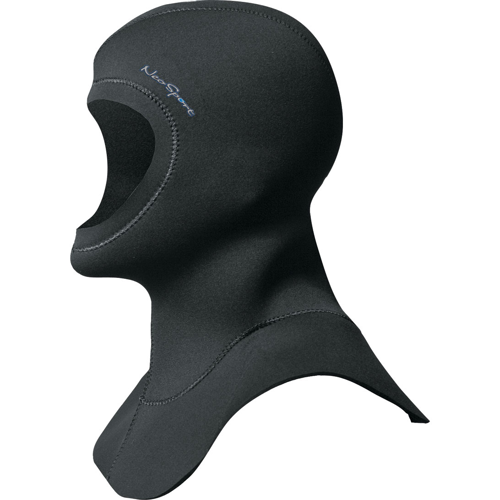
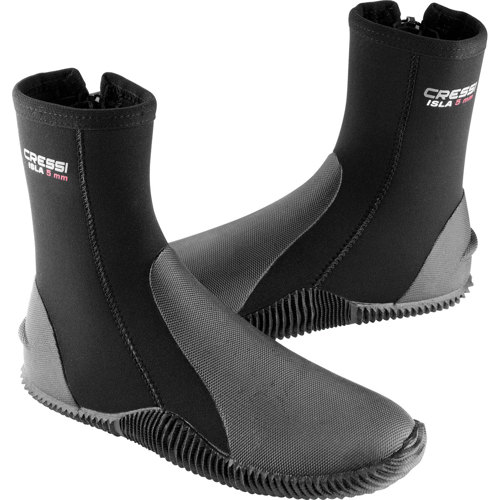
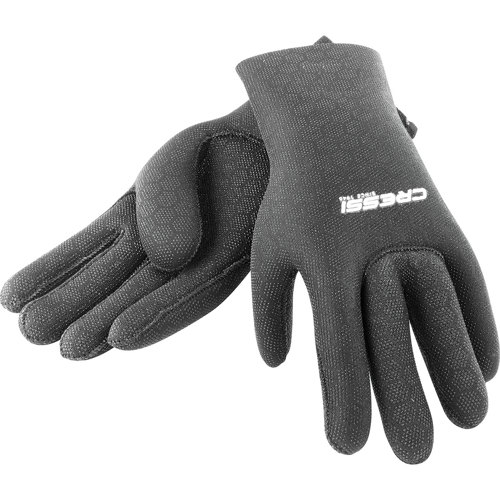
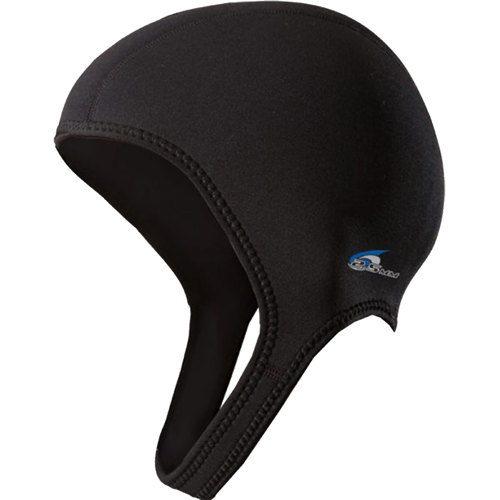
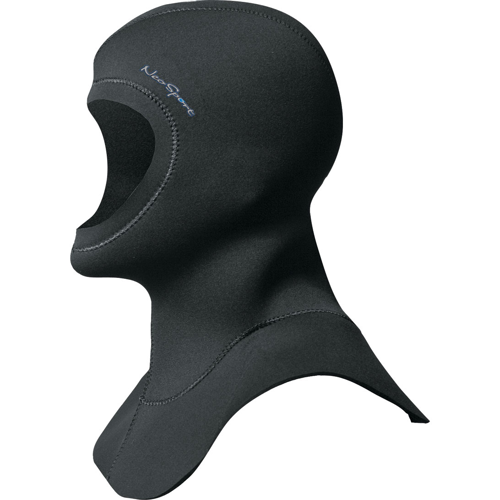
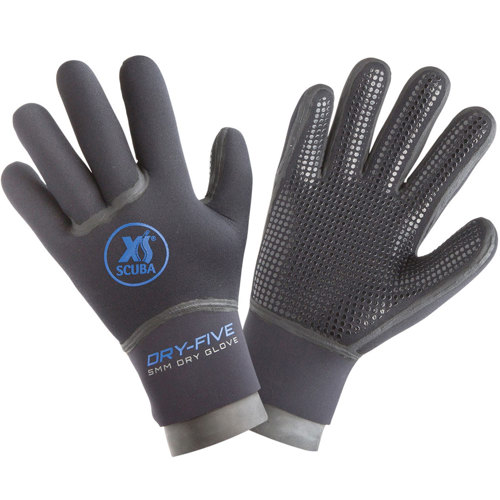
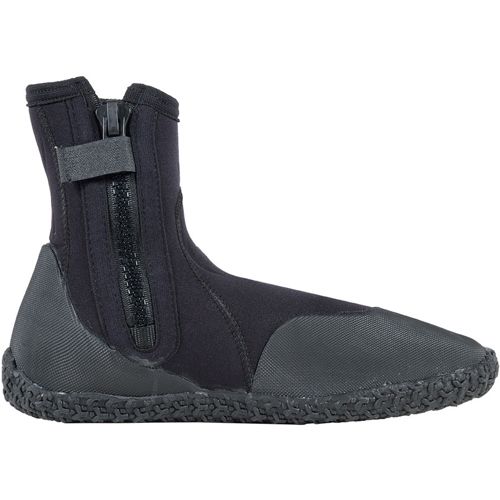
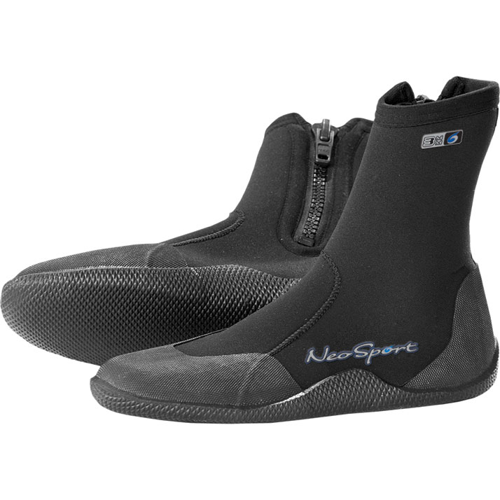
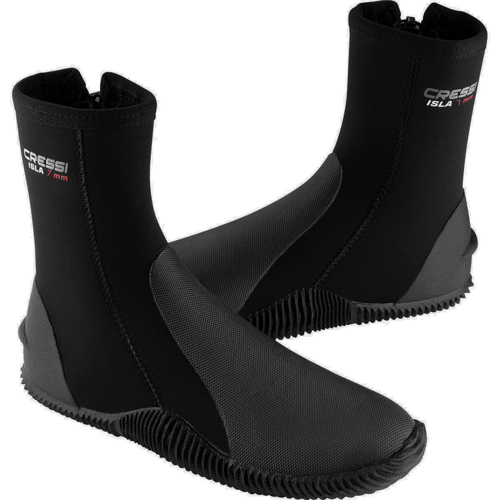
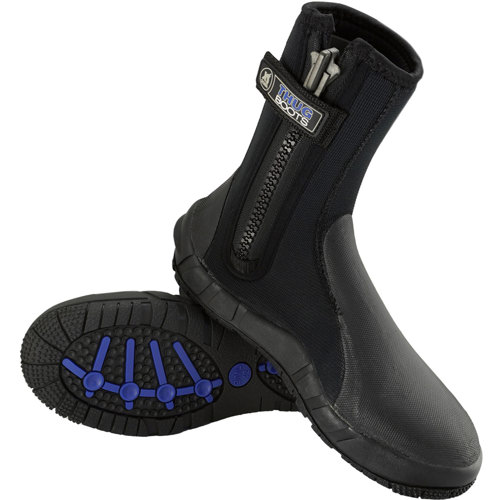
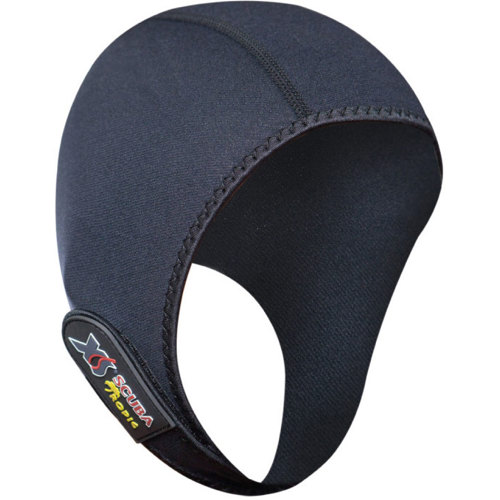
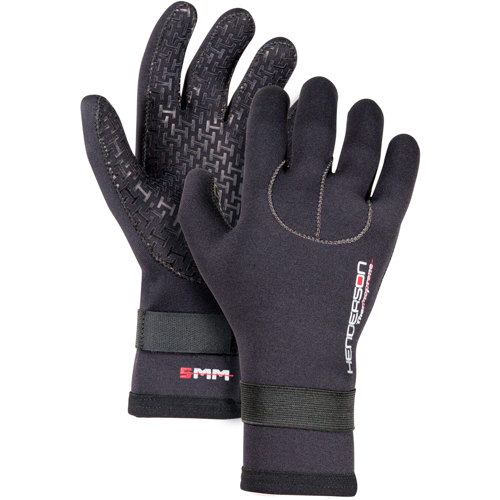
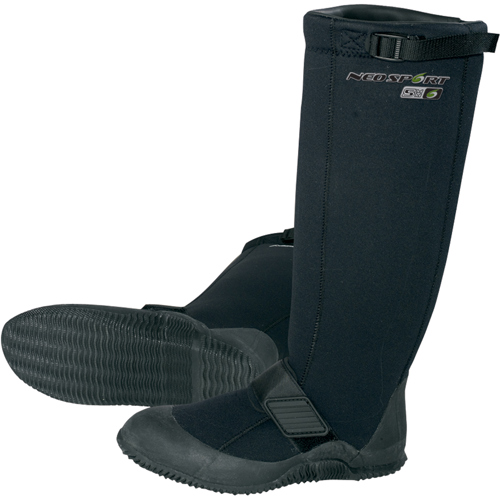
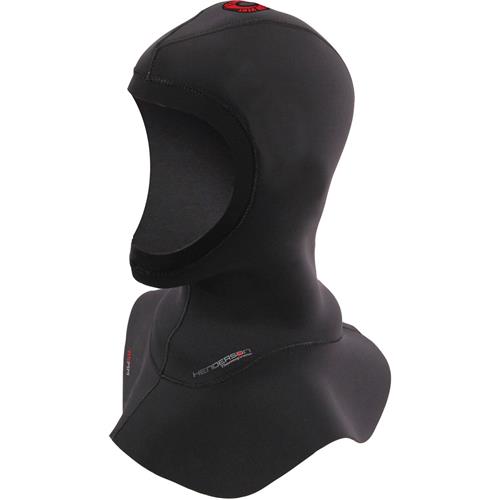
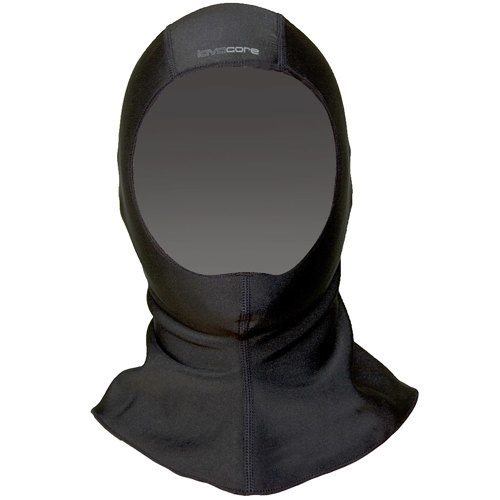
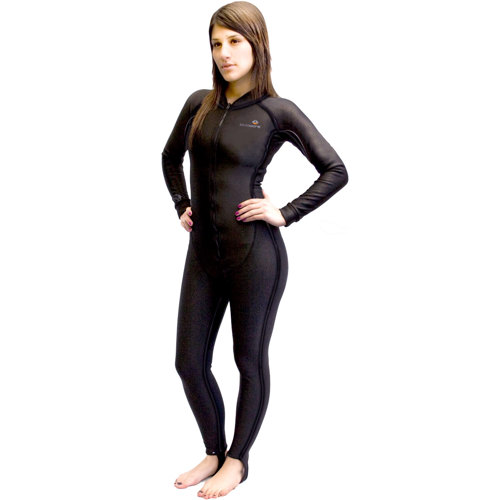
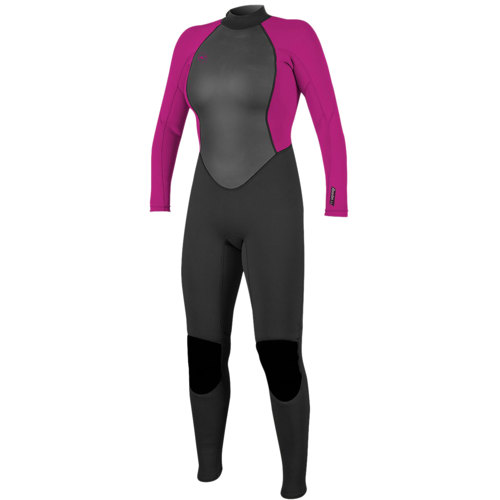
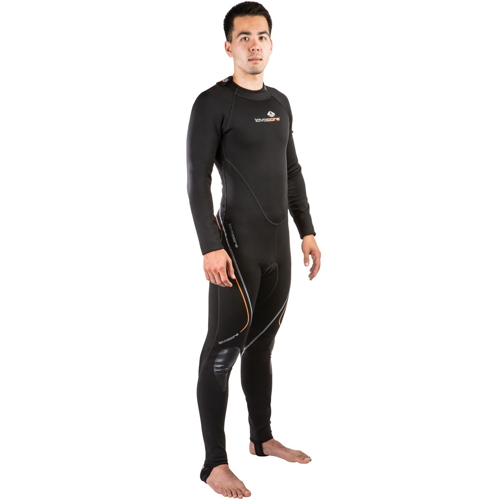
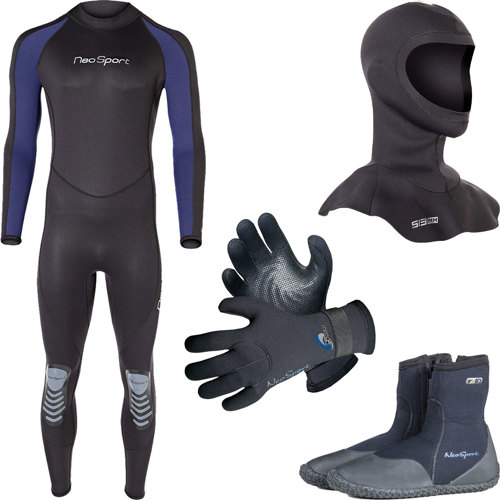
Diving in cold climates is a pursuit that calls for both respect and preparation, rewarding those who venture beneath the surface with a world unlike any other. The frigid waters of regions like the Pacific Northwest, Scandinavia, or the volcanic lakes of Iceland are home to unique marine life—wolf eels, giant Pacific octopuses, kelp forests, and even shipwrecks preserved by the cool temperatures. These environments, while stunning, demand specialized equipment designed to protect divers from the cold and to ensure safety during extended periods underwater. Exposure protection is at the heart of cold-water diving; a drysuit paired with thick, moisture-wicking undergarments is the gold standard, providing a barrier against icy water and allowing for customizable layering. For those diving in milder cold or on a budget, a 7mm or thicker wetsuit with an integrated hood, sturdy gloves, and boots can suffice, though the sensation of water seeping in is a reminder of the environment’s demands. Accessories like thick neoprene gloves and booties are not just comfort items but essentials, as extremities are the first to feel the bite of cold. Regulators, too, must be chosen with care—environmentally sealed models are engineered to prevent freezing, a critical safety feature when breathing in cold water.
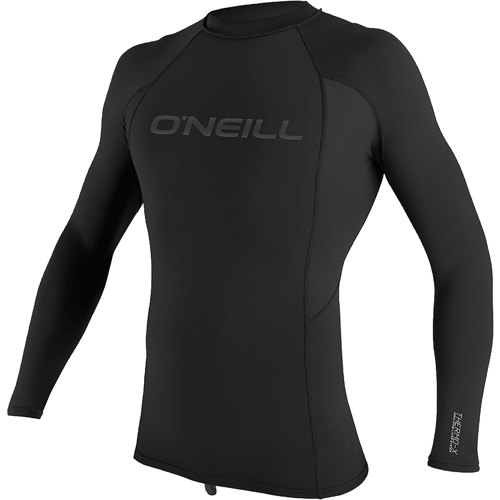
The right cold-water diving gear is a thoughtful investment for anyone drawn to the wild beauty and tranquility of winter or high-latitude diving. Experienced divers often remark on the meditative silence and crystal-clear visibility that cold water brings, especially in the heart of winter, when plankton blooms subside and the underwater world reveals its secrets in sharp relief. For those new to these environments, the learning curve is steep but deeply rewarding. Layering is key: a moisture-wicking base layer, an insulating mid-layer (such as fleece or wool), and the outer drysuit create a microclimate that can make the difference between an enjoyable dive and a shivering retreat. The additional buoyancy from these layers means adjusting weight systems—steel tanks and integrated weight pockets are common solutions. Safety is paramount: conservative dive profiles, longer safety stops, and gradual ascents help mitigate the increased risk of decompression sickness, as cold water slows the body’s ability to eliminate inert gases. Pre-dive rituals become more important, too; warming up with hot drinks, eating energy-rich foods, and donning thermal layers before gearing up can set the stage for a successful dive. After surfacing, warming up slowly is crucial to avoid post-dive complications.
Cold-water diving gear also makes a thoughtful and practical gift for adventurous divers, particularly during the winter months when birthdays, holidays, or upcoming dive trips provide the perfect occasion. Whether for a seasoned explorer eager to tackle new underwater landscapes or for someone preparing for their first foray into brisker waters, these products support both safety and comfort. Many divers cherish the camaraderie that develops on cold-water trips—sharing tips on layering, swapping stories about encounters with rare marine life, and savoring the hot drinks that await after a dive. For families and friends, gifting quality cold-water gear is a way to encourage new experiences and build lasting memories. For those considering their first cold-water adventure, or looking to refine their setup, our curated product list is a starting point for assembling the right kit. For a deeper dive into preparation, safety, and expert tips, be sure to visit
Preparing For Cold Water Dives for comprehensive guidance on making the most of these extraordinary underwater experiences.