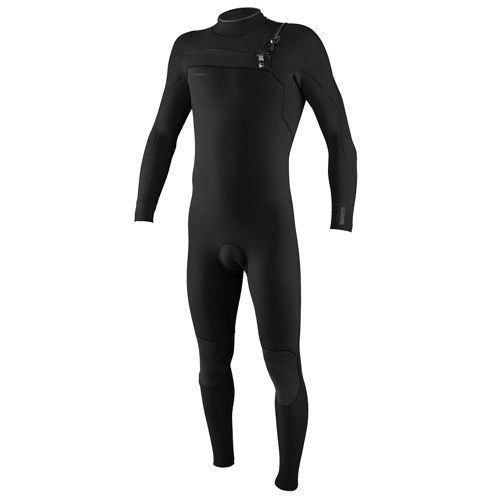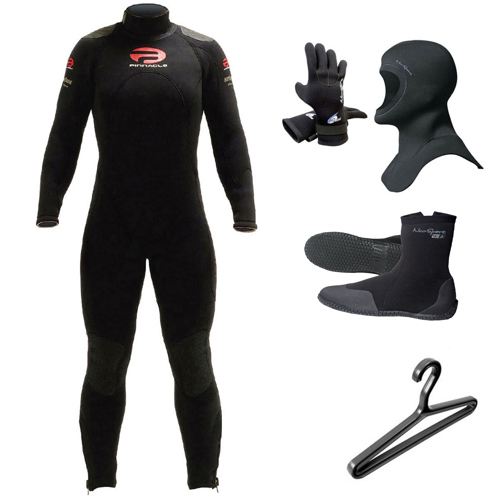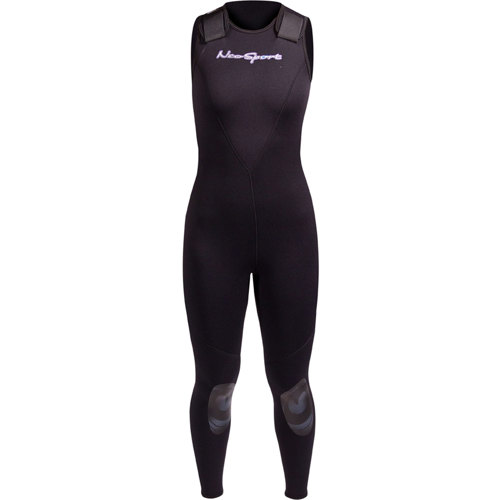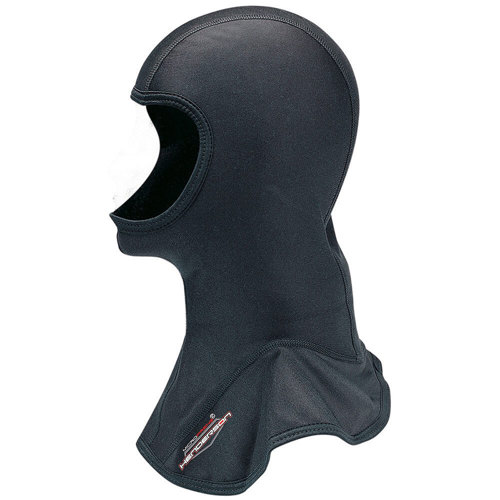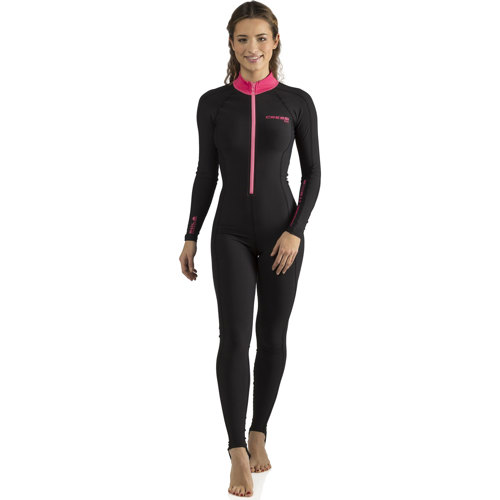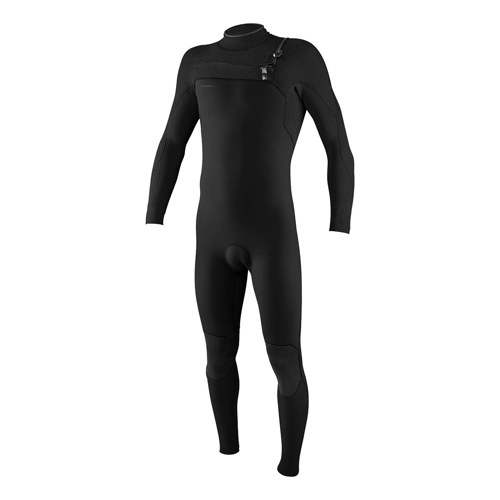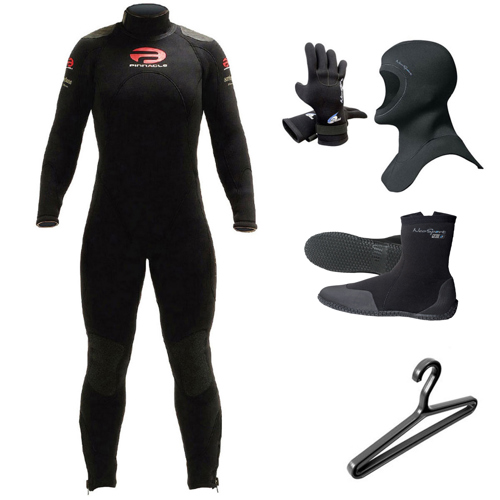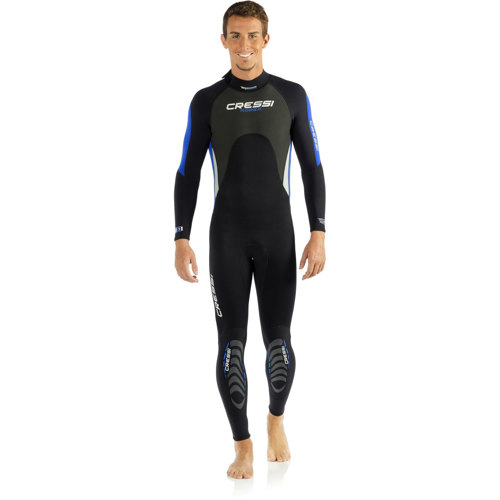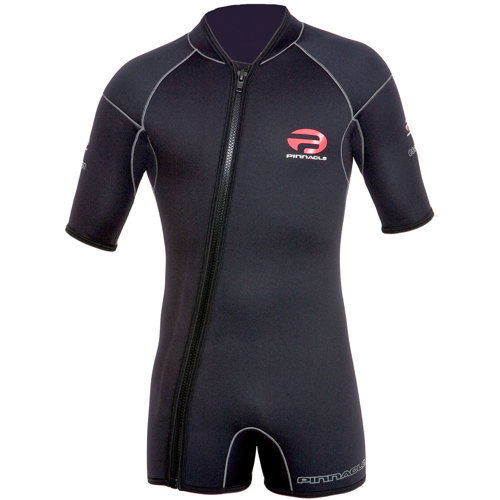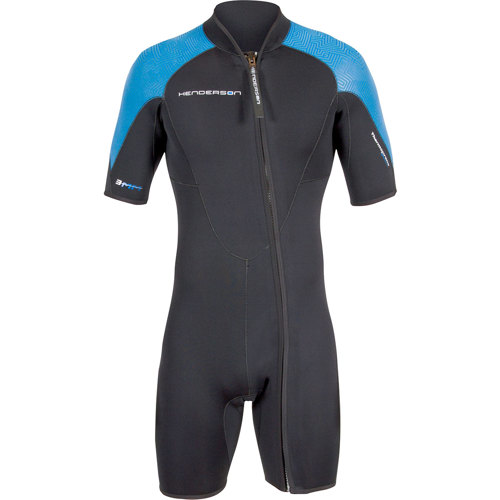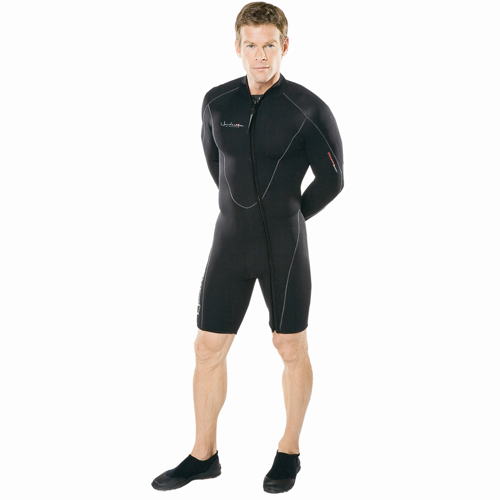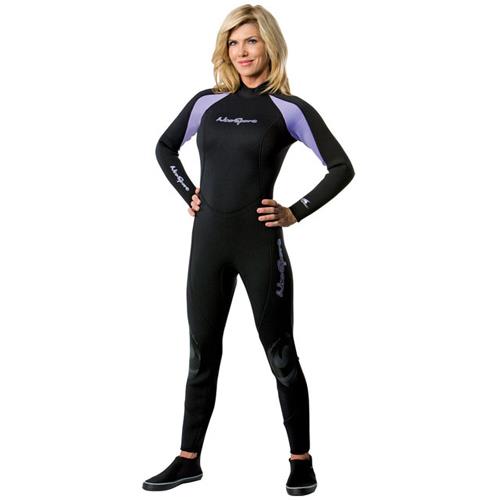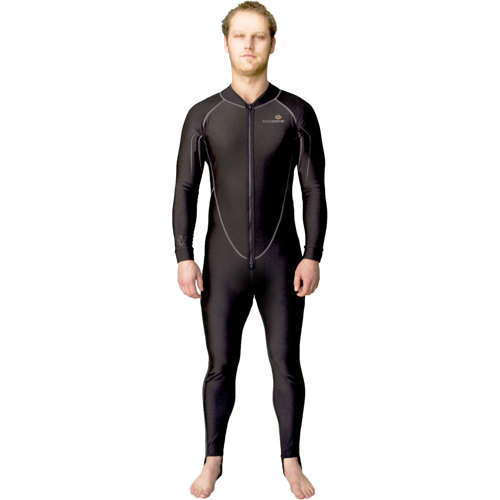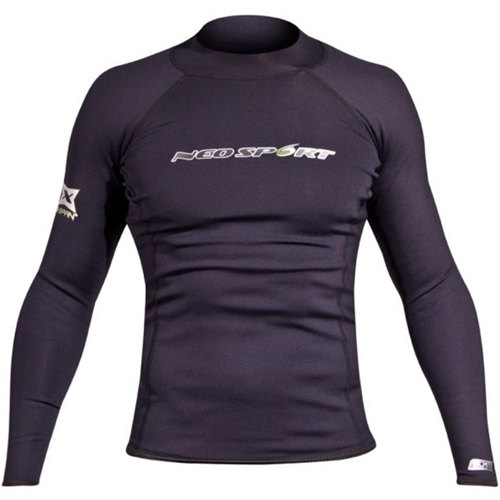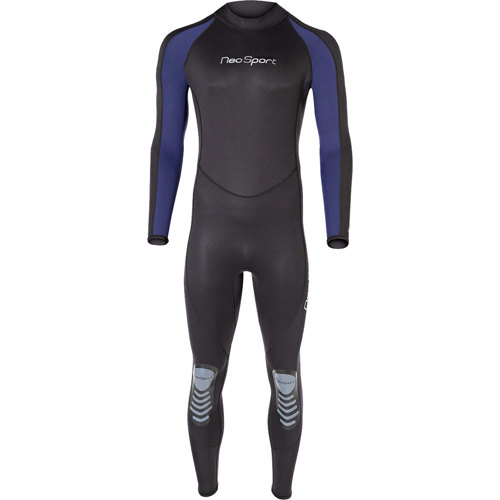
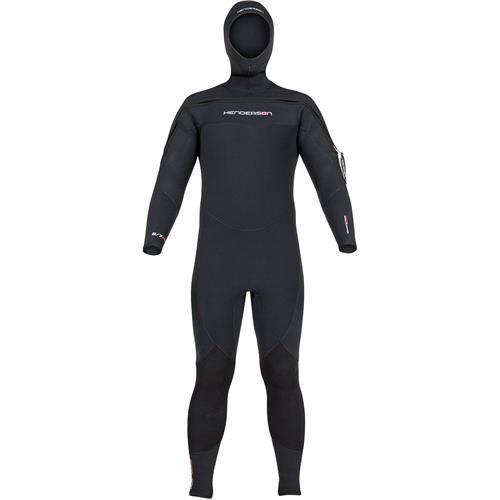
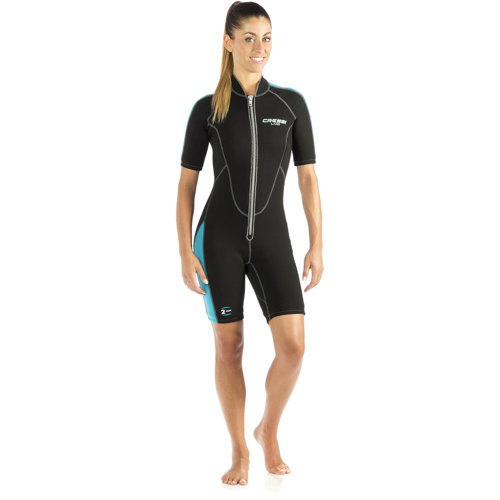
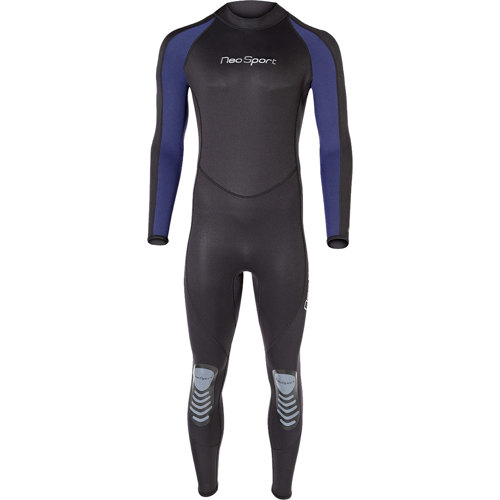
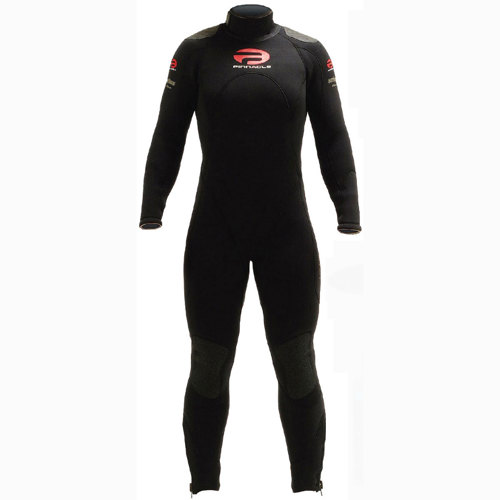
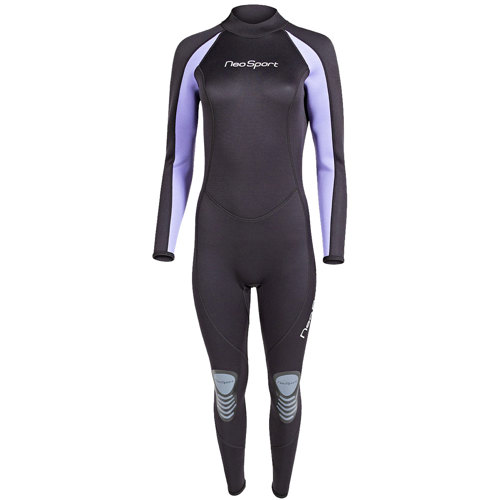
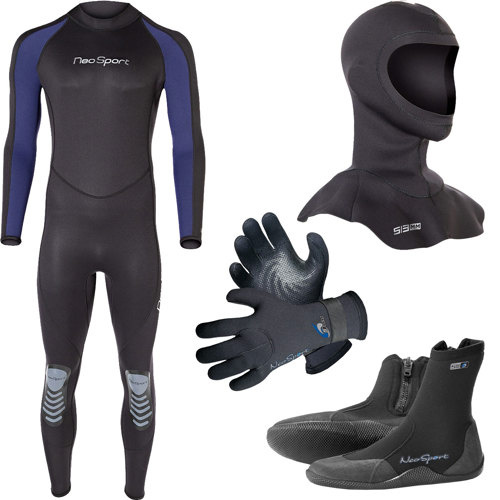
When choosing gear to maintain warmth during dives, understanding the interplay between water temperature, suit thickness, and fit is essential for a comfortable and safe underwater experience. As the seasons shift and water temperatures vary, the right diving suit becomes a crucial piece of equipment for anyone venturing below the surface—whether you’re a seasoned diver exploring deep wrecks, a snorkeler gliding over coral reefs, or a beginner taking your first open water class. The foundation of diving suit warmth lies in the material and thickness: neoprene wetsuits are engineered in a range of thicknesses, typically from 2mm for tropical waters to 7mm or more for colder conditions. In warmer climates, a thin shorty or springsuit provides just enough insulation to stave off chills without overheating, while in cooler environments, a full-length wetsuit with sealed seams and a snug, contoured fit is vital to minimize water exchange and preserve body heat. For those braving the coldest waters, drysuits paired with insulating undergarments offer a dry barrier, allowing for extended dives even when the water temperature dips well below comfort levels.
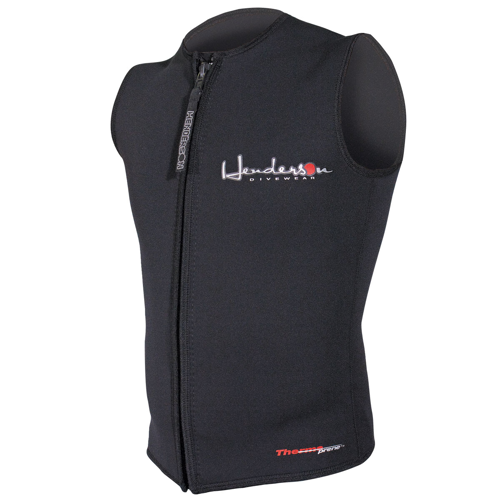
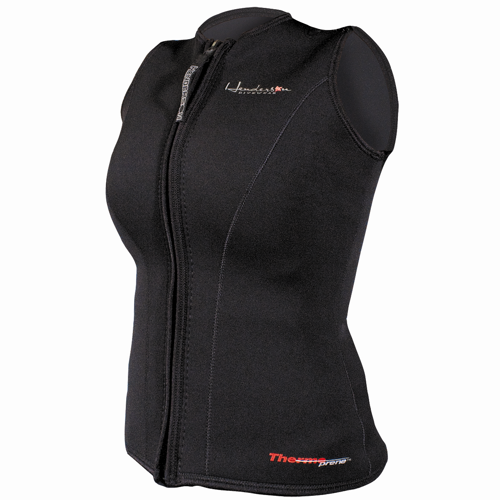
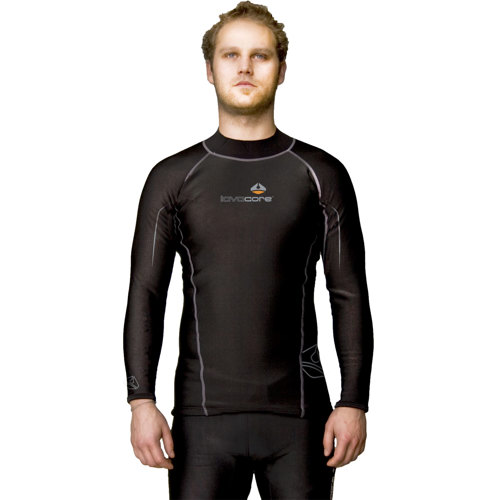
Selecting the right suit involves more than just matching thickness to temperature charts—it’s about matching your personal tolerance for cold, the duration and depth of your dives, and the type of activities you’ll pursue underwater. A diver spending hours on a multi-dive dayboat trip may require more insulation than a snorkeler on a quick reef tour. Accessories such as hoods, gloves, and boots are also key players in the warmth equation, as extremities are particularly vulnerable to heat loss. Layering options, like adding a neoprene vest or shorty beneath a full suit, can offer extra core warmth without sacrificing mobility. Fit remains paramount: a suit should feel like a second skin, comfortably snug without restricting movement, to ensure minimal water circulation and maximum heat retention. This attention to detail not only enhances comfort but also supports safety, as excessive heat loss can lead to fatigue and hypothermia even in relatively mild conditions.
Diving suits designed for warmth make thoughtful gifts for water enthusiasts, especially for those planning dive trips to new destinations or looking to extend their season as the water cools. Giving the gift of warmth means offering more than just gear—it’s the promise of longer, more enjoyable adventures beneath the waves, whether it’s for a friend preparing for a certification course, a family member returning to their favorite dive site, or a partner who loves exploring kelp forests and shipwrecks. As you consider options for yourself or others, keep in mind that advances in materials and construction have made modern suits more flexible, durable, and effective at trapping warmth than ever before. For more insights into achieving optimal comfort and protection in the water, explore our comprehensive guide at
Diving Warmth And Comfort, where you’ll find expert advice and additional resources to help you make informed decisions for your next underwater adventure.