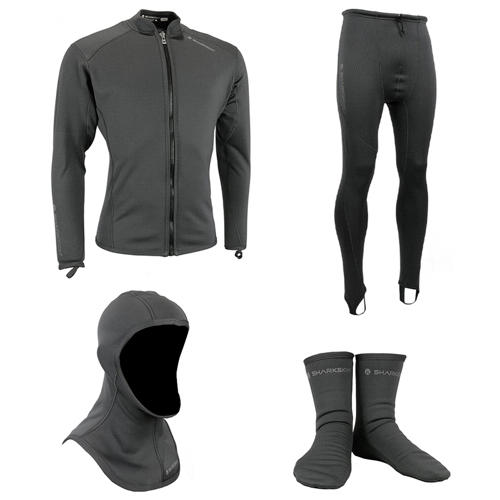
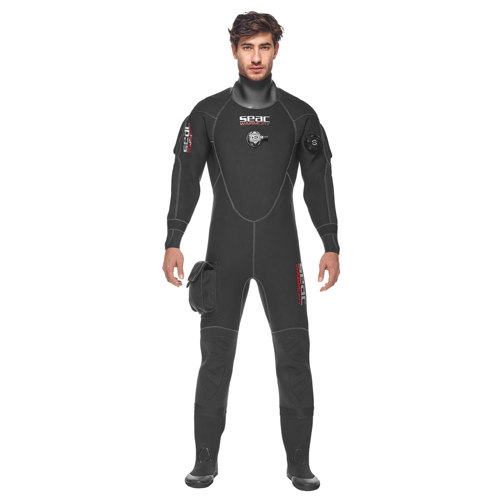
Diving in extreme weather conditions presents a unique set of challenges, requiring specialized gear designed for maximum thermal protection, durability, and adaptability. As winter deepens and water temperatures drop well below comfortable levels, the right equipment makes all the difference between an exhilarating adventure and an uncomfortable, even dangerous, experience. For divers venturing into icy lakes, frigid coastal waters, or exposed sites where wind chill and surface conditions can turn harsh in a heartbeat, a proper drysuit becomes more than a luxury—it’s an essential safeguard. Drysuits are engineered to keep you completely dry, allowing you to layer insulating undergarments beneath for tailored warmth. This system is especially valuable for those engaging in extreme scuba activities such as ice diving, deep winter explorations, or scientific research in polar regions, where water temperatures can hover near freezing. The ability to adjust your insulation by adding or removing layers means you can fine-tune your comfort, whether you’re braving a December dawn or diving under a crust of sea ice.
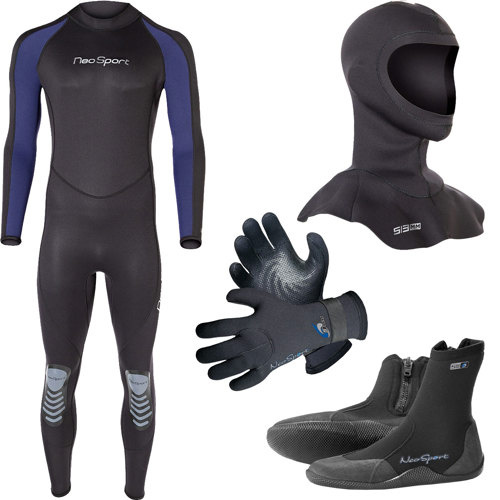
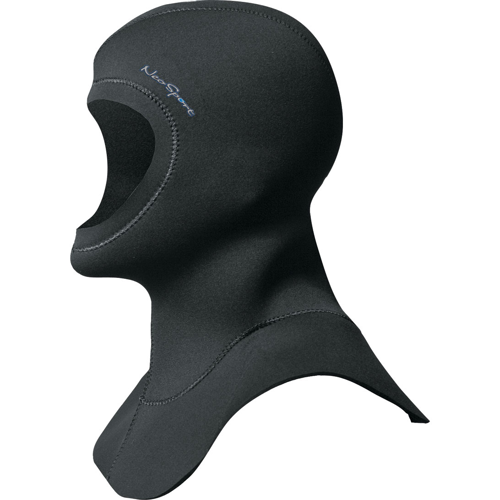
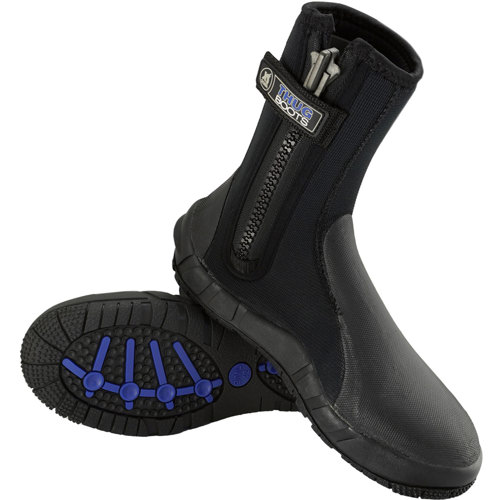
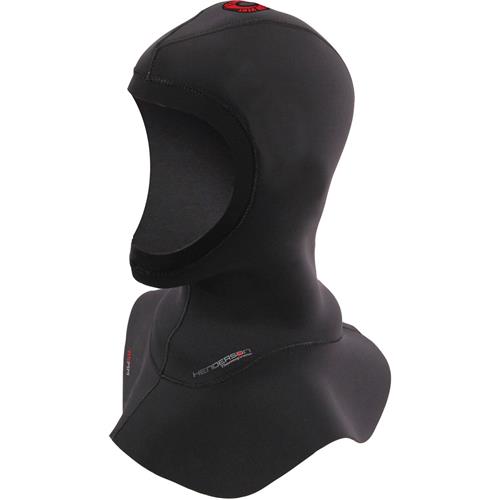
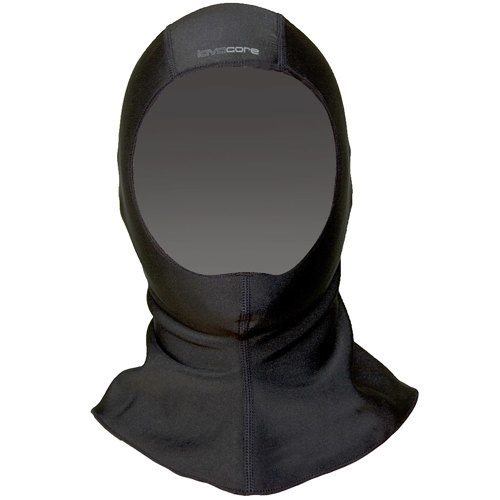
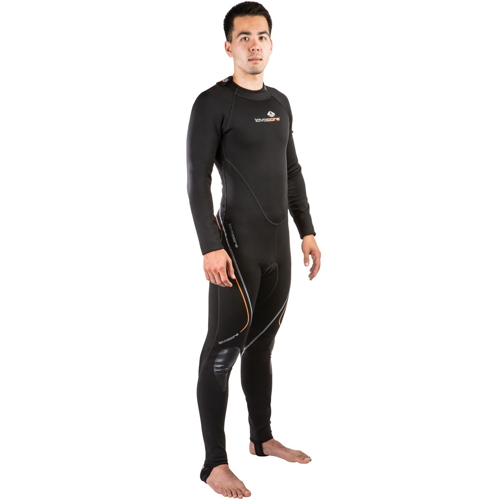
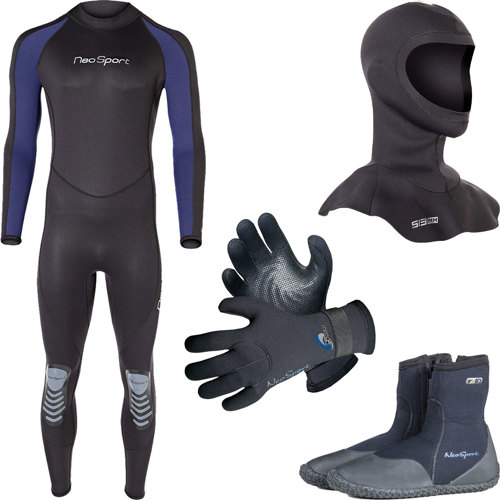
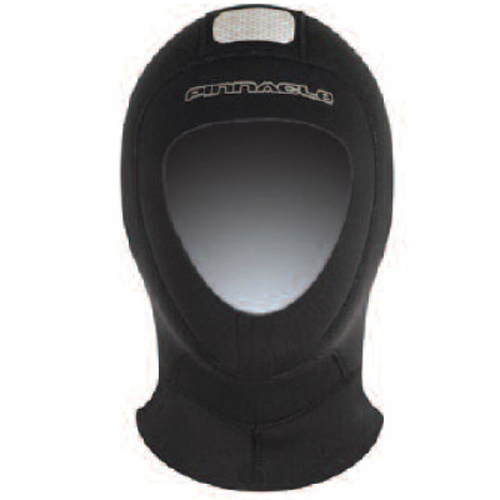
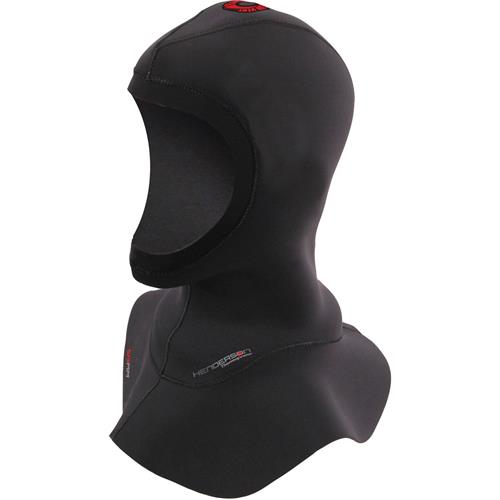
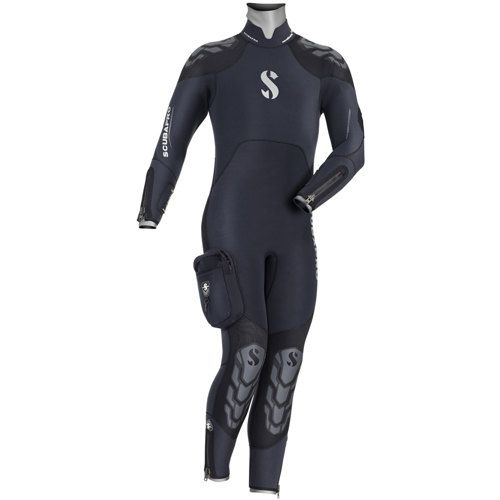
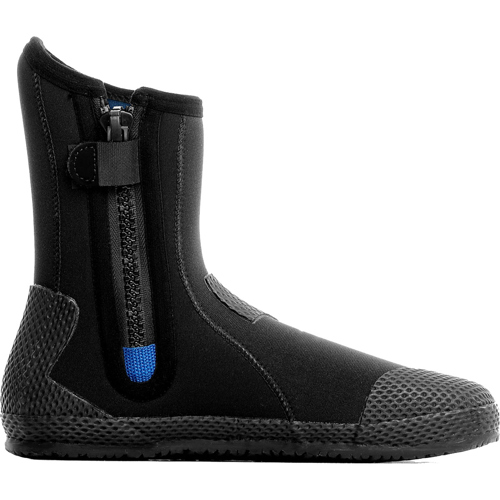
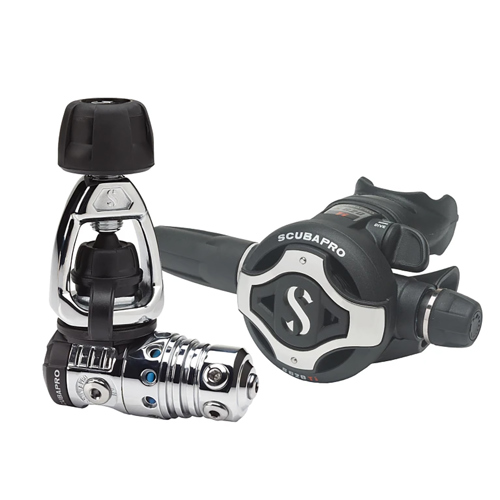
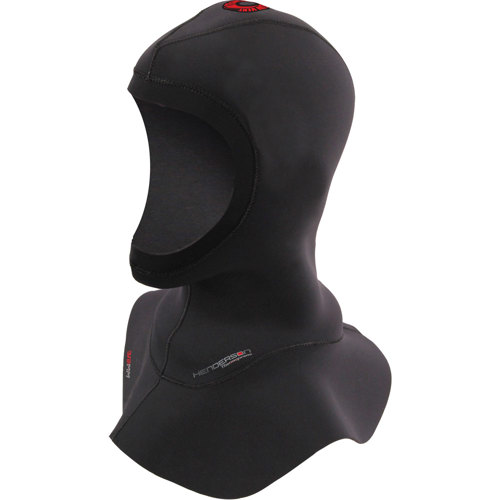
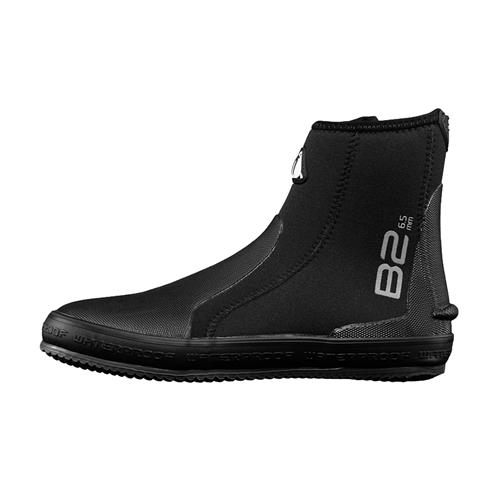
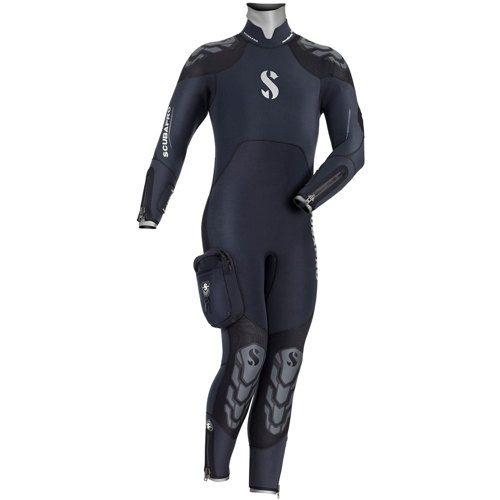
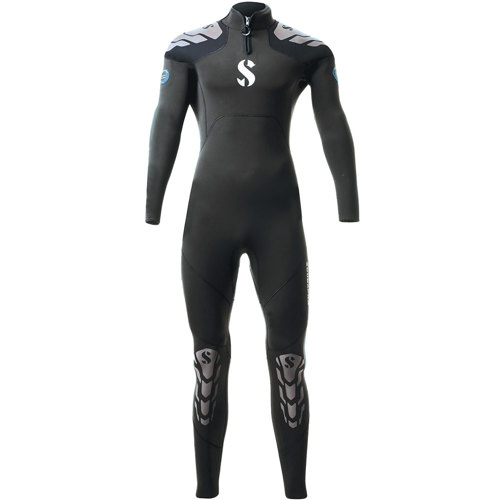
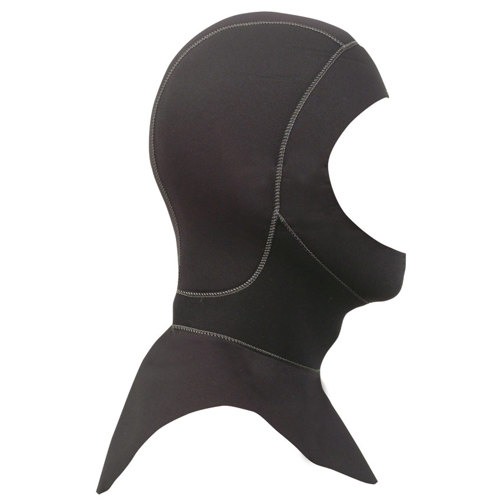
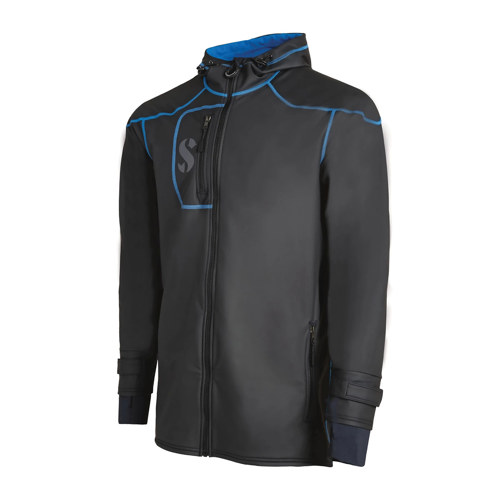
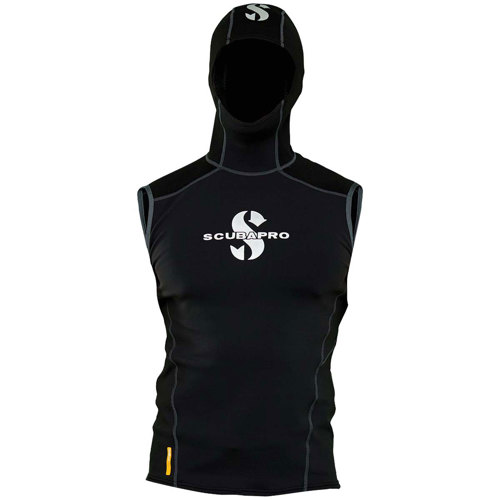
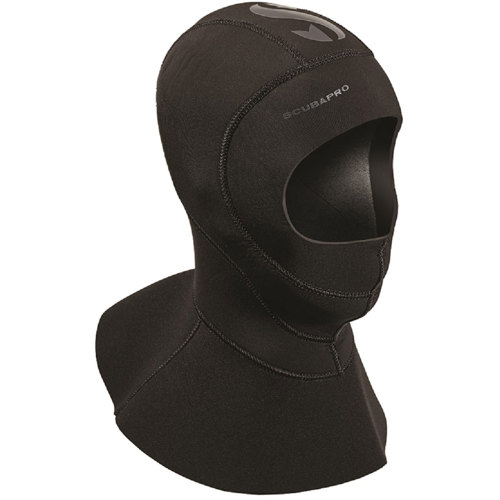
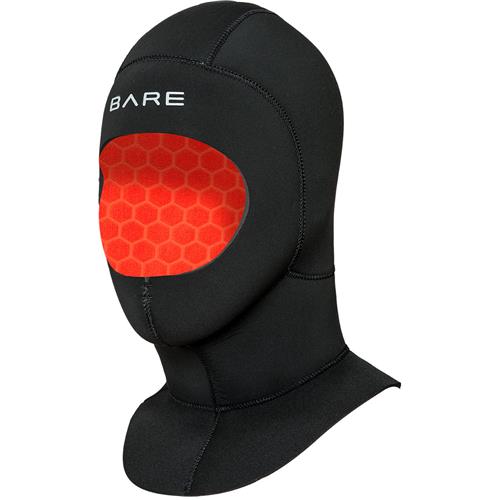
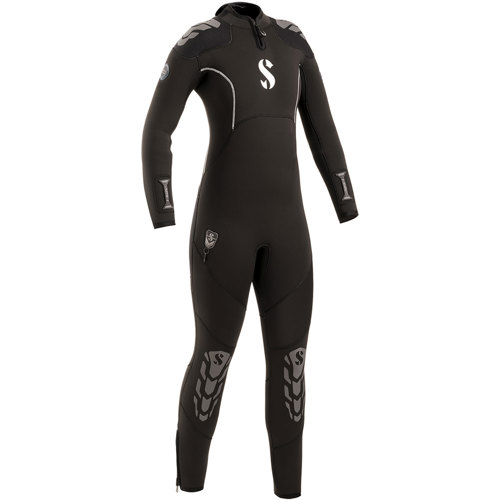
For those who may not require the full protection of a drysuit, heavy-duty wetsuits or semi-dry suits offer a robust alternative for moderately cold environments. These suits use thick neoprene and advanced seam-sealing techniques to lock in warmth, making them suitable for shoulder seasons or temperate climates where water temperatures are chilly but not extreme. However, no matter how insulated your core, heat loss from the extremities remains a primary concern. That’s why hoods, gloves, and boots—crafted from dense neoprene or even layered with thermal linings—are indispensable for extreme weather diving. Thick gloves, sometimes designed as mittens, help prevent numbness and maintain dexterity during critical tasks, while boots insulate your feet against cold seafloors and hoods shield the head, which is particularly susceptible to rapid heat loss. Cold-water regulators, designed to resist freezing, and backup equipment are also vital for safety in these environments. Whether you’re a seasoned technical diver, a researcher collecting winter samples, or a recreational enthusiast pushing your boundaries, investing in extreme weather diving gear ensures you can explore with confidence and comfort.
Selecting the right gear for extreme conditions is also about knowing your environment and personal tolerance to cold. Some divers find joy in the silence and clarity of a winter underwater world, where ice formations refract sunlight into dazzling patterns and marine life behaves differently than in warmer months. For others, extreme scuba gear makes it possible to join guided expeditions, participate in underwater photography workshops, or simply extend their diving season year-round. These products also make thoughtful gifts for the adventurous diver in your life, especially as the holidays approach and the allure of new experiences beckons. When considering a purchase, think about not only the water temperature but also the duration and intensity of your dives, as well as your own comfort preferences. Layering options, fit, and ease of donning and doffing become particularly important with thicker suits and accessories. For a comprehensive look at clothing options tailored to the most demanding environments, visit our dedicated page on
Extreme Temperature Diving Clothing, where you’ll find detailed information to help you make the best choices for your next cold-water adventure.