Diving in cold water transforms the underwater world into a realm of stark beauty—kelp forests sway in the green gloom, shipwrecks loom in the silence, and marine life flourishes in ways unique to cooler climates. Yet, these environments demand respect and preparation, especially when it comes to warmth. The right gear is not just about comfort; it’s essential for safety and enjoyment, whether you’re an experienced technical diver exploring deep northern wrecks, a traveling adventurer braving winter shore dives, or a thoughtful gift-giver looking to support a loved one’s passion for year-round exploration. Those who venture into colder waters—be it local lakes in early spring, temperate coastal sites in December, or ice diving expeditions—know that warmth is the foundation of a successful dive. The body loses heat up to 25 times faster in water than in air, and the chill can sap energy, dull judgment, and even increase the risk of decompression sickness. That’s why divers invest in specialized exposure protection, layering systems, and accessories designed to insulate, block wind, and seal out cold at every vulnerable point.
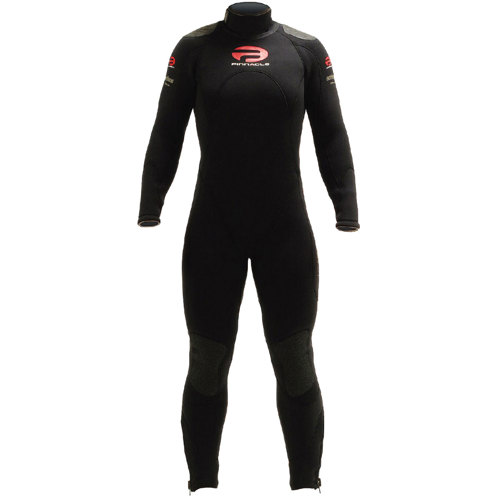
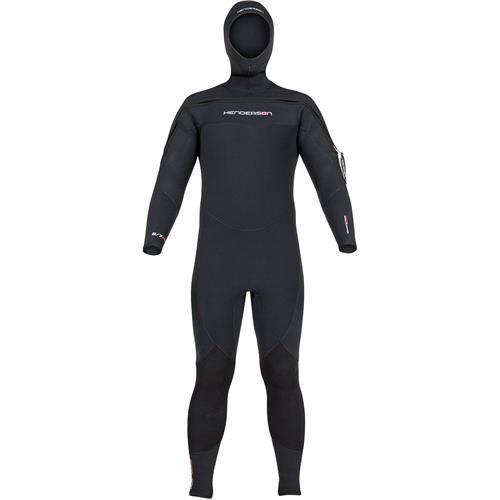
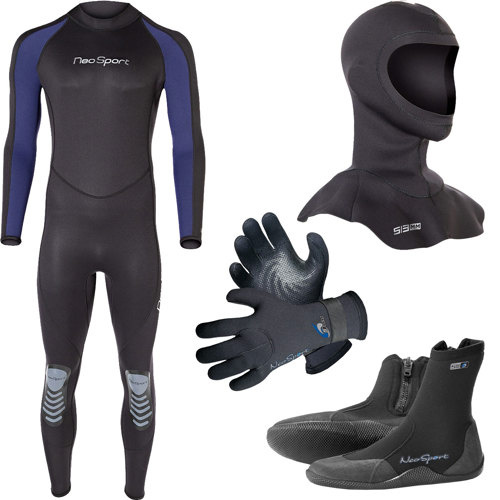
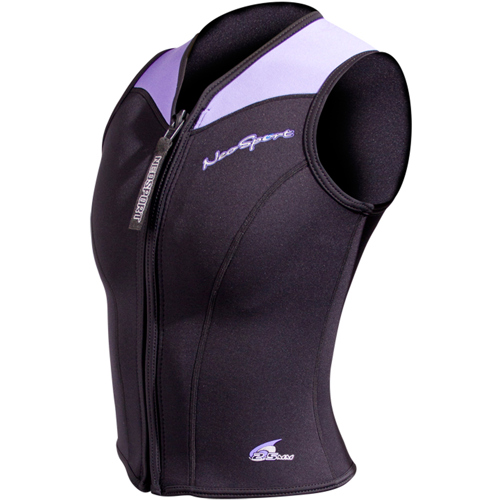
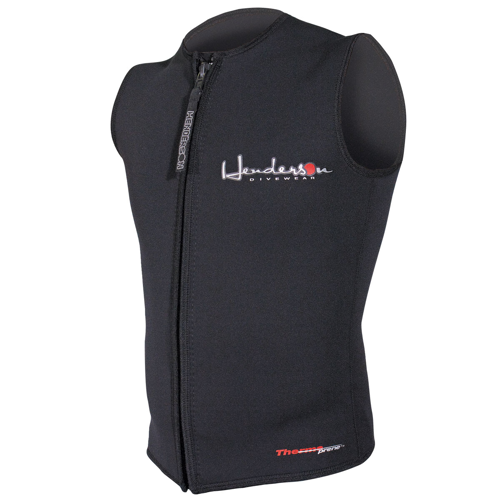
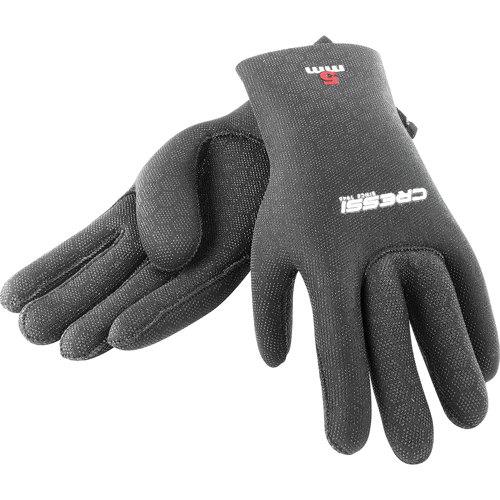
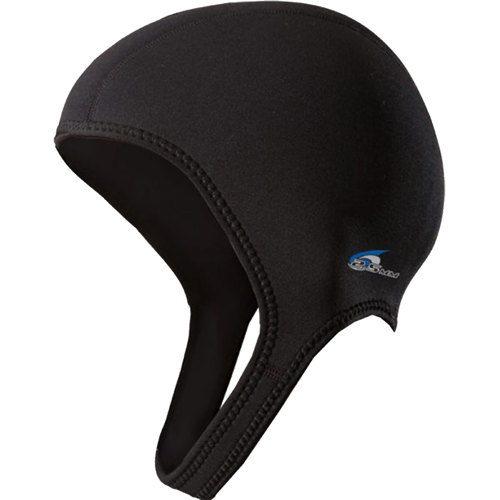
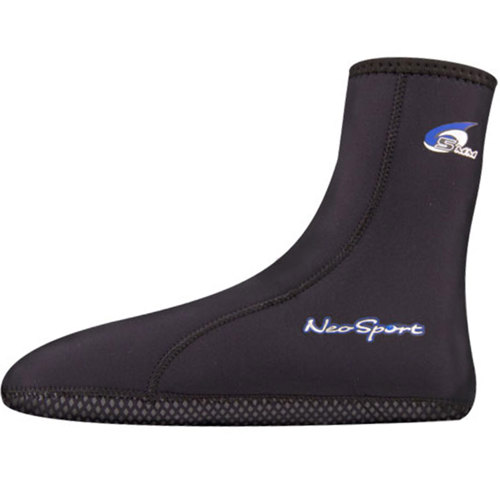
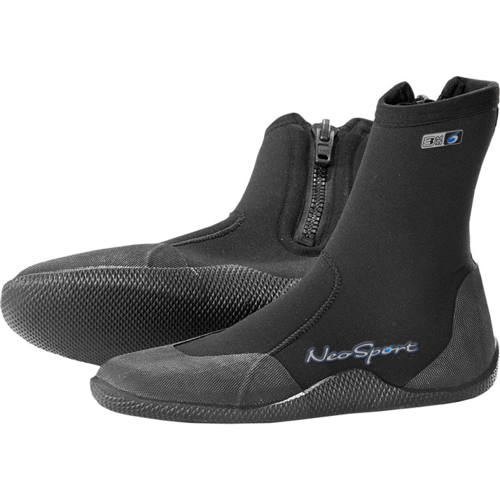
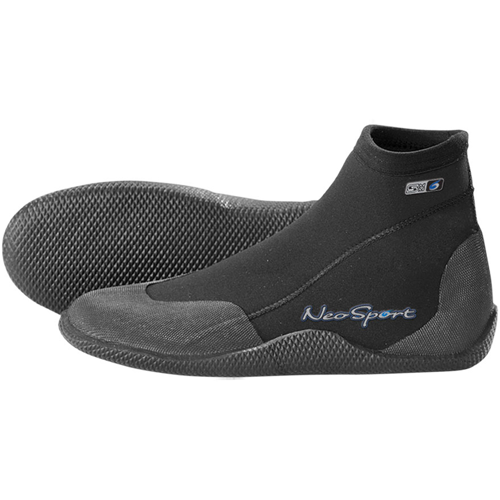
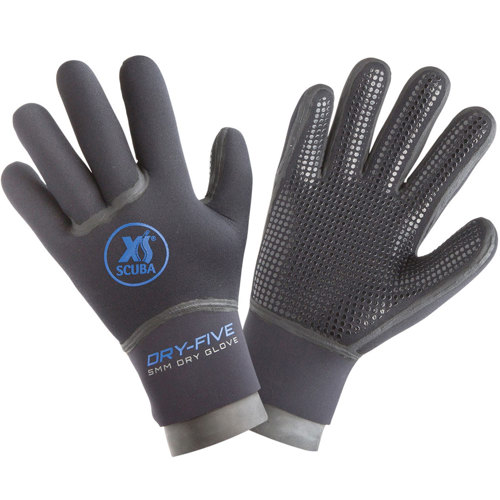
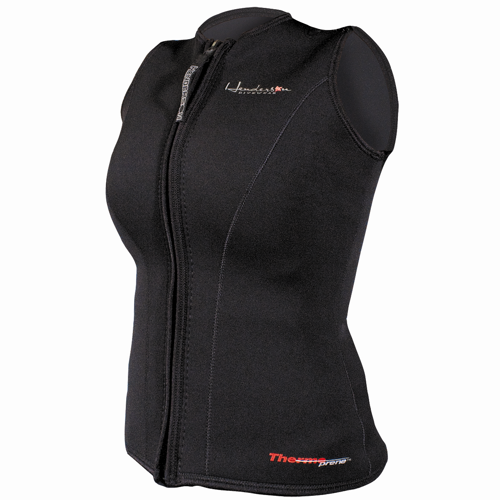
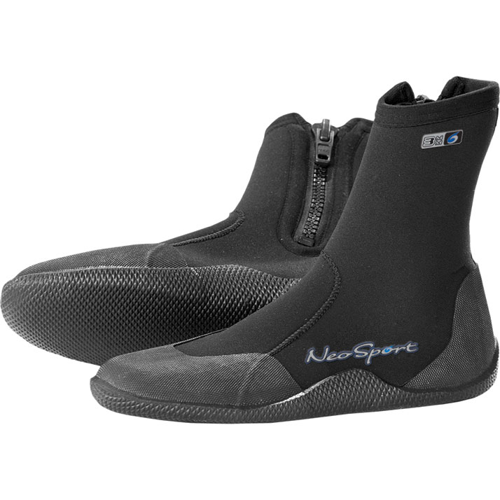
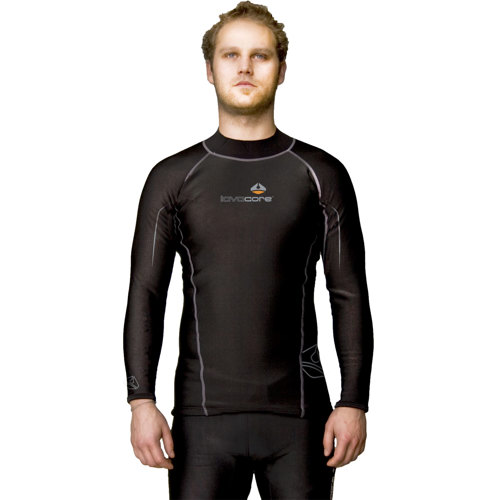
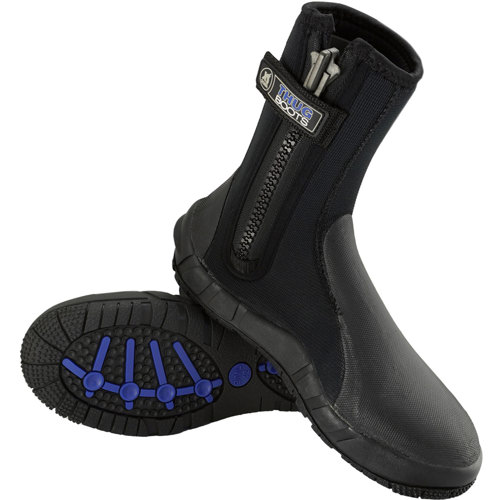
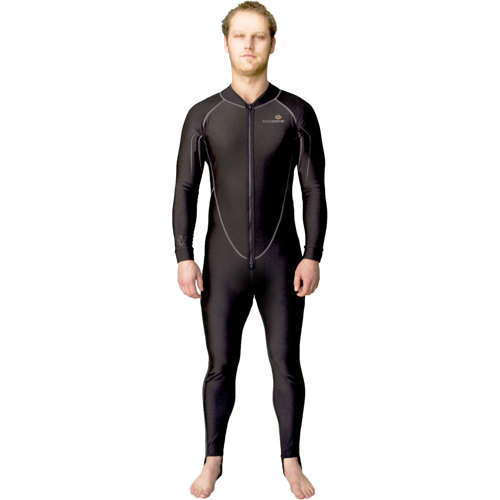
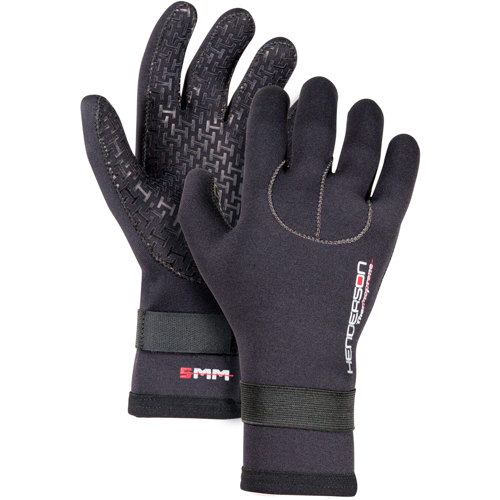
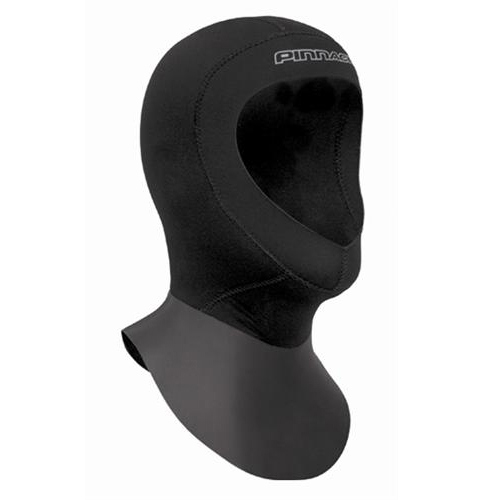
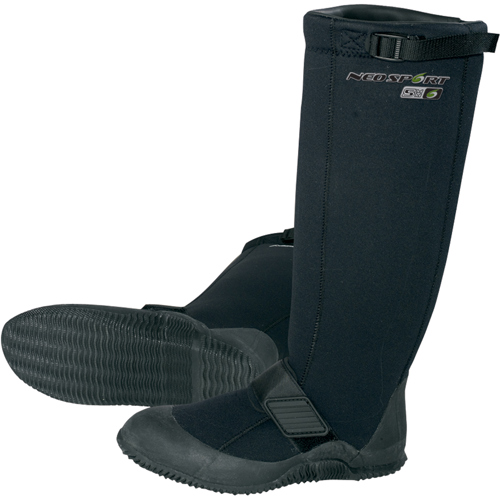
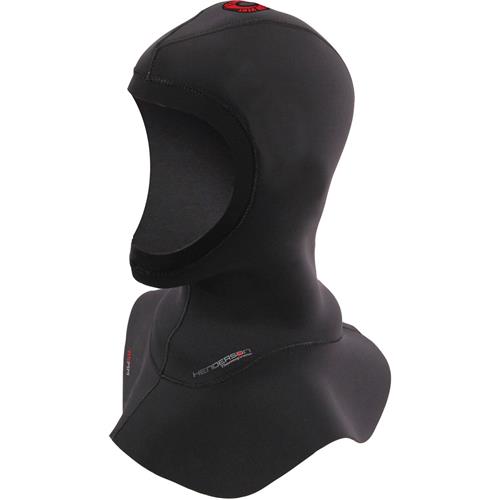
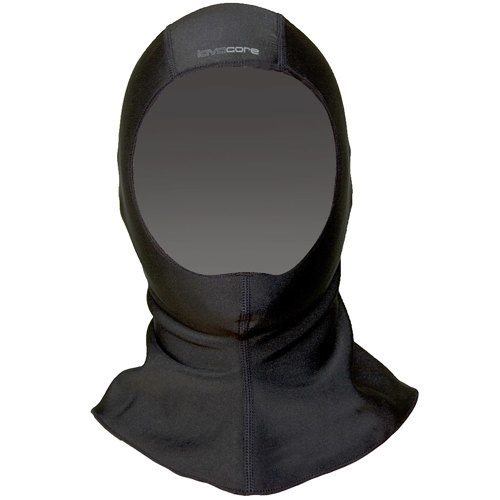
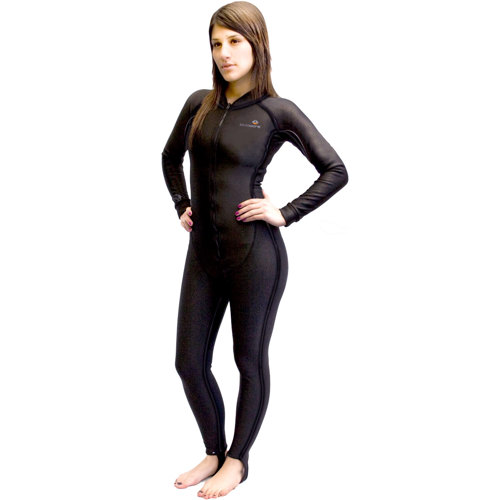
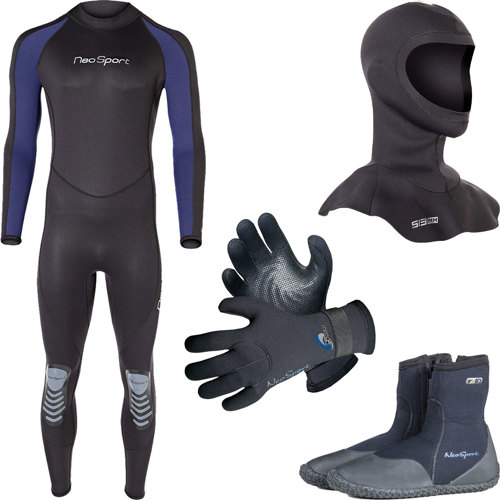
Selecting the right combination of thermal protection starts with understanding the environment and duration of your dives. For truly frigid conditions, a drysuit paired with insulating undergarments is the gold standard, offering a barrier against water intrusion and the ability to adjust warmth by layering. In slightly warmer but still brisk waters, thick wetsuits—typically 5mm to 7mm—provide a snug fit that traps a thin layer of water, which the body warms to create an effective buffer. Essential accessories such as hoods, gloves, and boots are not afterthoughts but critical components; the head, hands, and feet are especially vulnerable to heat loss, and even a brief lapse in protection can turn a dive from exhilarating to uncomfortable. Seasoned divers often recall the difference a well-fitted hood or a pair of robust gloves made during a long winter dive, their dexterity and focus preserved thanks to these simple but vital additions. For those pushing into extreme cold or spending extended periods submerged, heated undergarments or full-face masks can make the difference between a short, shivering swim and a truly immersive experience, allowing for longer bottom times and more vivid memories.
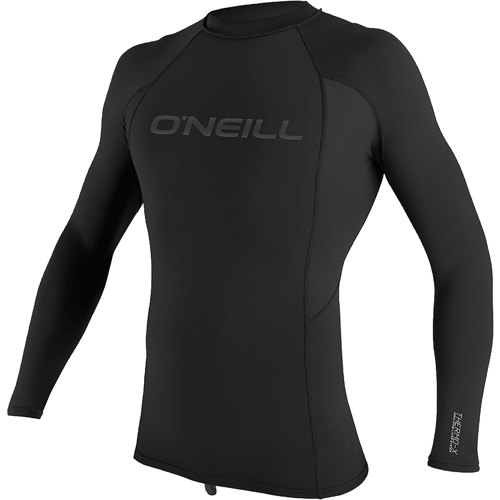
Gift-givers will find that cold water warmth gear is a thoughtful choice for any diver who refuses to let the season dictate their adventures. From new students eager to extend their training into the off-season, to longtime enthusiasts who cherish every opportunity to dive, the gift of warmth is both practical and personal. It’s not uncommon to see dive buddies sharing tips on layering techniques, or families swapping stories about winter dives made possible by a new set of thermal liners or a pair of plush socks. Beyond the water, warmth-focused apparel—like fleece-lined jackets, beanies, and thick socks—helps maintain comfort between dives, whether you’re huddled on a windswept boat deck or preparing gear on a frosty morning. Nutrition and hydration also play a role; experienced divers often pack thermoses of warm broth and energy-rich snacks to refuel and rewarm after surfacing. Above all, maintaining warmth is about more than gear—it’s about preparation, self-awareness, and making choices that let you enjoy the underwater world to its fullest, regardless of the temperature. For those looking to explore all the ways to stay cozy and safe beneath the surface, our comprehensive
Diving Warmth And Comfort resource covers everything you need to know for your next cold water adventure.