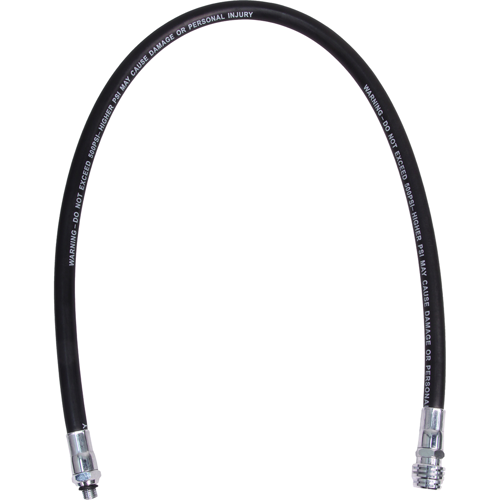
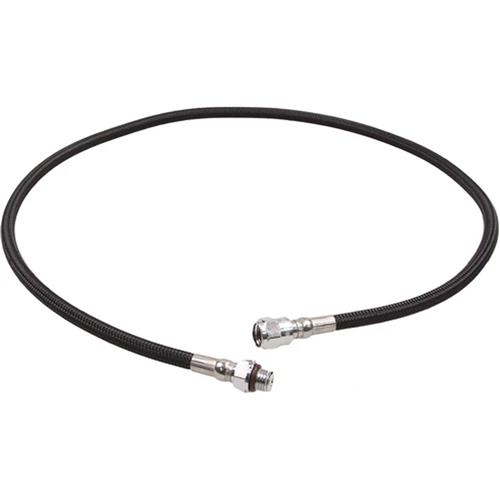
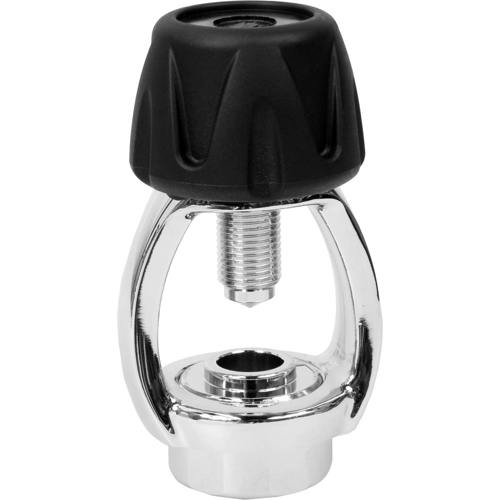
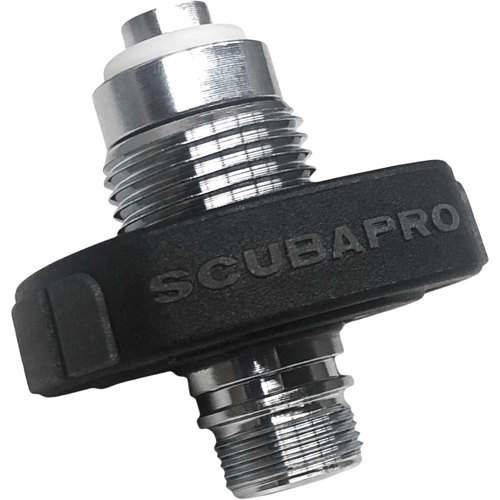
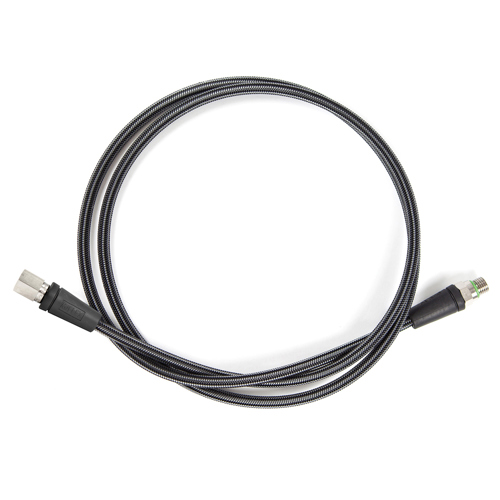
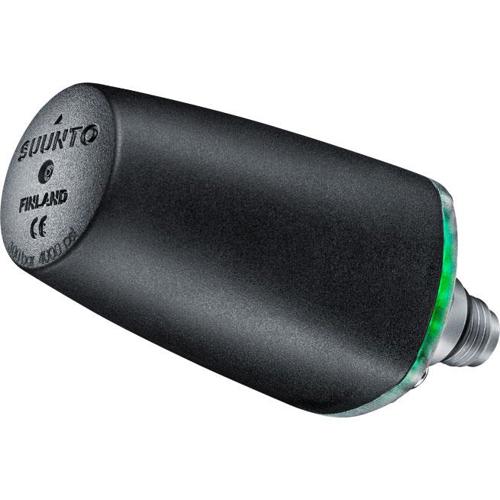
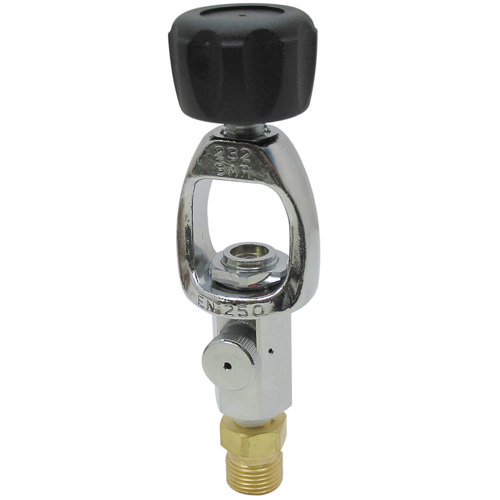
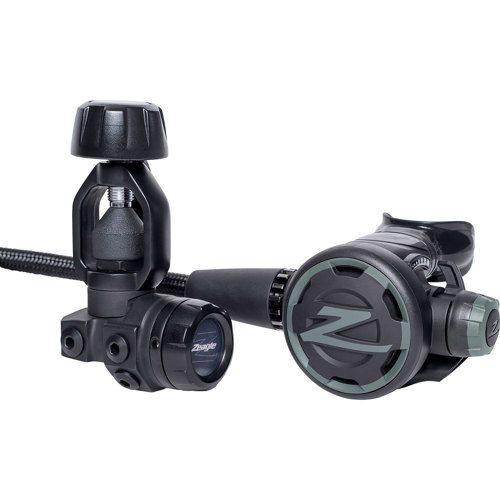
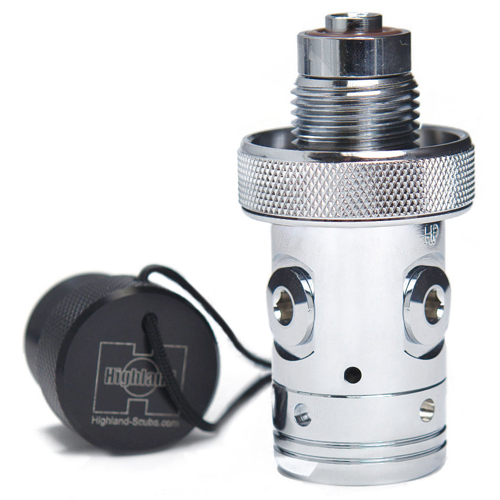
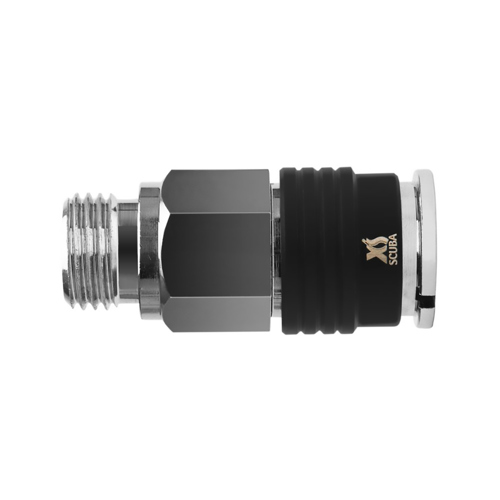
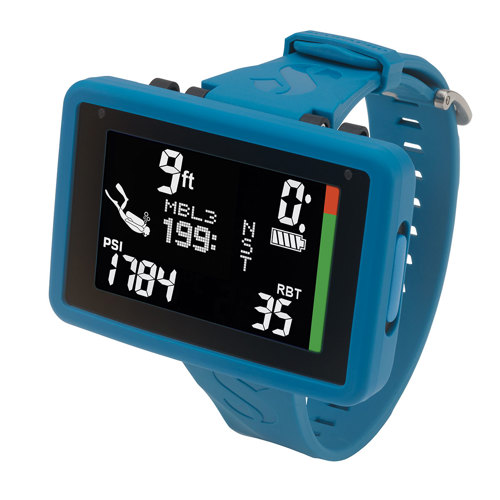
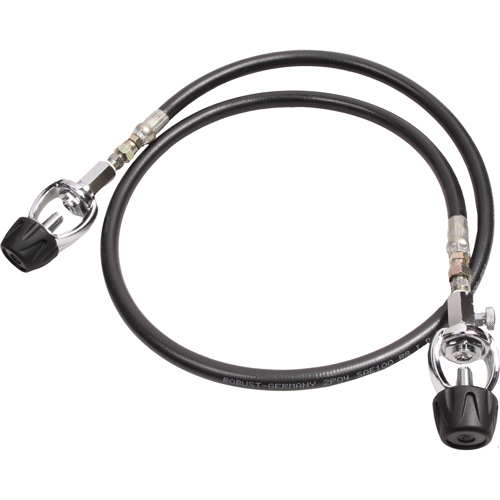
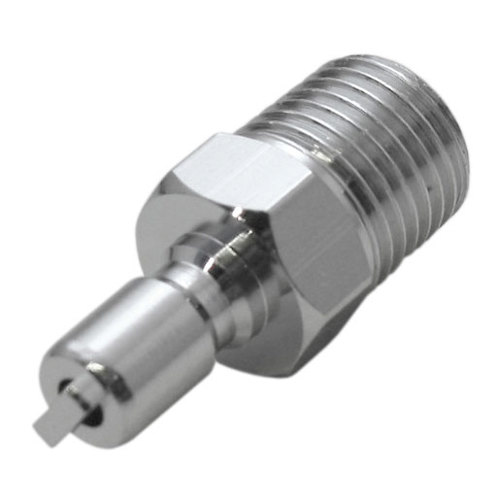
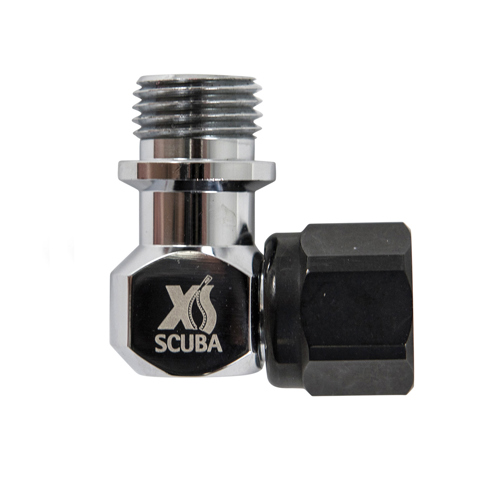
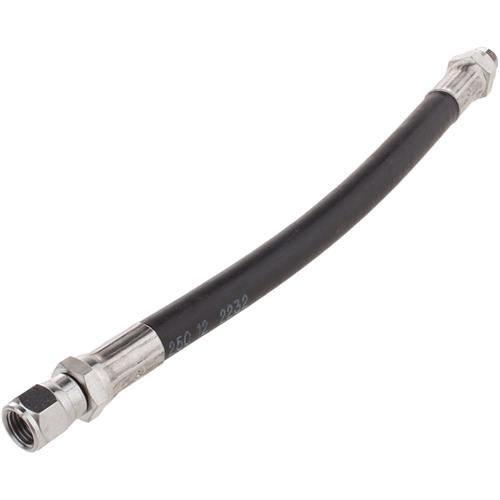
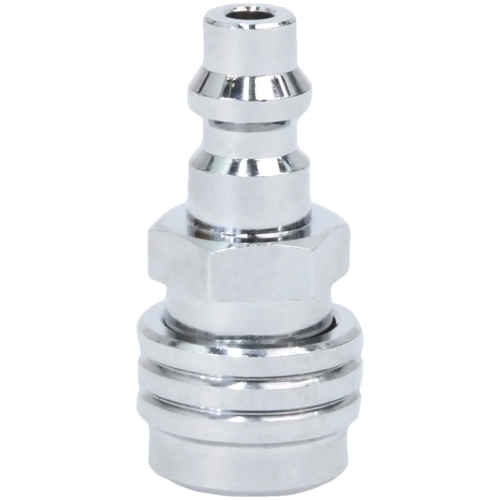
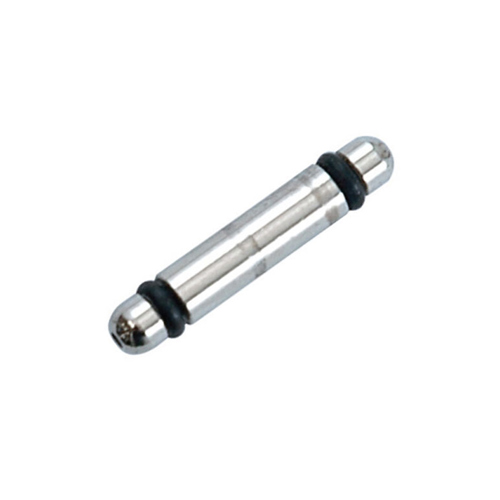
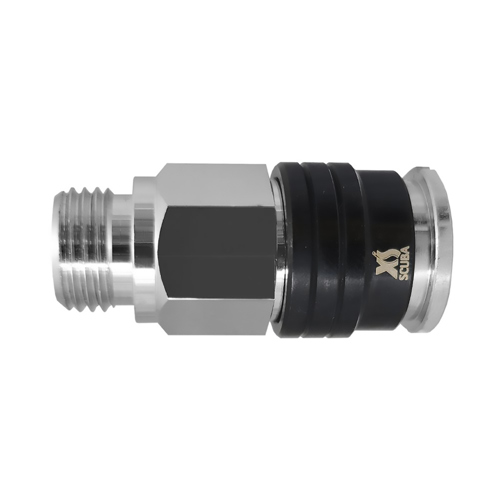
Diving air fittings are the unsung heroes of any diver’s setup, quietly ensuring that every breath underwater is reliable, safe, and comfortable. Whether you’re an avid recreational diver, a technical enthusiast, or someone who supports commercial diving operations, understanding and choosing the right fittings is essential for both performance and peace of mind. These components connect the critical elements of your life support system—regulator stages, hoses, cylinders, and buoyancy control devices—using standardized threads and robust materials designed to withstand the harsh marine environment. Common fittings include DIN and Yoke connections for tank valves, quick-disconnect couplings for BCD inflator hoses and drysuits, as well as specialized high-pressure and low-pressure hose fittings. Materials like chrome-plated brass and marine-grade stainless steel are favored for their corrosion resistance and durability, particularly in saltwater conditions where longevity and safety are paramount. Seasoned divers know the importance of regularly inspecting O-rings, lubricating them with oxygen-compatible grease, and choosing the correct thread size to avoid damage to port threads—a small detail that can make a significant difference when preparing for a dive trip or an extended expedition.
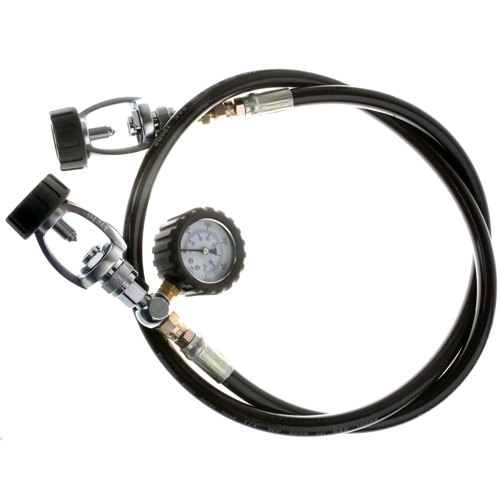
For those who enjoy tinkering with their own gear or supporting a dive club, having a selection of reliable diving air fittings on hand can be invaluable. The transition from winter to spring is a popular time for many divers to service their equipment, preparing for the upcoming dive season as water temperatures begin to rise and visibility improves. If you’re searching for a thoughtful gift for a dive buddy or a family member passionate about underwater exploration, quality fittings or a scuba diving rubber compact filling accessory can be both practical and appreciated. These components are not just for personal use—dive shops, instructors, and commercial operators rely on them to keep rental fleets and training gear in optimal condition. The right fitting ensures compatibility between hoses and regulators, prevents leaks, and can even improve the ergonomics of your setup with features like swivel connectors to reduce hose binding and kinking. For those involved in surface-supplied diving or working with compressor systems, specialized fittings such as JIC or NPT connections and quick-release swivels offer rugged performance and the ability to rapidly secure or disconnect air supplies, which is crucial for both safety and efficiency in demanding environments.
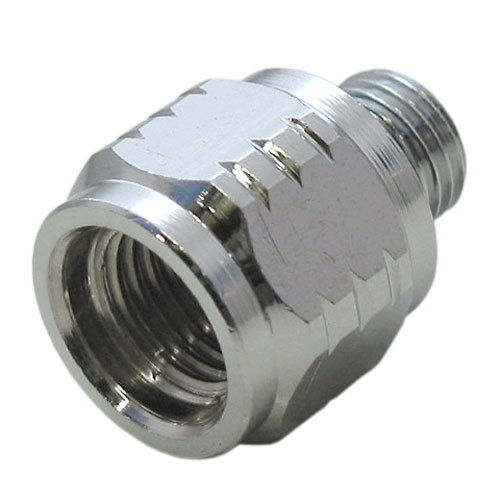
No matter your level of experience, investing in the correct diving air fittings means smoother dives, easier equipment maintenance, and added confidence every time you enter the water. Always match fittings to your specific regulator and hose types, double-check thread sizes, and use the proper tools—like an 11/16" or 5/8" wrench and a second wrench to support the regulator body—to avoid accidental damage during installation or removal. Keeping a well-organized kit with spare O-rings and a compact filling device ensures you’re prepared for quick fixes, whether you’re on a liveaboard in the tropics or gearing up at a chilly quarry site in February. For divers seeking to expand their toolkit or upgrade their setup, exploring the full range of air handling accessories can open up new possibilities for customization and convenience. You can discover a curated selection of compatible accessories and fittings by visiting our
Diving Air Tools page, where you’ll find everything needed to keep your underwater adventures safe, seamless, and enjoyable all season long.