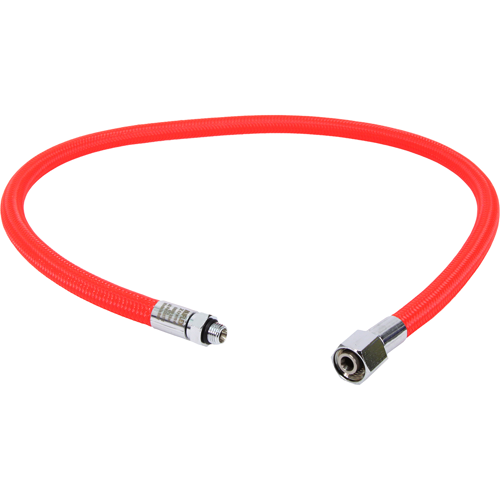
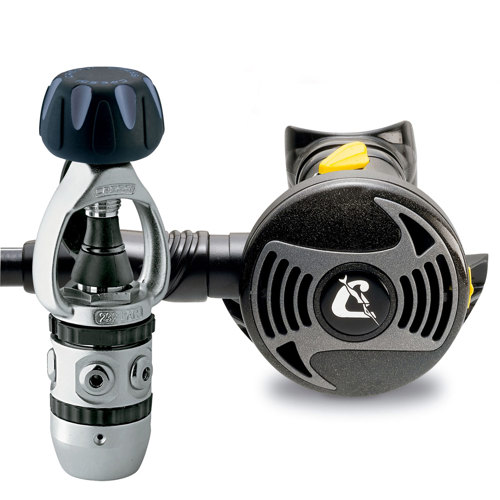
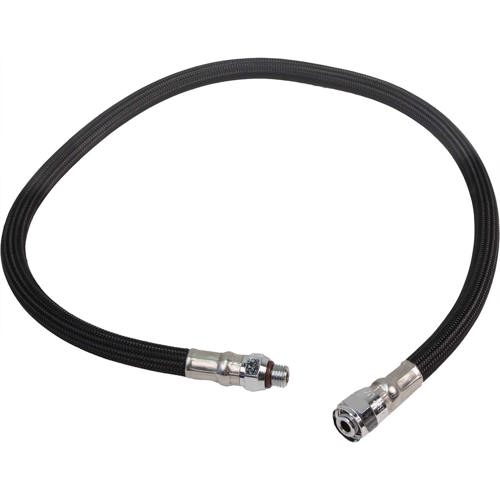
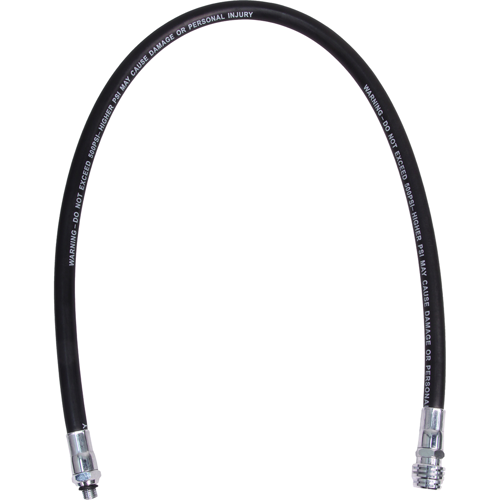
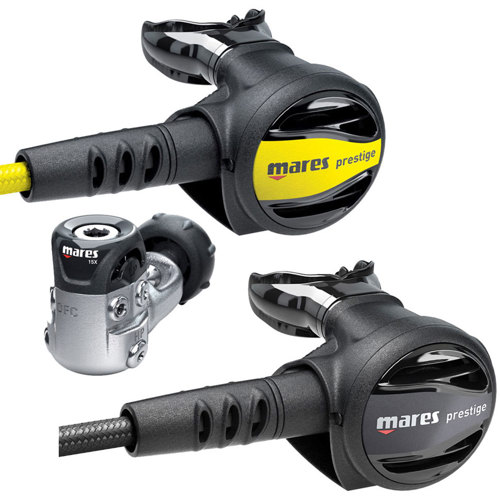
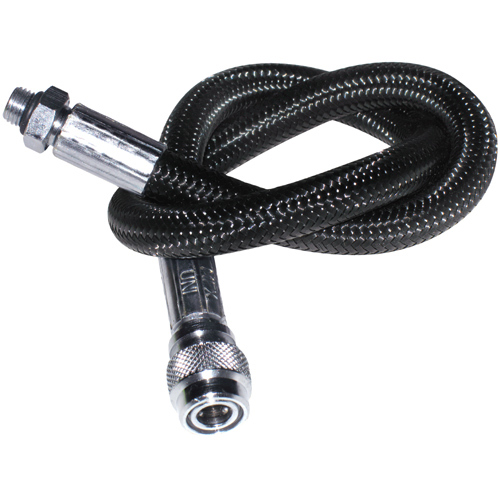
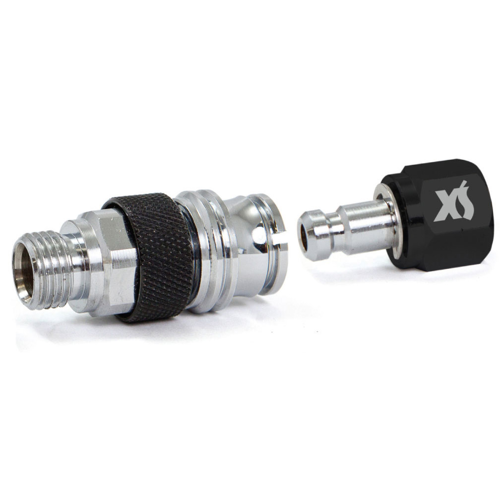
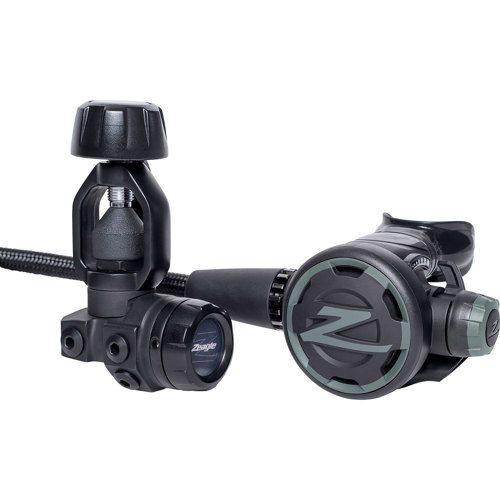
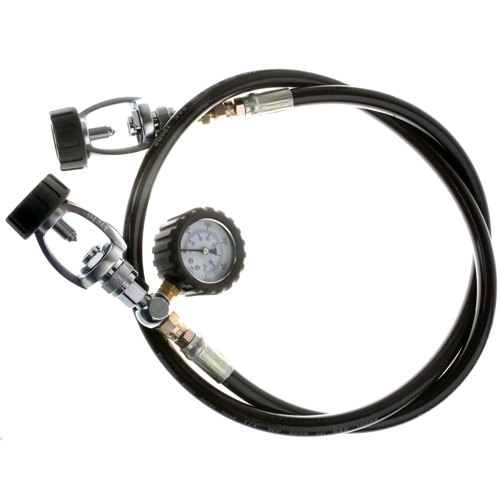
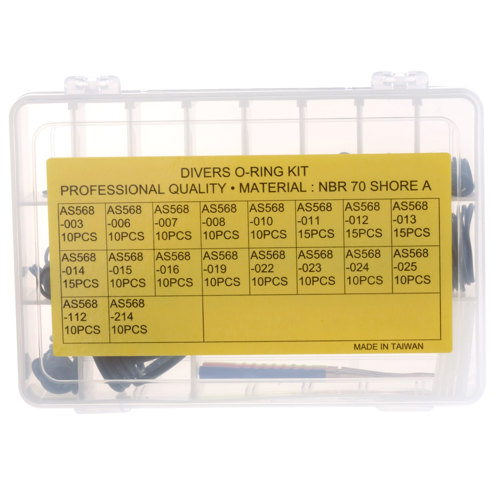
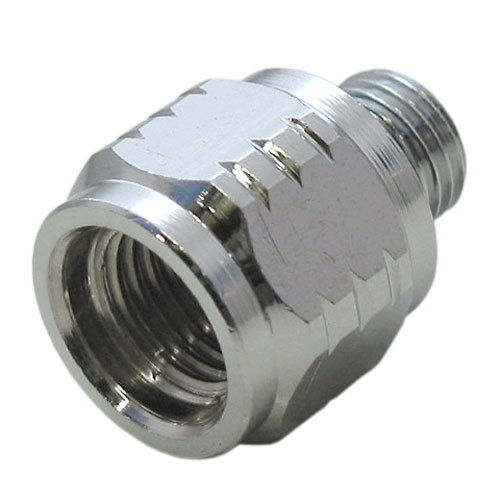
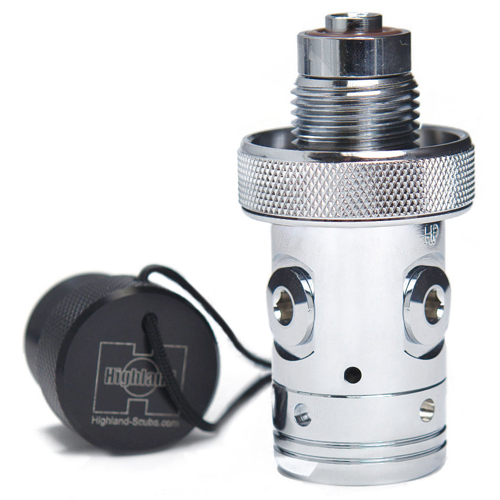
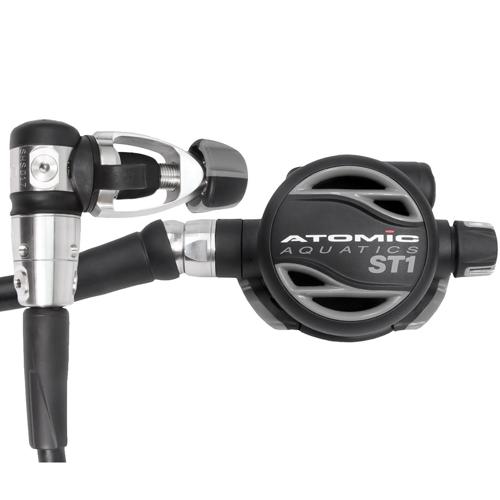
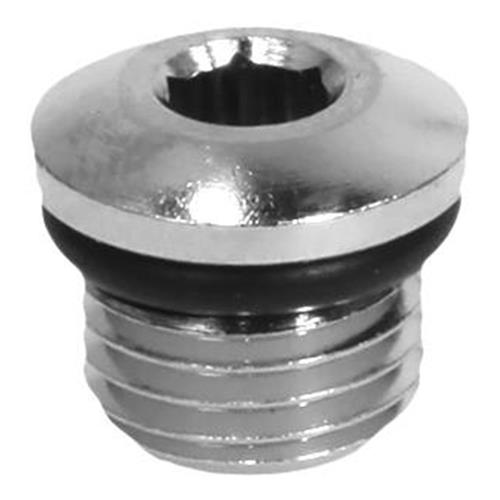
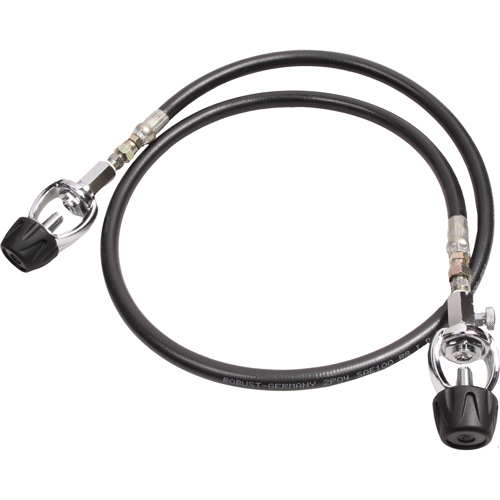
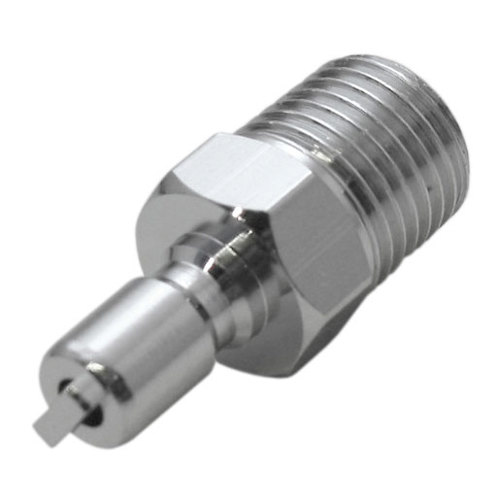
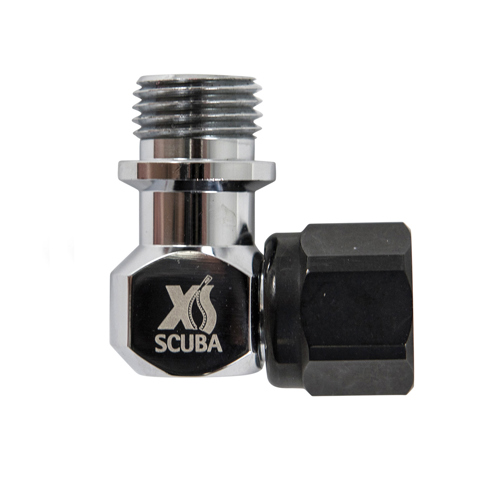
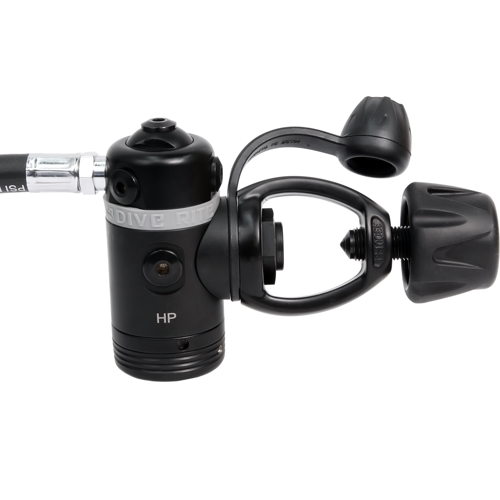
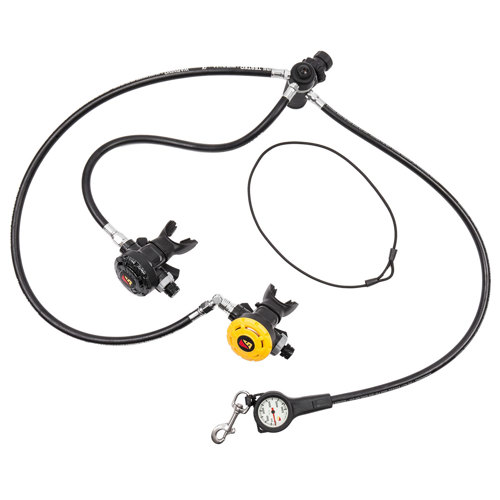
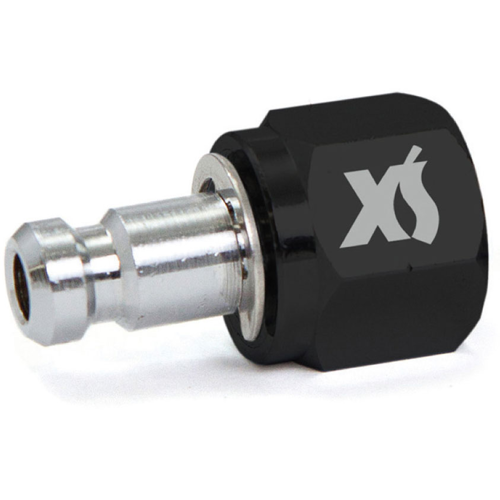
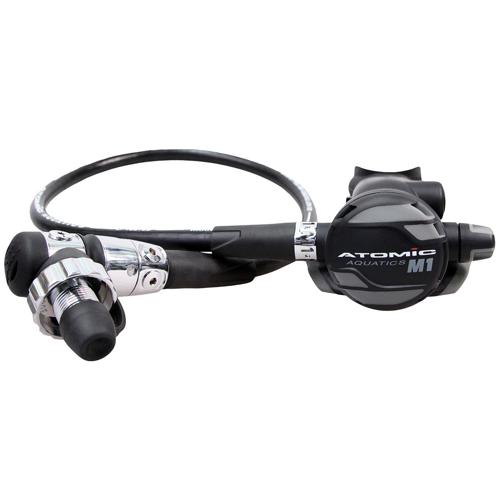
Diving low pressure fittings are essential components that form the backbone of any safe and streamlined scuba setup, connecting critical elements like regulators, buoyancy compensators (BCDs), drysuits, and various accessories. As the weather warms and dive season gets into full swing, divers of all experience levels—from those exploring local lakes to seasoned travelers heading for tropical reefs—rely on these fittings for reliable performance underwater. Low pressure fluid connectors and fittings are designed to operate at pressures below 200 psi, making them ideal for tasks such as delivering breathing gas from the first stage regulator to the second stage, powering BCD inflators, or managing drysuit inflation systems. The precision threading—typically 9/16"-18 UNF female on the regulator end and 3/8"-24 UNF male on the first stage—ensures compatibility and a leak-free seal, while features like quick-disconnect mechanisms on inflator hoses and swivel adapters help reduce jaw fatigue, prevent hose twisting, and increase comfort during longer dives. Many fittings are manufactured from chrome-plated brass or marine-grade stainless steel to withstand harsh saltwater environments, and O-rings made from durable materials like Viton help maintain airtight connections throughout repeated use.
When selecting diving low pressure fittings, it’s important to consider the specific needs of your equipment and dive style. For divers who frequently switch between different setups, standardized and interchangeable fittings offer the flexibility to adapt hoses and connectors as needed, whether for a backup regulator, a sidemount configuration, or specialized technical diving rigs. Swivel adapters and 90-degree elbows are particularly popular among those who experience discomfort from rigid hose routing, providing a more natural feel and reducing strain at the mouthpiece. Hose-to-hose connectors allow for custom lengths or extensions, which can be especially useful for instructors, rebreather users, or anyone configuring a personalized gear system. Maintenance is crucial—periodically inspecting fittings for corrosion, replacing worn O-rings, and verifying that all connections are secure helps prevent leaks and ensures optimal performance. These fittings also make thoughtful gifts for divers upgrading their gear, preparing for a dive trip, or looking to fine-tune their underwater experience. Whether you’re assembling a new kit or enhancing an existing setup, having a selection of reliable low pressure fittings on hand is a smart way to stay prepared for the demands of the dive season.
For those interested in expanding their toolkit or learning more about the range of connectors and adapters available, explore our curated selection of
Low Pressure Diving Tools. With the right fittings, divers can enjoy greater comfort, versatility, and confidence in their underwater adventures—whether navigating vibrant coral gardens, capturing underwater photography, or simply enjoying the tranquility beneath the surface. As you prepare for dives during the warmer months and beyond, investing in quality low pressure fittings is a small detail that can make a significant difference in both safety and enjoyment.