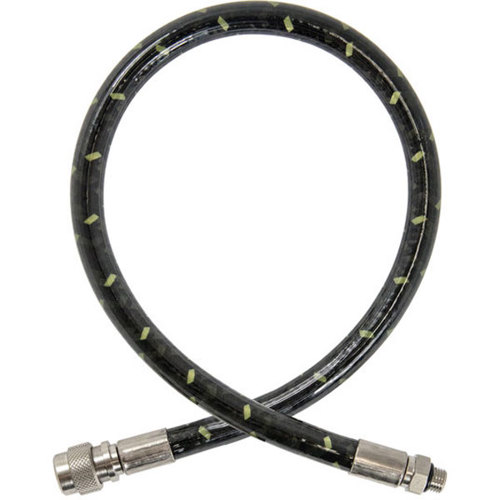
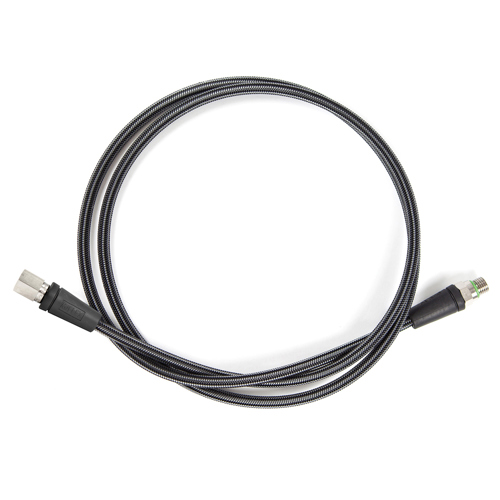
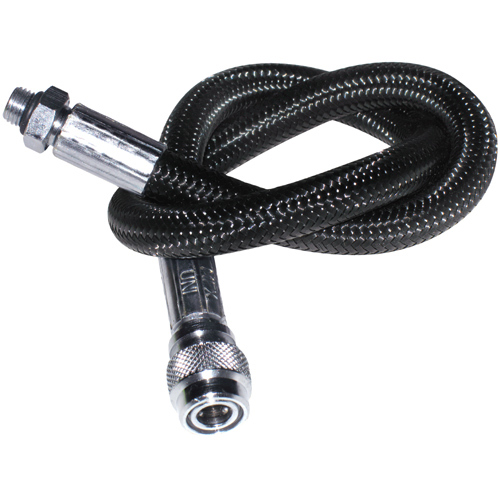
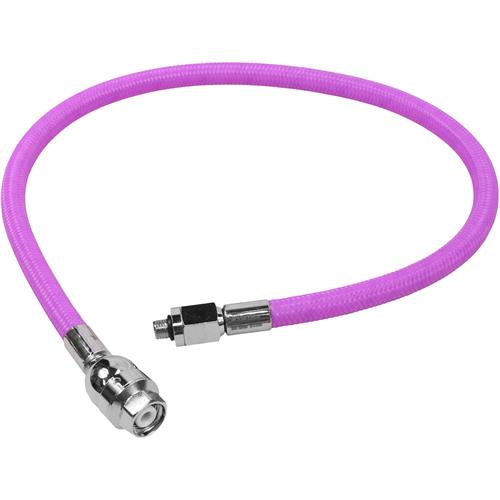
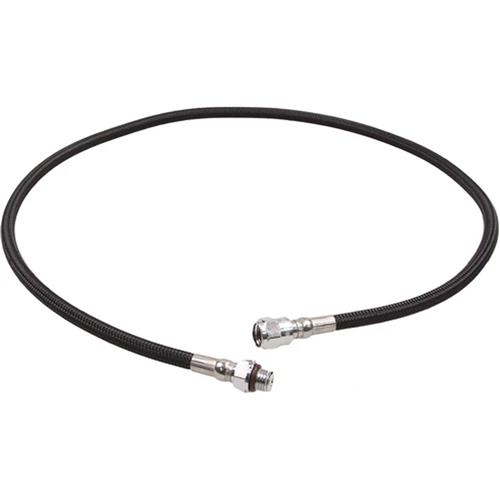
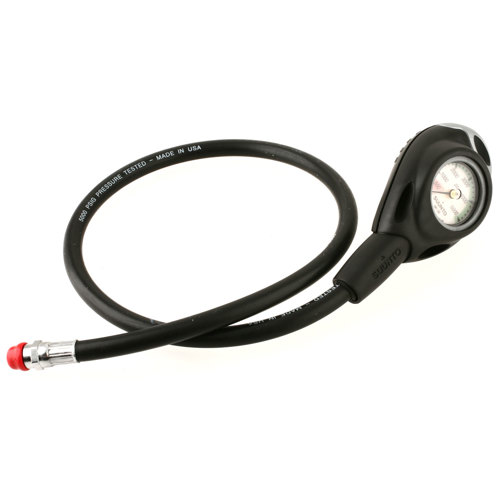
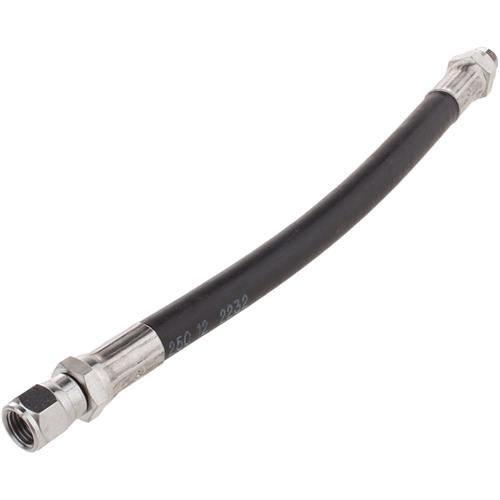
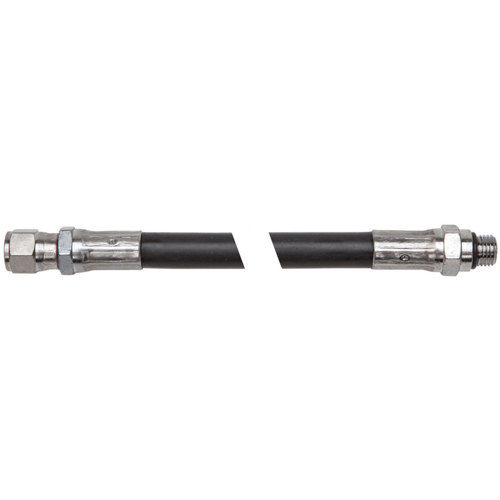
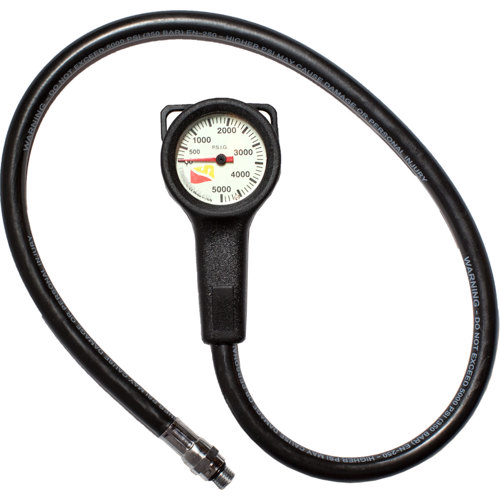
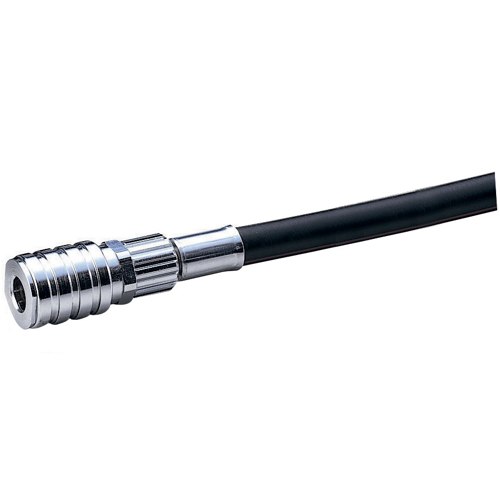
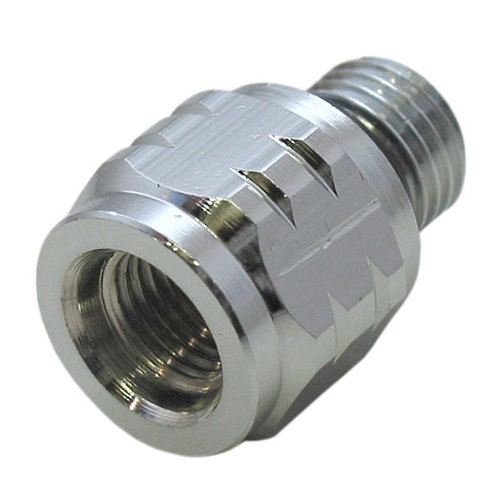
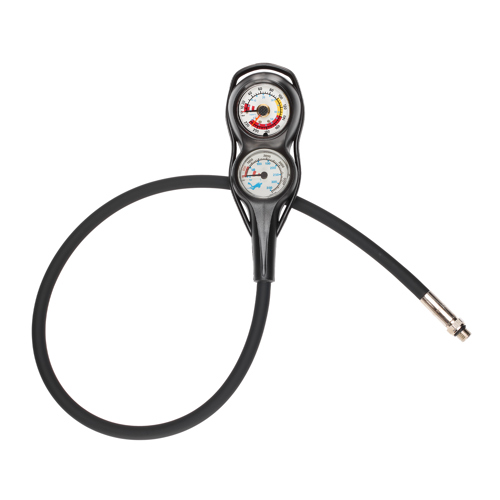
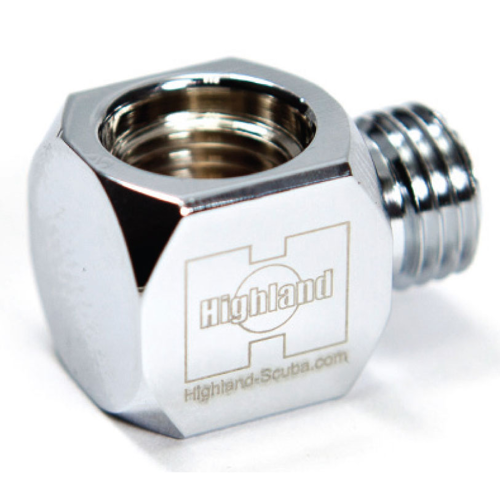
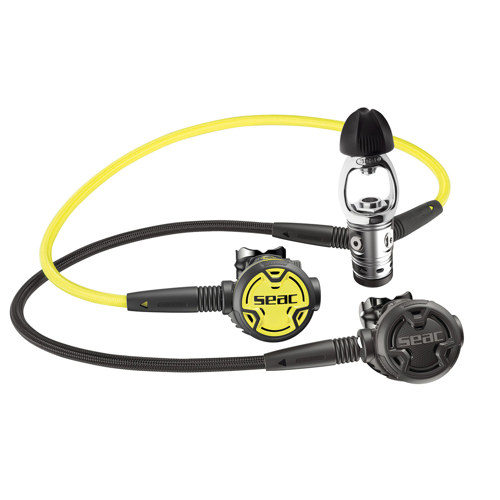
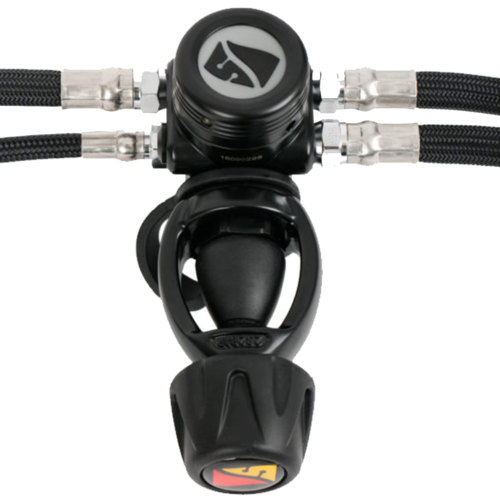
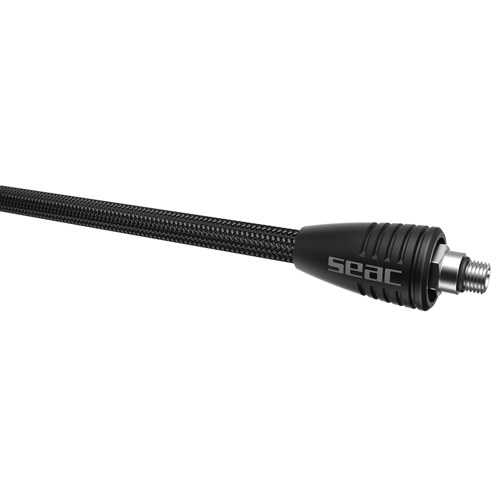
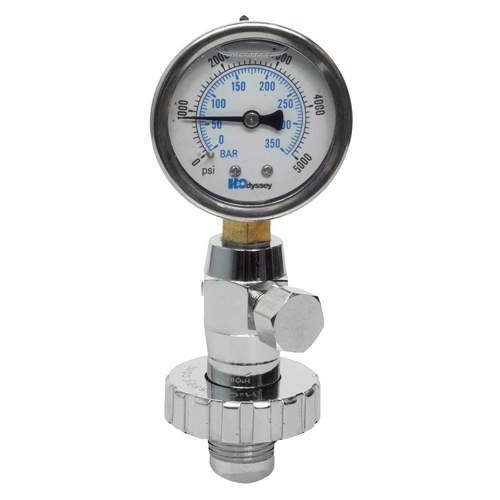
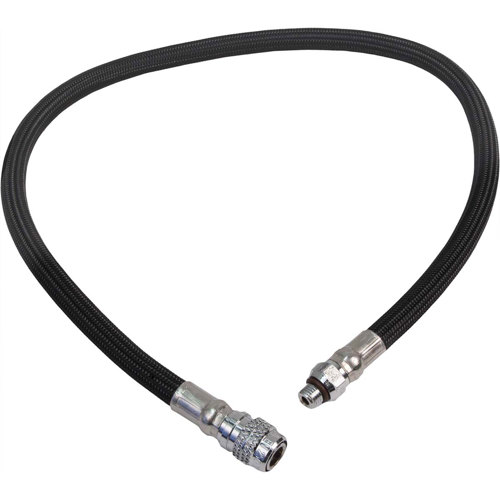
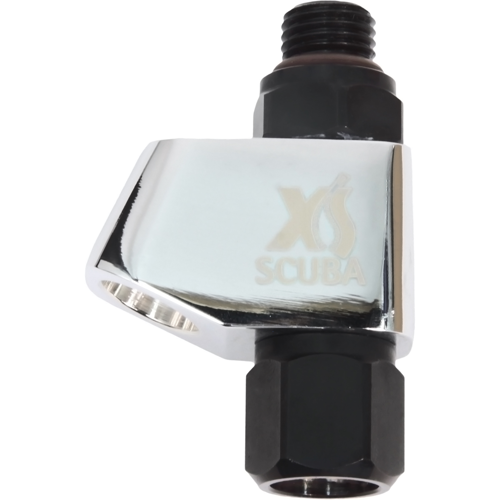
Technical diving demands an uncompromising level of reliability and performance from every component of your life-support system, and the choice of a scuba high pressure hose is no exception. These specialized high pressure scuba hoses form the critical link between your first-stage regulator and your submersible pressure gauge (SPG), allowing you to monitor your gas supply with absolute precision. Whether you’re gearing up for a deep winter wreck dive off the coast or planning a complex cave exploration, the integrity of your hose diving setup is paramount. Technical hoses are engineered to withstand the harshest underwater environments—think biting cold, abrasive wreck interiors, or the constant pressure changes of repetitive dives. Materials matter here: traditional rubber offers excellent kink resistance, while braided nylon or Kevlar options deliver increased flexibility and a leaner profile for streamlined routing behind the neck or along your cylinders. Pressure ratings are robust, with most high pressure hose scuba options rated up to 350 bar (5000 psi), and burst ratings that far exceed working pressures to provide an extra margin of safety. Chromed brass fittings, often equipped with an internal air spool, ensure a secure, leak-free seal that stands up to repeated use and the rigors of technical diving.
When selecting a high pressure hose for your technical diving setup, length and configuration are essential considerations. Shorter hoses—such as 24-inch options—are ideal for double tank setups, while longer hoses accommodate consoles or stage/deco cylinders, allowing for tidy, snag-free routing that minimizes entanglement risk in overhead environments. In the colder months of January and beyond, it’s especially important to inspect hoses for signs of wear: check rubber hoses for cracks or bulges, and braided hoses for fraying or exposed fibers. Regular inspection and timely replacement (every three years or 300 dives is a common rule of thumb) help ensure your equipment remains in peak condition, especially since hoses are considered wear items. Many technical divers also remove hose protectors during checks to reveal any hidden damage, and always inspect the air spool for proper sealing. For those using enriched air or nitrox blends, rest assured that most modern technical hoses are EN 250 certified, making them suitable for a wide range of gas mixes. This attention to detail not only supports your safety but also enhances your overall diving experience, allowing you to focus on the thrill of exploration rather than equipment concerns.
High pressure hoses make thoughtful gifts for the dedicated diver in your life, particularly those progressing into advanced or technical diving disciplines. They’re an essential upgrade for anyone assembling a new technical rig, replacing aging components, or customizing hose lengths for personal preference and specific dive missions. The peace of mind that comes from knowing your high pressure hose is up to the task—whether you’re navigating a silty cave, conducting a deep decompression stop, or simply enjoying a brisk winter dive—cannot be overstated. For divers seeking even more options or looking to compare different configurations, the
Advanced Diving Regulator Hoses page offers additional insights and selections tailored to advanced setups. Ultimately, investing in the right technical hoses is about more than just equipment—it’s about ensuring every dive is as safe, smooth, and enjoyable as possible, no matter how challenging the environment.