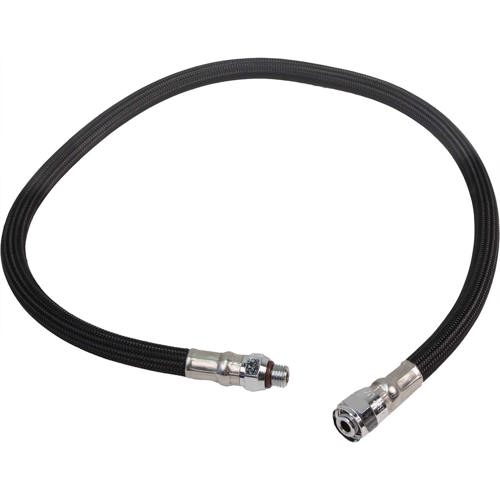
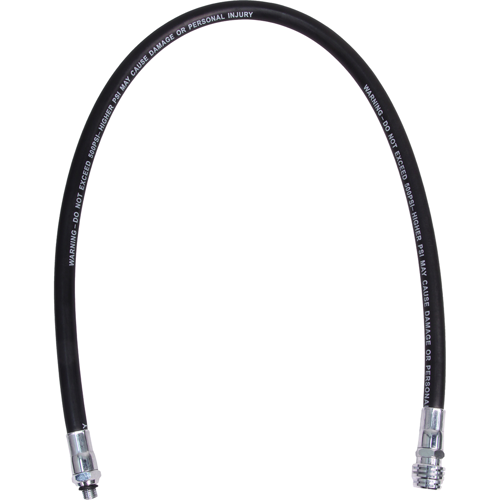
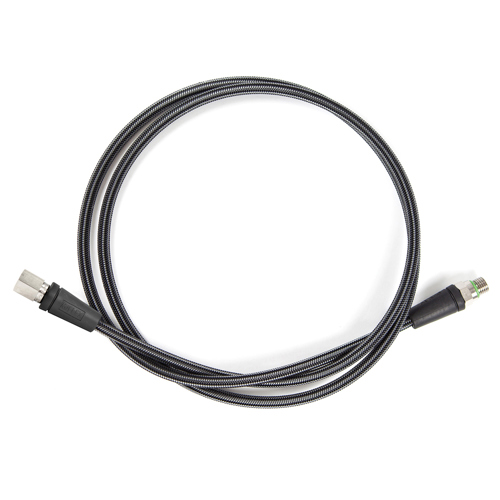
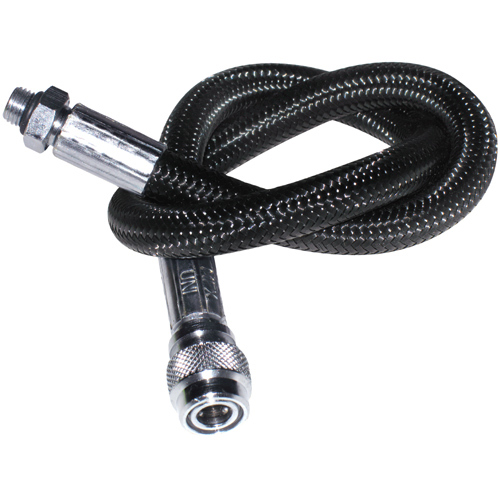
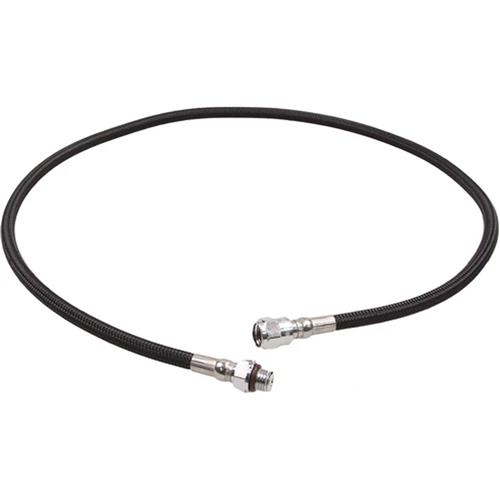
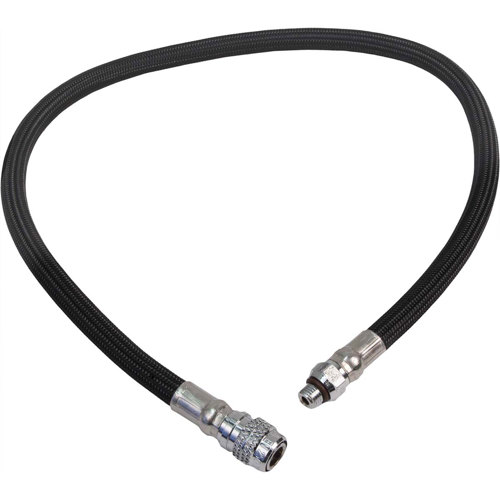
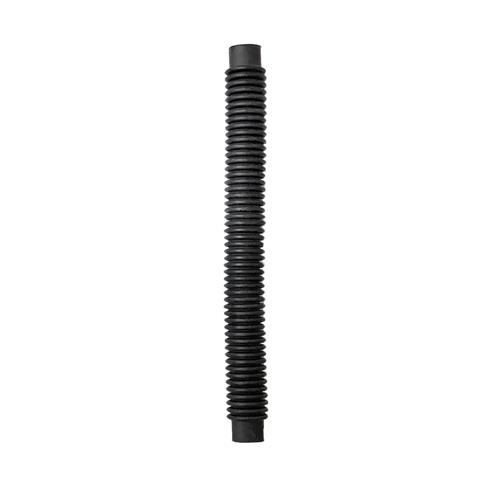
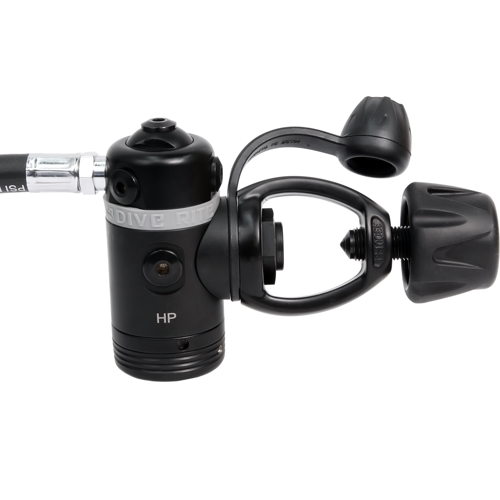
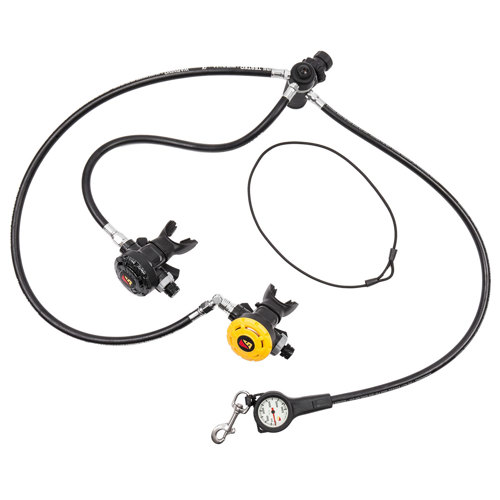
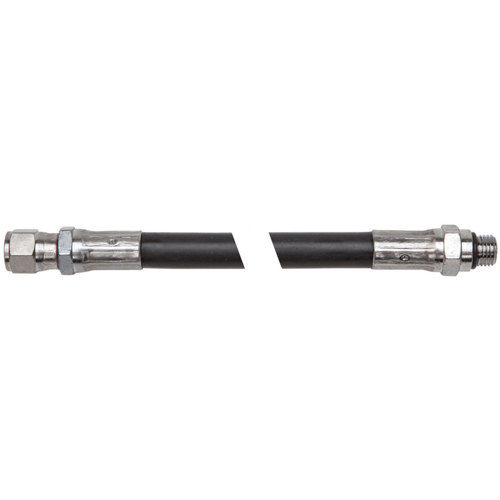
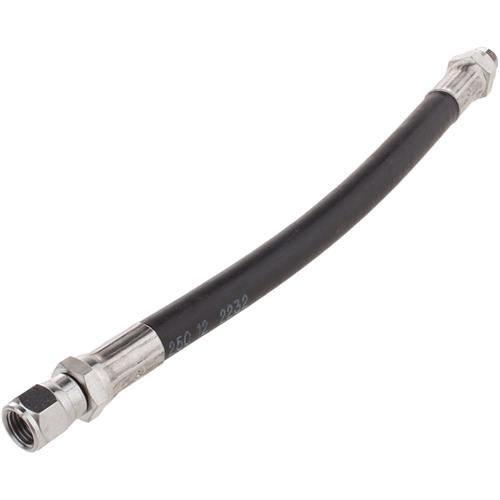
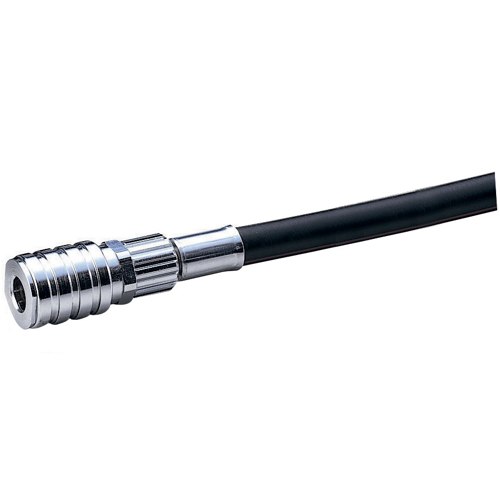
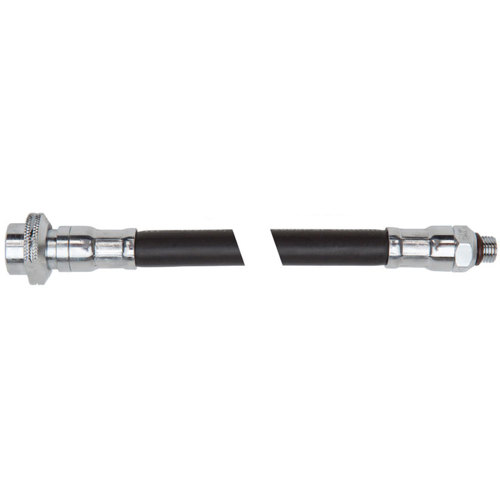
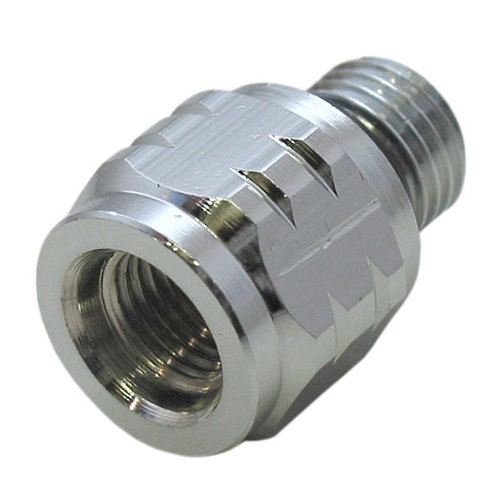
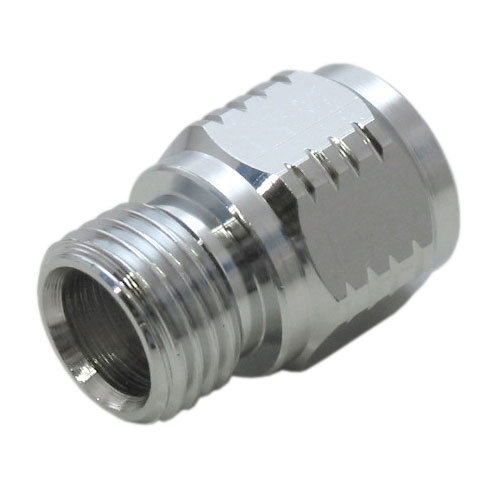
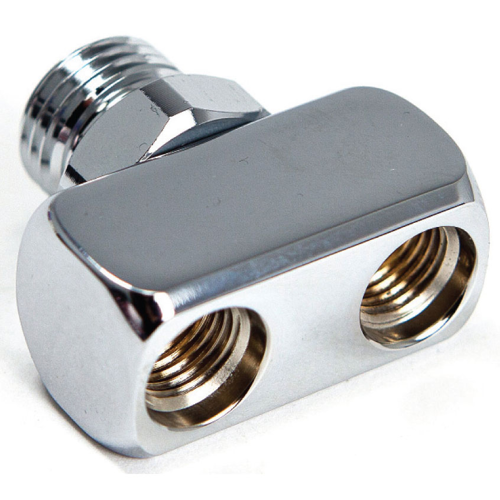
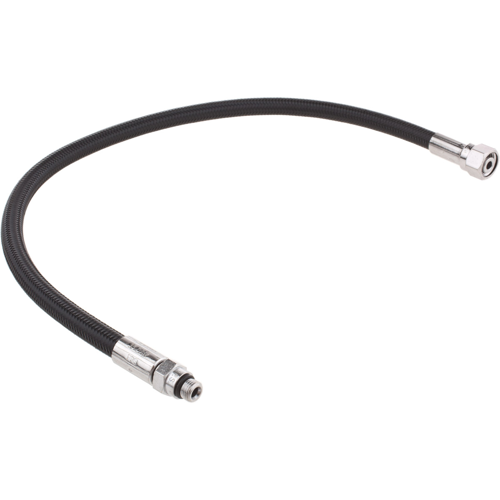
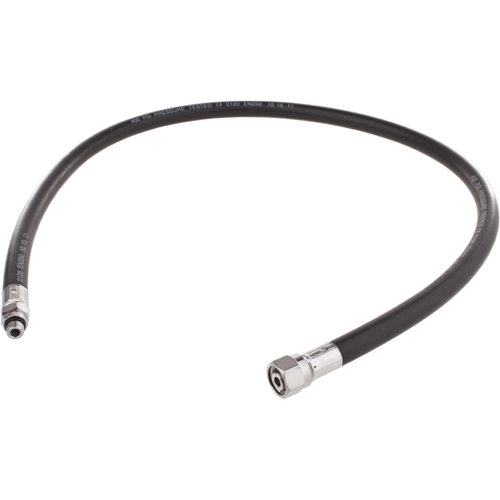
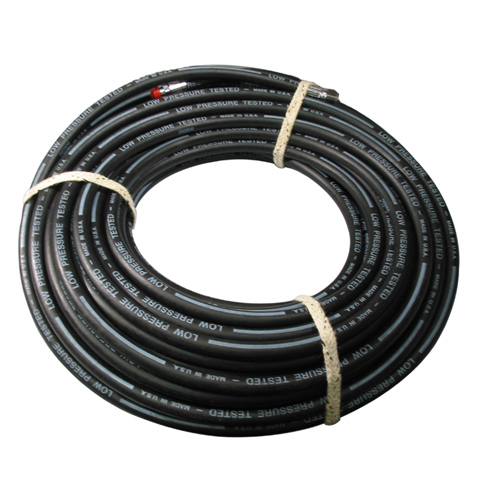
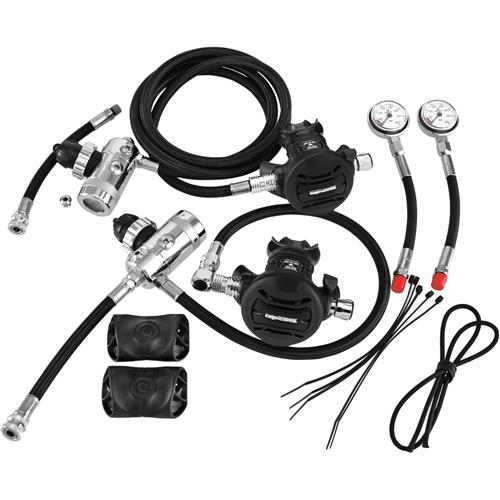
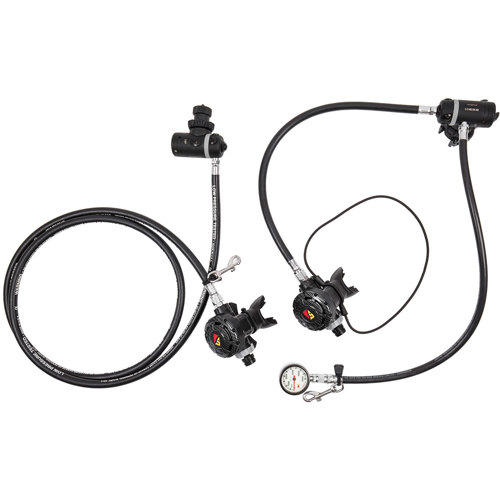
Technical diving demands equipment that is both robust and adaptable, and selecting the right scuba hoses is an essential part of building a safe, reliable setup. Whether you’re exploring deep wrecks, navigating through intricate cave systems, or simply extending your bottom time with advanced gas mixes, the right diving hoses can make all the difference in comfort, performance, and safety. Technical divers often require hoses in specific lengths and configurations to accommodate their unique gear layouts, such as long hoses for primary regulators in hogarthian or DIR setups, or shorter, more flexible hoses for backup regulators and stage bottles. The choice between traditional rubber hoses and modern braided or flex hoses is more than a matter of personal preference: it can affect hose routing, buoyancy, and even jaw fatigue over the course of a long dive. Braided hoses are valued for their flexibility and lighter weight, making them easier to route behind the neck or around the body, while rubber hoses remain a favorite for their durability and negative buoyancy, which helps keep your gear streamlined and tangle-free. High-pressure hoses for SPGs (submersible pressure gauges) are typically shorter and reinforced for reliability, ensuring that critical information is always within easy reach and protected from accidental snags or abrasion.
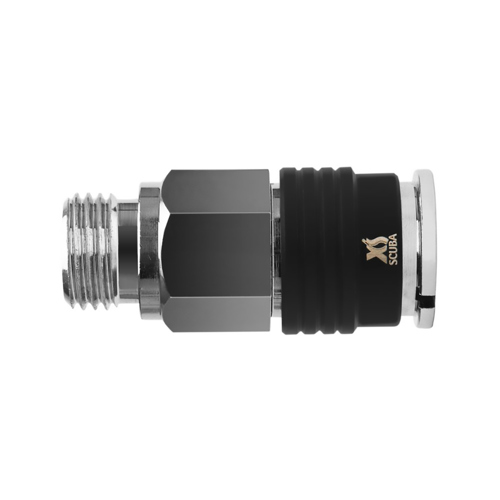
For divers preparing for the upcoming spring and summer dive seasons, now is the time to assess your hose inventory and consider upgrades or replacements. Exposure to saltwater, UV rays, and repeated flexing can gradually wear down even the best hoses, so periodic inspection and timely replacement are crucial, especially for those who dive frequently or in challenging environments. Technical diving hoses also make thoughtful gifts for experienced divers who are expanding their kit or transitioning to more advanced diving techniques, such as sidemount or twinset configurations. Giving the gift of a high-quality hose—whether it’s a long, flexible primary regulator hose or a compact, Kevlar-reinforced SPG hose—shows attention to detail and a genuine understanding of the diver’s needs. Many divers appreciate the added comfort that swivel joints or dual-swivel designs can provide, especially on longer dives where hose flexibility can reduce jaw fatigue and improve overall enjoyment. When selecting hoses, it’s important to ensure compatibility with your existing regulators and gauges, including the right fittings and the necessary HP spool for pressure connections. For those who travel or dive internationally, hose compatibility with different tank and regulator standards is also a key consideration; you can find more information and recommendations on
Scuba Hoses For International Diving.
Investing in the right technical diving hoses is an investment in your safety and dive experience. Whether you’re configuring your first technical rig or fine-tuning a seasoned setup, attention to hose length, material, and routing can have a profound impact on your underwater mobility and peace of mind. Reliable diving hoses help keep your breathing gas flowing smoothly, your instruments clearly visible, and your gear free from entanglement hazards. As you prepare for your next expedition—be it a local quarry, a tropical cave, or an offshore wreck—take the time to review your hose setup and make any necessary adjustments. The confidence that comes from knowing your hoses are up to the task allows you to focus on the adventure ahead, exploring new depths with clarity and control.