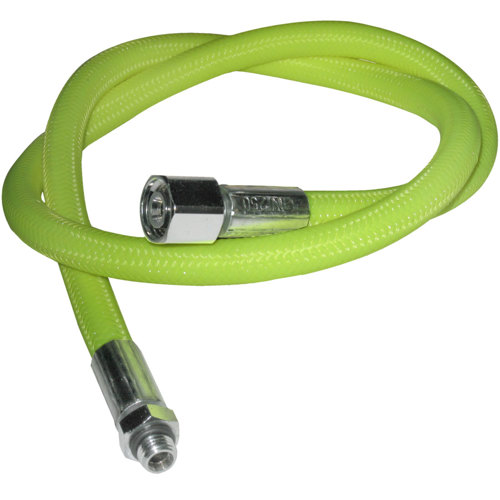
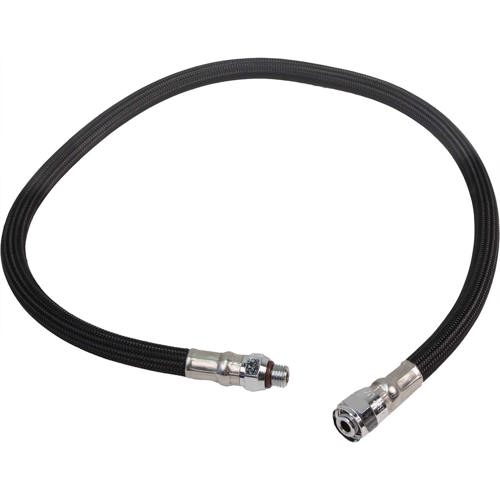
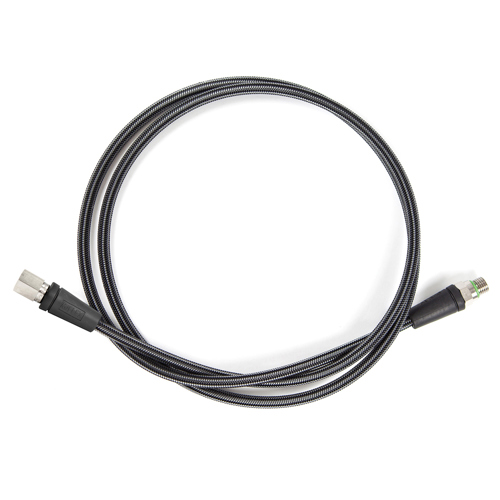
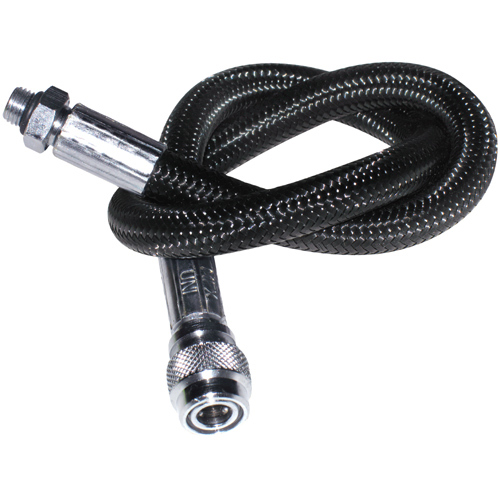
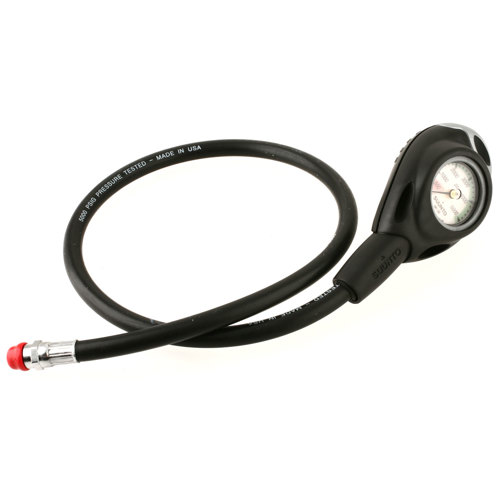
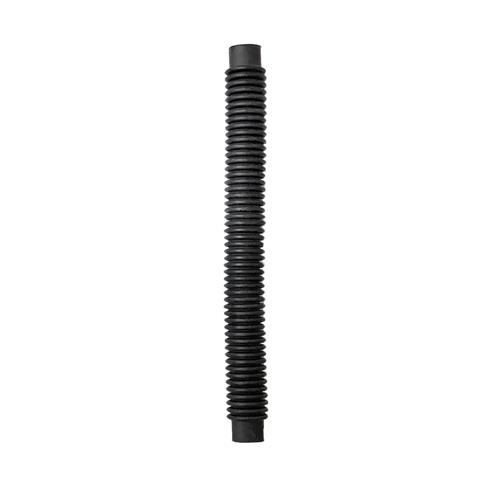
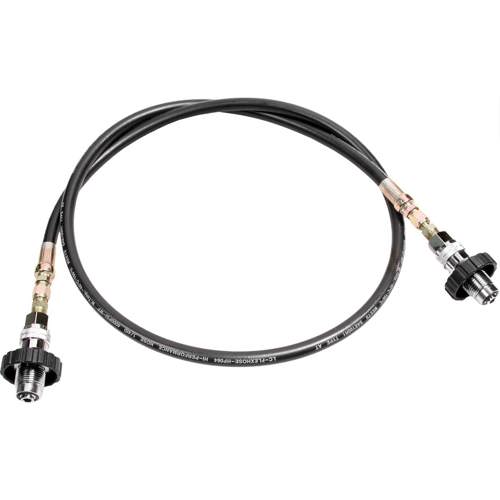
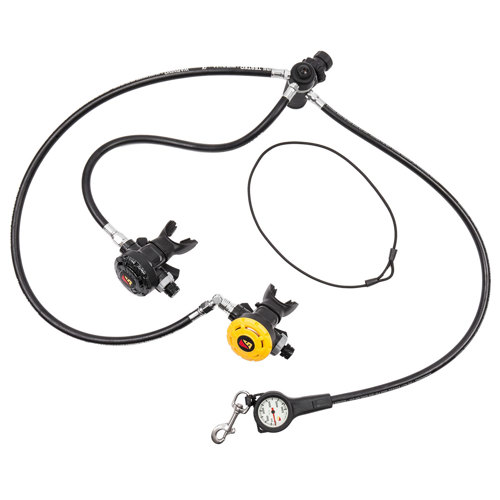
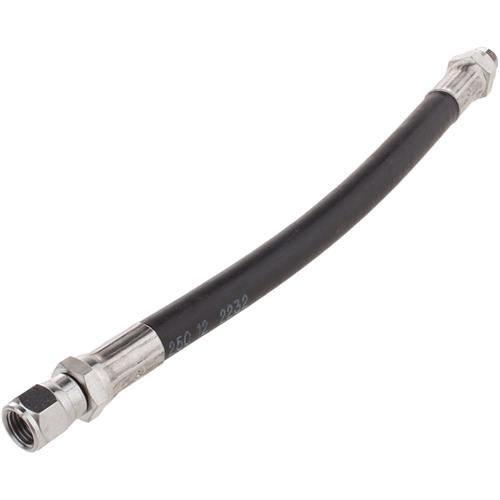
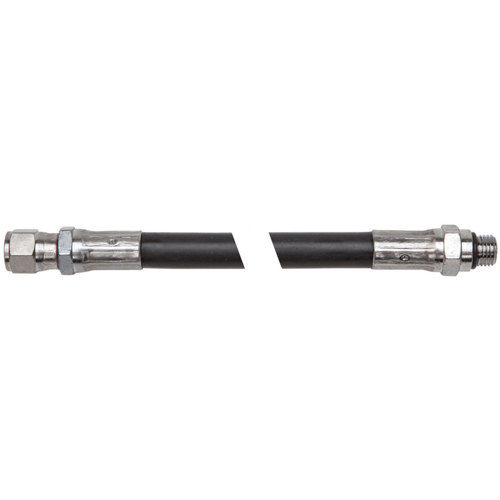
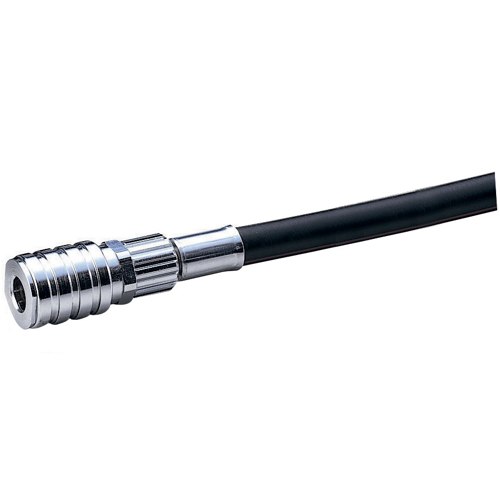
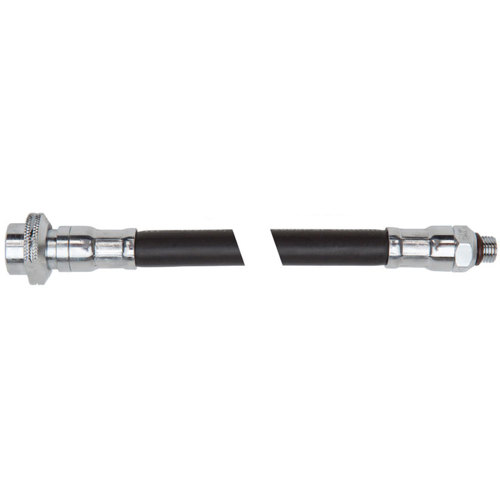
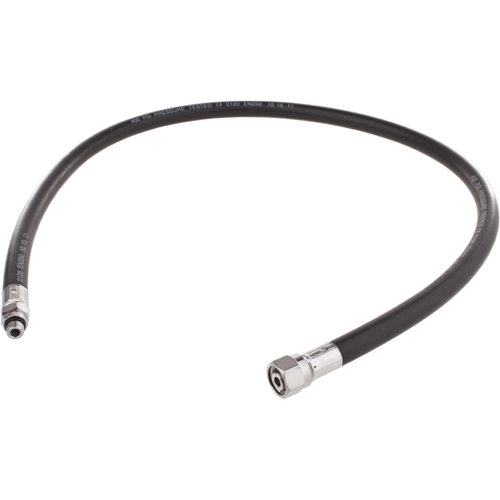
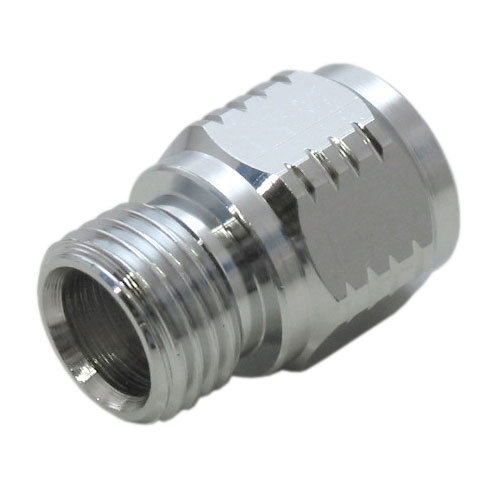
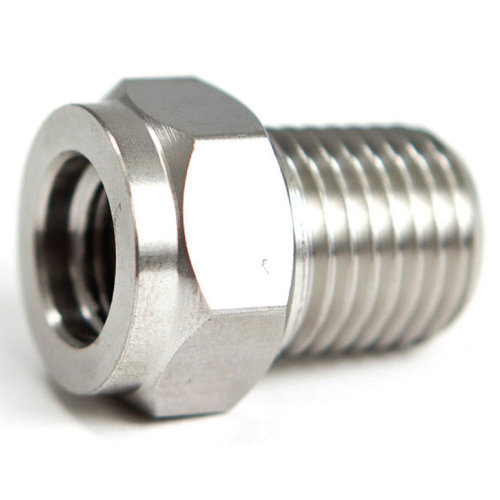
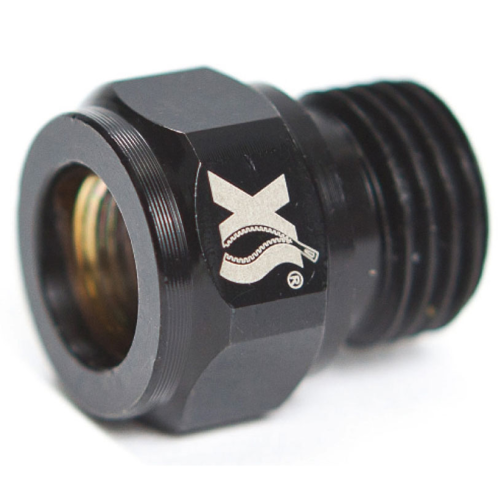
When preparing for international diving adventures, choosing the right scuba hoses is a crucial step in ensuring both safety and comfort underwater. Whether you’re planning to explore the coral gardens of the Caribbean, the shipwrecks of the Mediterranean, or the vibrant reefs of Southeast Asia, it’s essential to understand the nuances of hose compatibility and construction. International destinations often present unique challenges, especially when it comes to the type of regulator fittings used—Yoke connections are standard throughout the Americas, while DIN fittings are prevalent in Europe and many other global locations. Even though most hoses themselves feature universal threading—3/8"-24 UNF for low-pressure hoses used with primary and backup regulators, BCD inflators, and drysuits, and 7/16"-20 UNF for high-pressure hoses connecting to SPGs or dive computers—the way your regulator attaches to the tank can differ. This makes it wise for globetrotting divers to double-check their setup and, if necessary, pack a DIN-to-Yoke adapter to avoid any surprises at foreign dive shops. The start of the summer dive season in May is an ideal time to inspect your gear, update any aging hoses, and ensure your equipment is ready for the rigors of travel—especially as dive destinations begin to fill with adventurers from around the world.
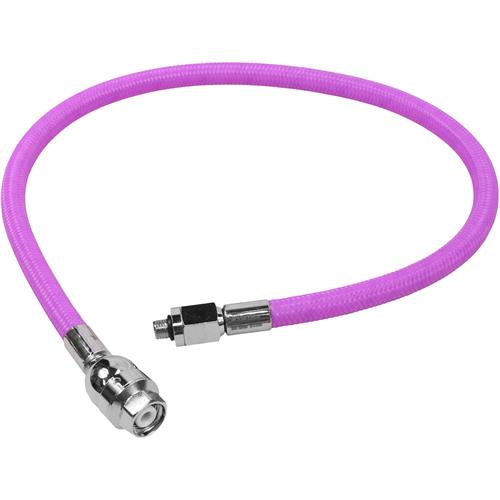
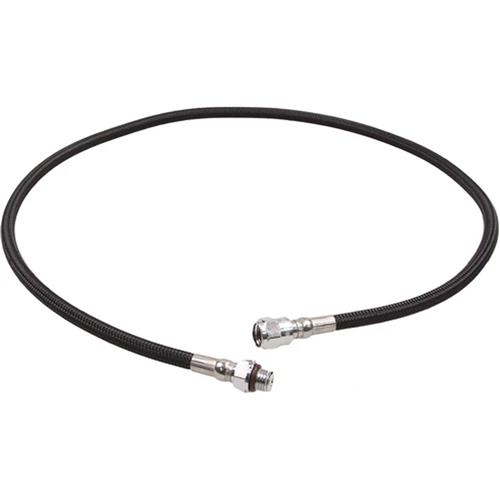
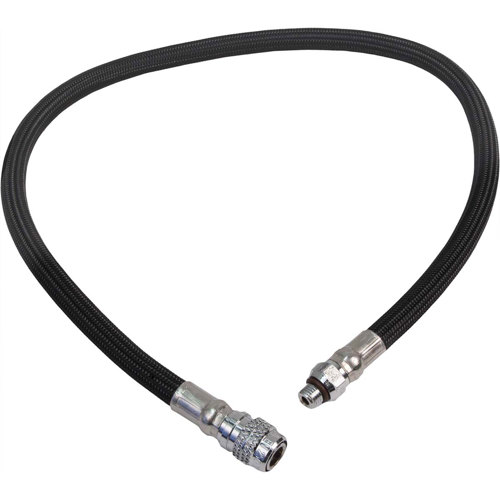
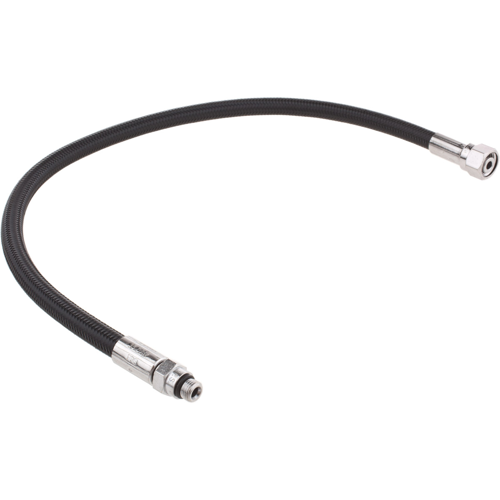
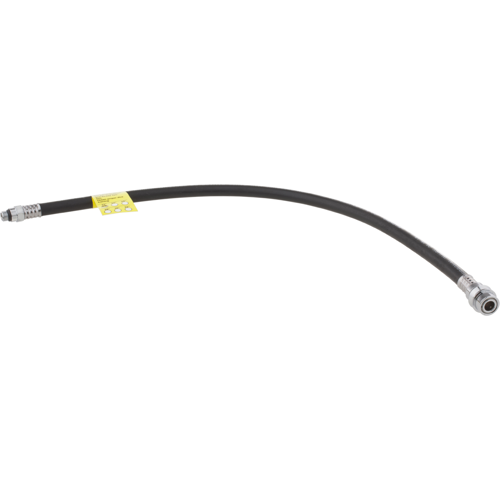
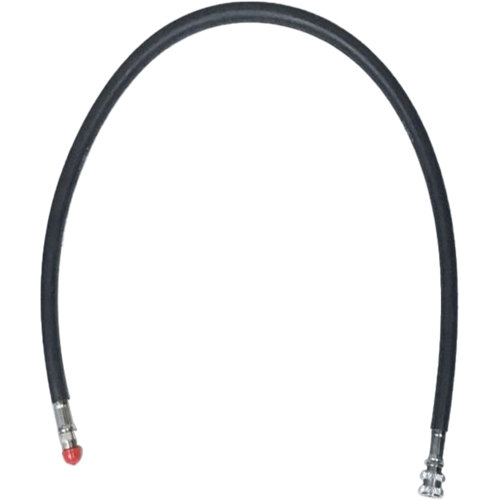
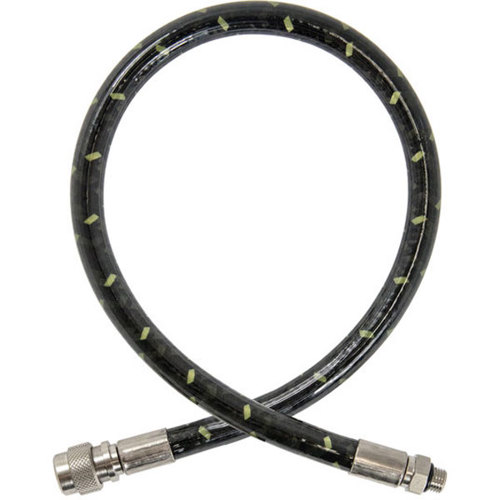
Another consideration for international divers is the choice between traditional rubber hoses and modern braided alternatives. Rubber hoses, favored for their durability and the way they naturally orient themselves in the water, have been a staple in the diving community for decades. Their sturdy construction makes them a reliable choice for those who value longevity and predictability in their gear. On the other hand, braided hoses offer a lightweight, highly flexible option that excels when packing for travel. These hoses are less prone to kinking and are easier to coil, making them a favorite among divers who frequently fly to their destinations or need to fit their gear into compact luggage. The flexibility of braided hoses can also make them more comfortable during long dives or when maneuvering in tight spaces, such as caves or wrecks. Whichever style you choose, proper care is essential—avoid tight, aggressive coiling that can damage the inner core, and always use a padded regulator bag to protect your hoses and connections during transit. These simple habits help ensure that your hoses remain in top condition, ready for whatever adventures await beneath the waves.
Scuba hoses are not only a practical upgrade for your own diving kit but can also make thoughtful gifts for friends and family who love to travel and dive. For the newly certified diver planning their first overseas trip, or the seasoned explorer gearing up for a new destination, a set of travel-friendly hoses or a universal adapter can be both a useful and meaningful present. As you browse through our curated selection of hoses designed for international use, keep in mind the importance of compatibility, flexibility, and durability—qualities that will serve you well no matter where your dive passport takes you. If your interests extend beyond recreational travel and into more specialized pursuits, such as underwater recovery or artifact retrieval, you may also want to explore our dedicated page on
Scuba Hoses For Salvage Diving to find hoses tailored for those demanding environments. By investing in the right hoses and accessories, you’ll be well-equipped to experience the world’s underwater wonders with confidence and ease, season after season.