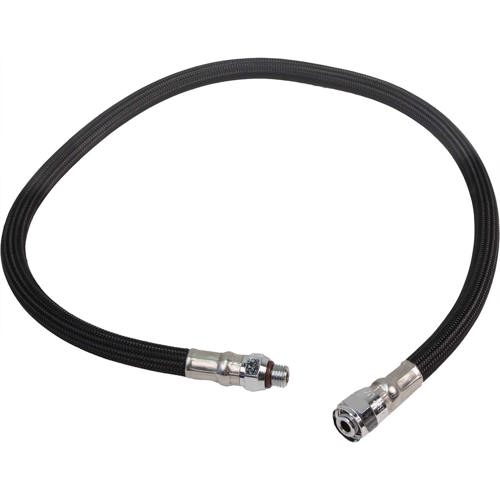
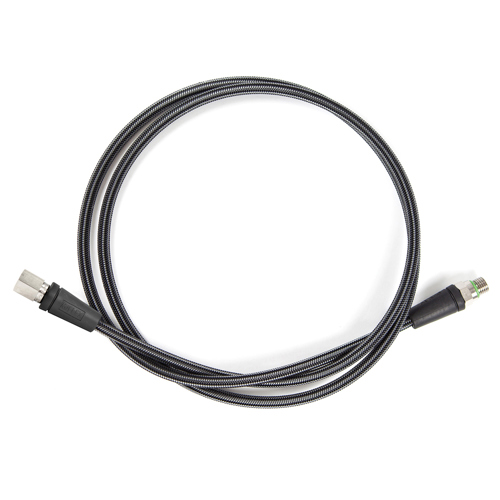
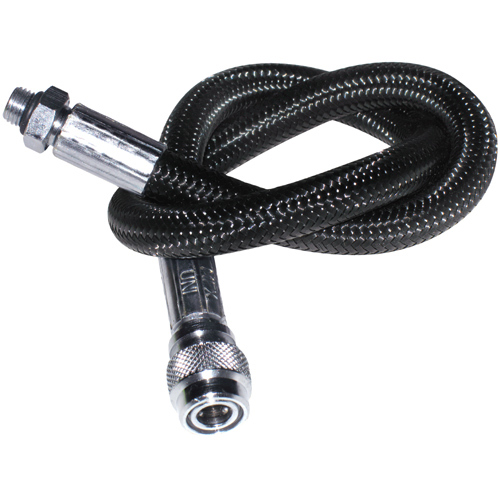
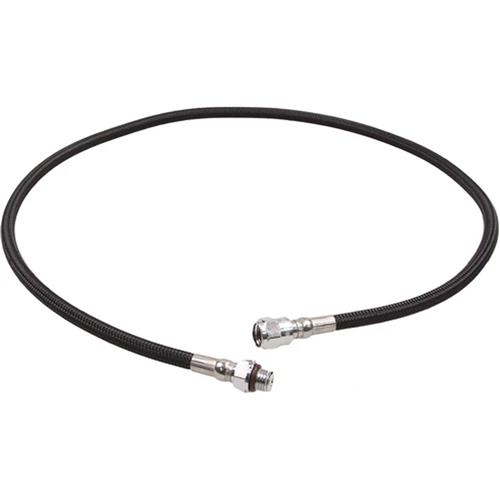
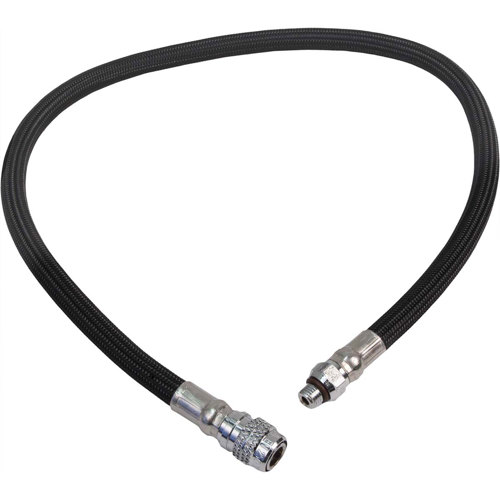
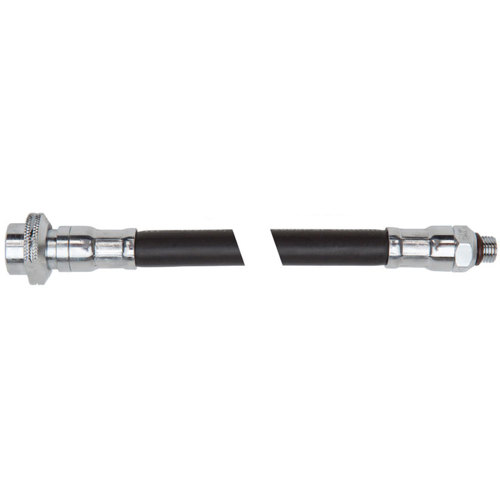
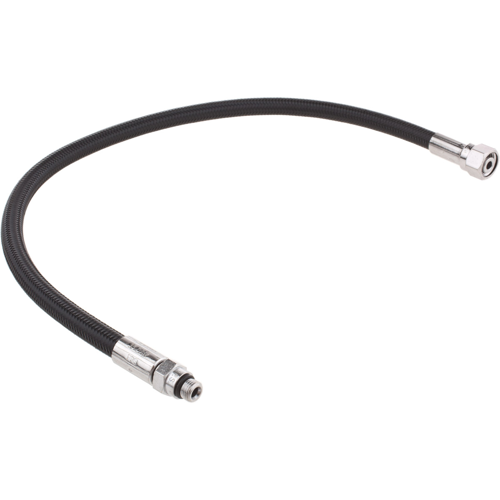
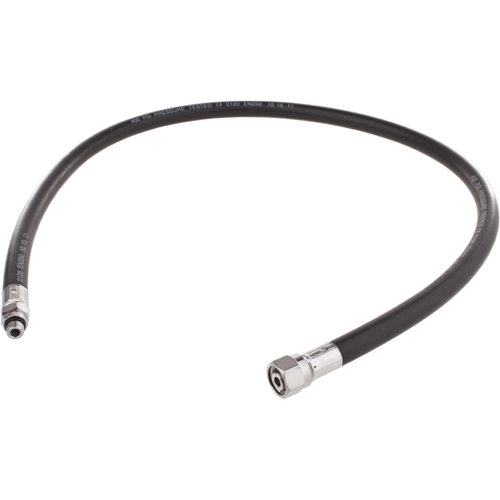
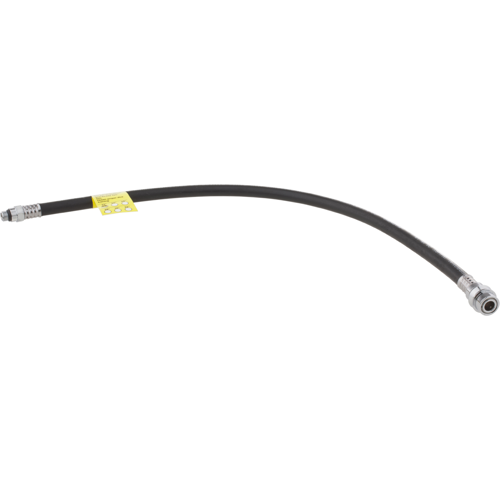
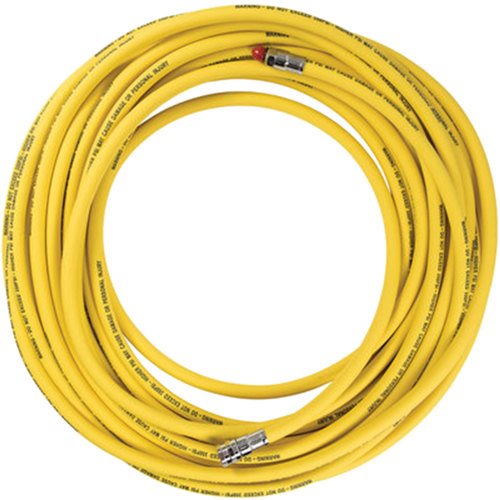
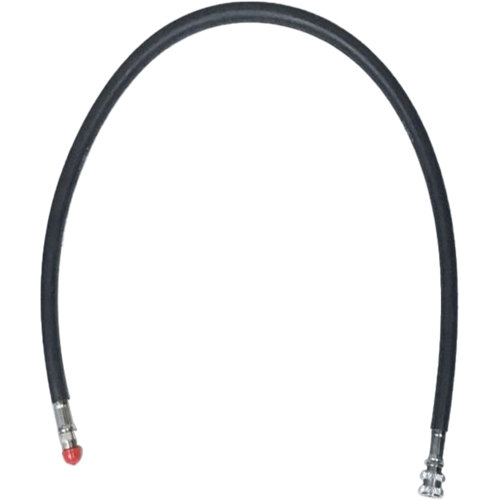
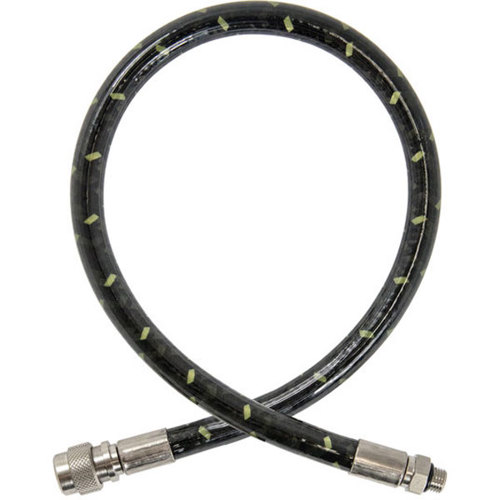
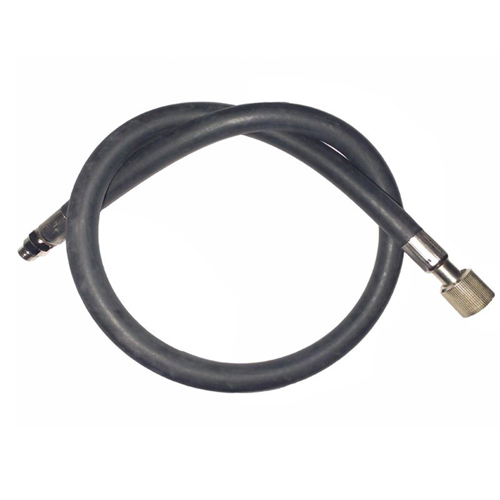
Salvage diving is a discipline that demands both rugged reliability and precision from every piece of equipment, and the right scuba hoses are at the heart of a dependable setup. Whether you’re working in the brisk waters of early spring or tackling a complex underwater recovery, hoses must withstand the rigors of heavy use, exposure to abrasive surfaces, and the unpredictable twists and turns encountered beneath the surface. Salvage divers—be they professionals tasked with recovering lost cargo, search and rescue teams, or dedicated hobbyists drawn to the challenge of underwater problem-solving—rely on hoses that offer exceptional durability, flexibility, and safety. High-tensile braided hoses, often with neoprene or modified nitrile coverings, are favored for their resistance to kinks and abrasion, ensuring consistent gas delivery even in tight spaces or when maneuvering around wreckage. With the season shifting and water temperatures still on the cooler side, many salvage operations also utilize drysuits, requiring low-pressure hoses that are both robust and compatible with a range of fittings for regulators, BCDs, and drysuit inflation systems.
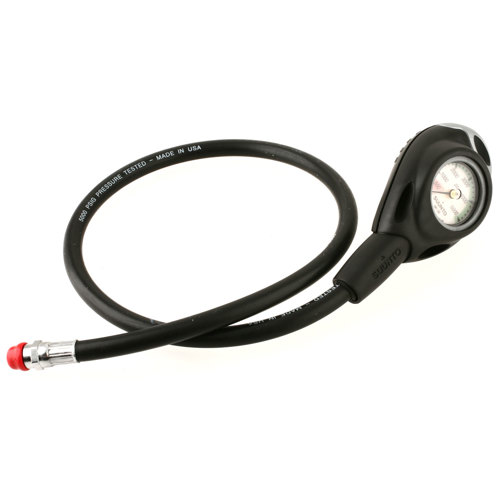
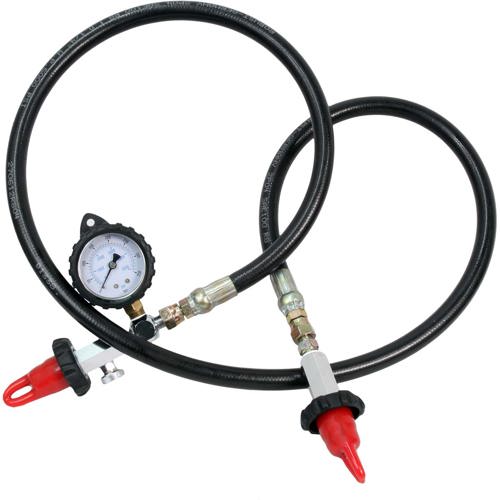
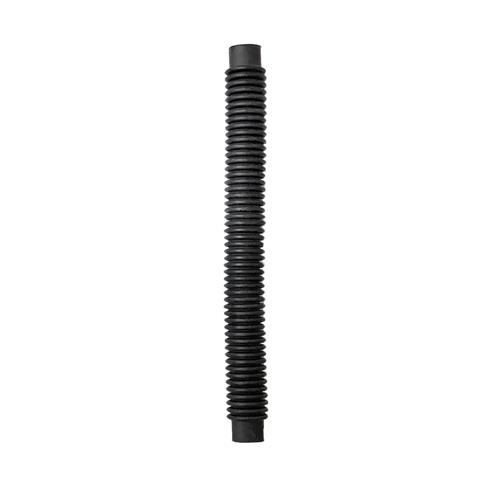
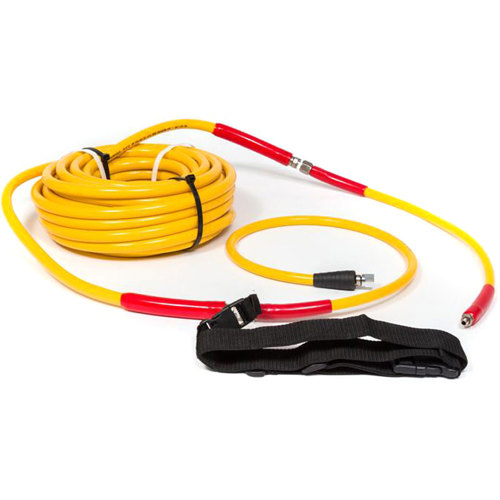
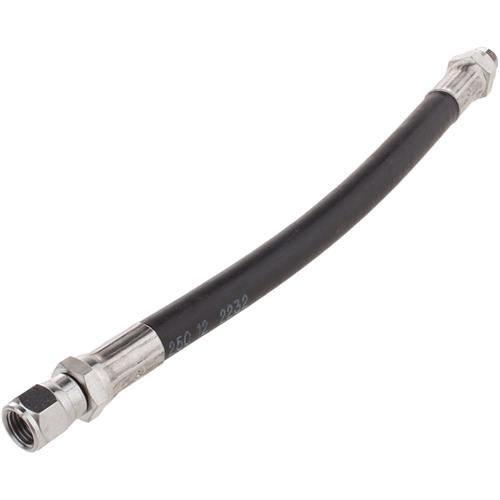
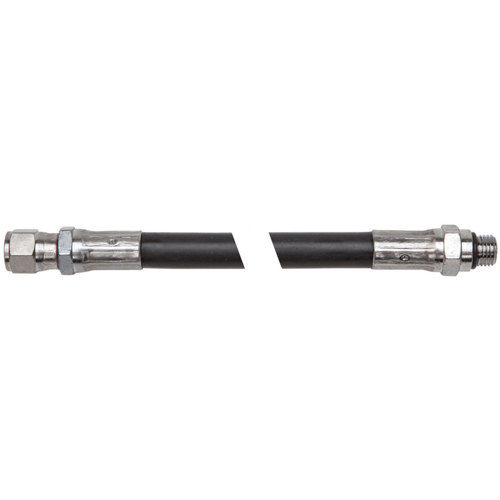
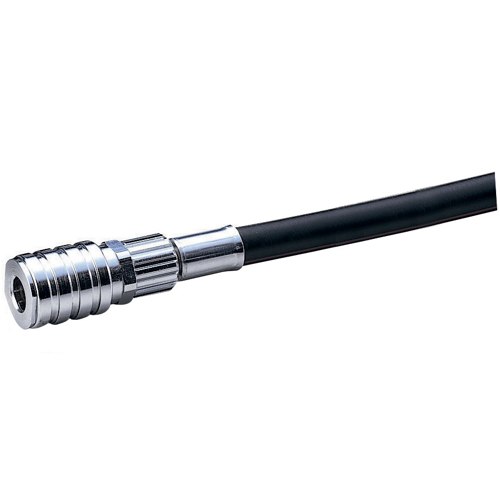
Selecting the right hoses for salvage diving involves more than simply matching lengths and fittings; it’s about anticipating the unique challenges of each dive. Low-pressure hoses are essential for connecting regulators, BCDs, and drysuits, while high-pressure hoses—often reinforced with stainless steel or Kevlar®—are crucial for accurate pressure gauge readings in demanding environments. Swivel hoses add an extra layer of flexibility, reducing strain on connections during prolonged or awkward underwater tasks, which is especially valuable when working in confined spaces or around entangling debris. For extended salvage operations, surface supply hoses provide a lifeline of uninterrupted air from topside, constructed to resist damage from rough underwater terrain. Quick disconnect hoses make it easier to swap out gear or perform rapid equipment changes—an invaluable feature when conditions change unexpectedly or when working as part of a larger team. Maintenance is equally important; hoses should be inspected regularly for wear, with replacements scheduled every five years or after 500 dives. Many seasoned divers keep a “save the dive” kit on hand, equipped for quick field repairs, ensuring that minor hose issues don’t cut an expedition short. Salvage diving hoses also make thoughtful gifts for those advancing in their diving careers, especially for technical divers, instructors, or anyone involved in underwater construction and recovery.
The world of salvage diving is as demanding as it is rewarding, requiring equipment that can keep pace with the diver’s skill and determination. Whether you’re assembling a custom hose configuration for a specific salvage mission or upgrading your gear for the busy spring season, attention to detail is key. Compatibility with standard first and second stage fittings ensures seamless integration with the rest of your kit, while the choice of materials—braided synthetics for flexibility, reinforced coverings for longevity—can make all the difference when working in challenging conditions. For those who dive internationally or frequently travel for salvage projects, it’s worth exploring specialized options designed for global standards and diverse environments; you can find more information on this topic at
Scuba Hoses For International Diving. No matter your level of experience or the scale of your salvage operations, investing in high-quality hoses is a decision that pays dividends in safety, performance, and peace of mind, allowing you to focus on the task at hand—whether that’s recovering a sunken artifact, assisting in a rescue, or simply exploring the mysteries that lie beneath the surface.