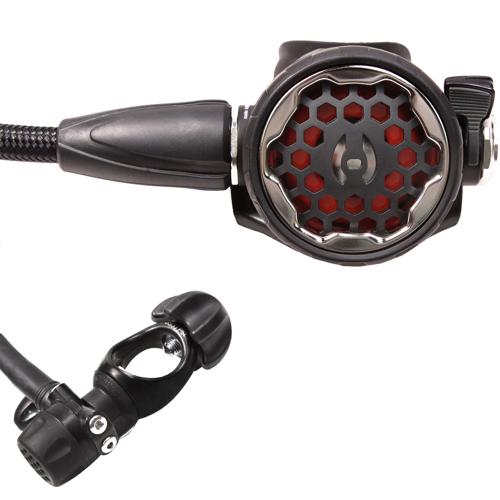
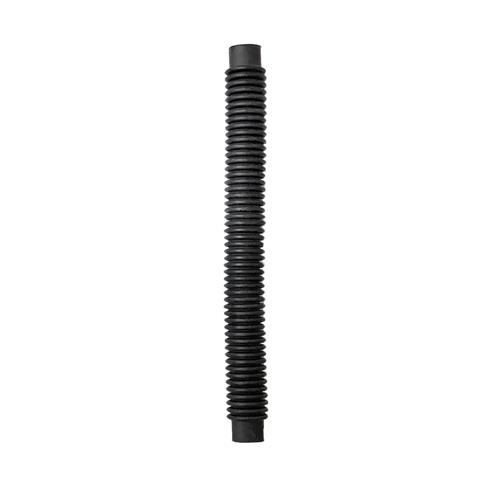
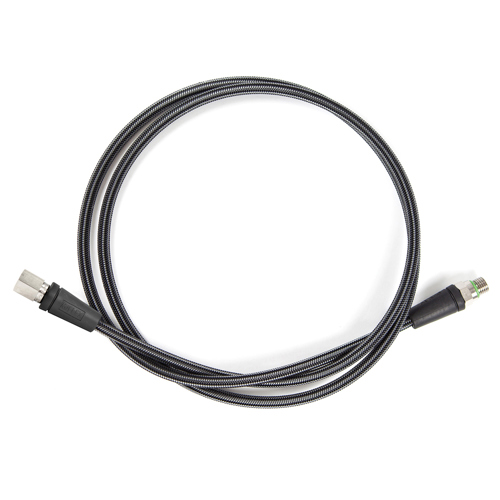
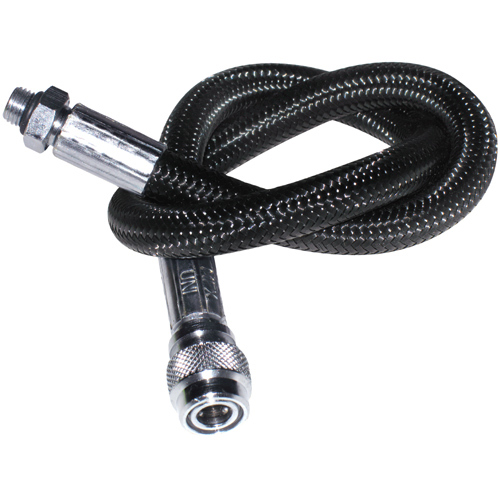
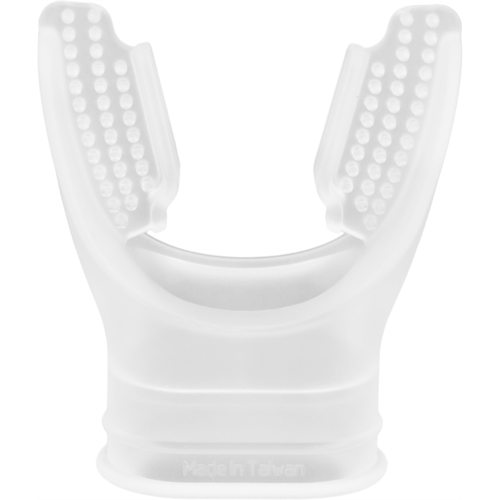
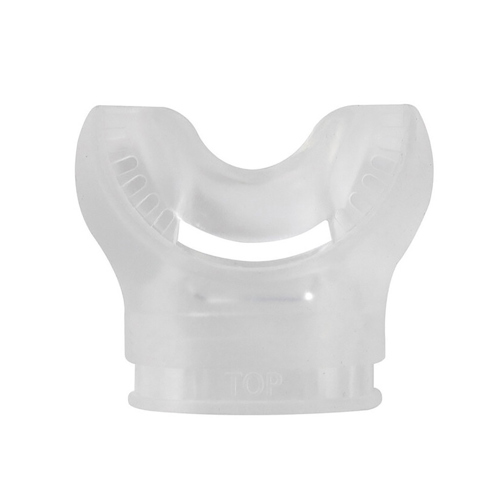
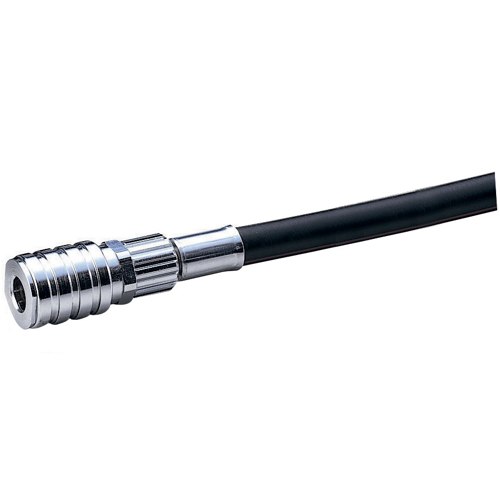
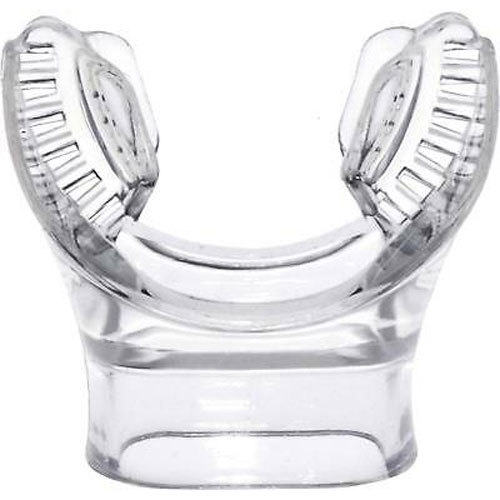
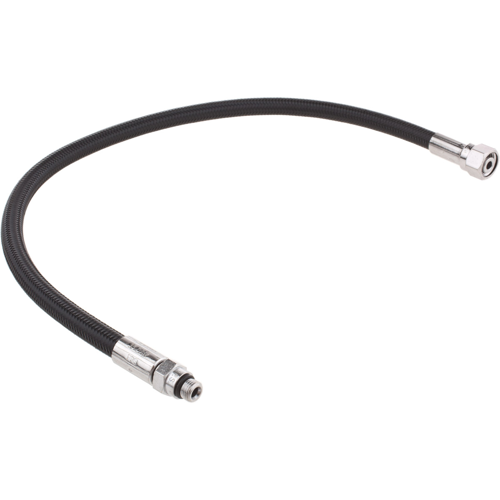
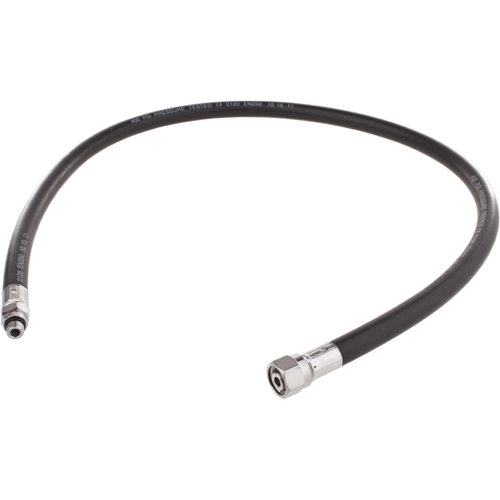
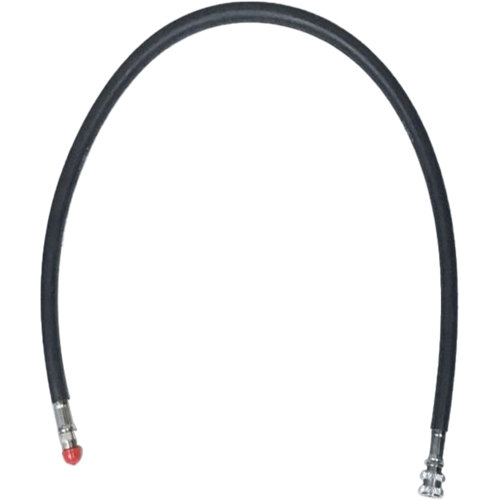
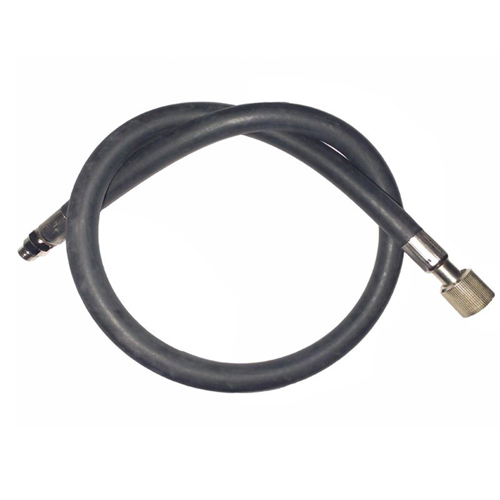
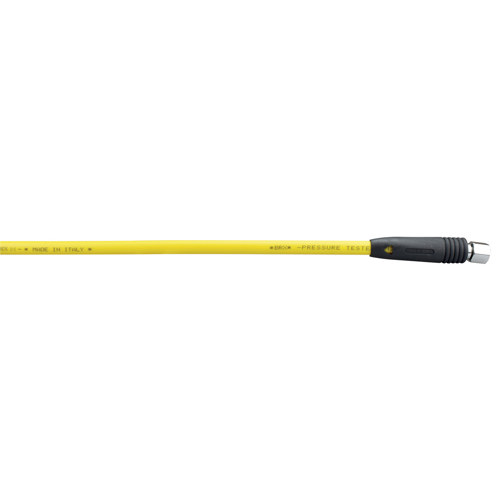
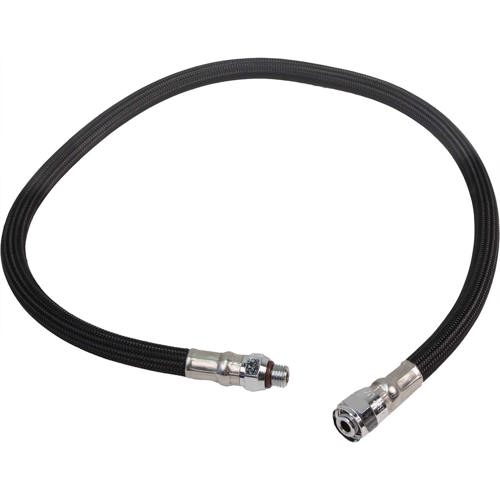
When it comes to building a reliable and comfortable scuba setup, the choice of mouthpiece hoses is a detail that experienced divers know can make a significant difference in both safety and enjoyment underwater. Whether you’re a recreational diver exploring vibrant reefs as the water warms, a technical diver navigating overhead environments, or a new enthusiast eager for your first open-water adventure, understanding the role of mouthpiece hoses is essential. These hoses are the crucial link between your regulator and the air you breathe, and their construction, length, and flexibility all play a part in your overall experience. Traditional rubber hoses, known for their durability and time-tested reliability, remain a solid choice for many divers who value resilience and straightforward maintenance. On the other hand, modern braided hoses—often referred to as Miflex—offer a lightweight, highly flexible alternative that can reduce jaw fatigue on longer dives and make gear management easier, especially when packing for travel or threading hoses through BC straps and D-rings.
Selecting the right hose length is another important consideration, tailored to diving style and configuration. Standard primary second stage hoses typically range from 26 to 30 inches (66–76 cm), providing a comfortable reach for most divers. Those setting up a backup or octopus regulator often opt for a shorter 22-inch (56 cm) hose for streamlined gear, or a longer 40-inch (102 cm) hose to facilitate air sharing with a buddy in an emergency. Technical divers, particularly those following the Hogarthian system or diving in caves and wrecks, may use a 7-foot (2.1 m) hose to allow for safe, controlled air sharing in confined spaces. No matter the configuration, regular inspection is vital—look for signs of wear such as sheath separation, kinks, or leaks, especially near the crimped ends, as these can compromise safety. Accessories like hose protectors and color-coded sleeves not only extend the life of your hoses by reducing stress at connection points but also help you quickly identify gear underwater. These details become especially relevant during the busy dive season, when gear is in frequent use and travel bags are packed for trips to local lakes, tropical destinations, or even just a favorite coastal dive spot. For those looking to round out their kit or searching for a thoughtful gift for a dive buddy, mouthpiece hoses and related accessories are practical options that demonstrate both care and an understanding of the sport’s demands.
As you review the selection of mouthpiece hoses, consider how they fit into your broader equipment setup. Matching hose flexibility and length to your personal diving style can help minimize jaw fatigue, streamline your profile, and enhance your overall comfort during long, leisurely dives or challenging technical excursions. It’s also worth exploring related gear, such as buoyancy compensator hoses, to ensure your entire system works seamlessly together. For more information on compatible BC hoses and how they integrate with your mouthpiece hoses, visit our dedicated page on
Scuba Bc Hoses. Investing in the right hoses now, and maintaining them with regular checks and protective accessories, means you’ll be ready to make the most of every dive—whether you’re heading out for a spontaneous summer shore dive, planning a family snorkeling trip, or preparing for advanced training in cooler, deeper waters.