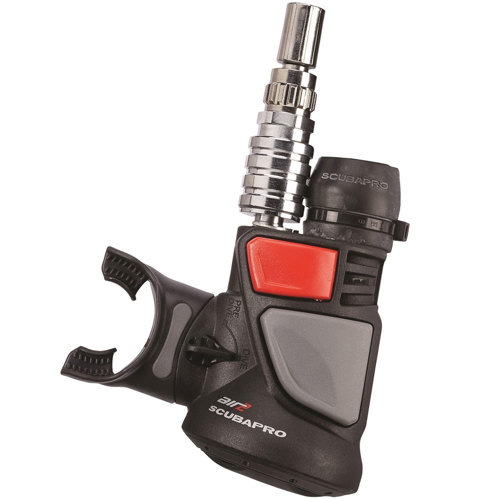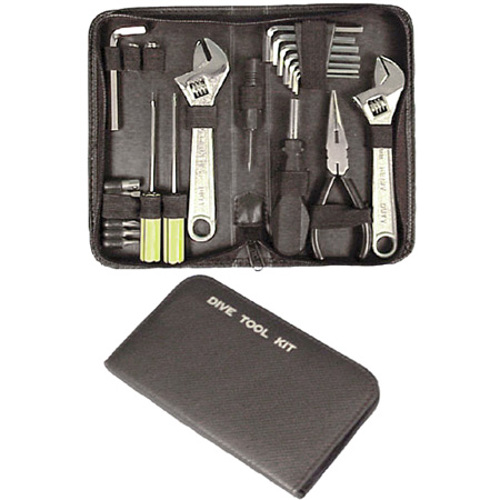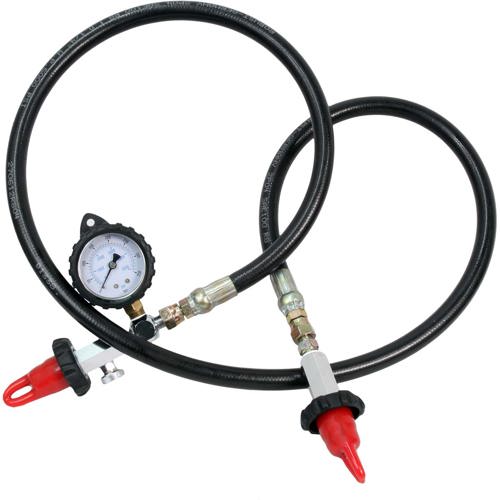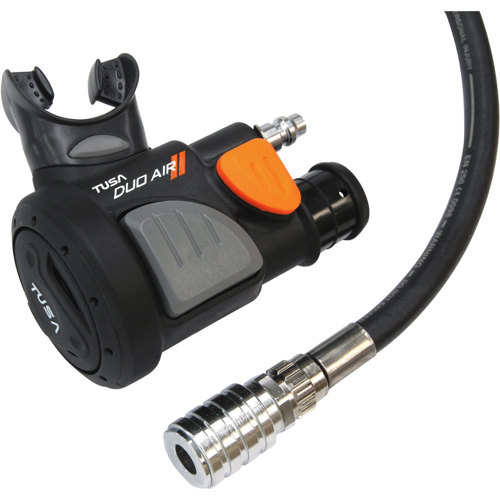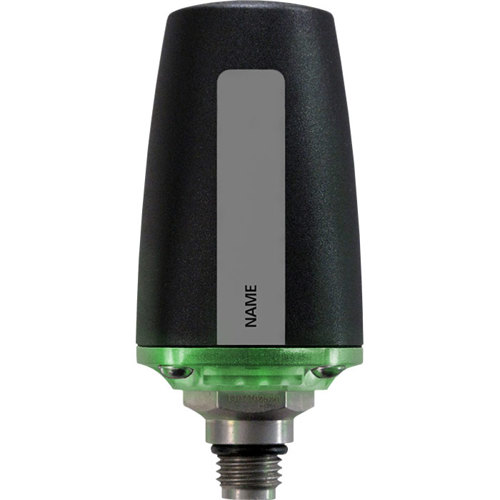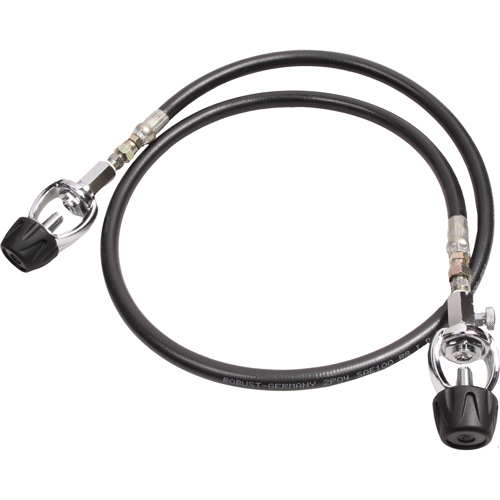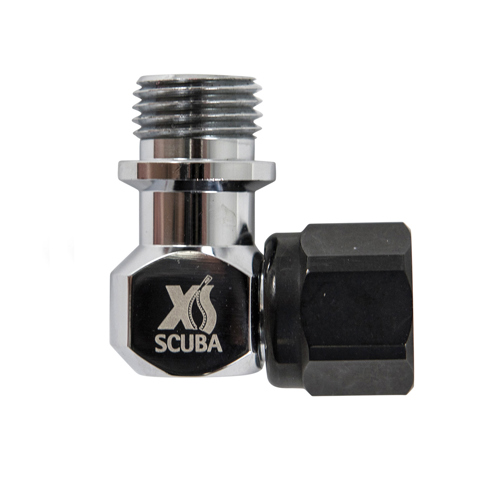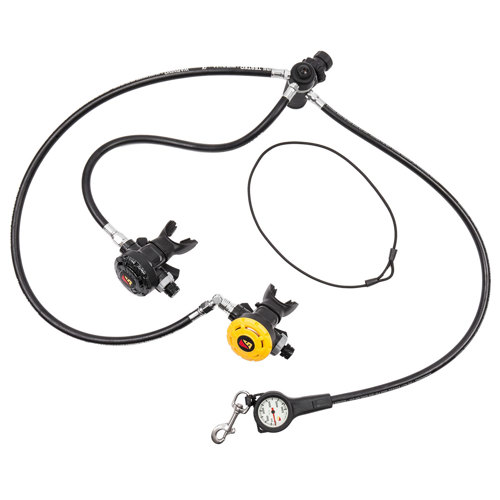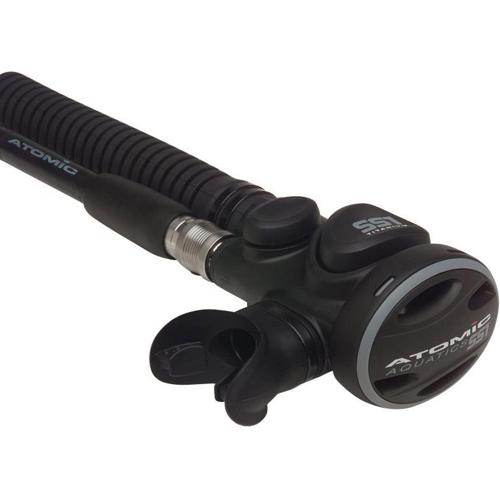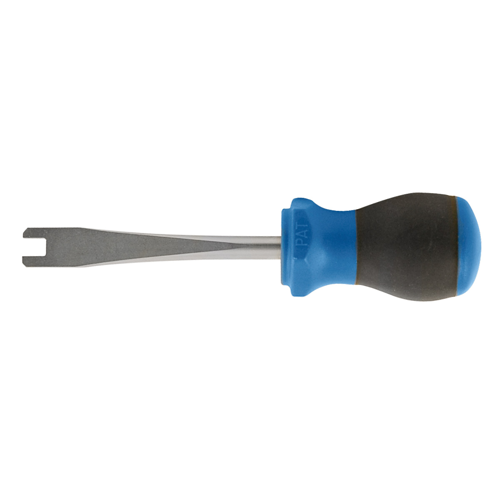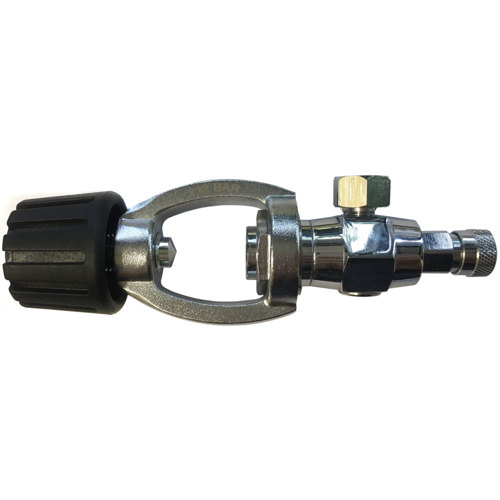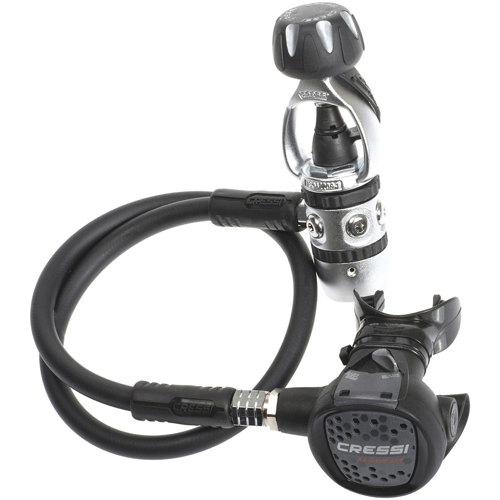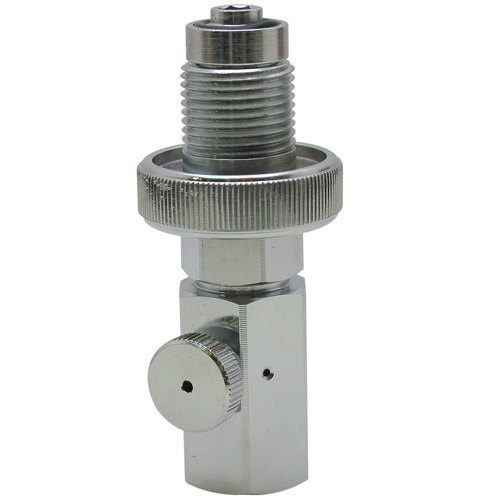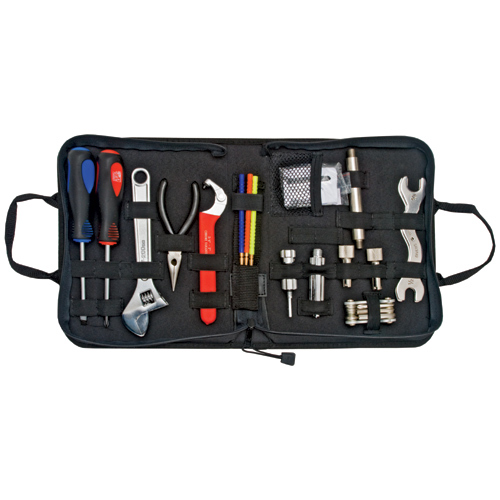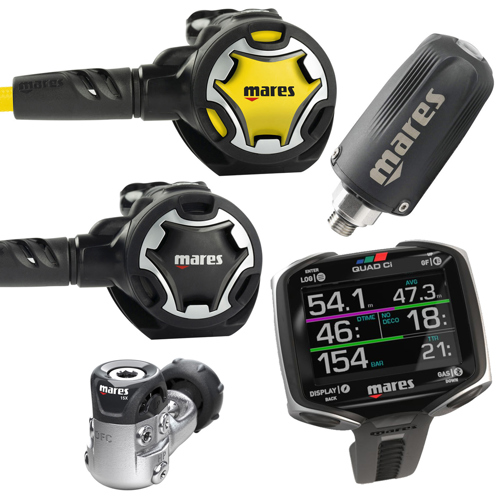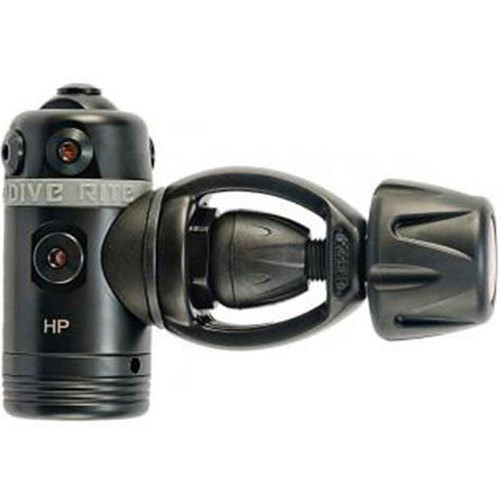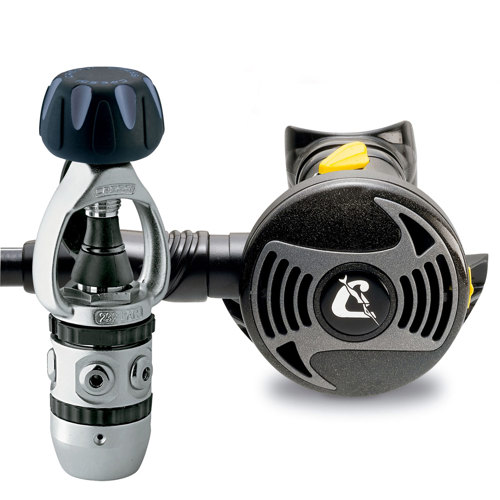
Diving air tools are an essential extension of the modern diver’s toolkit, bridging the gap between recreational exploration and the demanding requirements of underwater construction, maintenance, and technical support. Whether you’re a professional commercial diver tasked with maintaining submerged infrastructure, a salvage specialist clearing debris, or an avid underwater hobbyist tackling advanced DIY projects, these pneumatic tools are designed to perform reliably in the most challenging aquatic environments. Powered either by surface-supplied compressed air through robust umbilical hoses or directly from scuba cylinders, diving air tools include everything from heavy-duty wrenches and impact drivers to precision air-powered grinders, saws, and specialty cutting devices. Their resilience against saltwater, pressure, and corrosion is a testament to their engineering, allowing divers to tackle tasks like tightening bolts on moorings, slicing through marine growth, or even performing emergency repairs on dive equipment and vessels, all while submerged. With January’s cooler water temperatures and clearer visibility in many regions, it’s an ideal season for those involved in underwater maintenance or infrastructure projects to upgrade or replace their air tools, ensuring peak performance during winter’s prime working conditions.
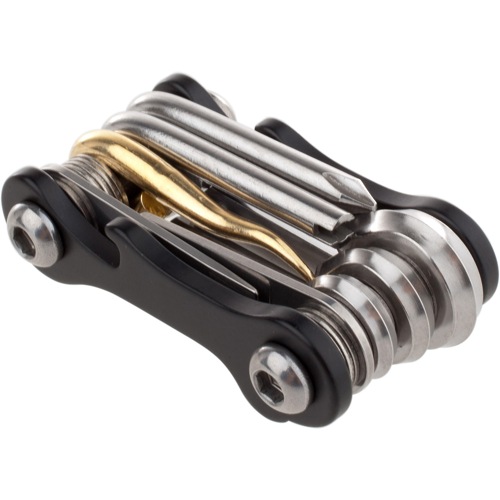
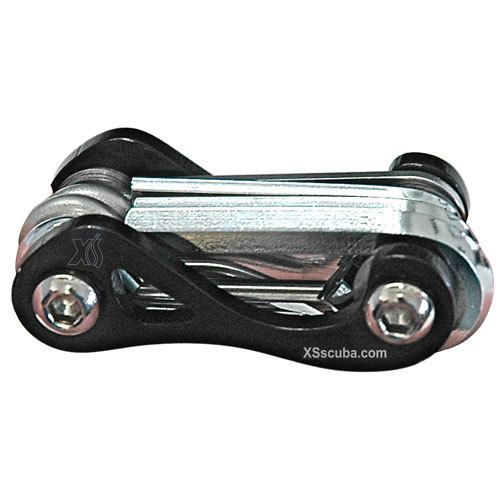
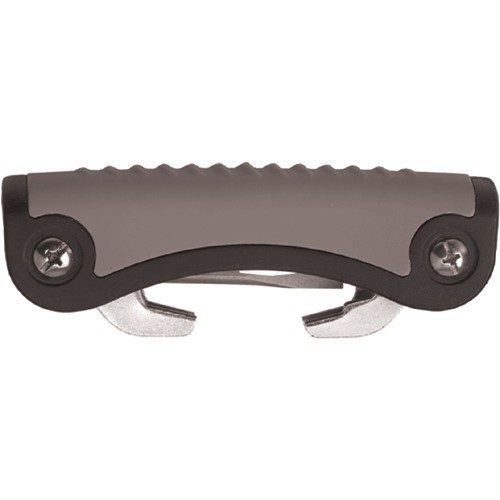
Selecting the right diving air tools involves thoughtful consideration of the intended application, frequency of use, and the specific demands of your diving environment. Professional divers often require industrial-grade tools with the power and endurance to handle repetitive, high-torque tasks such as underwater welding preparation or structural assembly, while recreational and technical divers might prioritize compact, multi-functional tools that can be stowed in a BCD pocket for occasional repairs or modifications. For those new to underwater work, or as a thoughtful gift for a dive enthusiast interested in technical challenges, a well-chosen multi-tool or pneumatic accessory can open up a new dimension of self-sufficiency and capability beneath the waves. Safety and aftercare are paramount: always ensure your tools are properly maintained, rinsed, and lubricated after each dive to prevent saltwater corrosion and mechanical wear. Many divers develop a personal attachment to their favorite air tools, recalling the satisfying click of a spanner securing a stubborn fitting, or the whir of a grinder clearing barnacles from a propeller. These moments underscore the unique blend of precision, power, and adaptability that diving air tools bring to underwater tasks. For those seeking to deepen their understanding or explore the latest innovations in this field, our comprehensive overview of
Diving Air Technology offers in-depth insights into the systems and advancements shaping today’s underwater work environment.
As the underwater world continues to inspire both professional and recreational divers, investing in reliable, purpose-built diving air tools ensures you are prepared for the unexpected—whether that means managing a complex underwater construction site, salvaging artifacts, or simply maintaining personal equipment for optimal performance. The versatility of these tools extends their appeal to a wide range of users, from marine researchers conducting fieldwork to boat owners ensuring their vessels remain shipshape. With the right selection, proper training, and diligent care, diving air tools become indispensable partners, empowering divers to accomplish tasks that would be impossible with standard gear alone. As the season brings brisker water and heightened clarity, now is an opportune time to assess your underwater toolkit, ensuring you have the pneumatic power and specialized functionality required to meet the demands of your next dive.