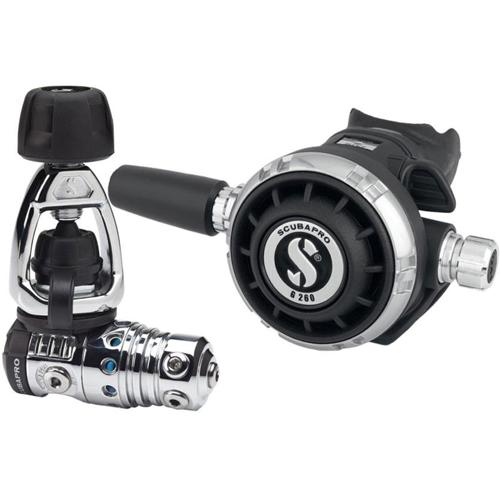
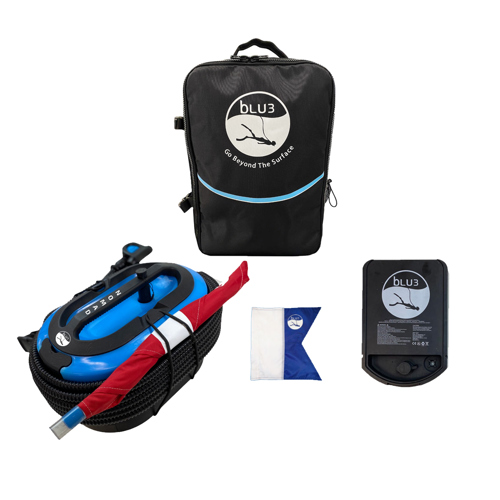
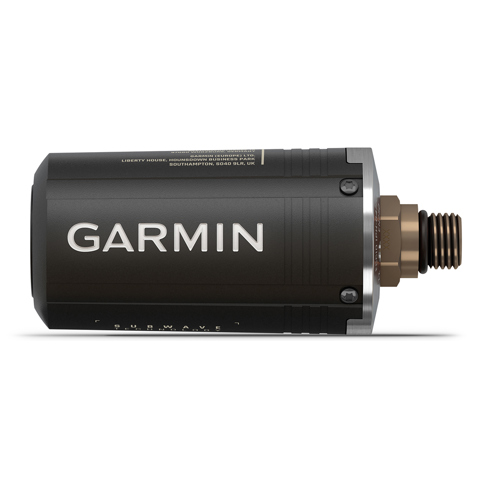
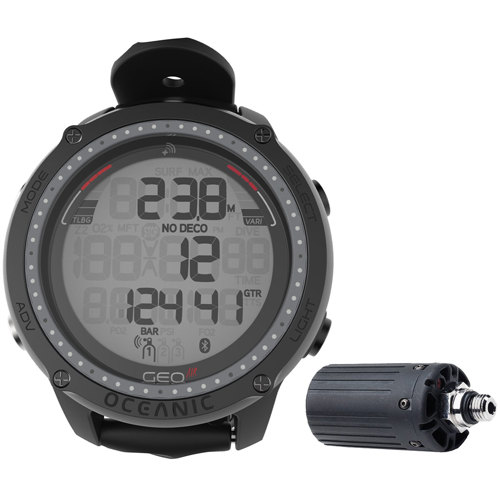
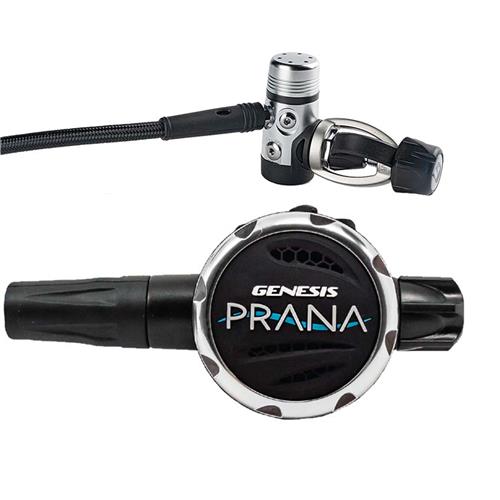
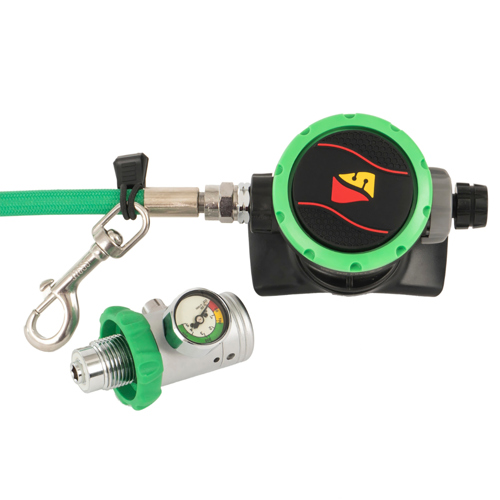
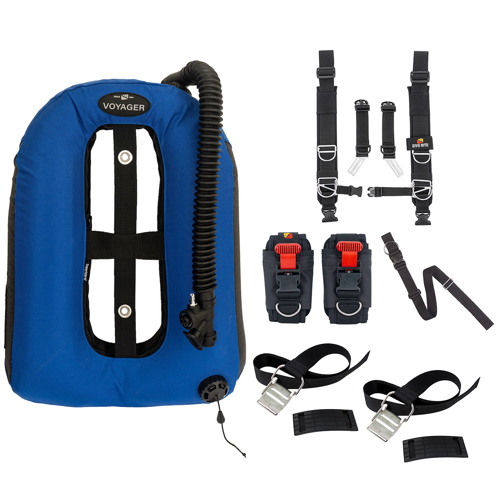
Diving air technology forms the backbone of underwater exploration, supporting everyone from recreational divers discovering vibrant coral reefs to technical professionals mapping deep wrecks or conducting marine research. At its core, this technology encompasses a variety of systems designed to deliver safe, breathable gas to divers at depth. The most familiar is the self-contained underwater breathing apparatus, or SCUBA, which relies on compressed air or specialized gas mixtures in a tank, paired with a regulator that ensures each breath is delivered at the right pressure. For those venturing beyond the usual limits—whether on extended drift dives in warm January waters or chilly winter expeditions—systems like rebreathers and surface-supplied air setups offer advanced capabilities. Rebreathers, for instance, recycle exhaled gas, scrubbing out carbon dioxide and replenishing oxygen, allowing for longer, quieter dives with minimal bubbles—ideal for underwater photographers or marine biologists who need to blend seamlessly into the environment. Surface-supplied systems, sometimes called hookah rigs, are invaluable for commercial divers or anyone spending long stretches working underwater, since they provide a continuous supply of air from the surface, often through an umbilical that can also carry communications or even heated water for cold conditions.
Selecting the right diving air technology involves careful consideration of experience level, dive goals, and environmental factors. Recreational divers typically begin with standard air systems, enjoying the simplicity and reliability of compressed air tanks and modern regulators. As divers progress, many seek out enriched air or Nitrox, which contains a higher percentage of oxygen and allows for longer bottom times with reduced nitrogen absorption—a welcome advantage for those planning multiple dives in a day or exploring deeper reefs. Technical and commercial divers often require specialized gas blends such as Trimix, which incorporates helium to minimize the narcotic effects of nitrogen and reduce breathing resistance on deep descents. These advanced systems demand additional training but open up a world of possibility, from exploring shipwrecks that lie far below recreational depth limits to conducting scientific surveys in remote offshore locations. For families or friends seeking a unique and practical gift, entry-level air systems or accessories make thoughtful choices for certified divers, while advanced air technology is best reserved for those with specialized training and ambitions. The winter season, with its cooler water temperatures and quieter dive sites, is an excellent time to upgrade gear or invest in new technology, ensuring you’re ready for the adventures that await as diving conditions improve in the coming months.
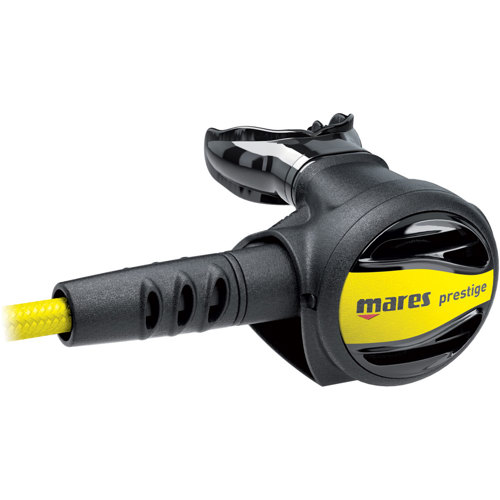
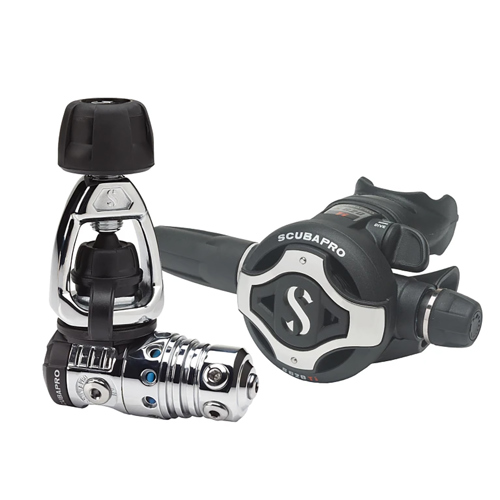
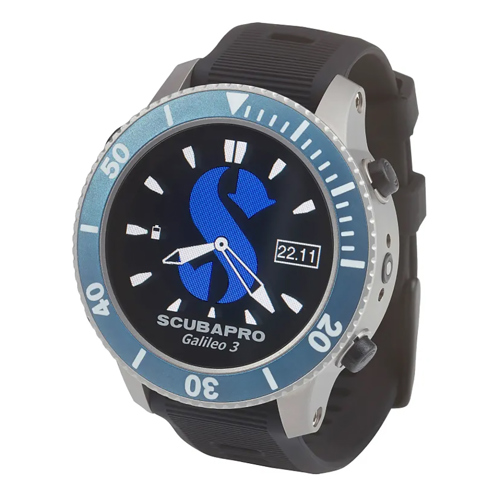
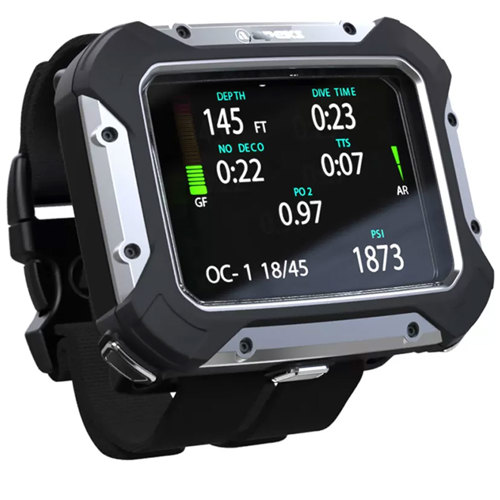
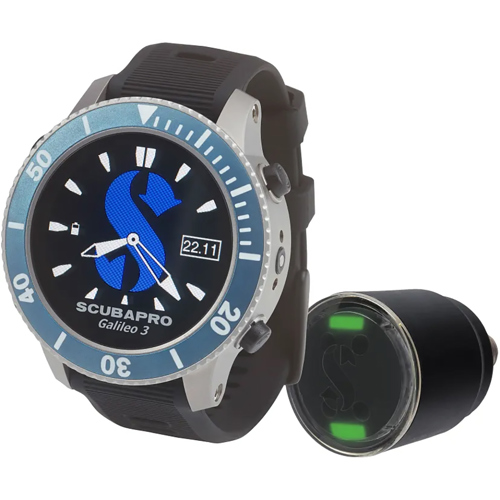
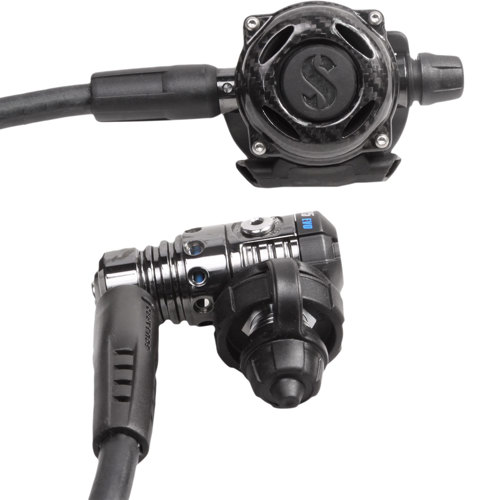
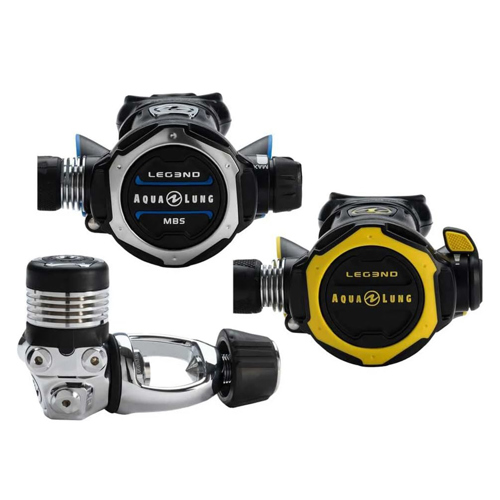
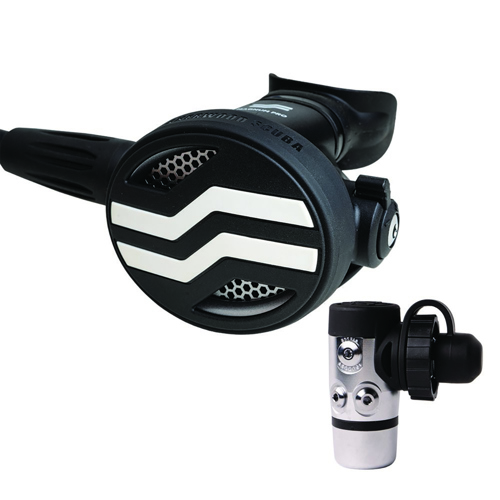
No matter your diving aspirations, understanding the nuances of air delivery and gas management is essential for safety and enjoyment beneath the surface. Regulators play a critical role by reducing high-pressure air from tanks to breathable levels, and innovations in design have made them more reliable, comfortable, and easy to maintain. For shallow-water explorers, tankless systems powered by surface compressors offer the freedom of movement without the weight of a traditional tank, making them a popular choice for snorkeling enthusiasts or those new to underwater breathing. As you browse our curated selection of diving air technology, consider how each piece of equipment fits into your unique underwater journey, whether you’re preparing for your first open water dive, planning a technical expedition, or searching for the perfect gift for the diver in your life. For those looking to complement their gear with cutting-edge divewear, explore our collection of
Advanced Diving Technology Apparel to stay comfortable and protected in any conditions. The right equipment not only enhances your performance but also deepens your connection to the underwater world, ensuring every dive is safe, memorable, and filled with discovery.