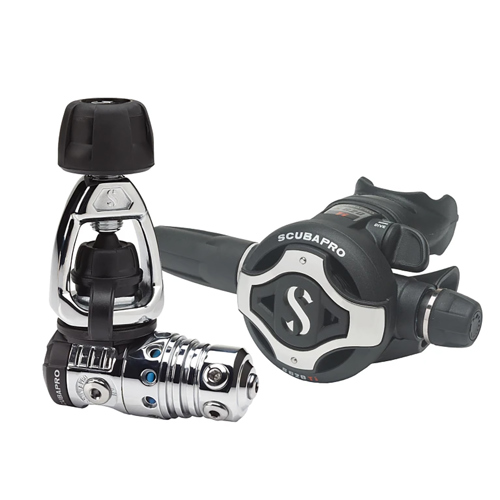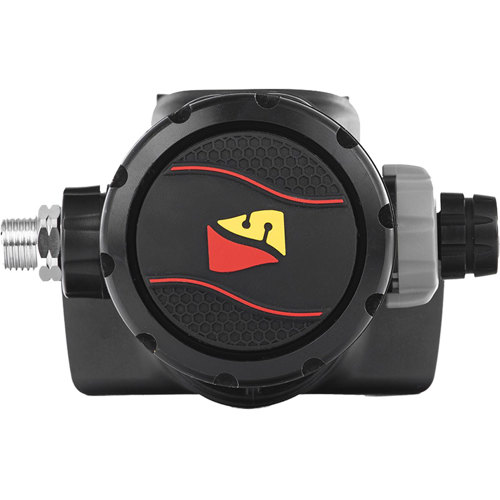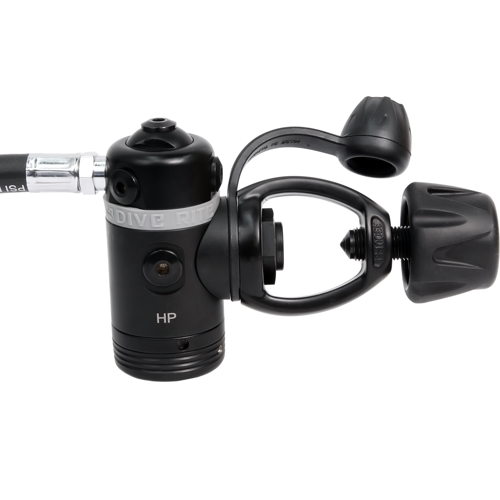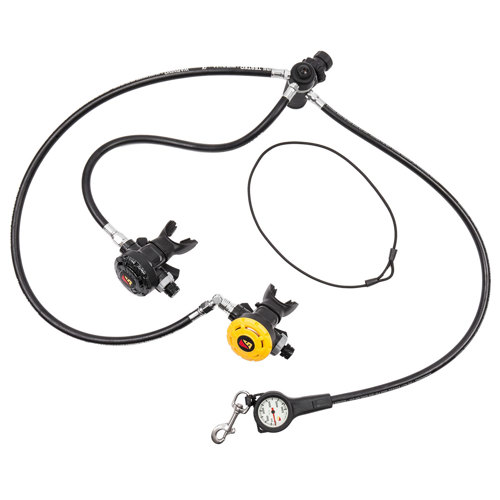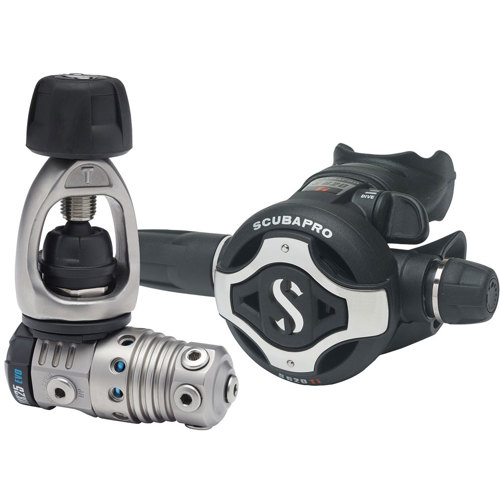
Technical diving systems are meticulously engineered to meet the demands of divers who venture beyond the boundaries of recreational diving. These systems are designed for those tackling advanced environments—deep wrecks, intricate cave networks, and extended decompression profiles—where precise gas management, redundancy, and reliability are paramount. The foundation of a robust technical diving setup often begins with multiple cylinders, such as doubles or sidemount configurations, which allow divers to carry a variety of breathing gases like Nitrox, Trimix, and pure Oxygen for different phases of the dive. Manifolds link these tanks, providing seamless gas switching and ensuring continuous supply in the event of a regulator or tank failure. For many, the transition to technical diving is marked by the adoption of specialized regulators capable of handling higher gas flows and the increased demands of deep or long-duration dives. Closed-circuit rebreathers (CCRs) have become increasingly popular among experienced divers, offering the ability to recycle exhaled gas, minimize bubble trails, and extend bottom times—a feature especially valued on explorations where stealth and efficiency are essential.
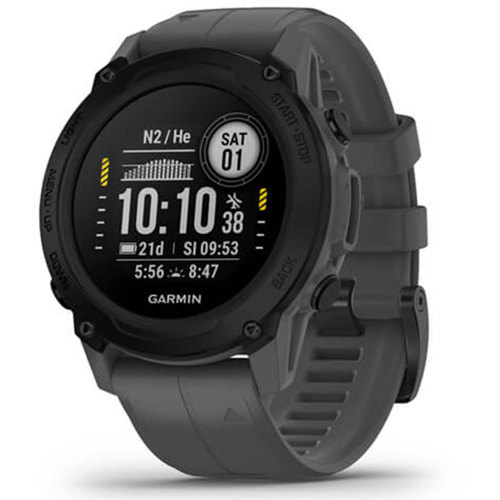
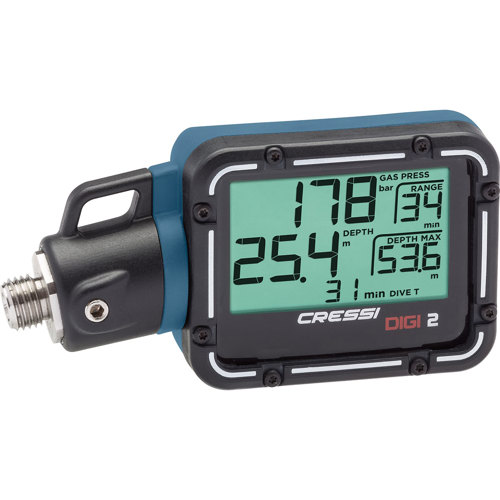
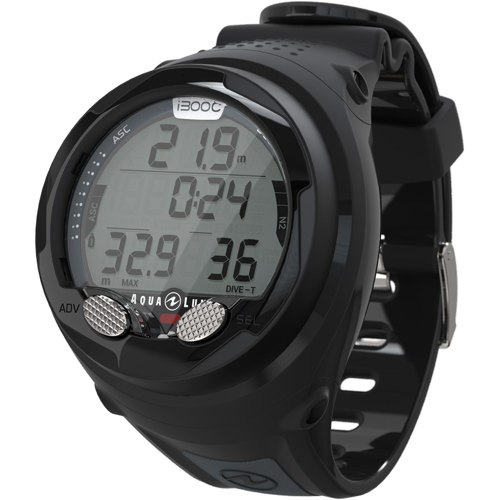
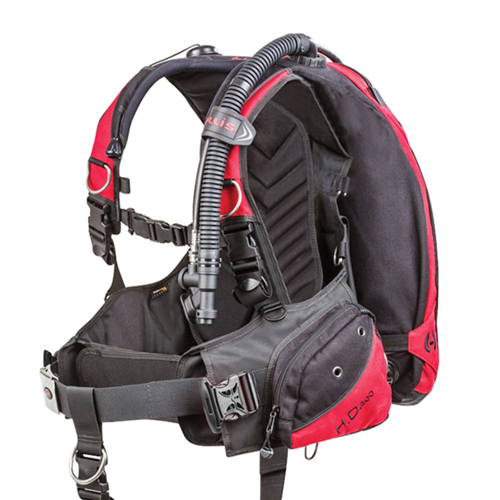
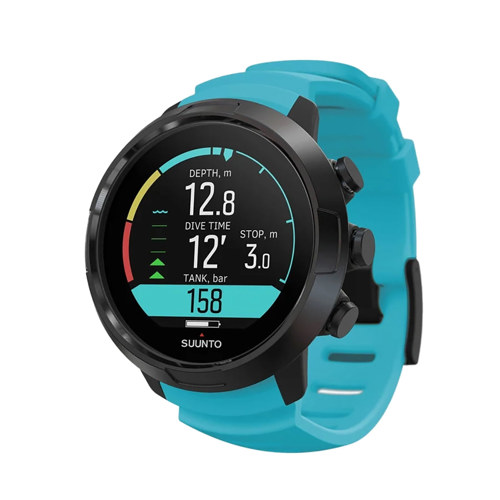
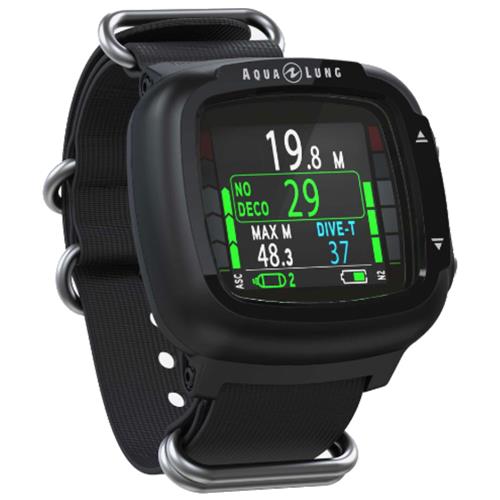
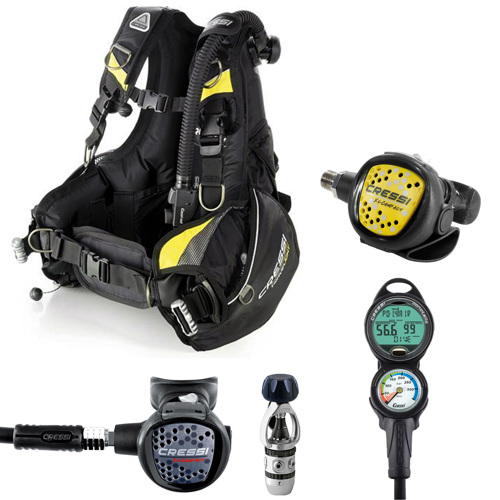
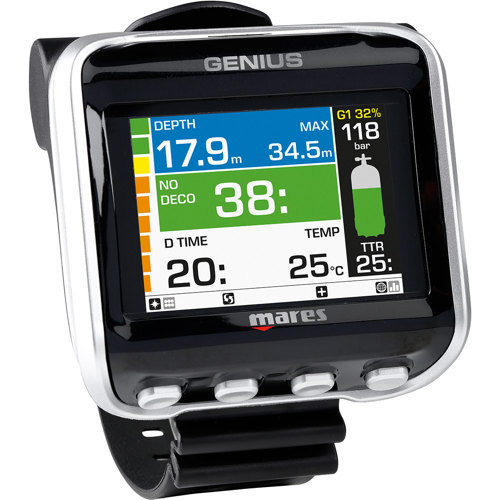
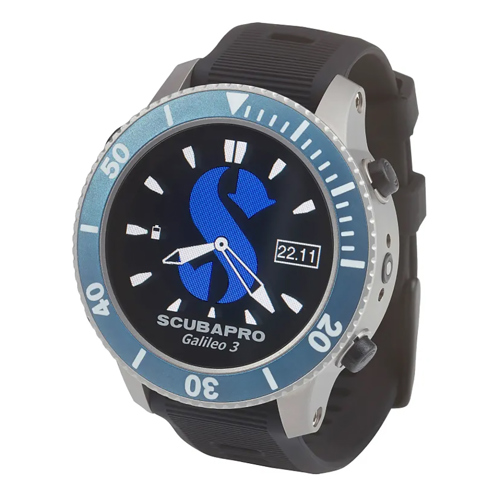
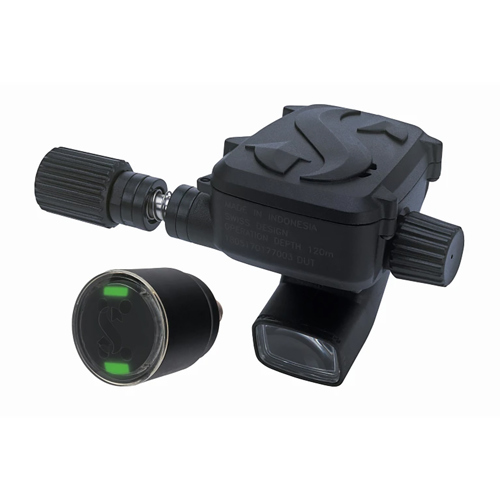
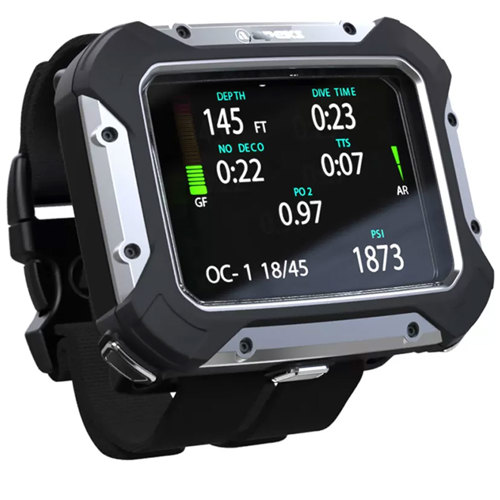
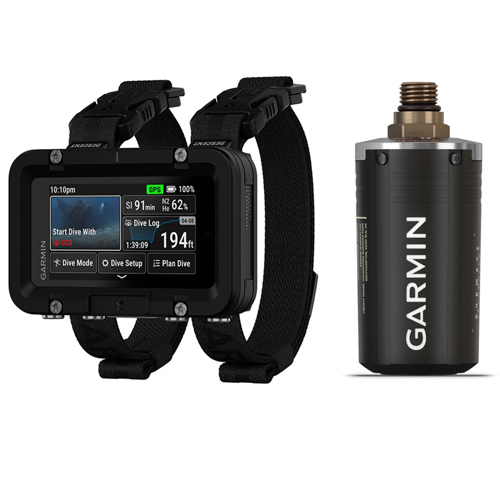
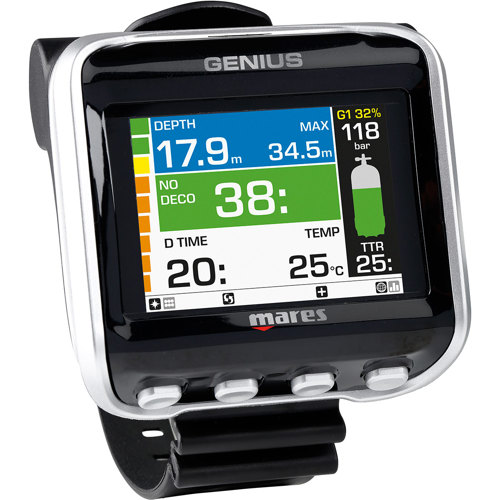
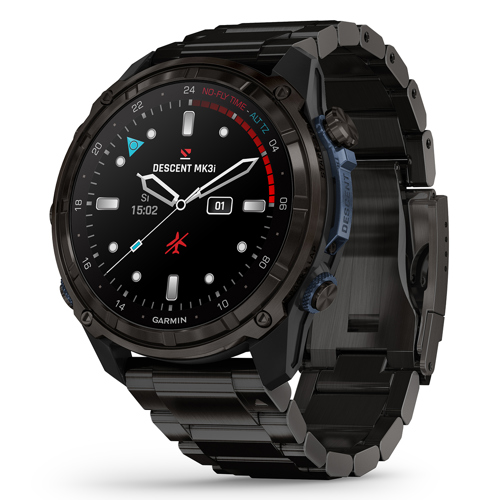
The heart of a technical diving system lies in its buoyancy and support architecture. Twinset or doubles back-mounted tanks are paired with a harness and wing buoyancy compensator, providing both the lift and stability needed to manage heavy gear and maintain precise trim. A rigid backplate anchors the system, distributing weight evenly and allowing for fine-tuned adjustments. Redundancy is a core principle, with backup regulators, alternate buoyancy devices, multiple cutting tools, and redundant lighting all standard components. Technical divers often rely on a sophisticated technical diving computer, which tracks multiple gas mixes, decompression obligations, and critical dive parameters in real time. This essential tool supports complex dive planning and helps manage the risks associated with deeper, longer, or more challenging profiles. Communication is another critical consideration: advanced hand signals are used for gas switches, emergencies, and navigation, while underwater communication devices can facilitate coordination during complex team dives. As winter brings clearer water and the allure of deep, undisturbed wrecks or caves grows, many seasoned divers find themselves upgrading or gifting advanced technical diving systems—an investment in both safety and the thrill of discovery.
Selecting the right technical diving system is a deeply personal process, often shaped by the diver’s training, dive environment, and future ambitions. Those new to technical diving should prioritize modularity and adaptability, ensuring their system can evolve as they progress from open water to more demanding overhead or deep environments. Experienced divers may seek specialized upgrades, such as high-capacity stage cylinders for extended exploration, or the latest in dive computers with advanced decompression algorithms. For the tech diver in your life, a thoughtfully chosen component—whether a rugged harness, a streamlined sidemount system, or a cutting-edge technical diving computer—can make an exceptional gift, supporting their passion for adventure and commitment to safety. To further enhance your setup, consider exploring our curated selection of
Tech Diving Gadgets, where you’ll find innovative tools and accessories designed to complement and elevate your technical diving experience. Whether gearing up for a winter expedition or planning your next big dive, investing in a comprehensive and reliable tech diving system lays the foundation for unforgettable underwater journeys and the confidence to explore the world’s most challenging dive sites.