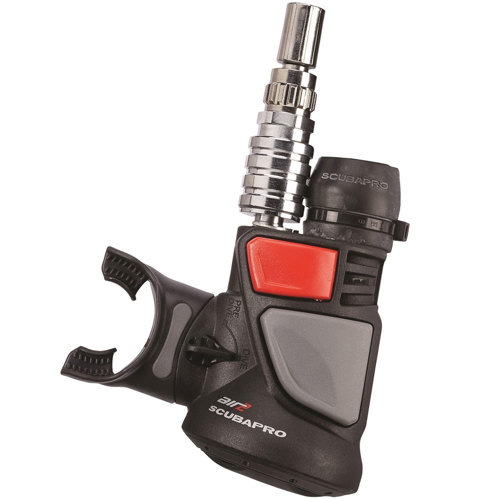
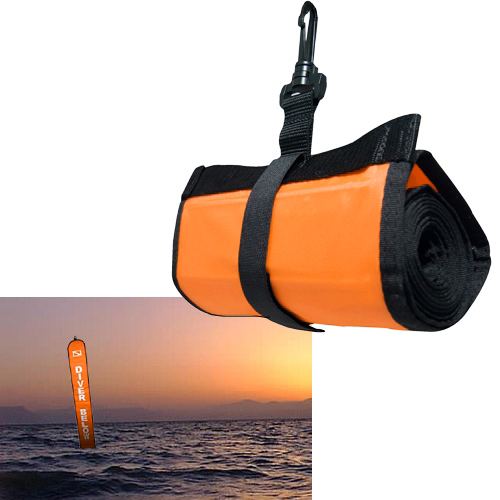
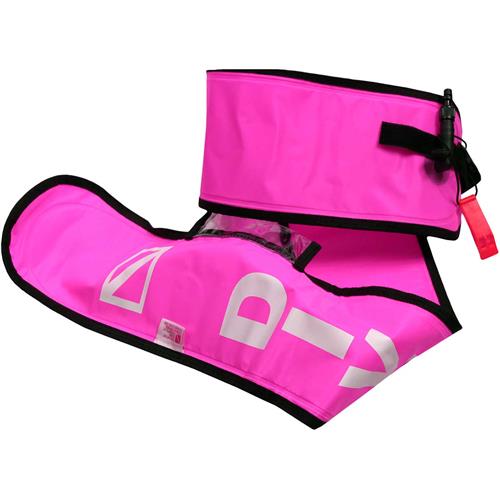
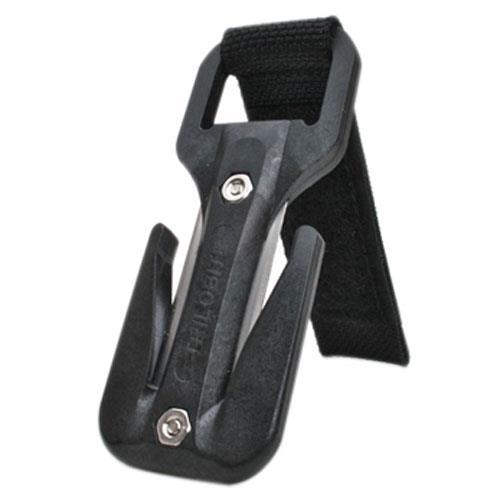
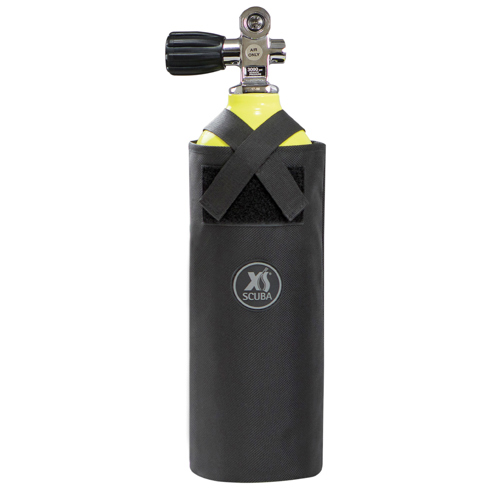
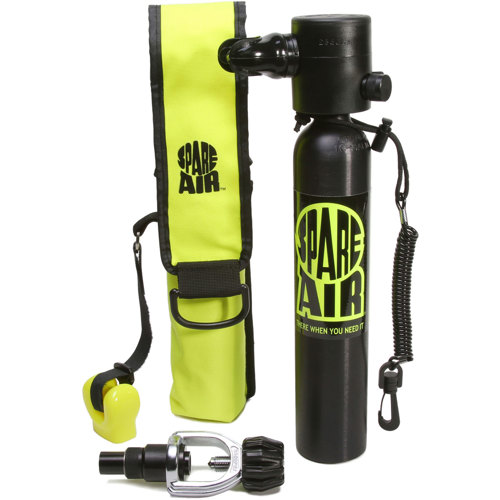
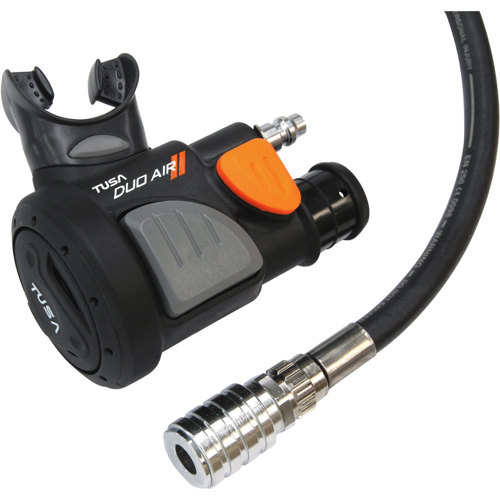
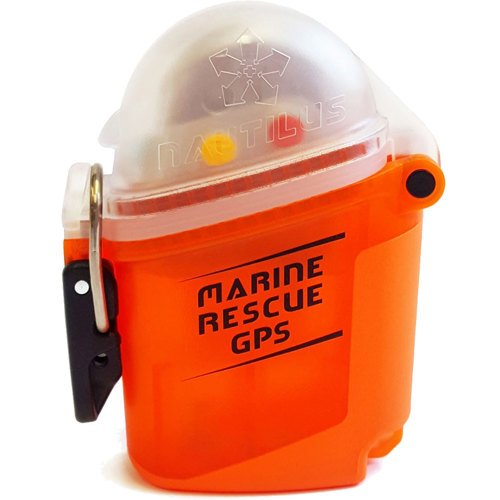
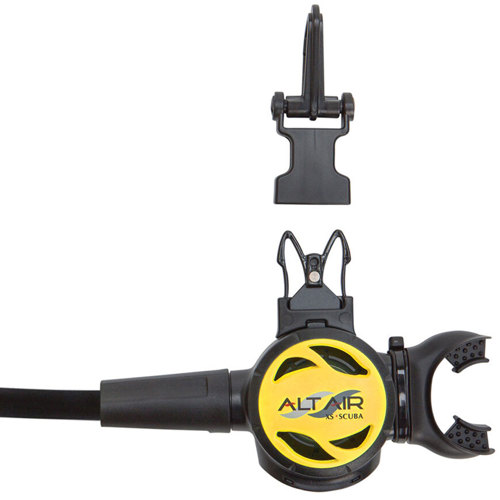
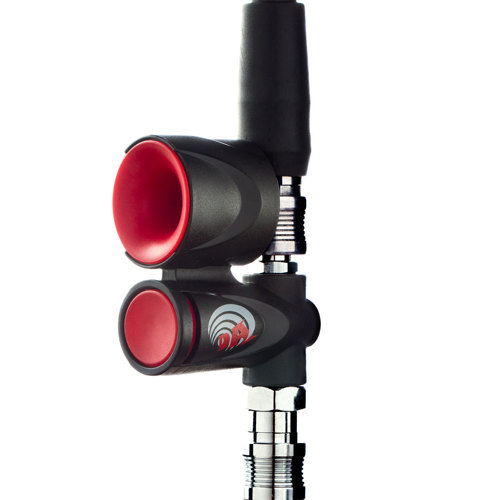
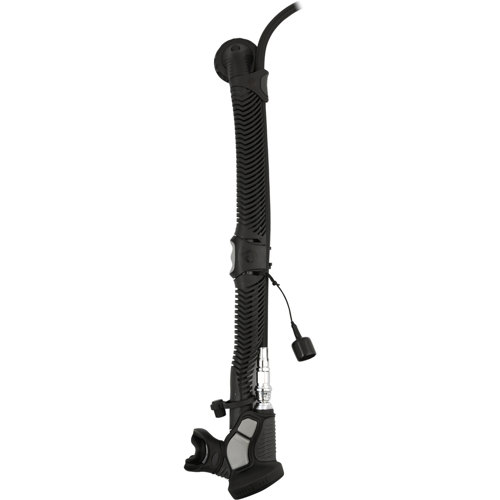
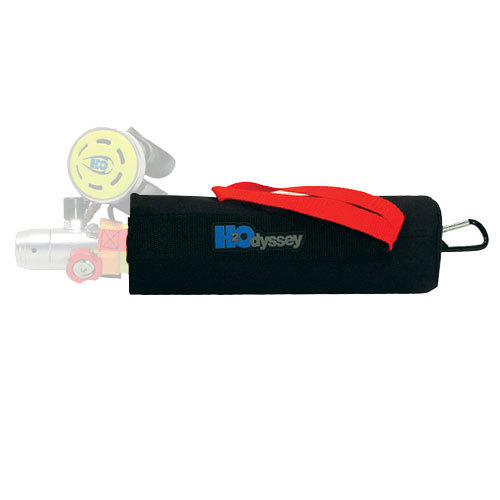
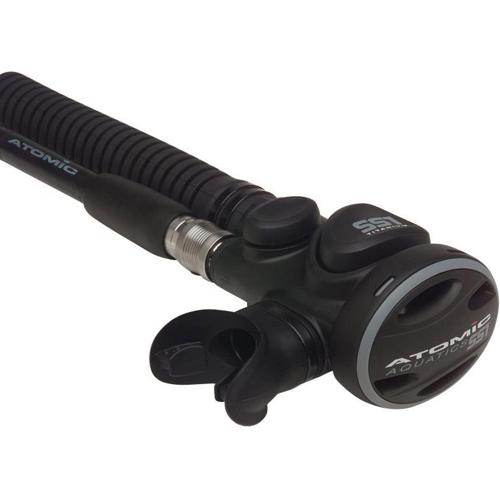
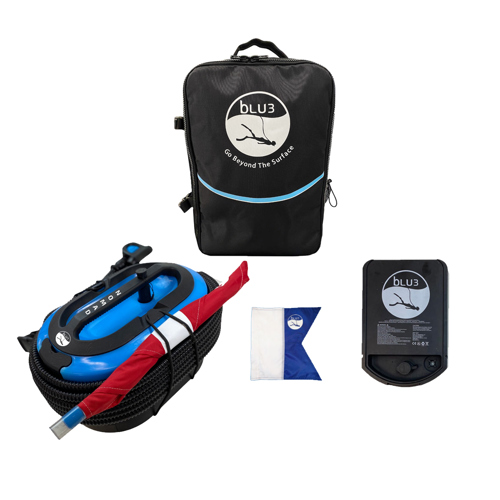
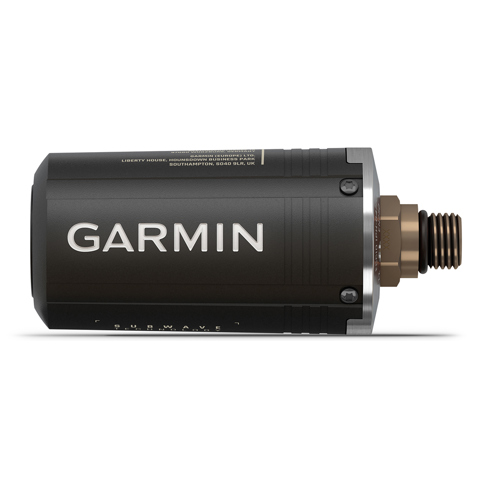
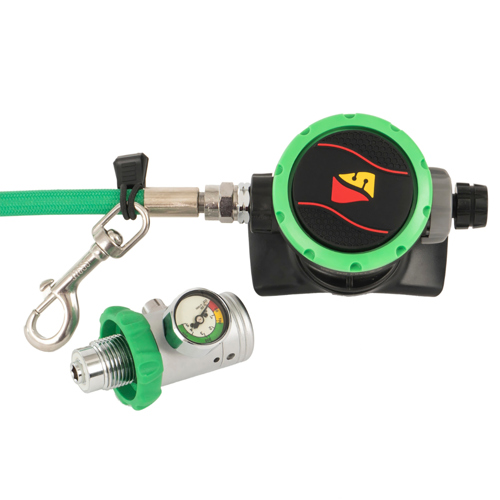
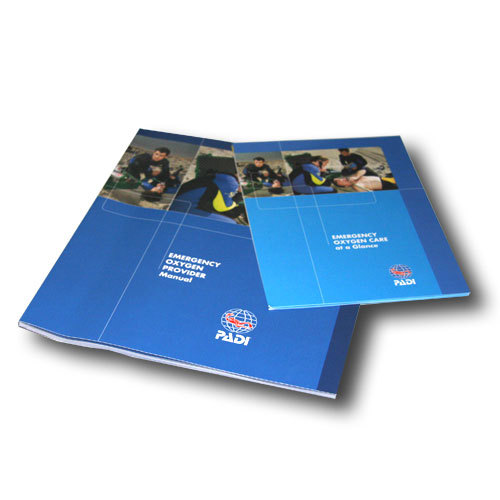
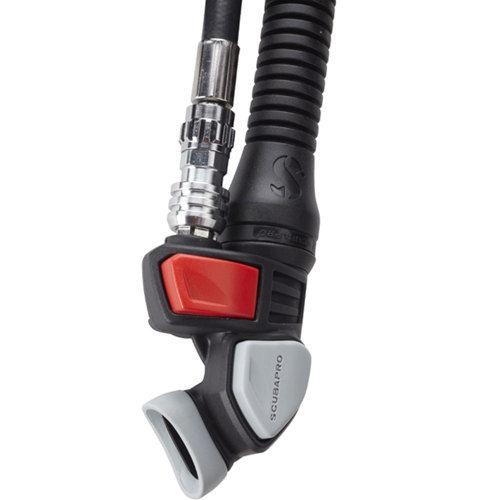
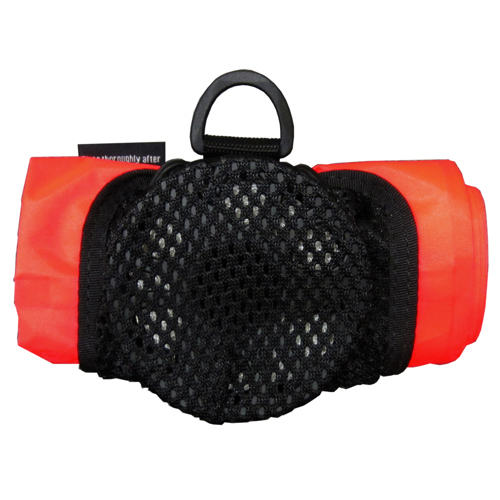
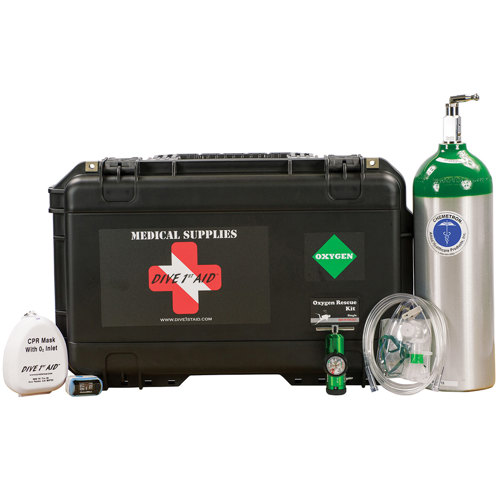
When preparing for any dive, whether it’s a leisurely shore entry on a sun-dappled afternoon or a challenging descent along a deep wreck, the importance of reliable dive emergency systems cannot be overstated. These essential tools and kits are designed to provide critical support during unexpected situations, offering peace of mind for both new and experienced divers. Redundant air systems, such as compact, independent pony bottles, serve as a lifeline if a diver’s primary breathing gas supply becomes compromised. These backup air sources are engineered for quick deployment and ease of use, allowing divers to safely ascend in the event of an out-of-air emergency. For those who venture into deeper waters or explore remote sites, carrying an emergency oxygen kit is equally vital. These kits are tailored to deliver high-flow oxygen, which can be crucial in treating decompression illness or other dive-related injuries until professional medical help arrives. The presence of such systems on dive boats, at popular shore sites, or within a diver’s personal gear collection can make a decisive difference during high-stress moments, ensuring that everyone in the water is prepared for the unexpected.
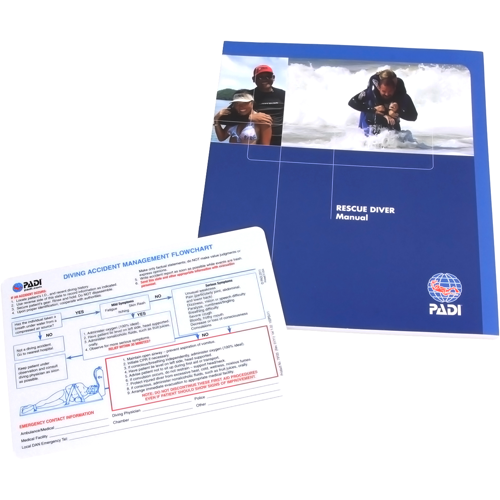
Dive emergency systems are not just for technical divers or instructors—they are invaluable for recreational divers, dive leaders, and even families who enjoy snorkeling adventures together. Gifting a reliable emergency kit or backup air supply to a dedicated diver is a thoughtful way to show you care about their safety, especially as diving activity increases with the arrival of warmer weather and clearer visibility. These systems are also popular gifts for dive buddies, club members, or anyone pursuing advanced certifications. As group trips and dive vacations become more common in late spring and summer, having an emergency plan and the right equipment on hand becomes even more important. Many dive sites, especially those in remote or less-developed areas, may not have immediate access to emergency medical services, making personal preparedness essential. In addition to physical gear, it’s wise to invest time in first aid, CPR, and emergency oxygen administration training. Such skills empower divers to respond confidently and effectively, whether they’re assisting a friend on a local reef or managing a more complex scenario during a liveaboard expedition.
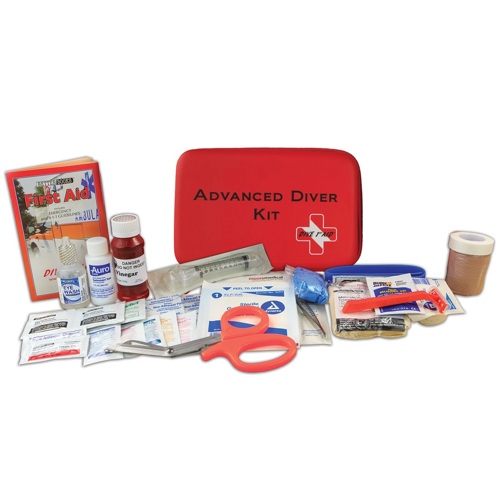
Selecting the right dive emergency systems involves considering the specific environments you’ll be diving in, the experience levels of your group, and the logistical realities of your chosen sites. Look for systems that are robust, easy to transport, and straightforward to operate under pressure. Many divers appreciate modular kits that can be customized to suit different trip lengths or group sizes. For those interested in more advanced setups, including redundant air and gas management solutions, further information can be found on our
Tech Diving Systems page. Ultimately, integrating emergency systems into your regular dive planning is a hallmark of responsible diving. It’s about more than just following best practices—it’s about fostering a culture of preparedness and care, ensuring that every underwater adventure is as safe and enjoyable as possible for everyone involved.