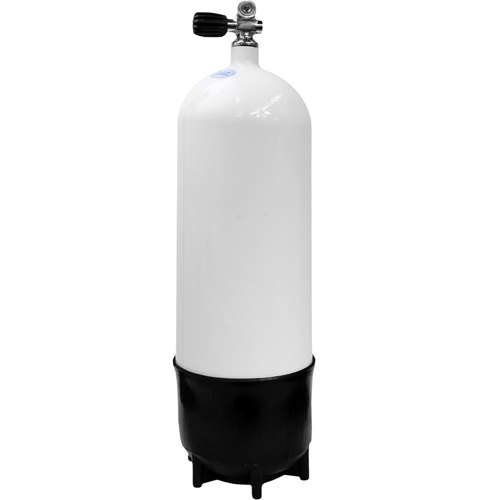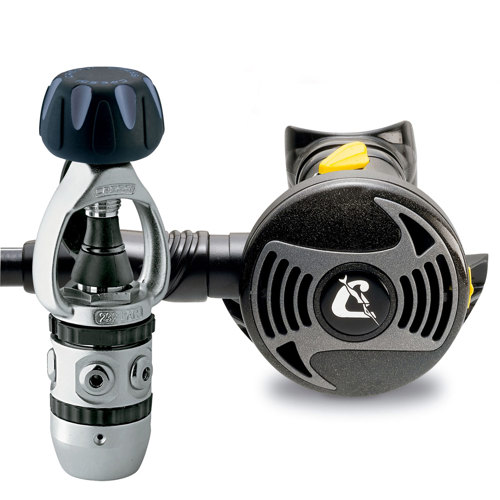
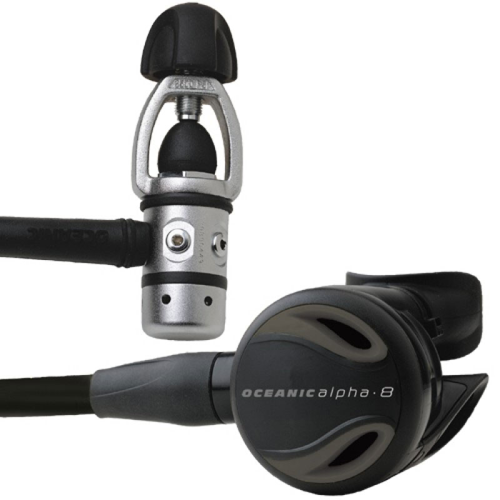
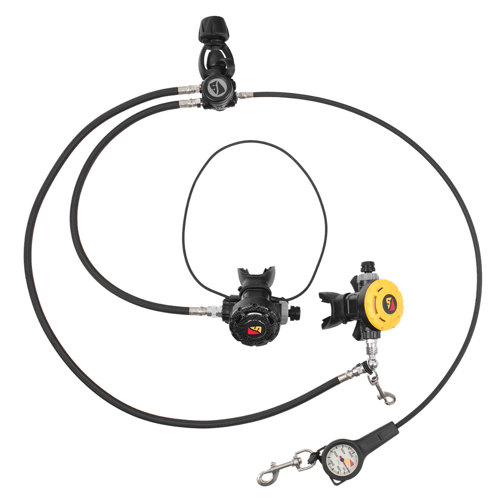
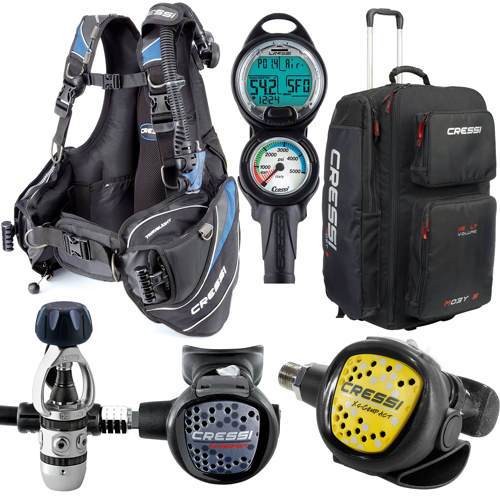
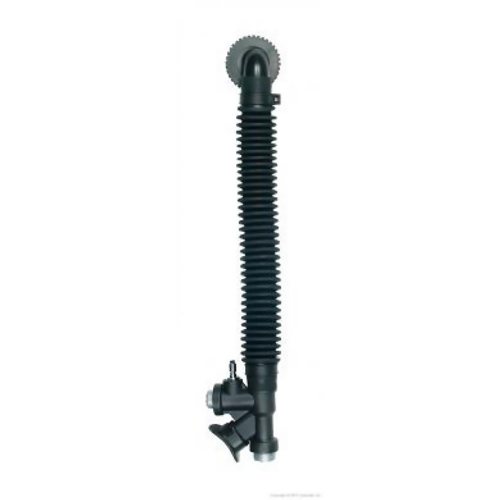
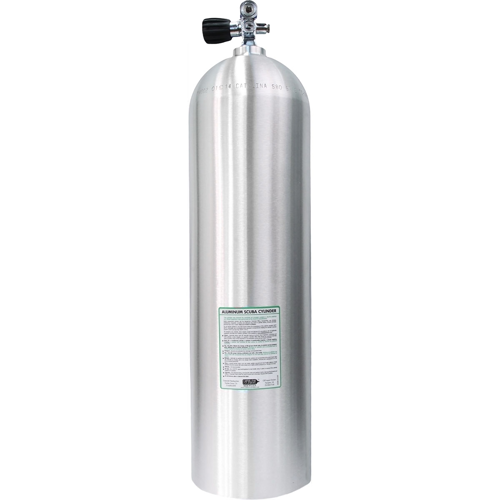
For divers of every skill level, the careful selection and assembly of life-support equipment is the cornerstone of a safe and enjoyable underwater experience. Dive assemblies, which include the integration of a buoyancy compensator (BCD), air cylinder, regulators, hoses, and gauges, form the heart of any diver’s setup. Whether you’re a recreational diver preparing for a winter getaway to warmer waters or an advanced explorer braving the brisk January seas, the reliability and configuration of your dive assembly directly impact your comfort and safety below the surface. The BCD, securely fitted over the tank, acts as both a harness and buoyancy aid, allowing precise control in the water column. A properly matched regulator system—comprising both first and second stages—ensures effortless breathing at depth, while the submersible pressure gauge (SPG) and depth gauge (or integrated dive computer) provide real-time feedback on your air supply and dive profile. Each component, from the low-pressure inflator hose to the alternate air source and high-pressure connections, must be chosen with attention to compatibility, durability, and ease of use, especially in colder months when gloves and thicker exposure protection are necessary.
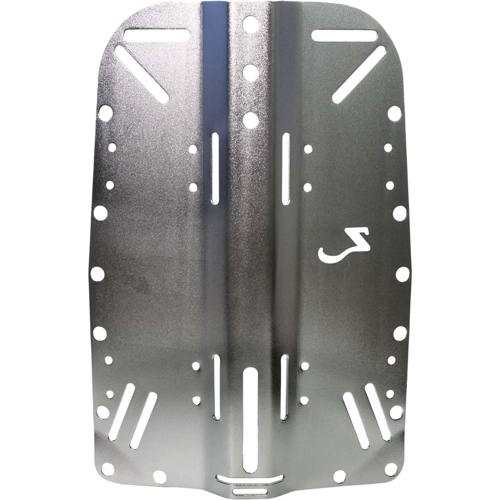
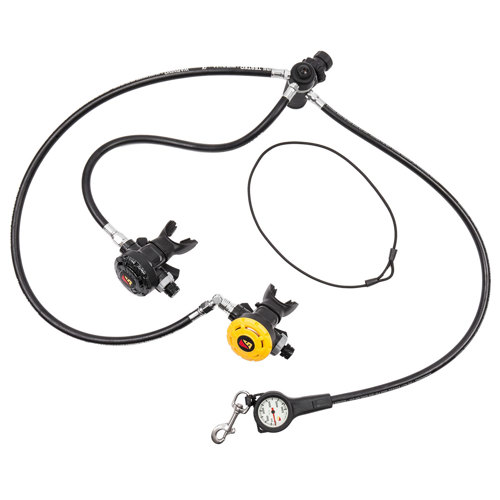
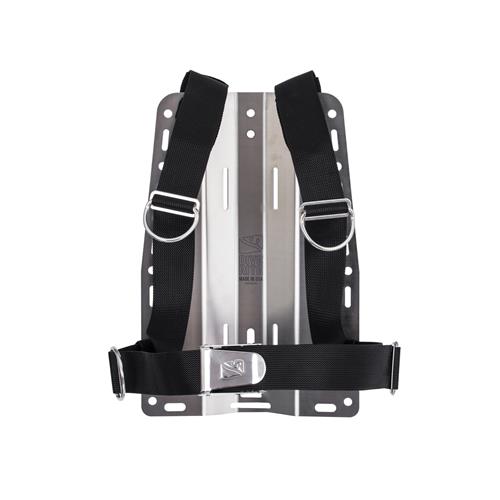
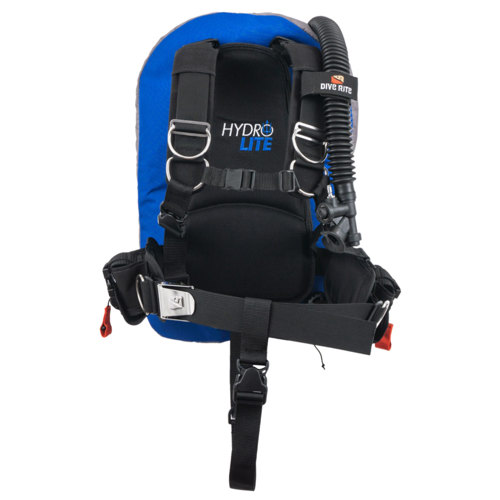
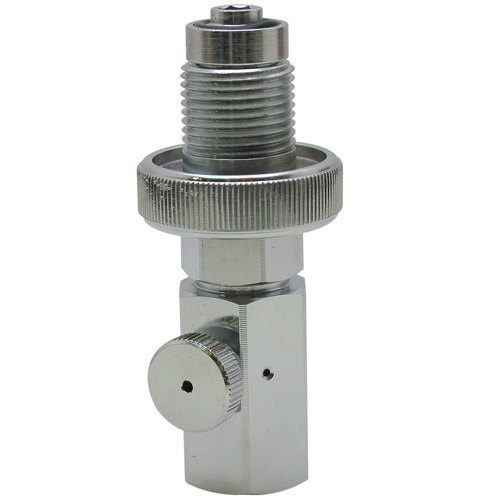
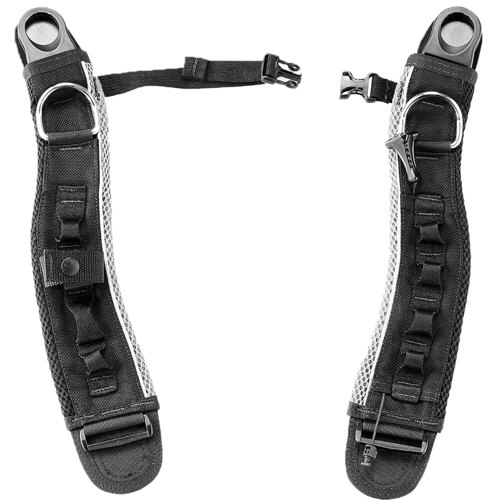
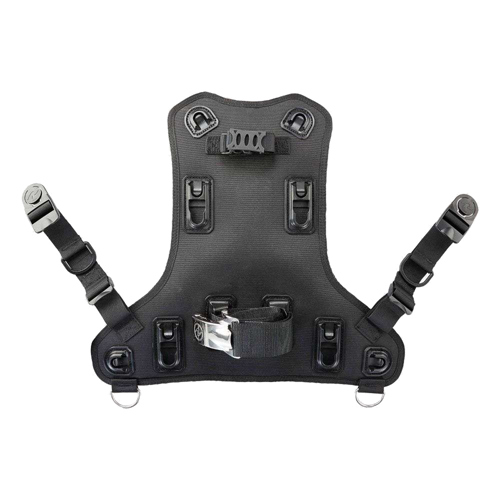
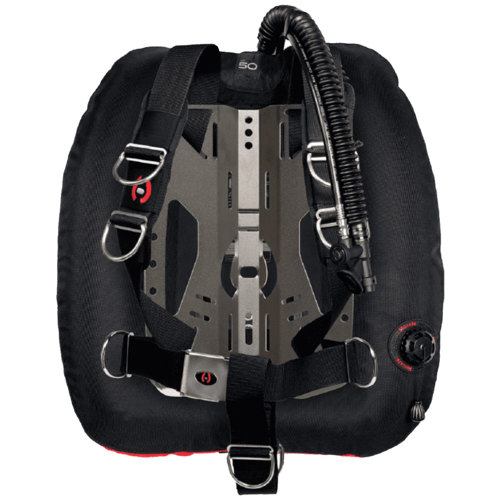
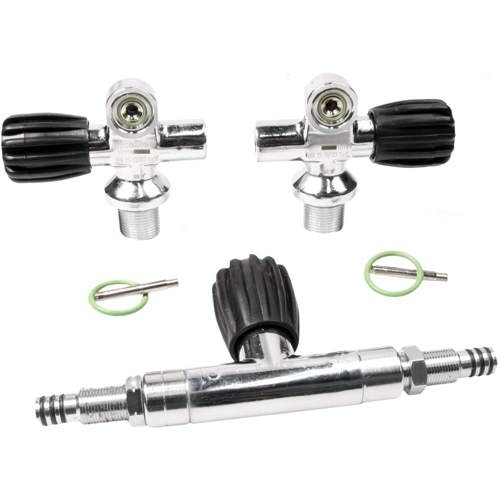
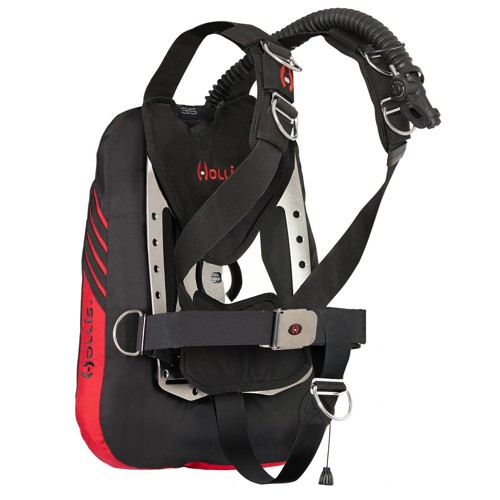
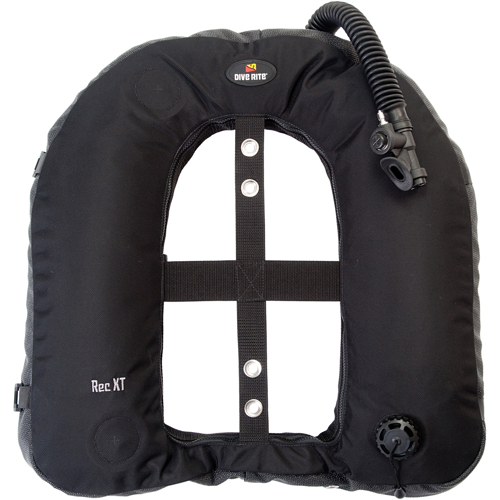
The modularity of dive assemblies also allows for customization, which is particularly valuable for those who dive in varied environments or progress into technical diving. For instance, a backplate and wing system, favored by many advanced and technical divers, offers a streamlined profile and the flexibility to adjust for twin cylinders or sidemount configurations. Custom hose assemblies with specific lengths, fittings, and quick-disconnects can improve hose routing, minimize snag hazards, and enhance comfort, especially for divers who have developed personal preferences through years of experience. Surface support components such as float assemblies, complete with highly visible flags and durable inner tubes, are essential for marking dive sites and ensuring surface safety, particularly in areas with boat traffic or limited visibility. Valve assemblies, including safety features like burst disks, provide critical protection against over-pressurization and are a vital part of regular tank maintenance. When selecting or gifting dive assemblies, consider the recipient’s experience level, the environments they frequent, and their future diving goals. For new divers, a thoughtfully assembled kit can ease the learning curve and inspire confidence, while seasoned divers appreciate upgrades that reflect their evolving needs and ambitions. For those interested in exploring the full range of options and learning more about assembling a reliable and personalized dive system, the
Scuba Assemblies page offers a comprehensive resource to guide your selections.
The process of building or refining a dive assembly is as much about personal fit and comfort as it is about technical compatibility. Seasoned divers often recall the first time they tailored their setup for a specific environment—a cold January quarry dive, for example, where a longer inflator hose and robust burst disk provided extra assurance, or a drift dive in tropical currents where a lightweight BCD and streamlined hose routing made all the difference. These details, learned through experience, become invaluable when advising others or selecting gear for a loved one embarking on their own underwater adventures. Dive assemblies are not only functional; they represent a diver’s commitment to safety, preparedness, and the pursuit of discovery. Whether you are assembling your first kit or upgrading for advanced dives, taking the time to understand each component’s role—and how they work together—ensures every descent is as safe and enjoyable as possible.