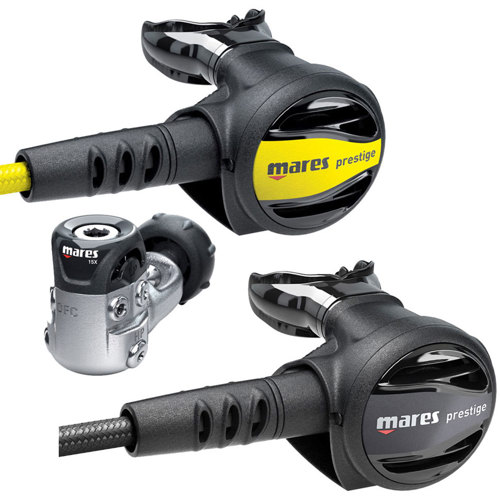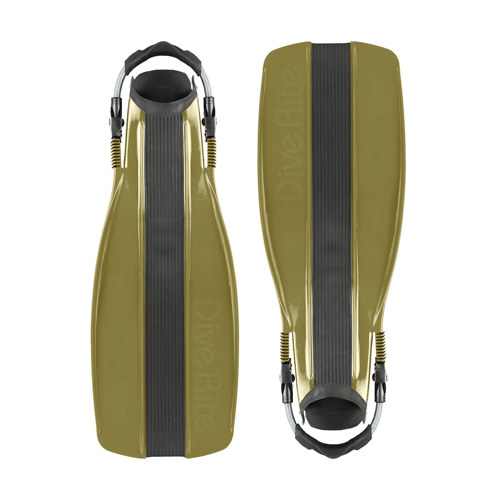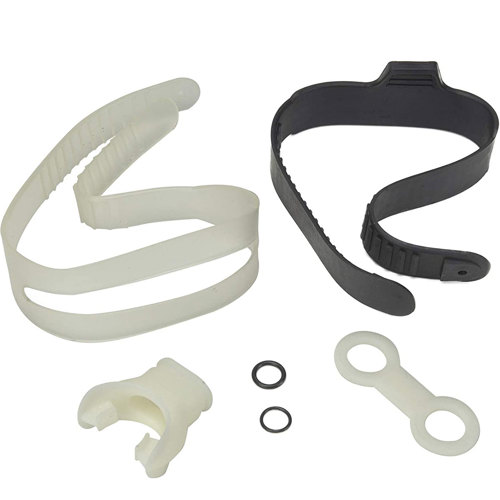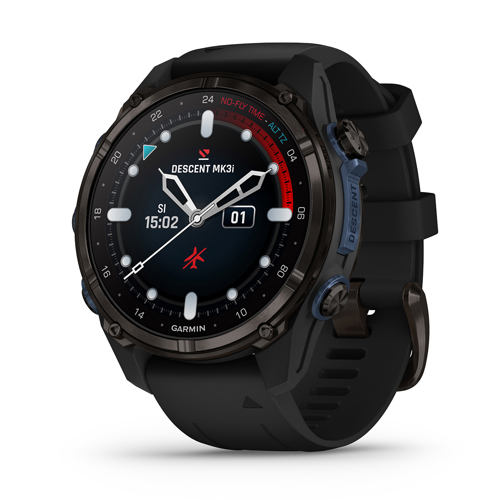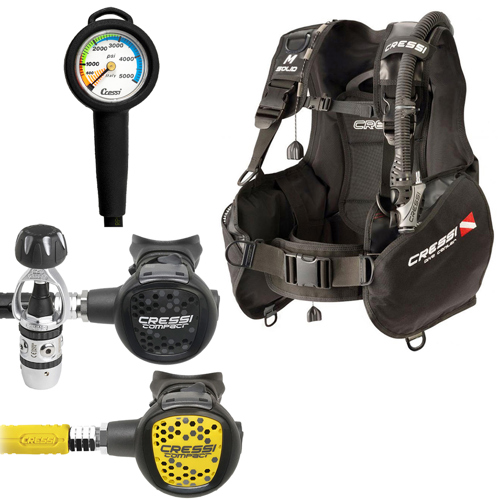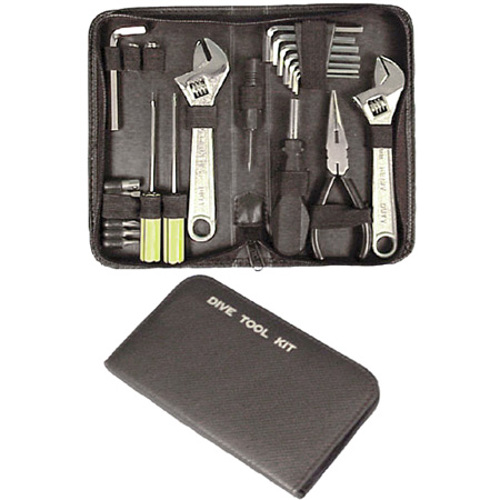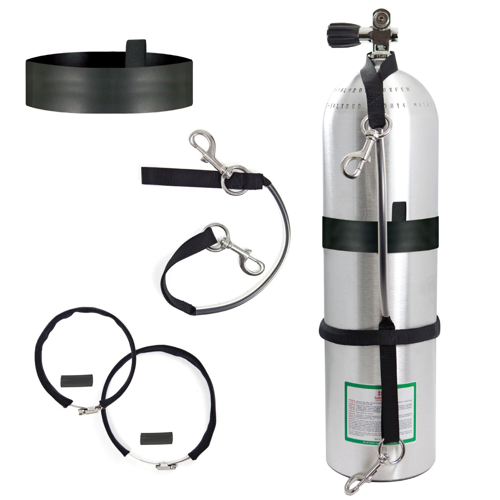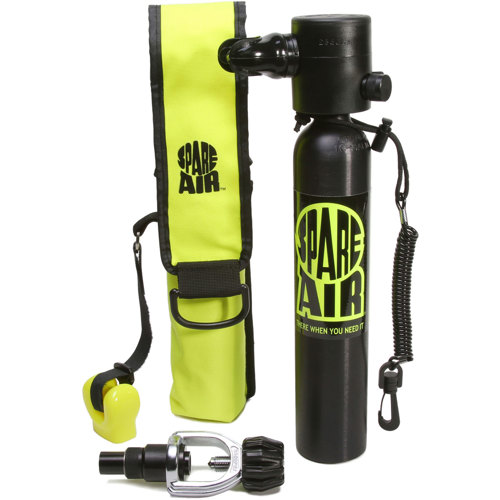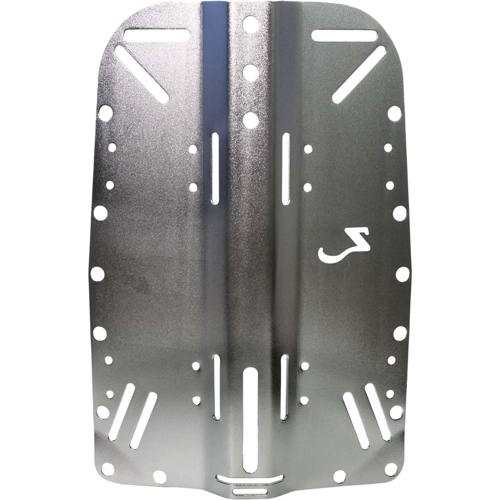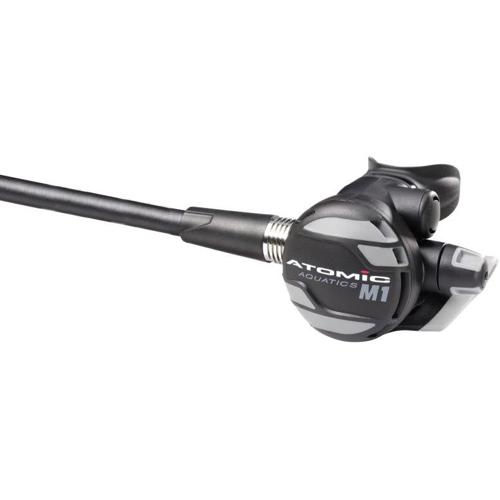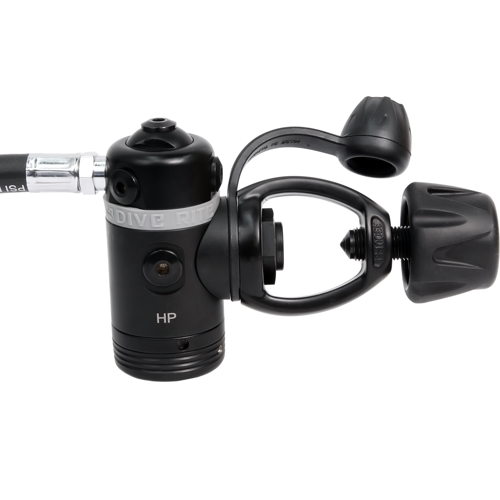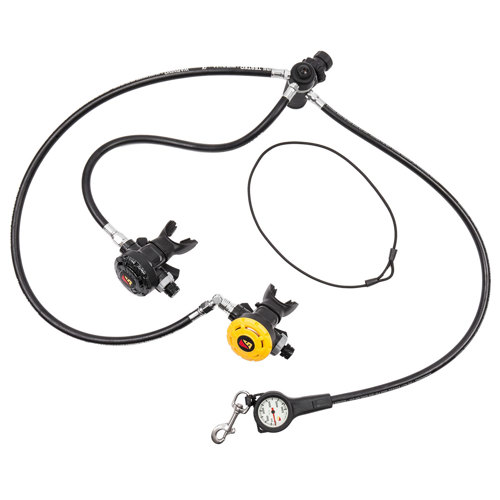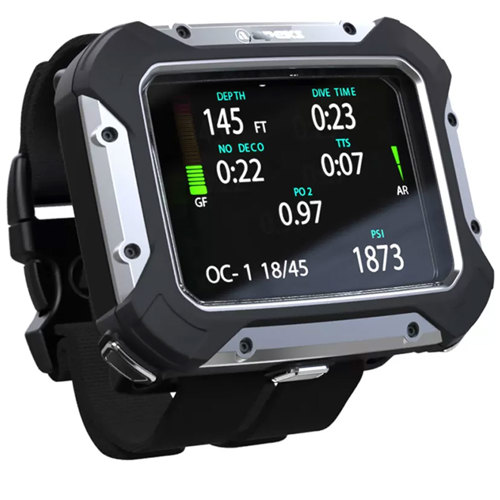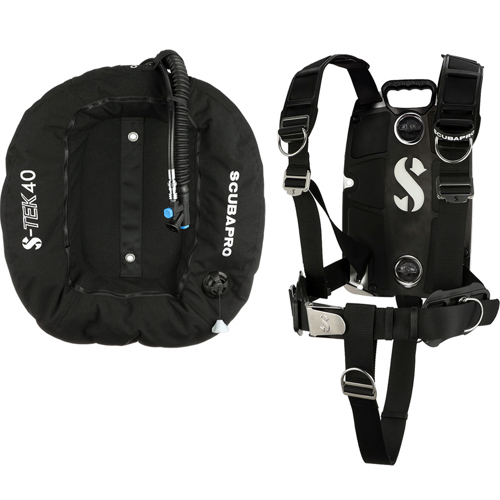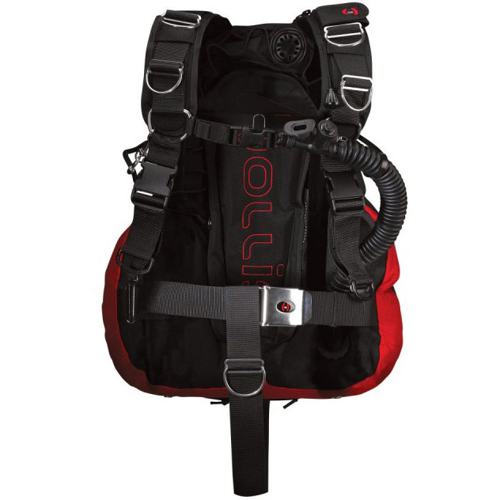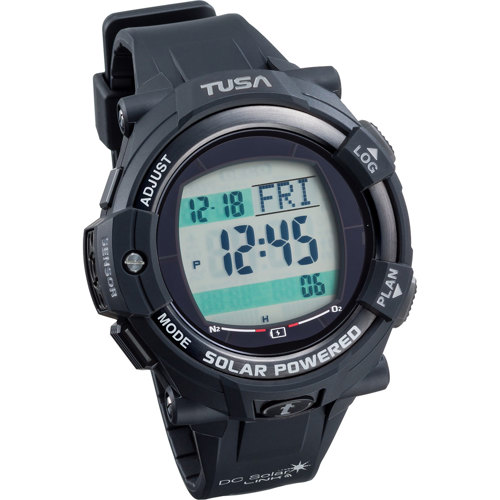
Technical dive kits are designed for divers who are ready to explore beyond the limits of recreational diving, venturing into deeper waters, overhead environments, and more complex dive scenarios that demand advanced skills and specialized equipment. The components of a technical dive kit reflect the unique challenges and increased risks associated with technical diving, offering redundancy, enhanced performance, and adaptability for a range of conditions. Whether you’re preparing for your first decompression dive, exploring a labyrinthine wreck, or planning a winter expedition into cold, dark waters, technical dive kits provide the reliability and versatility required for these demanding adventures. With the colder months of January upon us, many technical divers are drawn to destinations where winter visibility is at its peak, or they’re gearing up for training sessions in local quarries and lakes that offer a quieter, more contemplative atmosphere beneath the surface. The gear choices you make—such as opting for a backplate and wing system, multiple cylinders, or advanced dive computers—can make all the difference in comfort, safety, and overall experience during these challenging dives.
Selecting the right technical dive kit is a process that goes far beyond simply upgrading from recreational gear. It’s about building a system that matches your dive objectives, training level, and the specific environments you plan to explore. For divers who are just starting their journey into technical diving, modularity and adaptability are key; you might begin with a basic setup and gradually add components like stage regulators, redundant buoyancy systems, or specialized harnesses as your skills and ambitions grow. Experienced technical divers often have strong preferences based on years of trial and error—perhaps favoring a particular configuration for cave diving, or selecting gear that’s proven itself on deep trimix dives in frigid waters. It’s not uncommon to see technical kits gifted to divers who are celebrating a milestone, such as completing a technical certification or preparing for a bucket-list expedition. The thoughtfulness of such a gift is appreciated not only for its practicality, but also for the recognition of the diver’s commitment to safety, precision, and exploration. Each piece of equipment in a technical kit is chosen with care, from the ruggedness of the harness to the reliability of backup lights and the intuitive layout of gauges and computers, all working together to support focus and confidence when every detail matters.
Technical dive kits aren’t just about having more gear—they’re about having the right gear, configured in a way that complements your training and dive goals. Every diver’s journey is unique, and the process of assembling a technical kit often involves collaboration and advice from instructors, mentors, and dive buddies who have faced similar challenges. For those who are still refining their skills or who enjoy both technical and recreational diving, it’s worth exploring the differences between technical and
Recreational Dive Kits, as each serves a distinct purpose and caters to different styles of underwater exploration. As you plan your next dive—whether it’s a crisp winter morning with steam rising off the water or a meticulously mapped cave system deep below the earth—knowing that your kit has been assembled with attention to detail and a deep respect for the underwater environment brings peace of mind and a sense of readiness for whatever lies ahead.