Every diver, from the seasoned technical explorer to the newly certified open water enthusiast, understands the importance of reliable cutting tools as a core part of their gear setup. As the water warms up in May and the diving season kicks into high gear, it’s a good time to review the essentials of divers cutting tools—items that are as much about safety as they are about convenience. Whether you’re threading through kelp forests, exploring shipwrecks, or simply enjoying a leisurely reef dive, the right cutting tool can make all the difference in a moment of need. These tools are not just for emergencies; they’re invaluable for freeing yourself or a buddy from unexpected entanglements, trimming loose lines, or making quick work of fishing nets and monofilament that threaten marine life and divers alike. Many divers recall the first time they encountered an errant fishing line or a stubborn piece of rope underwater—a well-placed and accessible line cutter or blunt-tip knife can transform a potentially stressful situation into a minor inconvenience. For those who enjoy sharing their passion for the ocean with others, a high-quality cutting tool also makes a thoughtful and practical gift, especially for new divers building their first kit or for experienced dive buddies who appreciate the security of backup gear.
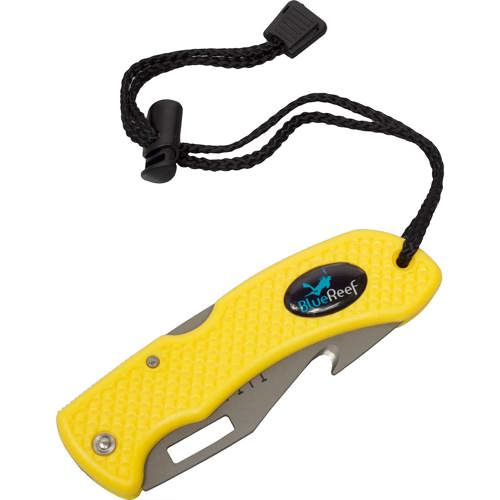
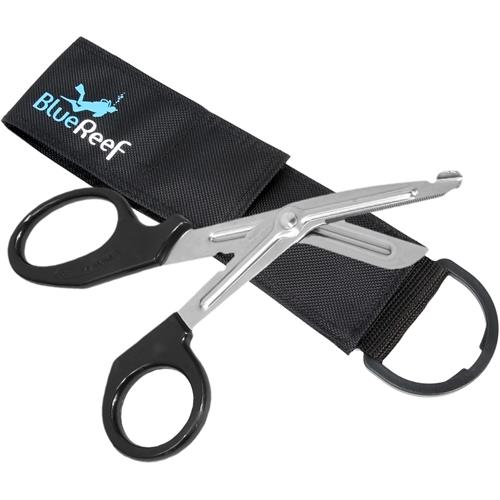
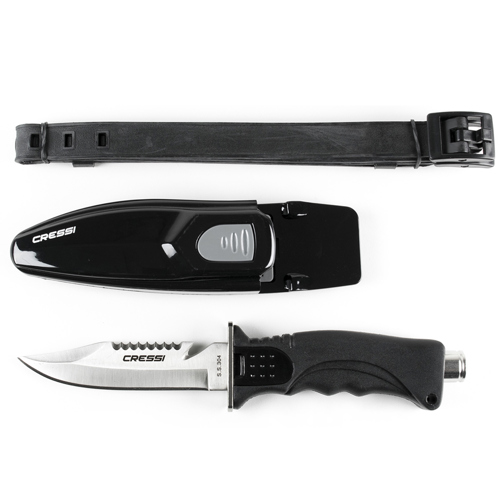
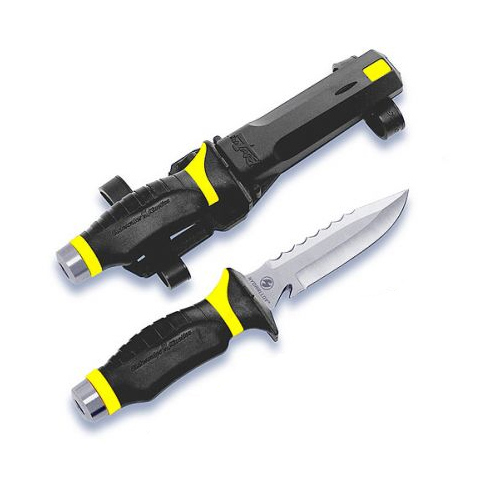
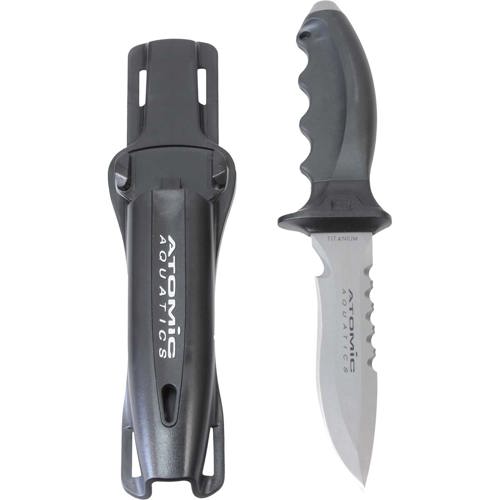
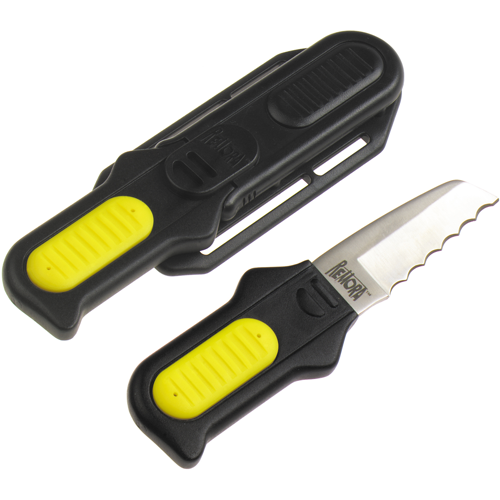
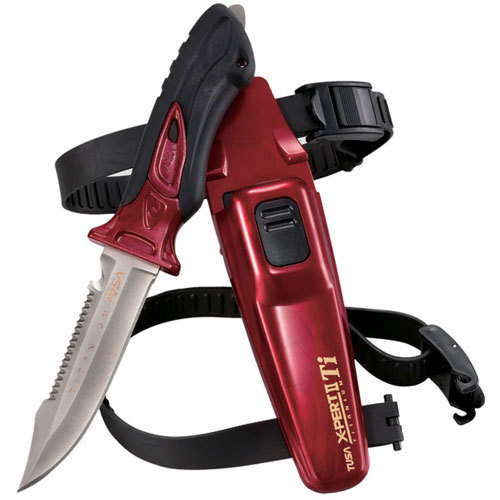
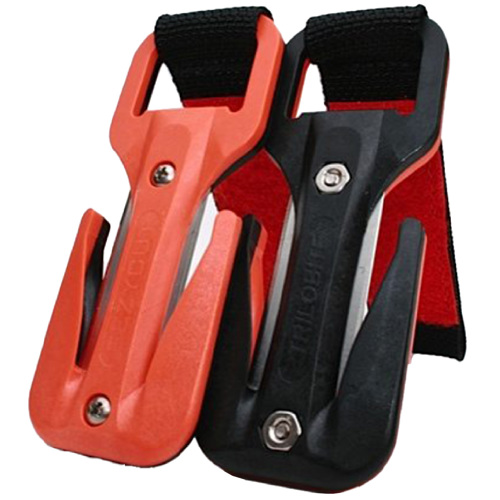
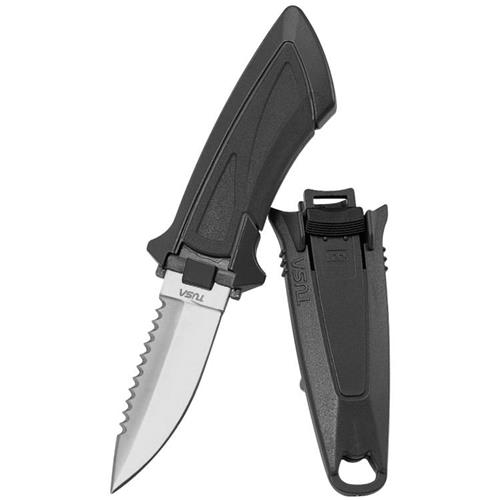
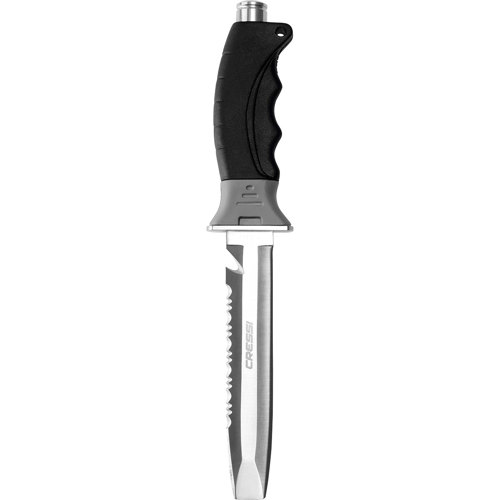
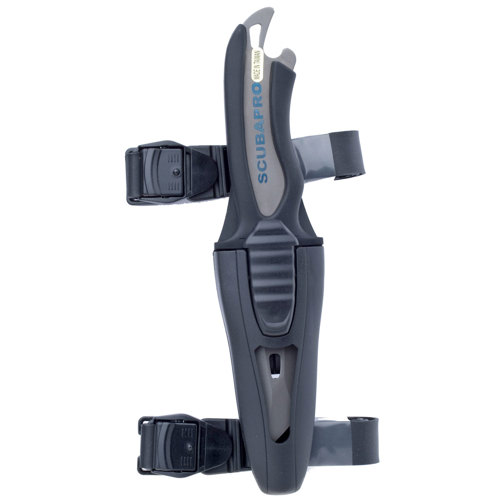
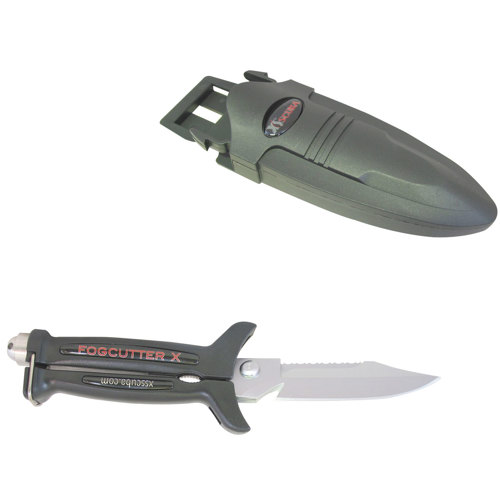
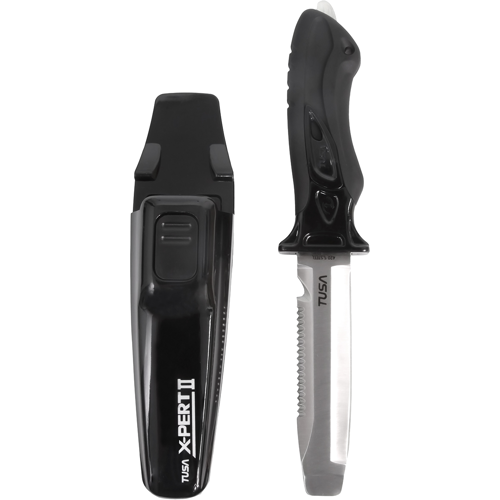
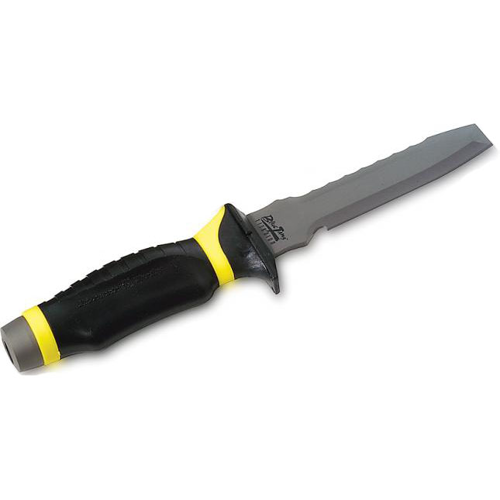
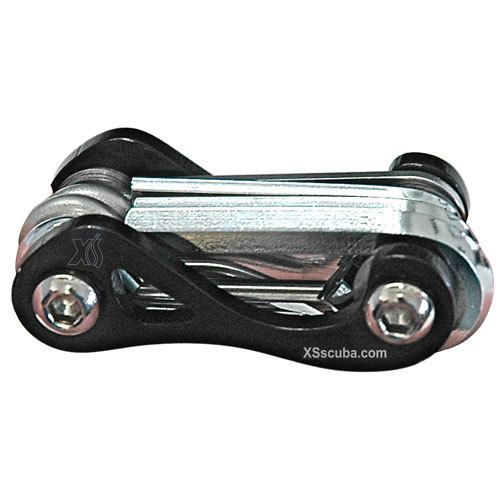
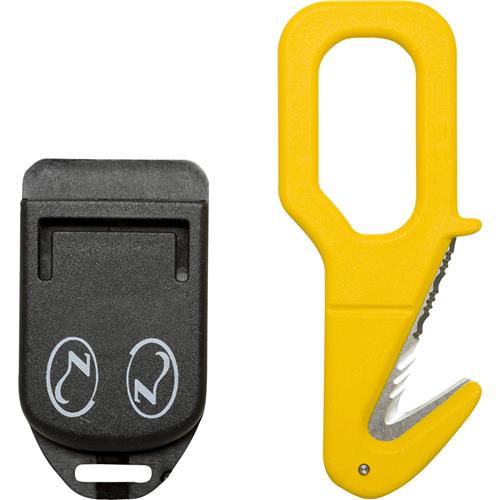
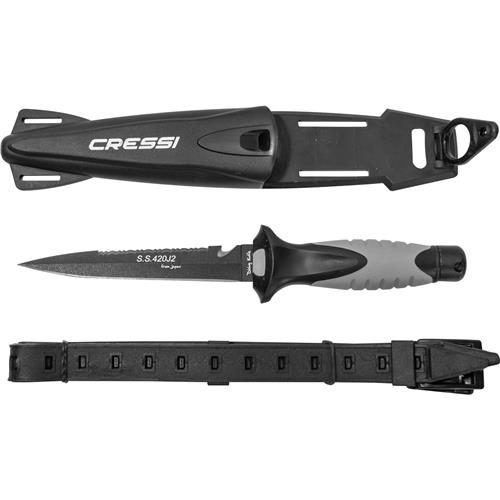
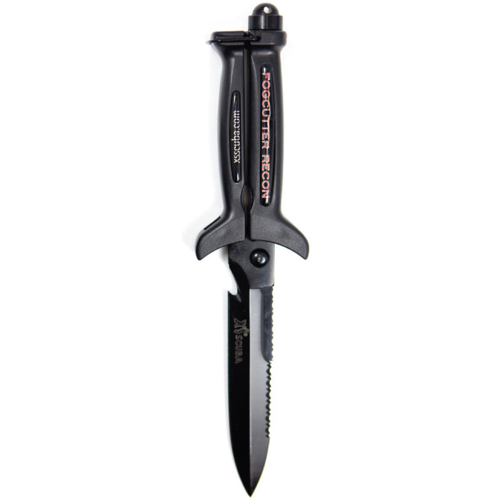
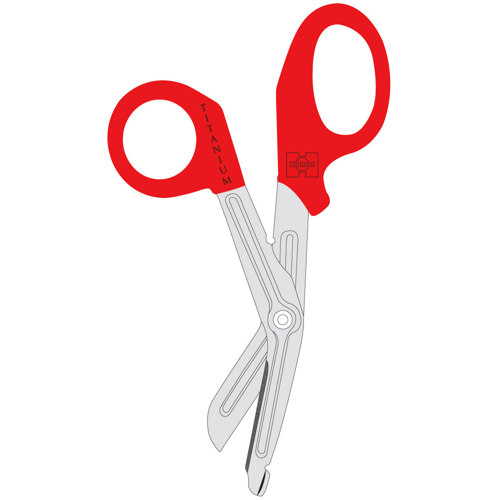
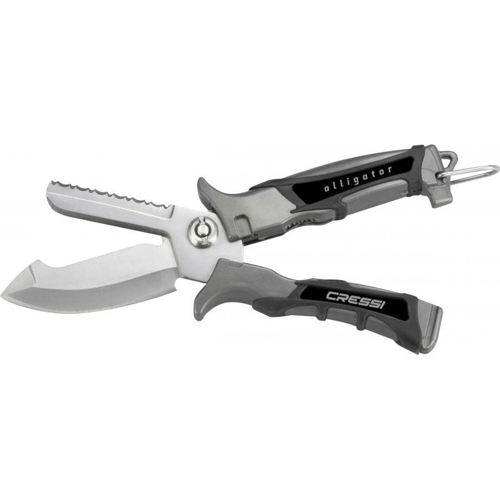
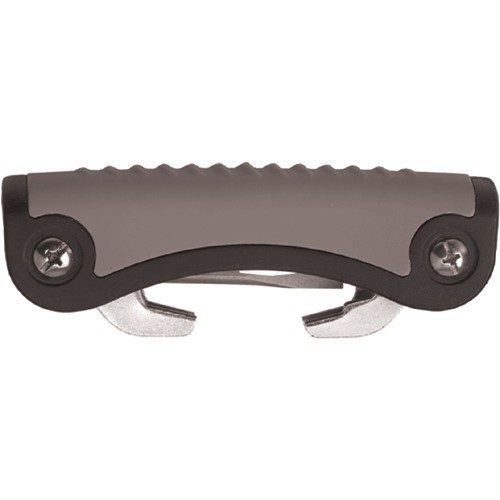
When choosing a cutting tool for diving, it’s important to consider both the environment you’ll be diving in and your own comfort and skill level. Dive knives come in a variety of materials and designs, each suited for different scenarios. Titanium knives are prized for their strength and exceptional resistance to corrosion, making them ideal for saltwater use and for divers who may not always remember to rinse their gear immediately after a dive. Stainless steel blades, while slightly more maintenance-intensive, offer excellent sharpness and are often favored for their balance and feel. Blunt-tip knives are a popular choice for those who prioritize safety, especially when working around inflatable gear or in close proximity to other divers, as they reduce the risk of accidental punctures. Serrated edges are effective for sawing through rope and thick lines, while straight edges provide clean, precise cuts. Compact line cutters, often equipped with replaceable razor blades, are designed specifically for dealing with fishing line and monofilament—common hazards in both recreational and technical diving environments. Trauma shears, or dive shears, offer another layer of versatility, allowing divers to cut through webbing, netting, and even thicker materials without the risk of slipping or damaging delicate equipment. Accessibility is key: many divers mount their tools on their BCD pockets, hoses, or shoulder straps, ensuring they can be reached easily with either hand in an emergency. Regular maintenance, such as rinsing with fresh water after every dive, is crucial—especially for stainless steel tools—to prevent corrosion and extend the life of your investment. It’s also wise to check local regulations before heading out, as certain marine protected areas may restrict the use of knives or other cutting implements.
Divers cutting tools are not just for those venturing into challenging or remote environments—they are a staple of responsible diving, suitable for anyone who values preparedness and safety. In addition to their obvious utility underwater, these tools can appeal to a wide range of enthusiasts, including underwater photographers, marine biologists, and even culinary-minded divers seeking specialized scuba diving equipment for chefs who might need to process their catch or sample marine edibles responsibly. The gifting potential is significant: a robust and thoughtfully chosen cutting tool is a gesture that communicates care and respect for a diver’s safety and enjoyment. As you explore the variety of options available, keep in mind the balance between portability, durability, and ease of use. For a comprehensive look at the different types of cutting tools and their applications, visit our dedicated page on
Underwater Cutting Tools. Here, you’ll find detailed information to help you make an informed decision, ensuring that you or the diver in your life is equipped for both everyday tasks and unexpected challenges beneath the waves.