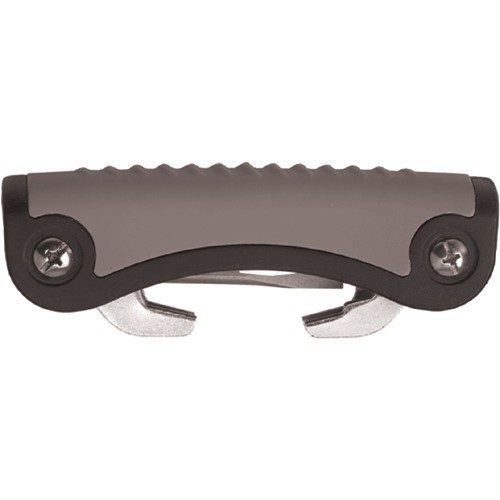
When it comes to maintaining and fine-tuning your scuba gear, a reliable set of diving wrenches is an indispensable part of any diver’s arsenal. Whether you’re a seasoned dive professional, a dedicated hobbyist, or just starting to assemble your first scuba diving tool kit, the right wrench can make all the difference when it comes to safety, performance, and convenience underwater and at the surface. Unlike standard automotive or household tools, diving wrenches—sometimes called scuba wrenches, tide wrenches, or island wrenches—are purpose-built for the unique demands of the marine environment. They are crafted from corrosion-resistant stainless steel or other durable alloys, with ultra-slim profiles that slip easily into the tight spaces between regulator hoses, tank valves, and delicate fittings. As the diving season kicks into high gear in May, many divers find themselves performing pre-dive checks and last-minute tweaks in the parking lot or on the back deck of a dive boat, and having the right wrench on hand can mean the difference between a successful day in the water and a dive cut short by a leaking O-ring or loose fitting.
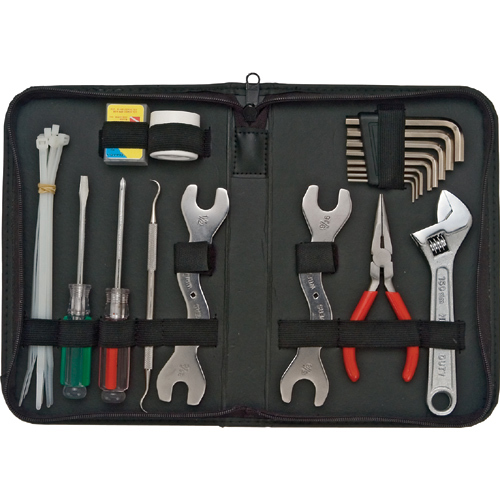
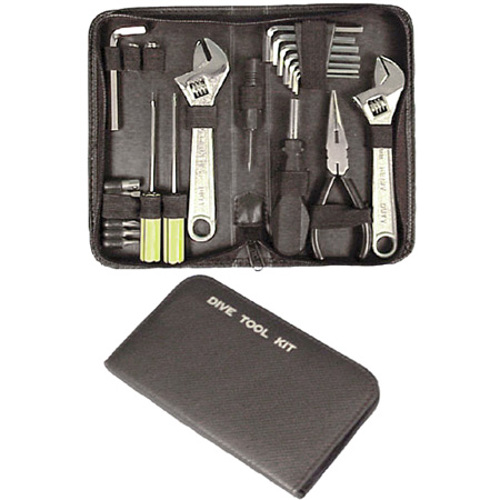
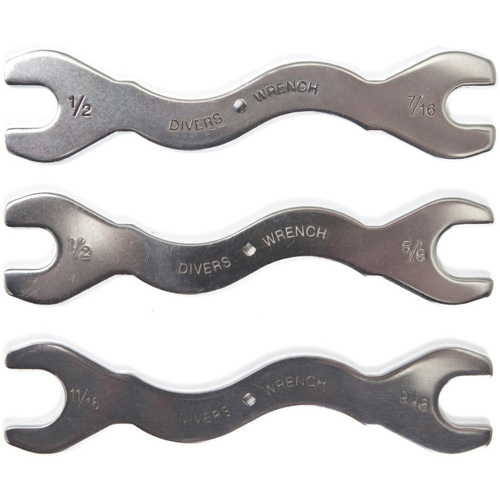
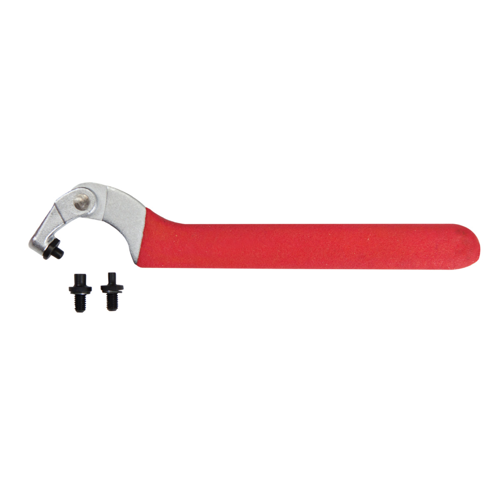
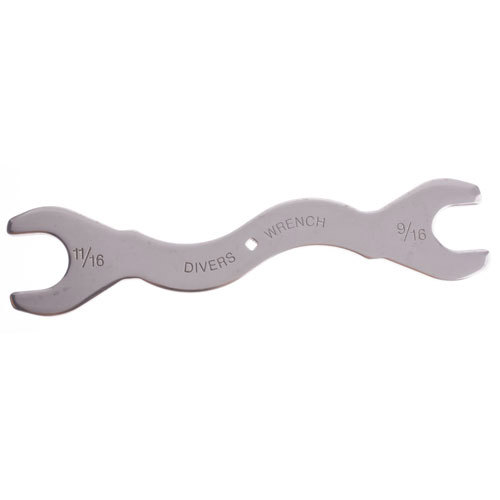
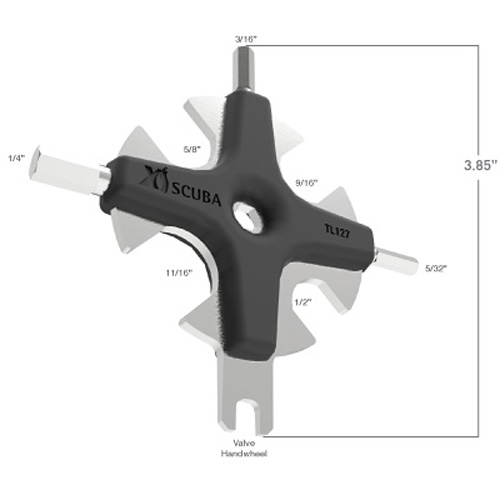
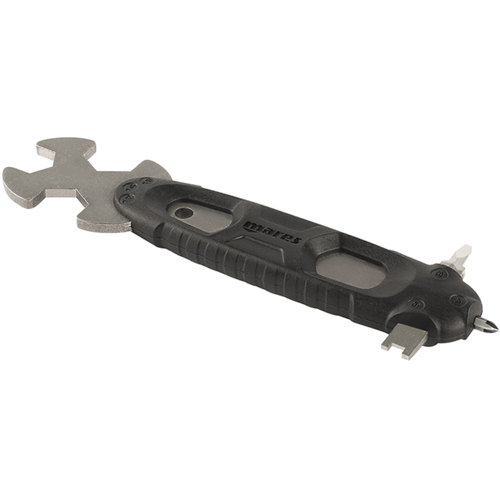
Diving wrenches come in a variety of shapes and sizes, each designed for a specific task. Slim, double-ended wrenches—sometimes called regulator or hose wrenches—are essential for dealing with the most common low and high-pressure hose connections, typically in sizes like 1/2", 9/16", 5/8", and 11/16". Adjustable spanner wrenches are indispensable for more specialized maintenance, such as removing first-stage end-caps or high-pressure seat retainers, and their interchangeable pins allow them to fit a wide range of components. Crowfoot wrenches, designed to be used with a torque wrench, are a must-have for anyone installing or servicing tank valves, ensuring a secure fit without over-tightening delicate brass or bronze threads. Many experienced divers and instructors, including those who share their expertise online under names like Scuba Steph, recommend keeping a compact selection of these tools in a “save-a-dive” kit, so you’re always prepared for field repairs or unexpected equipment issues. These tools also make thoughtful gifts for dive buddies, instructors, or anyone starting their professional training, as they symbolize both self-sufficiency and a commitment to safe, well-maintained gear.
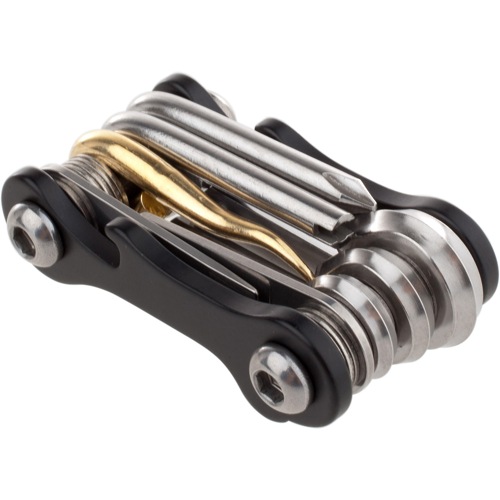
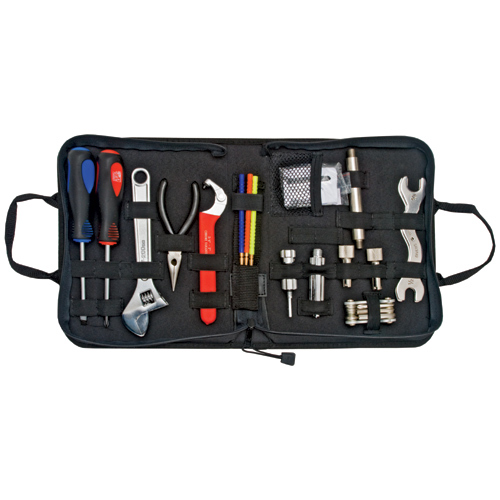
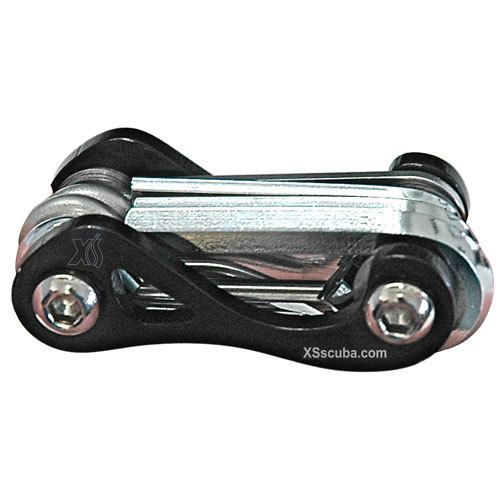
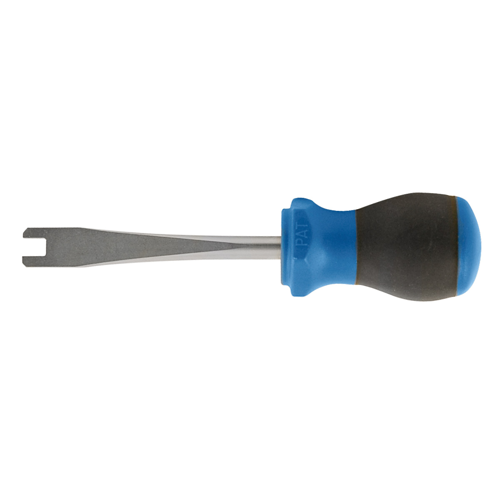
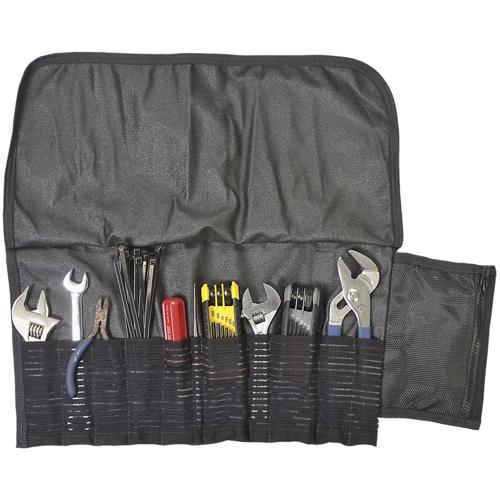
No matter how carefully you select your tools, proper care is crucial to ensure they stand up to the harsh conditions of saltwater diving. Even the best stainless steel wrenches can develop corrosion if they’re not rinsed thoroughly in fresh water and dried before storage, especially after repeated exposure to salt spray or humid tropical air. It’s also important to remember that diving wrenches are designed for low-torque applications—using them on stubborn bolts or non-diving equipment can damage both the tool and your gear. When fitting or loosening a regulator hose or tank valve, it’s best to work slowly and check that the wrench fits snugly to avoid marring the finish or stripping the nut. Some divers find that certain slim wrench sets require a bit of fine-tuning to fit older or proprietary fittings, but a little patience and careful filing can usually resolve any issues. For those looking to build a complete field repair kit, pairing your wrenches with a selection of O-rings, screwdrivers, and compact multi-tools from our
Small Diving Tools page can help ensure you’re ready for anything, whether you’re prepping for a summer expedition or just enjoying a spontaneous shore dive. With the right wrenches in your kit, you can dive into the season with confidence, knowing you’re prepared for both routine maintenance and unexpected challenges.