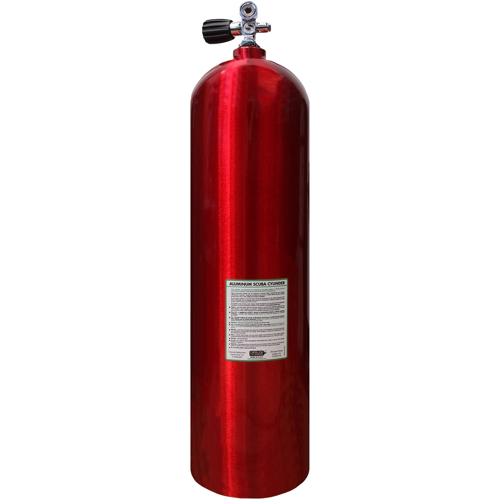
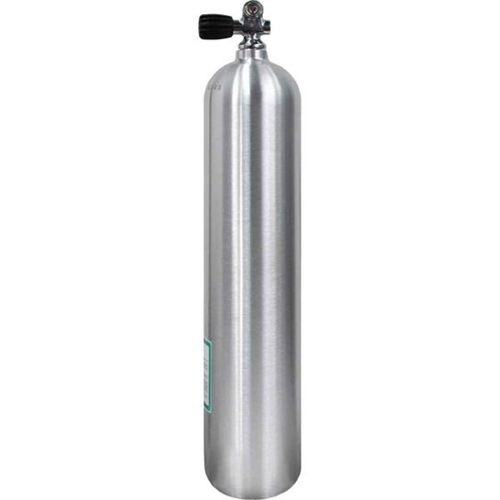
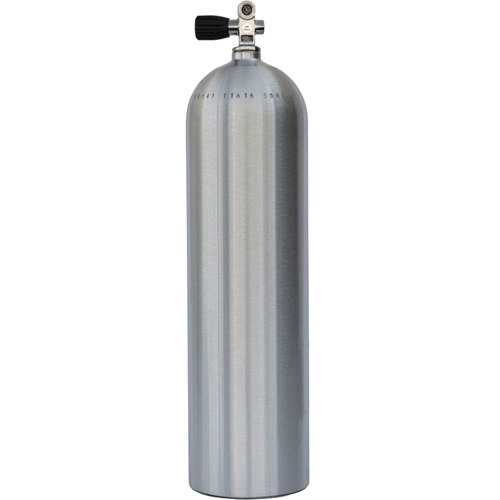
Aluminum diving tools have become a staple in the kits of both recreational and professional divers, offering a blend of strength, reliability, and lightweight convenience that is hard to match. Whether you’re planning a winter dive trip to warmer waters or preparing for cool-season local excursions, these tools are designed to withstand the rigors of underwater exploration while minimizing the burden on your gear load. The most recognizable aluminum tool is the scuba tank, especially the standard 80 cubic foot size, favored for its balance between capacity and manageable weight. Divers often recall their first certification dives with an aluminum tank, appreciating how its lighter build eased them into the sport. Aluminum tanks are also less expensive than their steel counterparts, making them an attractive option for new divers or those looking to add a backup cylinder to their collection. One thing to keep in mind is the buoyancy characteristics of aluminum—unlike steel, aluminum tanks become more buoyant as they empty, which may require you to adjust your weight system for neutral buoyancy throughout your dive. Still, their resistance to rust and relatively straightforward maintenance—just a thorough rinse after each dive to prevent oxidation—make them a practical long-term investment.
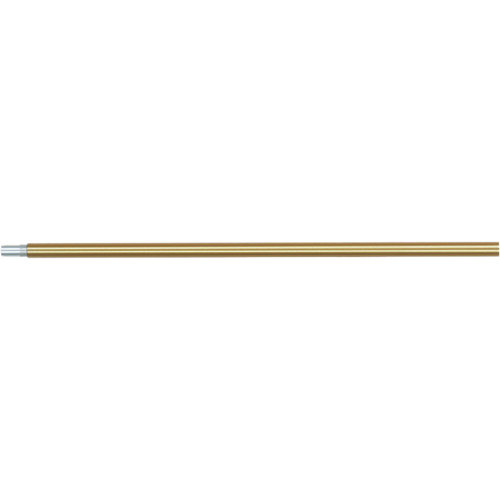
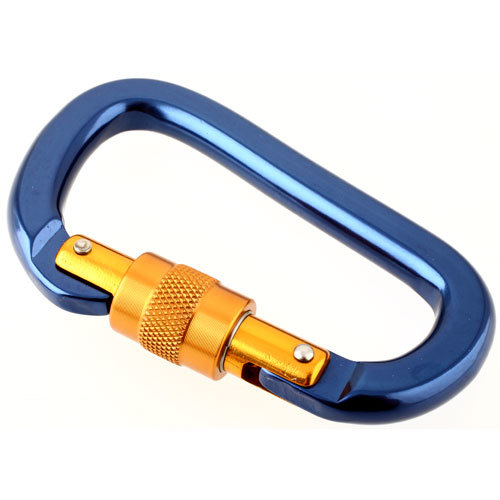
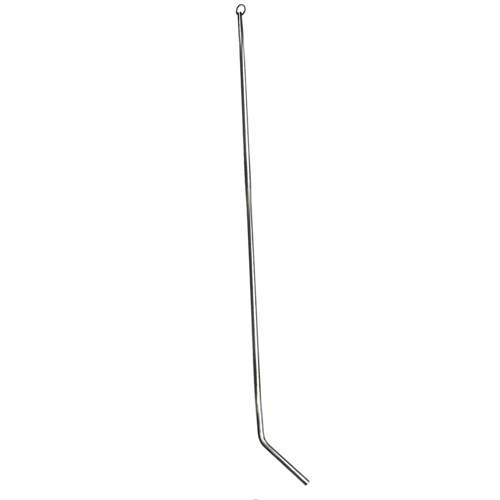
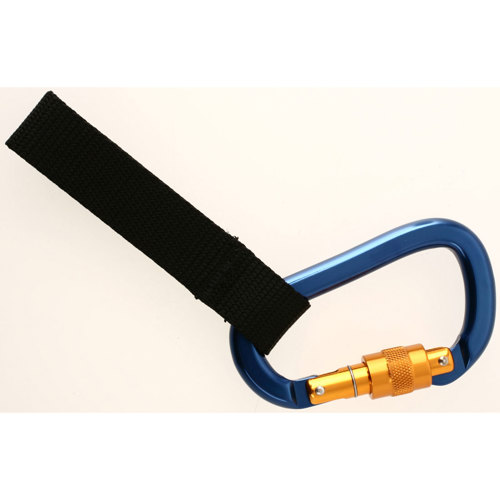
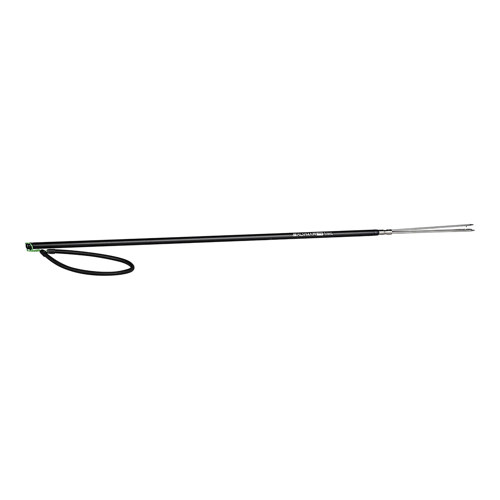
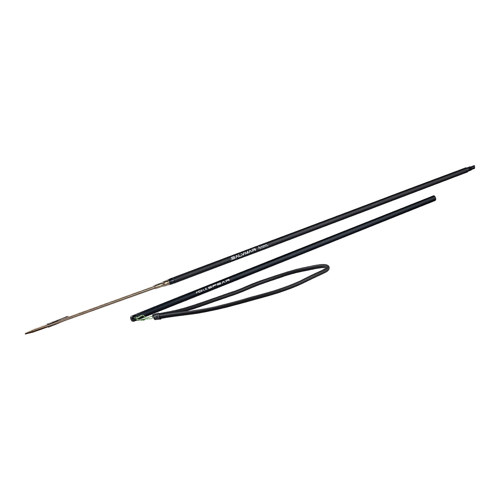
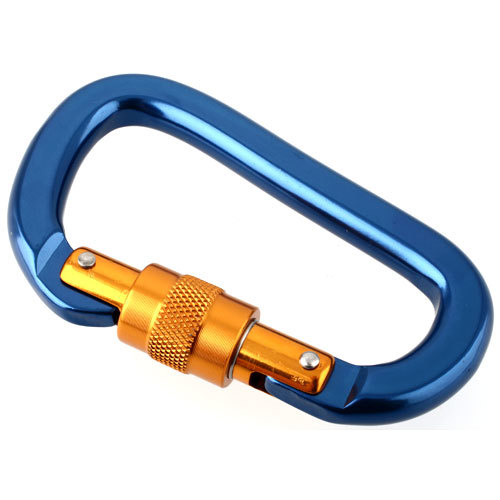
Beyond tanks, aluminum is a preferred material for a range of essential diving accessories. Carabiners made from marine-grade aluminum are indispensable for securely attaching gear such as lights, slates, and cameras to your BCD. Their lightweight construction means you can carry multiple tools without feeling weighed down, and the anodized finish resists corrosion even after repeated exposure to saltwater. Probe sticks, sometimes called tank bangers or pointers, are another versatile aluminum tool, popular among divers who want to draw attention underwater or interact with the environment without using their hands. These sticks are often clipped to a D-ring or lanyard for quick access and can be used to gently alert a dive buddy, point out marine life, or safely probe crevices on a wreck or reef. For instructors, guides, and underwater photographers, such tools are invaluable for communication and navigation. Aluminum’s durability also means these tools can handle years of use, making them a thoughtful gift for the diver in your life—especially during the holiday season, when many are gearing up for winter getaways or planning next year’s adventures. For those interested in exploring more specialized equipment, including compressors and surface-supplied air solutions, our curated collection of
Diving Air Tools offers an in-depth look at additional options that complement your aluminum gear setup.
When considering aluminum diving tools, it’s important to think about how and where you’ll use them. Aluminum’s softer nature compared to steel means these tools are often built with thicker walls or reinforced designs to ensure safety and longevity, particularly in high-pressure environments. While they don’t rust, aluminum items can be susceptible to galvanic corrosion if stored in contact with other metals, so it’s wise to rinse and dry your gear thoroughly and keep it separated from dissimilar materials. Many divers appreciate the peace of mind that comes from knowing their equipment is both lightweight and robust—qualities that are especially valuable when traveling or diving in remote locations where reliability is paramount. Whether you’re assembling your first set of gear, upgrading for improved performance, or searching for a practical gift, aluminum diving tools offer a blend of functionality and convenience that meets the needs of divers at every skill level. From securing equipment to enhancing underwater communication and safety, these tools are an essential part of any well-prepared diver’s arsenal, ready to support your next adventure beneath the surface.