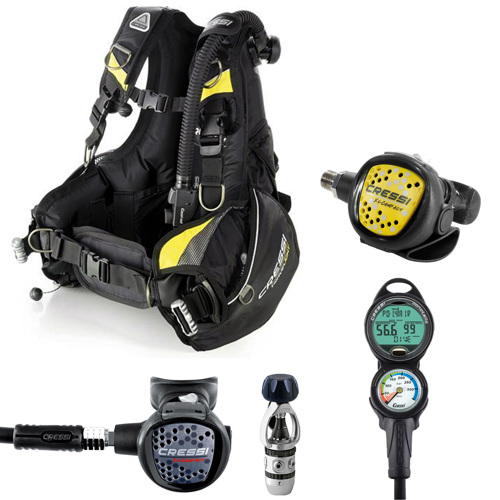
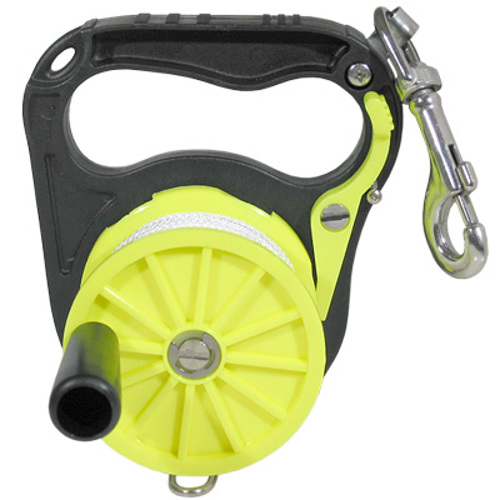
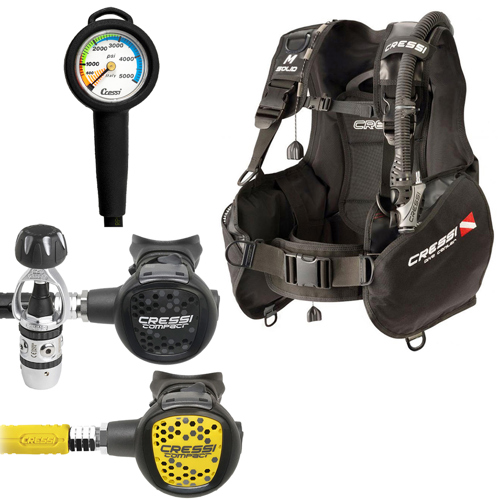
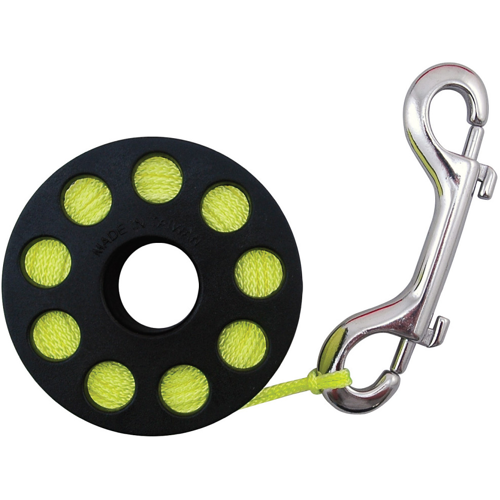
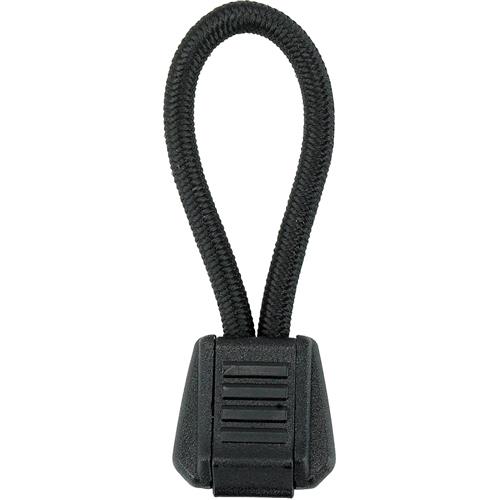
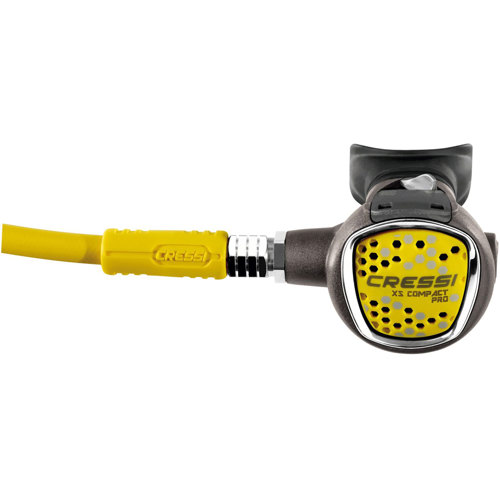
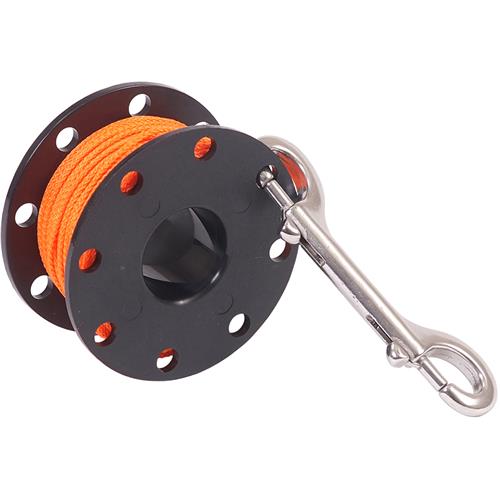
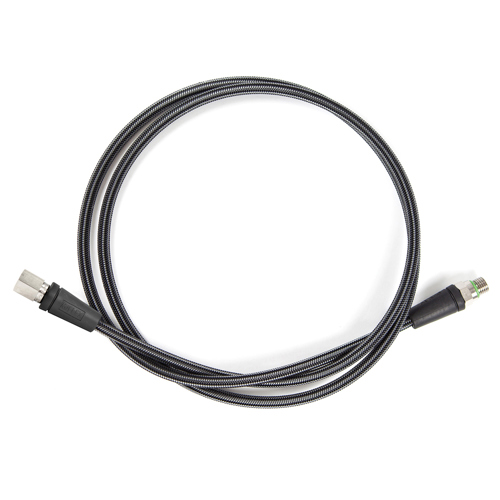
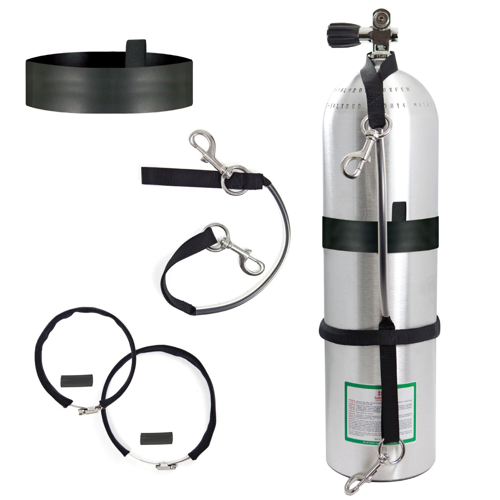
Cave diving presents a unique set of challenges and rewards, demanding equipment that is as specialized as the environment itself. Unlike open water diving, cave environments are overhead spaces where a direct ascent to the surface is impossible, making redundancy, reliability, and careful planning non-negotiable. The best gear for cave diving is designed with these priorities in mind, supporting divers as they navigate labyrinthine passages, pitch-black chambers, and sometimes strong currents or silty floors. Essential cave diving equipment includes dual tank systems—whether back-mounted with an isolator manifold or sidemount configurations—to ensure ample gas supply and redundancy. Regulators are paired in completely independent sets, with a primary regulator on a long hose for emergency sharing in narrow areas and a backup on a bungee necklace for quick access. Stage and decompression cylinders are often added for extended bottom time or accelerated decompression, especially on longer or deeper penetrations. Divers also rely on a robust primary reel to lay a continuous guideline from the cave entrance, with safety spools and jump reels as backups or for navigating complex cave networks. Line markers, such as directional arrows and non-directional cookies, are crucial for marking intersections, exits, and individual diver routes, providing vital orientation in the darkness.
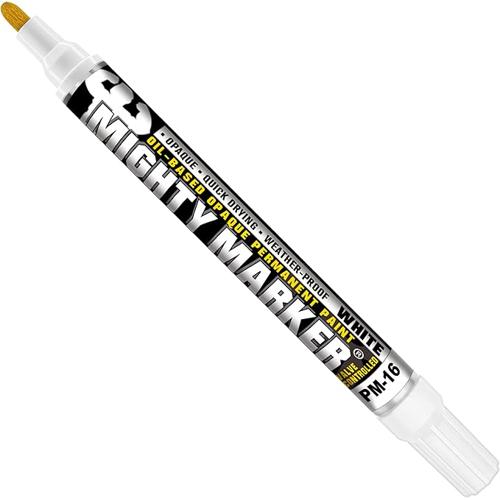
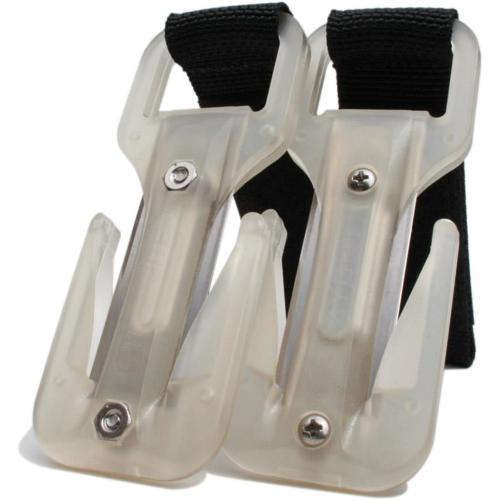
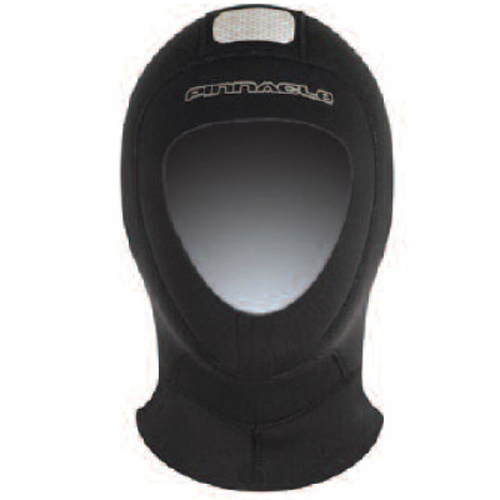
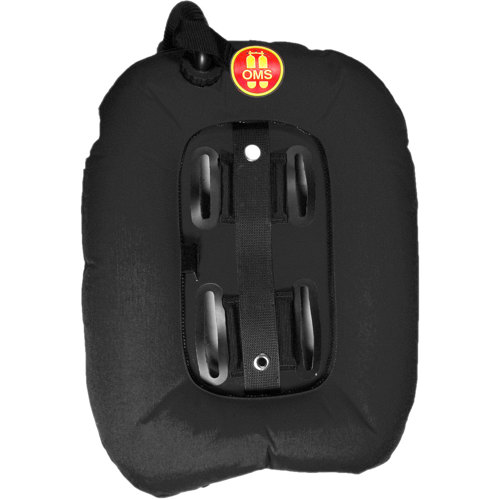
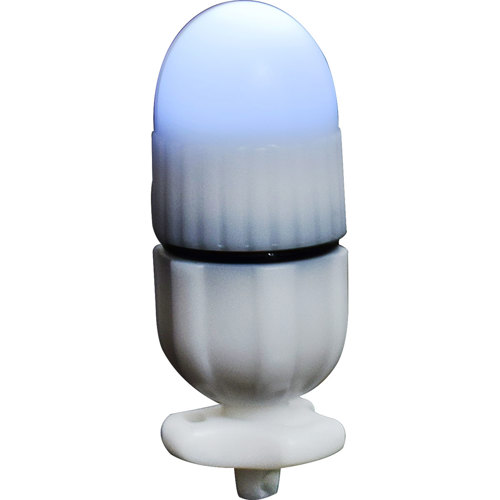
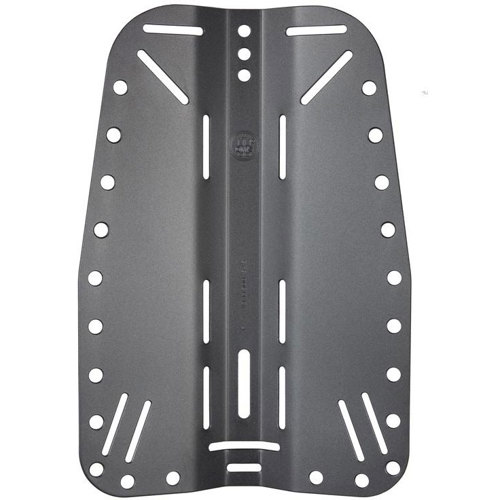
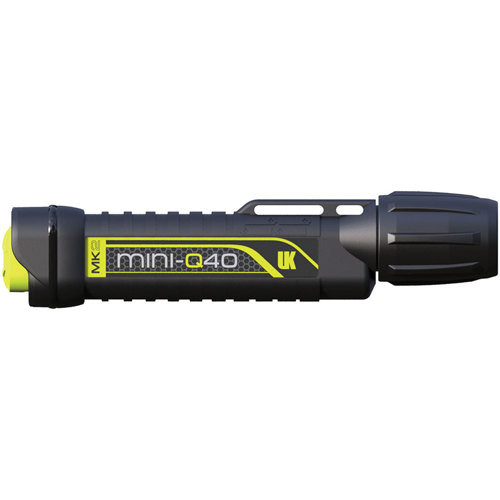
Lighting is another critical aspect of cave diving gear, as the absence of natural light in caves can quickly turn disorienting or hazardous. A powerful primary canister light with a Goodman handle is standard, leaving hands free for line work or emergency maneuvers, while at least two independent backup lights are carried in case of primary failure. The cave diver equipment setup is further streamlined by a rugged backplate and wing harness system, which provides the necessary lift and stability without unnecessary bulk—key for maneuvering through tight restrictions. Exposure protection is tailored to the cave’s water temperature, with drysuits and specialized undergarments favored for colder or longer dives. Cutting devices, such as line cutters or dive knives, are carried in pairs and kept easily accessible to mitigate entanglement risks. Redundant computers or a combination of computer and bottom timer are required for precise tracking of depth, time, and decompression obligations. Waterproof wetnotes or slates are attached to the wrist for navigation notes, gas calculations, and contingency planning, allowing divers to communicate and adapt their plans on the fly. Each piece of cave diving equipment and gear serves a purpose honed by decades of experience and evolving standards, reflecting the gravity of the environment and the commitment to safety.
Cave diving equipment is sought after by a wide range of divers, from seasoned technical divers and explorers to those pursuing advanced training in overhead environments. It also makes a thoughtful and practical gift for the dedicated diver in your life who is working toward cave or technical certifications, as well as for instructors, rescue divers, or expedition team members who rely on robust gear for their adventures. With the arrival of warmer weather and the extended daylight hours of late spring through late summer, cave diving becomes an especially appealing pursuit, drawing divers to the cool, constant temperatures found underground. Whether you’re outfitting yourself for a new course, upgrading your setup for a challenging expedition, or gifting a loved one with equipment that supports their passion and safety, the right cave diving gear makes all the difference. For those building or expanding their kit, make sure to explore our curated selection of
Cave Diving Tanks—a foundational component of any safe and effective cave diving system. Every item in a cave diver’s arsenal, from reels and lights to exposure protection and navigation tools, is chosen with care, ensuring each dive is not only thrilling but also as safe and controlled as possible.