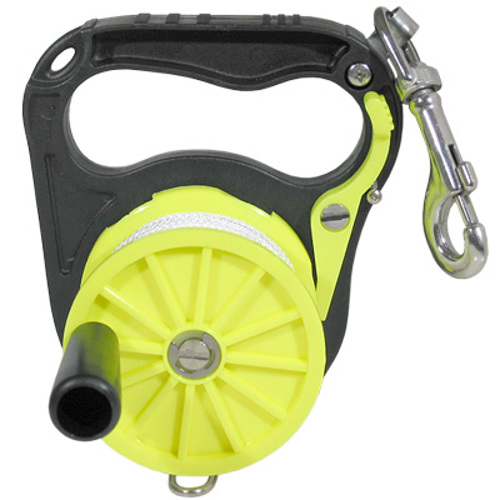
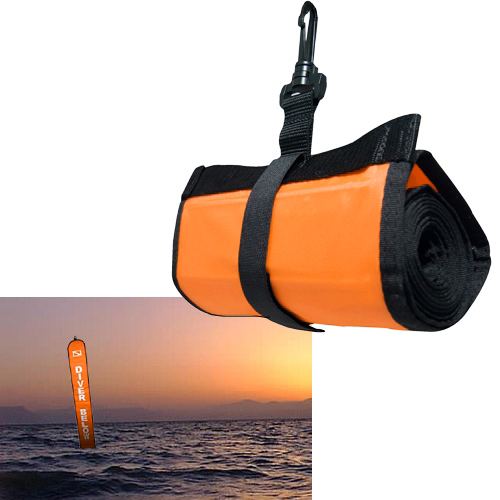
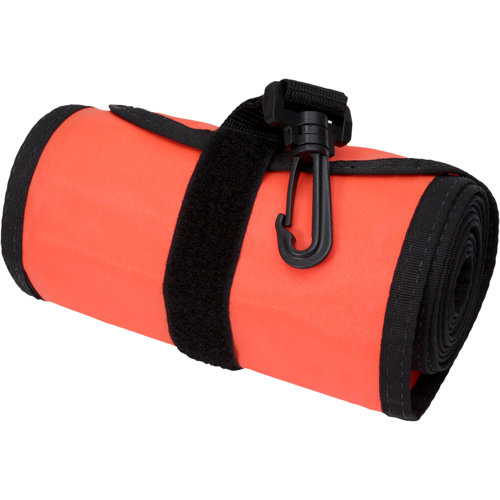
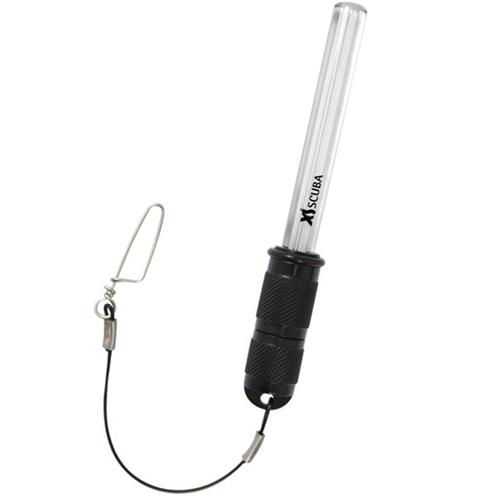
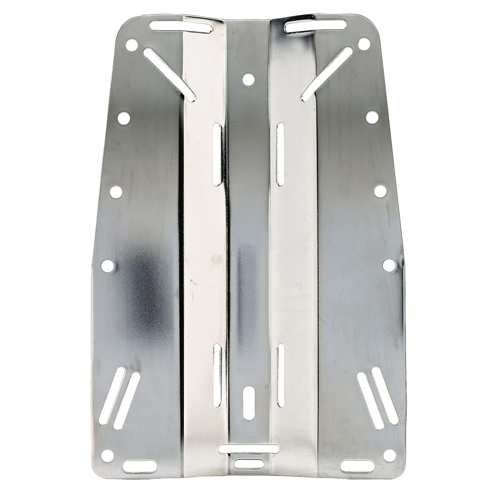
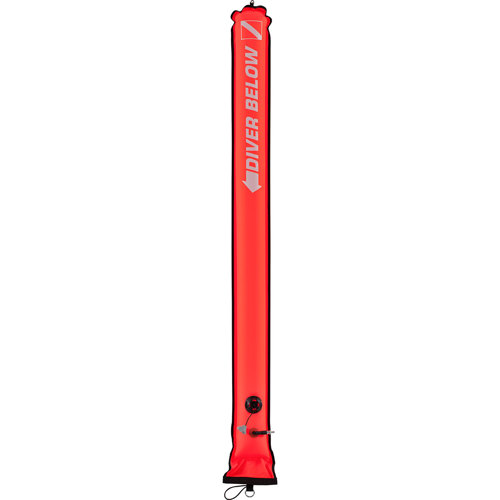
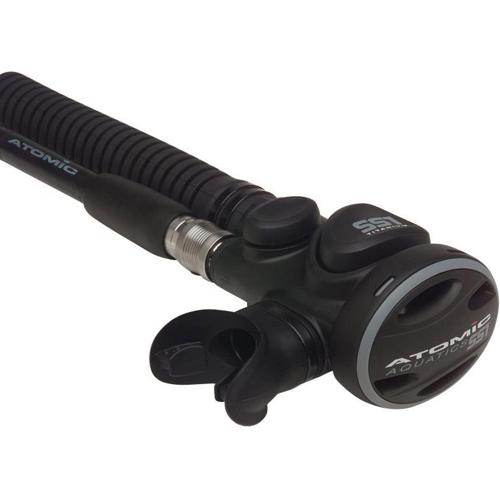
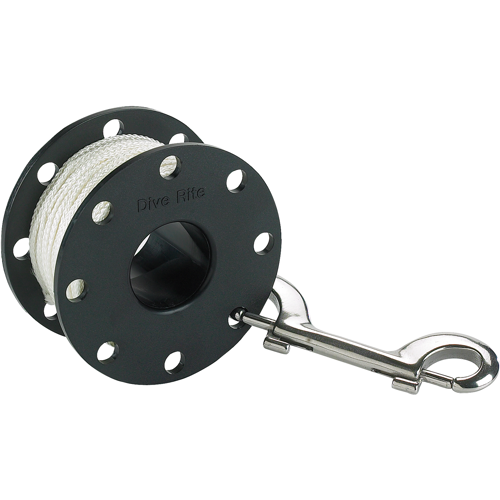
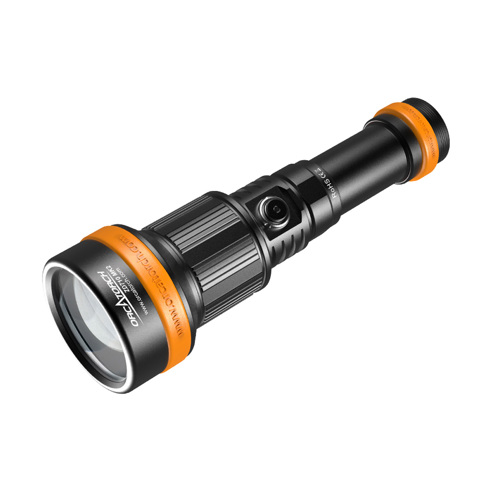
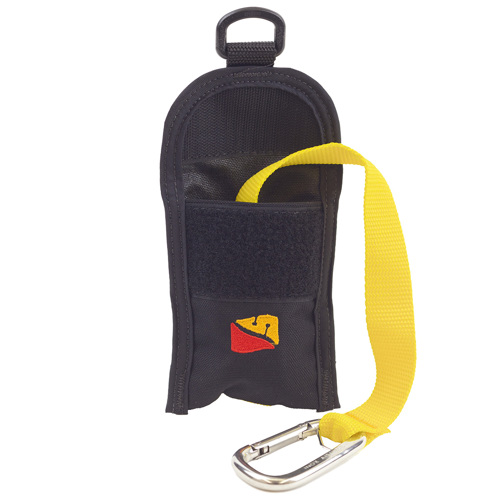
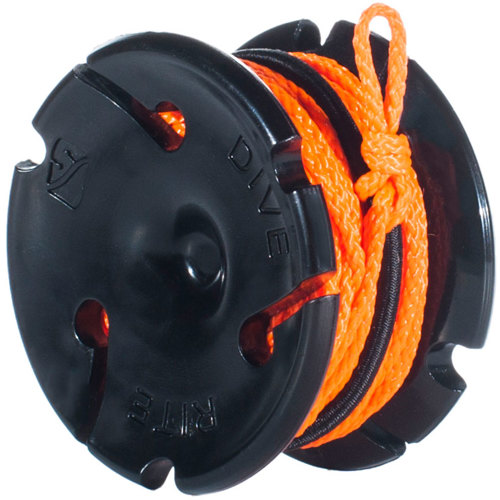
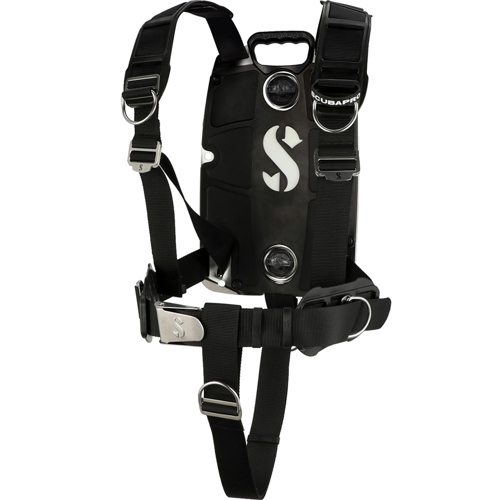
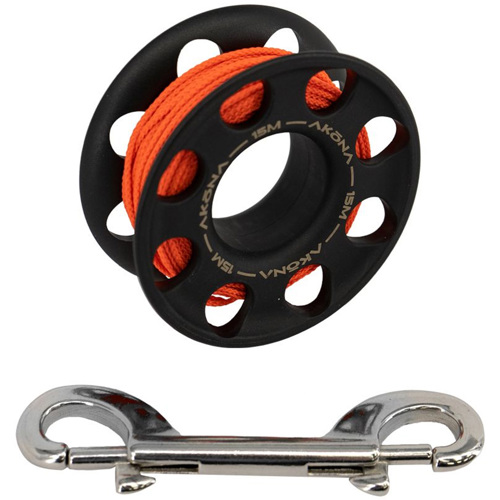
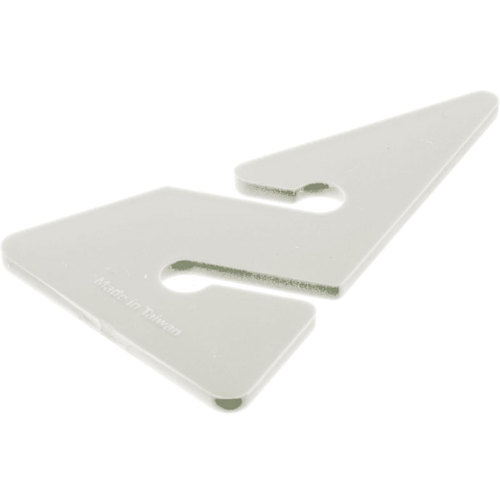
Cave diving is a discipline that demands a heightened level of preparation and specialized gear, with safety always at the forefront. The unique challenges of overhead environments—where direct ascent to the surface is not an option—require divers to carry redundant, reliable, and precisely configured cave diving equipment. Essentials cave diving equipment thefinalmatrix includes items designed not only for personal safety but also for effective team communication and problem-solving underwater. Every piece of cave diving gear, from robust primary reels that lay a continuous guideline deep into the cave, to compact backup lights clipped securely to a harness, serves a critical purpose. The essentials of cave thefinalmatrix often start with gas management: redundant air supplies, such as independent cylinders in sidemount configuration or a fully isolated double-tank manifold system, ensure that divers can safely exit from the furthest point of penetration. Regulators are chosen for both reliability and accessibility, with a primary regulator on a long hose for gas sharing in tight restrictions and a backup secured close at hand. Navigation tools like primary reels, safety spools, and line markers (arrows and cookies) are indispensable for marking the route, denoting exits, and identifying intersections, especially in complex cave systems where visibility can change rapidly.
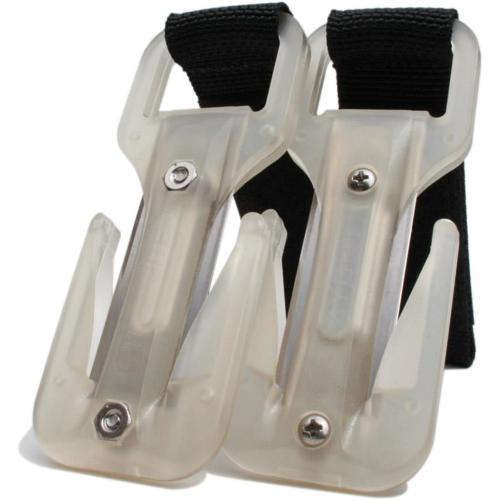
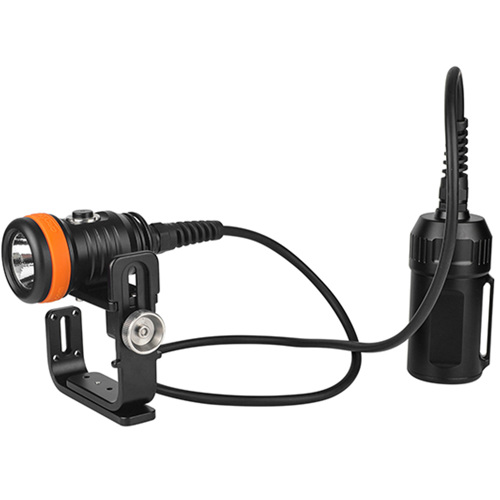
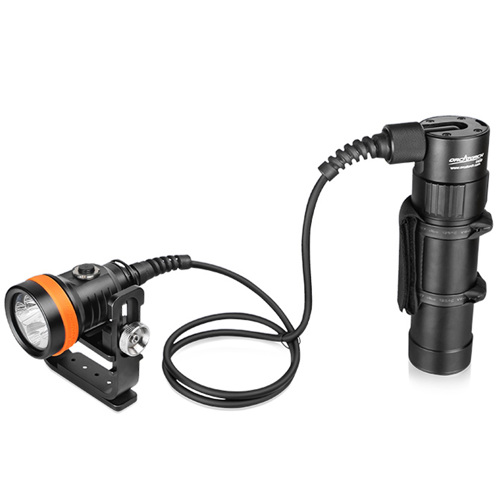
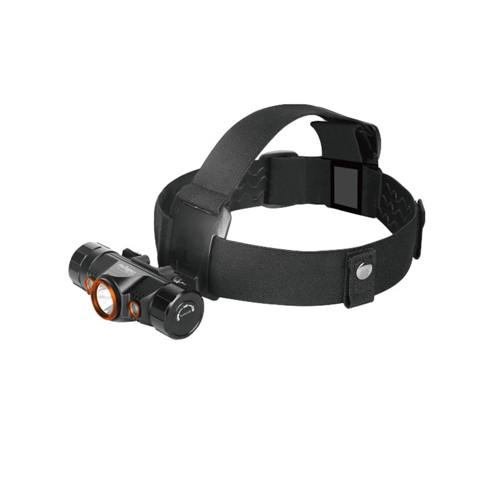
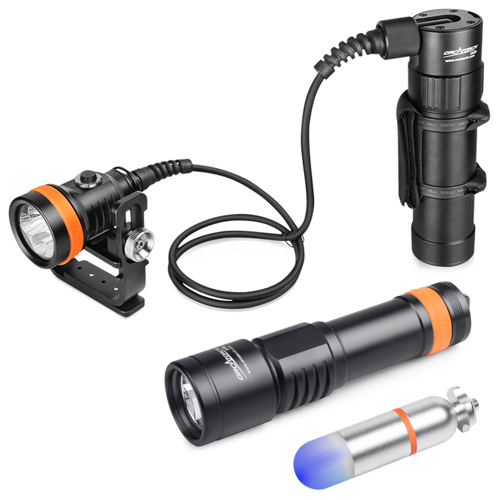
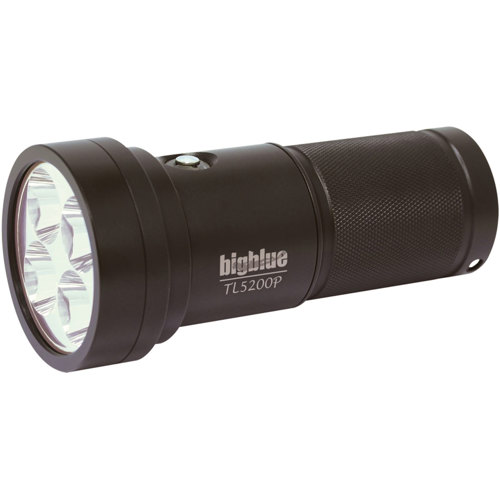
Those who engage in cave diving—whether seasoned explorers or divers advancing through technical training—understand that the right equipment for cave diving is not just about meeting a checklist, but about adapting to the unique conditions of each site. As the weather warms and the allure of new underwater adventures grows, cave diving enthusiasts often review and update their gear to match the season’s demands: dry suits and thermal protection for colder water, and rugged, streamlined buoyancy control systems for navigating tight passages. Helmets become essential in caves with low, jagged ceilings, protecting against accidental bumps and providing a mounting point for powerful canister lights that cut through the darkness and signal teammates. Cutting devices, such as line cutters or dive knives, are kept within easy reach to address entanglement emergencies, while wetnotes or underwater slates allow for real-time communication and note-taking. Low-profile, stiff-bladed fins are preferred for precision maneuvering in silt-prone environments, minimizing disturbance and maintaining visibility. For those looking to give a meaningful gift to a dedicated diver—perhaps as a milestone marker for a new cave certification or a birthday during the diving season—upgrading a piece of safety gear or adding a specialized item like a backup light or a set of line markers can be both thoughtful and practical.
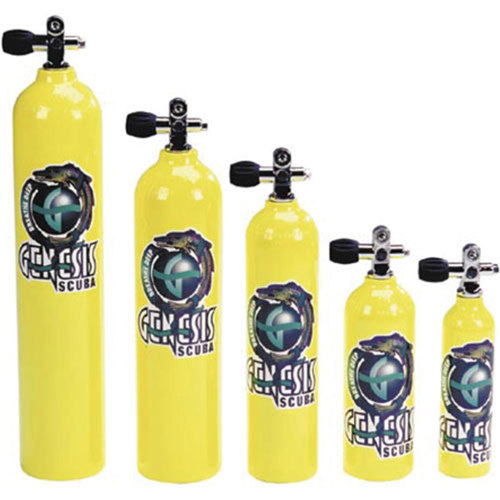
Selecting cave diving gear is a deeply personal process, shaped by training, experience, and the demands of the specific cave environment. Many divers consult with instructors or experienced mentors to ensure their setup meets both safety standards and individual preferences. The importance of redundancy and reliability cannot be overstated; every component, from the primary reel to the smallest spool, is chosen with the understanding that it could be the difference in an emergency. For those building or refining their kit, exploring options for critical life-support gear such as
Cave Diving Tanks is a key step in assembling a robust and dependable system. Whether preparing for a summer expedition to a renowned cave system or fine-tuning equipment for a local training dive, investing in the essentials cave diving equipment thefinalmatrix ensures that each dive is approached with confidence, preparedness, and respect for the unique challenges of the underground world.