Cave diving is a discipline that demands a unique set of skills and an unwavering commitment to safety, making the selection of essentials cave diving equipment thefinalmatrix a process that goes far beyond the basics of recreational diving. The environment itself—enclosed, often pitch-black, and unforgiving—requires divers to be self-reliant and prepared for any contingency. When assembling a cave diving equipment list, experienced divers know to focus on redundancy, navigation, and reliable life support systems. Every item, from primary reels and safety spools to line markers and multiple cutting devices, is chosen with the understanding that direct access to the surface is not an option. The cold of February can add another layer of challenge, as water temperatures in many cave systems drop significantly, making exposure protection and robust lighting even more critical. For those who spend their winters exploring submerged passageways, investing in a drysuit or thick wetsuit, rugged fins, and a helmet is not just about comfort—it’s about maintaining dexterity and awareness in demanding conditions.
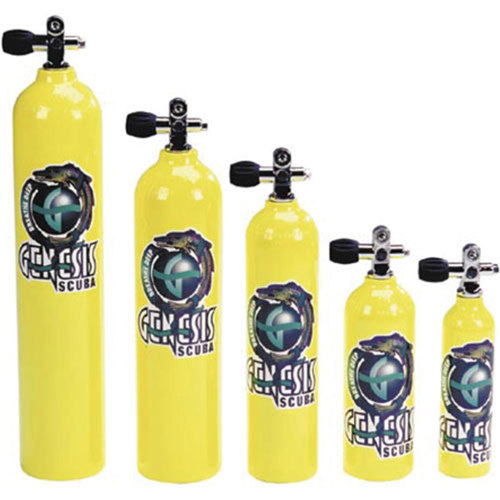
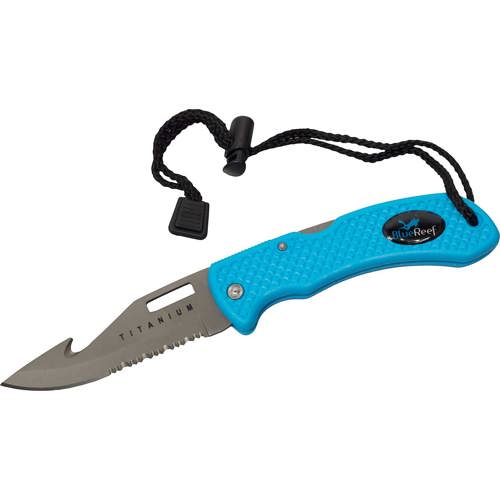
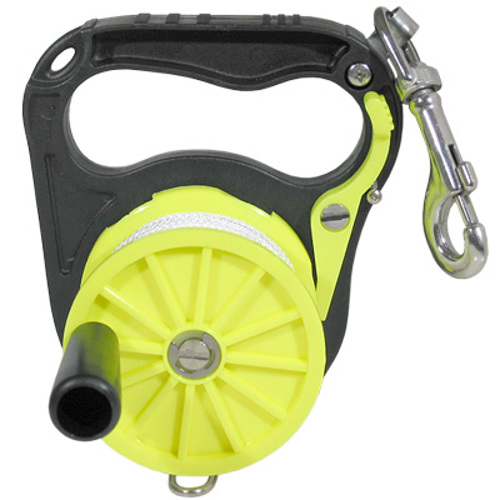
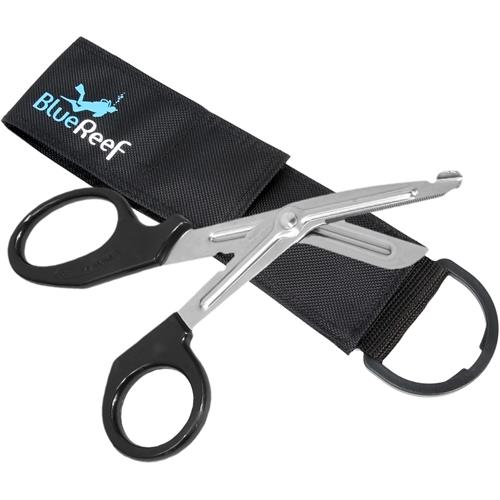
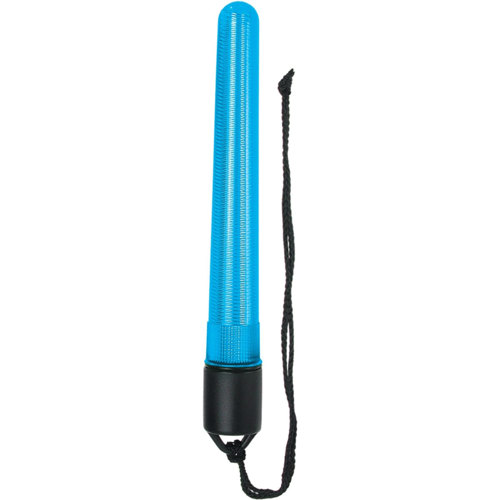
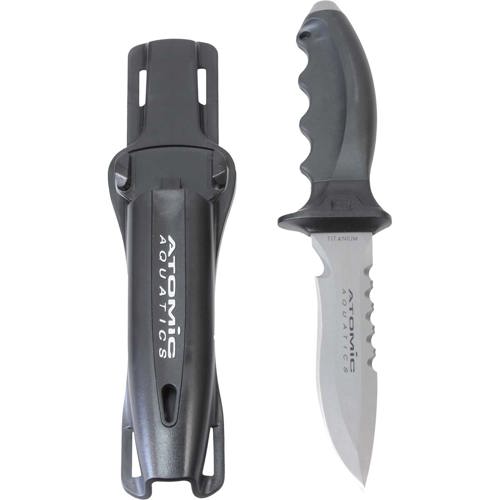
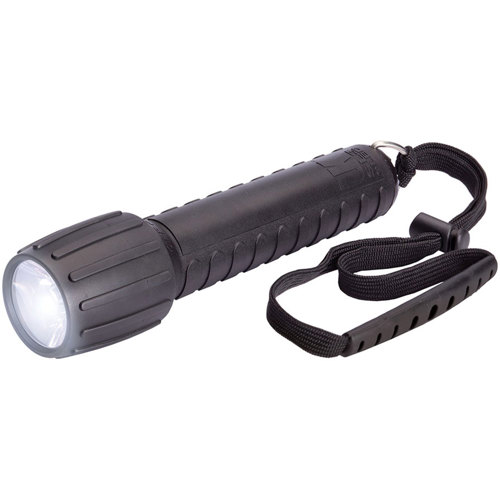
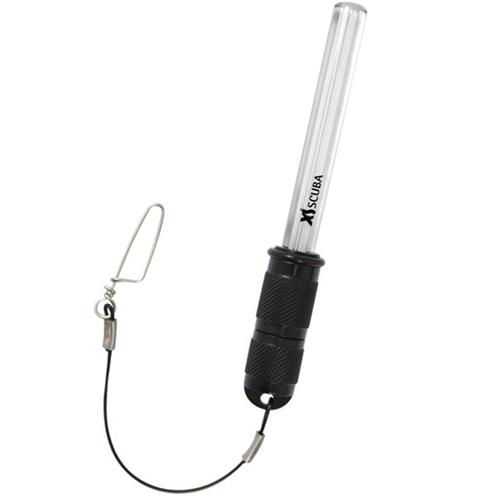
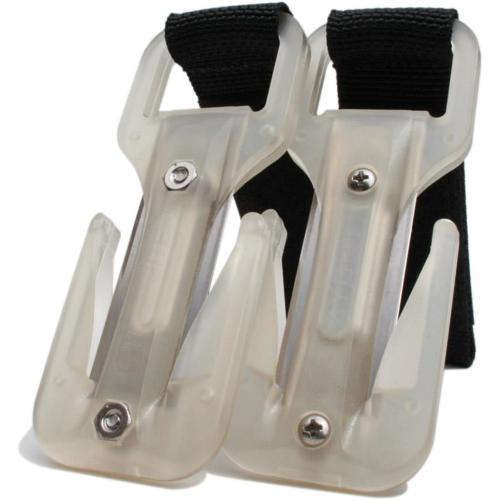
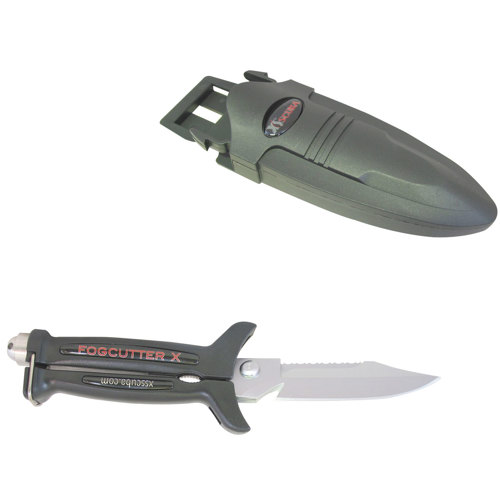
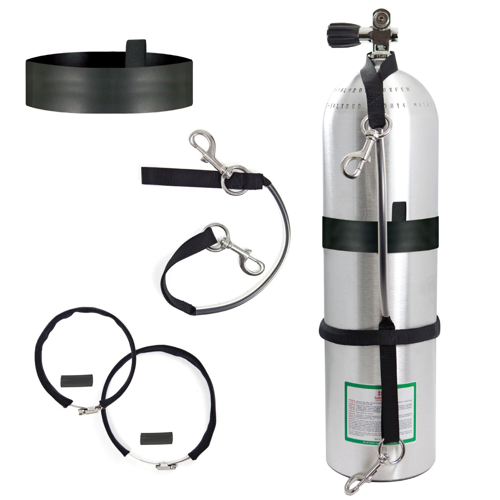
The necessity for redundancy in cave diving gear cannot be overstated. Core equipment for cave diving always includes backups: at least two, preferably three, specialized cutting tools to handle entanglements; a primary canister light with a powerful, focused beam, complemented by two backup lights to banish the darkness in case of failure; and multiple reels and spools for navigation, emergency exits, and traversing complex intersections. Line arrows and non-directional markers (often called cookies) serve as lifelines, marking the path home and helping teams identify their routes in labyrinthine tunnels. Wetnotes are another staple, allowing divers to communicate underwater or jot down navigation cues, which can be vital in low-visibility scenarios. Gas management is a cornerstone of cave diving safety, with double tank setups—either manifolded or sidemount—paired with two independent regulators and a long hose for air sharing. These systems are not just recommendations; they are the result of decades of hard-earned experience and lessons learned in the field, where even minor equipment failures can escalate quickly.
For those shopping for the cave diver in their life, whether as a thoughtful gift or as part of a personal upgrade, it’s important to understand that every piece of cave diving equipment serves a purpose rooted in safety and efficiency. A well-chosen tool can make a world of difference, whether it’s a new backup light for a diver who frequently explores deep systems, or a set of rugged fins for navigating strong currents in spring-fed caves. The winter months are a popular time for gear maintenance and upgrades, as many divers prepare for the upcoming season or take advantage of quieter dive sites. Gifting essentials from a comprehensive
Cave Diving Gear collection can show support for a diver’s passion while contributing directly to their safety and enjoyment. When building or expanding an equipment for cave diving setup, attention to detail—such as the placement of cutting devices on the harness for easy access, or the inclusion of a spare mask—reflects the mindset that defines the cave diving community: prepared, methodical, and always respectful of the environment’s demands. Whether you’re a seasoned explorer or just beginning your journey into overhead environments, investing in the right cave diving equipment is the foundation for safe, memorable adventures beneath the surface.