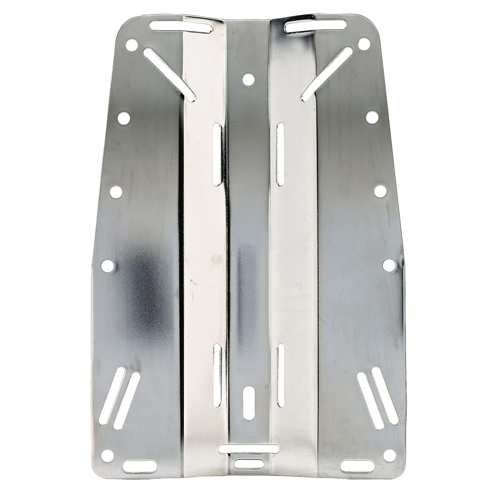
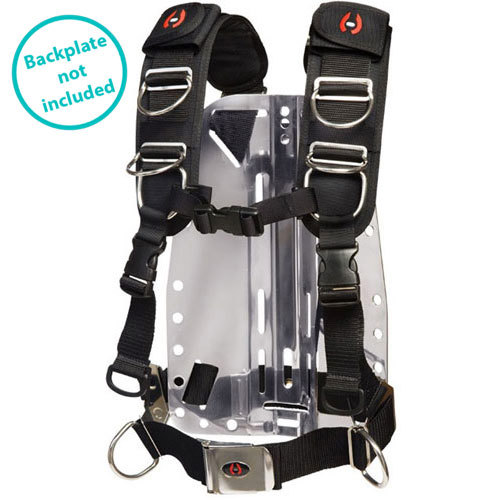
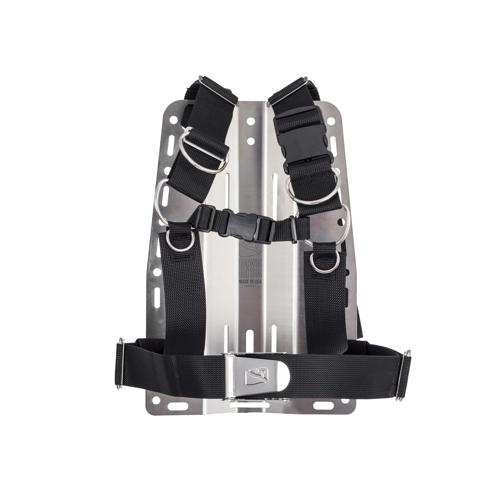
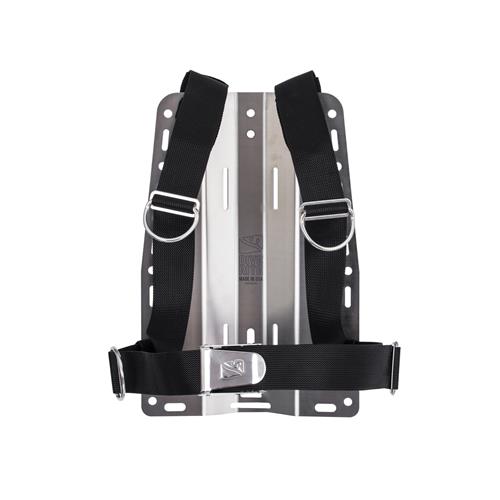
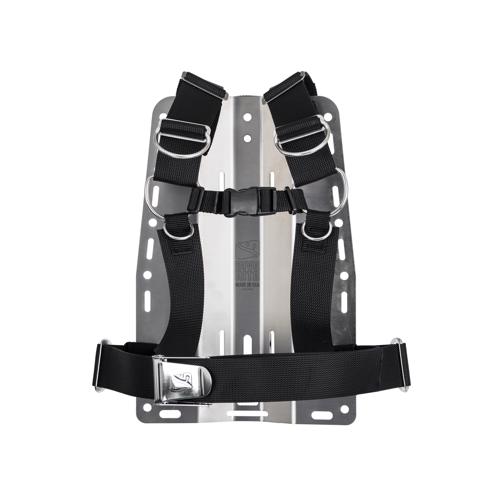
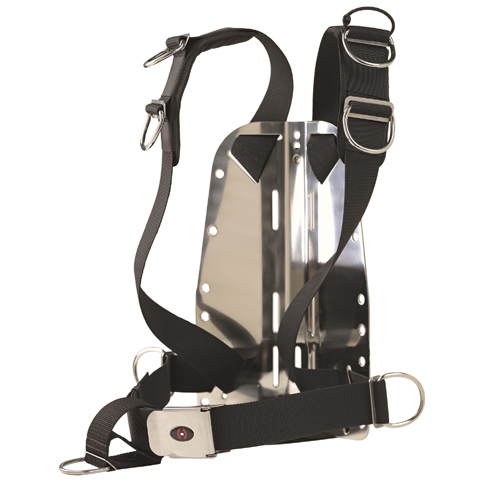
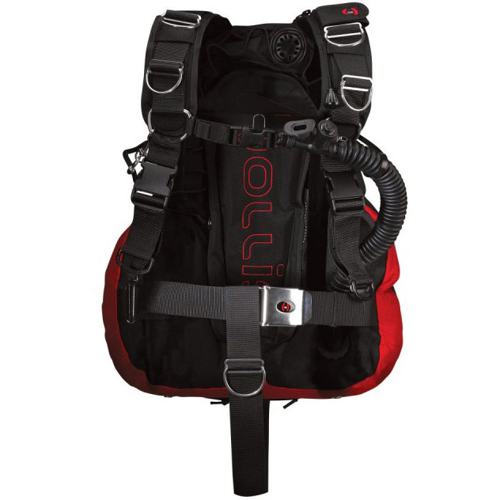
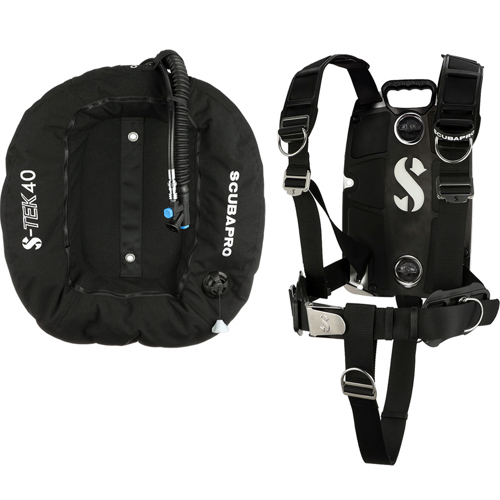
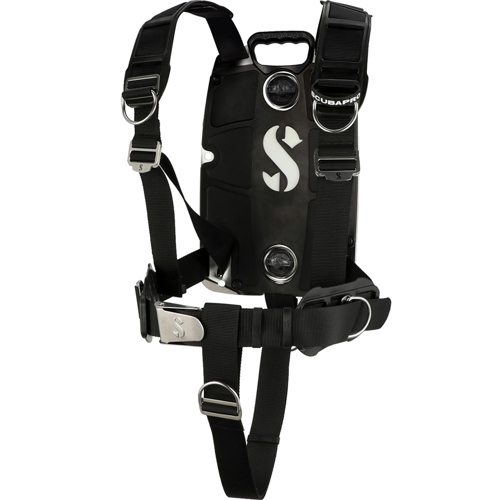
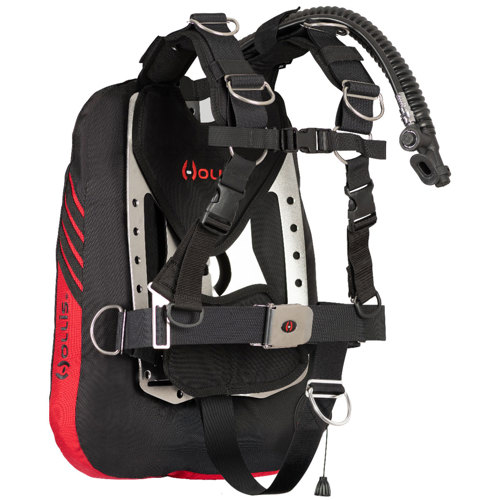
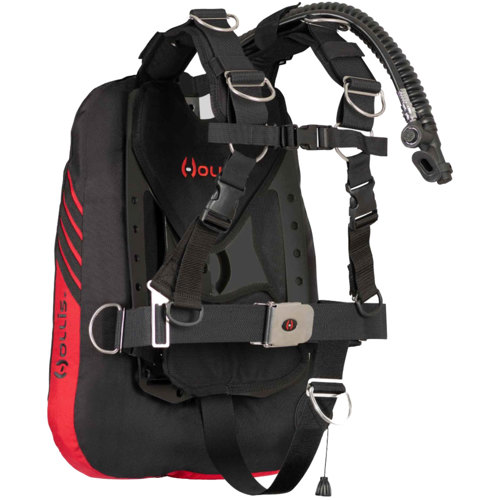
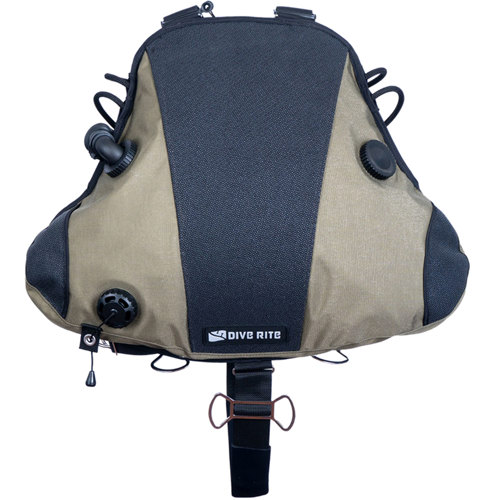
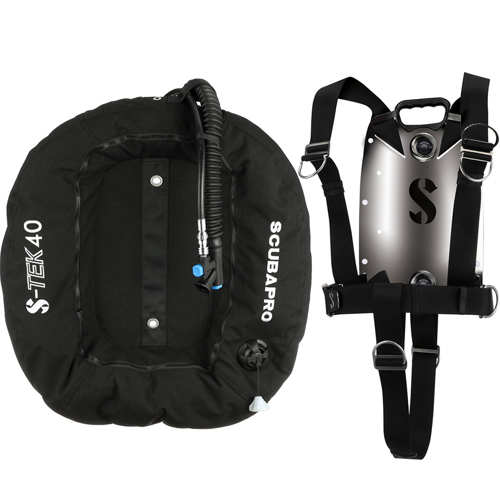
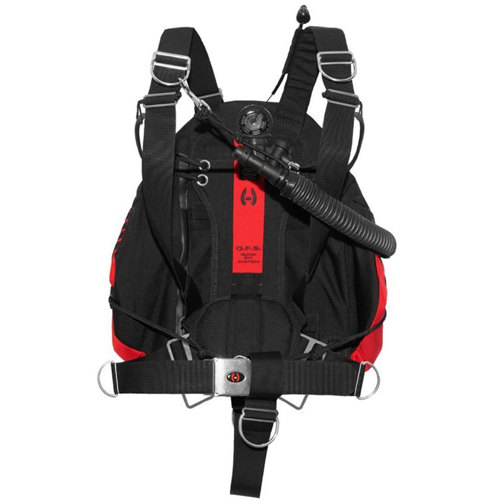
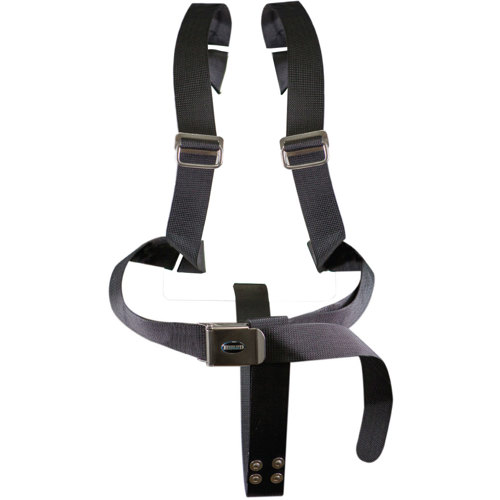
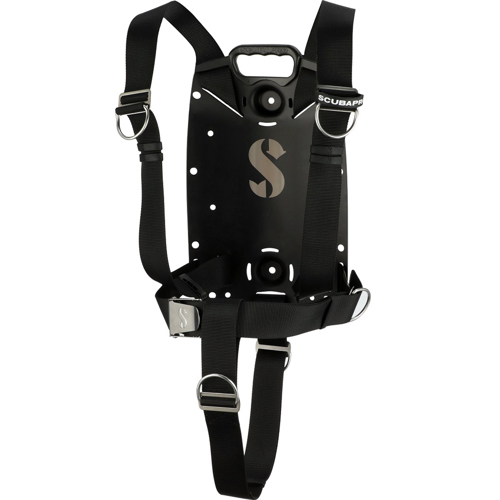
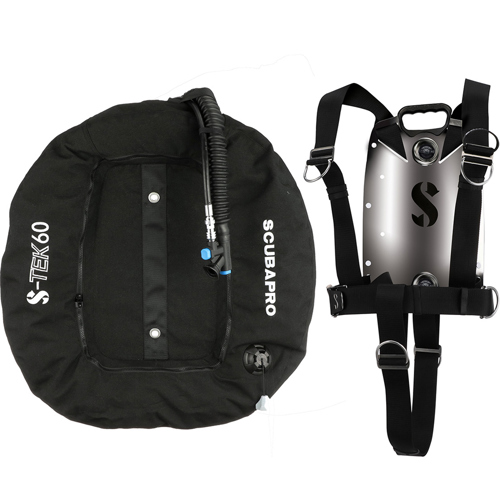
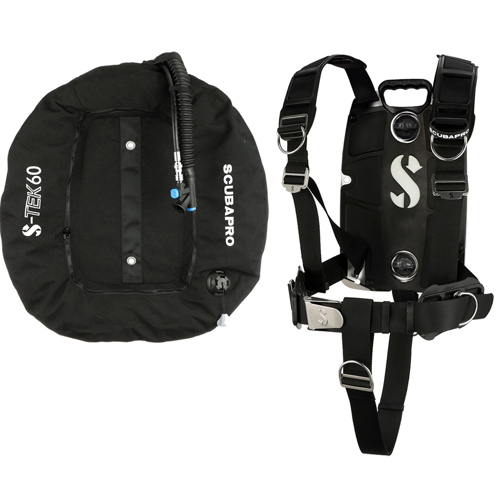
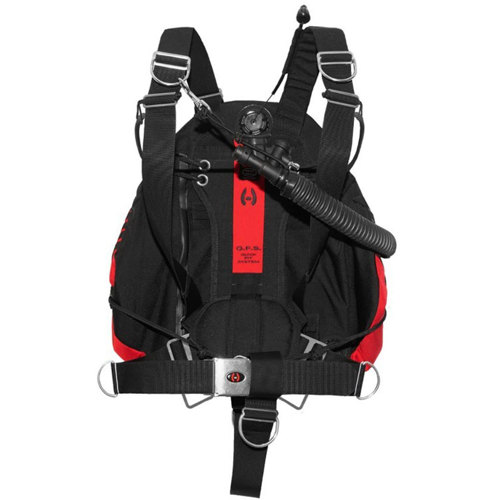
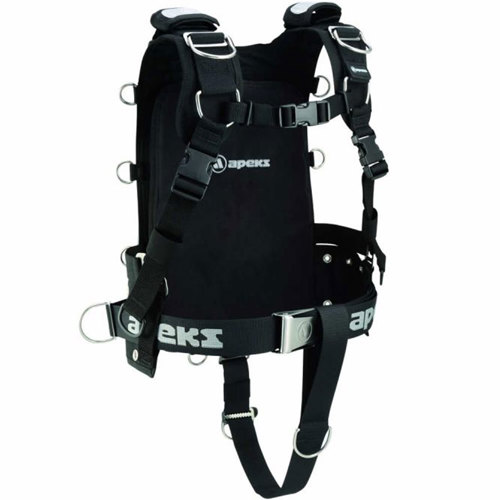
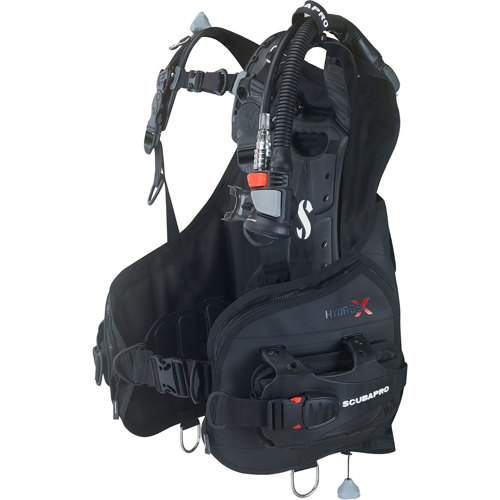
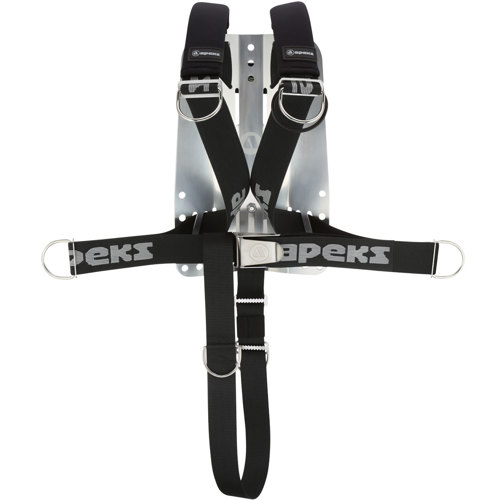
Cave diving harnesses are specialized pieces of equipment designed for divers who venture into the unique and challenging environments found beneath the earth’s surface. Unlike standard recreational harnesses, cave diving harnesses emphasize a streamlined profile, rugged durability, and adaptability to suit the rigors of overhead environments. The caves themselves can range from expansive underwater cathedrals to narrow passages barely wide enough for a diver to squeeze through, making it crucial that a harness fits close to the body and manages gear with precision. The best harnesses are built to withstand repeated abrasion against limestone walls, resist corrosion from fresh and saltwater, and provide reliable attachment points for cylinders, reels, lights, and other essential tools. For divers who spend hours underground, comfort is as important as function; features like padded backplates, adjustable webbing, and ergonomic support can make a significant difference, especially during long decompression stops or traverses through tight restrictions. In the autumn months, when water temperatures begin to drop and visibility can change rapidly due to seasonal rains, a well-fitted harness helps ensure that gear remains secure and accessible even when wearing thicker exposure protection or gloves.
Selecting a cave diving harness involves careful consideration of personal diving style, experience level, and the specific demands of the caves being explored. Technical divers often opt for modular systems with backplates and customizable harnesses, allowing them to tailor the configuration for either backmount or sidemount cylinder setups. Minimalist harnesses are favored by those who prioritize agility and need to maneuver through tight, silty passages where excess gear could snag or create drag. Meanwhile, more robust harnesses with integrated padding and multiple D-rings are ideal for carrying heavier loads, such as multiple stage bottles or photographic equipment. Many seasoned cave divers recall their first ventures into flooded caves, learning quickly that even the smallest piece of dangling equipment can become an entanglement hazard—making the right harness not just a matter of comfort, but of safety. For those new to cave diving or looking to upgrade their gear, consulting with experienced instructors or joining guided cave trips can provide invaluable insight into which harness features are most essential for their local conditions. As the diving season shifts into fall, it’s also a popular time for divers to reassess their gear—often gifting harnesses to friends or loved ones who are advancing their technical training or preparing for their first cave certification. A high-quality harness is a gift that supports safer, more enjoyable exploration, and is appreciated by both seasoned explorers and those just beginning to discover the allure of cave systems.
Whether you’re planning to explore the labyrinthine tunnels of a Florida spring, the crystal-clear cenotes of Mexico, or a local quarry’s hidden passages, the right cave diving harness is foundational to a successful dive. Paying attention to adjustability, weight distribution, and the ability to add or remove accessories ensures your harness evolves with your diving ambitions. As skills progress, many divers find themselves fine-tuning their setup—swapping out hardware, adjusting webbing, or moving to a more advanced system as their needs change. For those interested in exploring a broader range of harnesses, including those designed for other forms of technical diving, our curated list of
Technical Dive Harnesses offers additional options that balance the demands of cave, wreck, and deep diving. Investing in the right harness is not only about enhancing comfort and efficiency underwater, but also about building confidence to tackle new challenges, whether that means pushing deeper into a system, carrying additional gear, or simply enjoying the serenity that comes from moving effortlessly through an underground world.