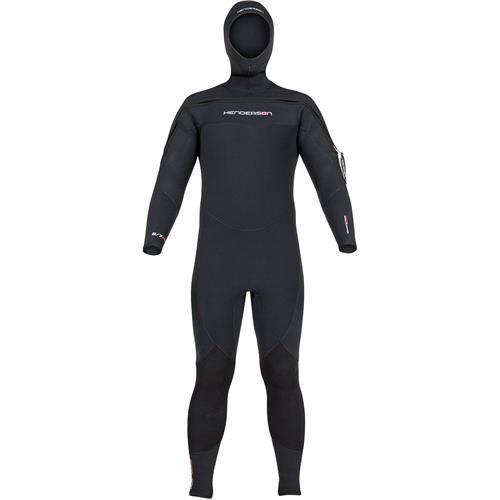
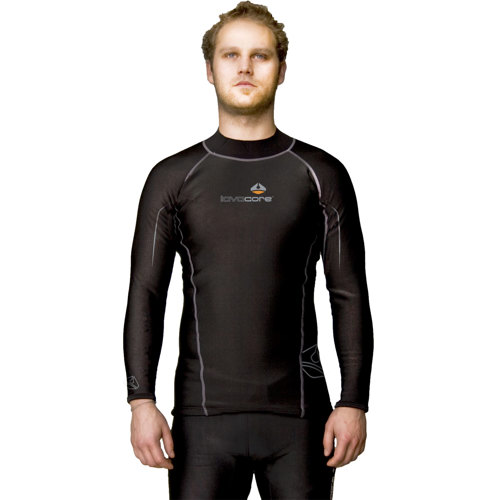
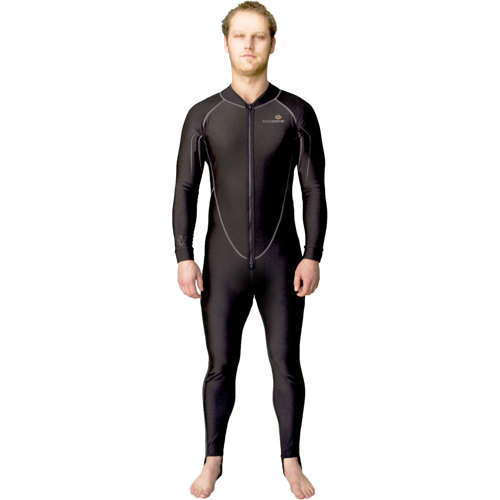
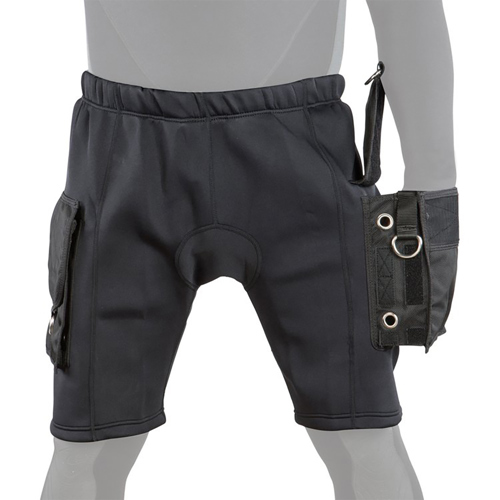
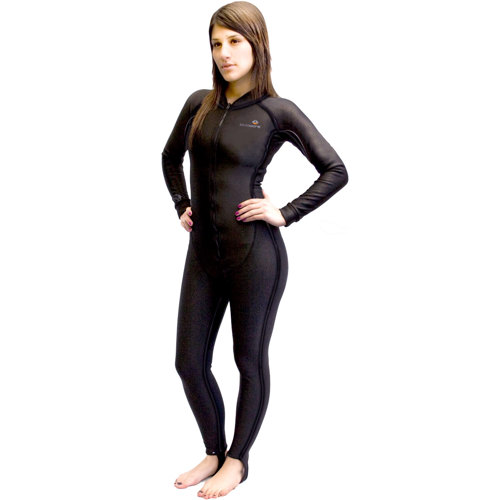
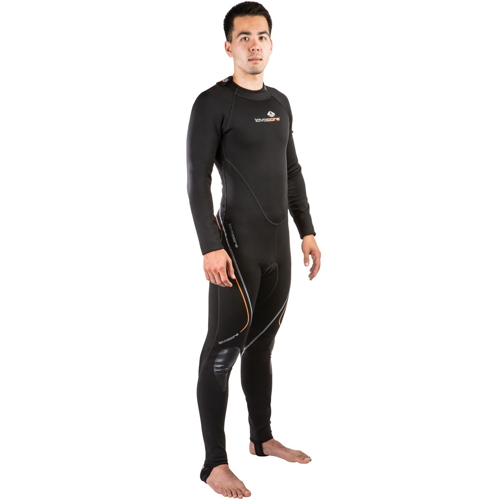
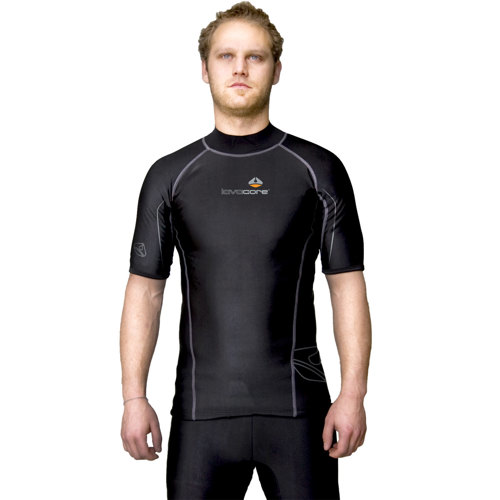
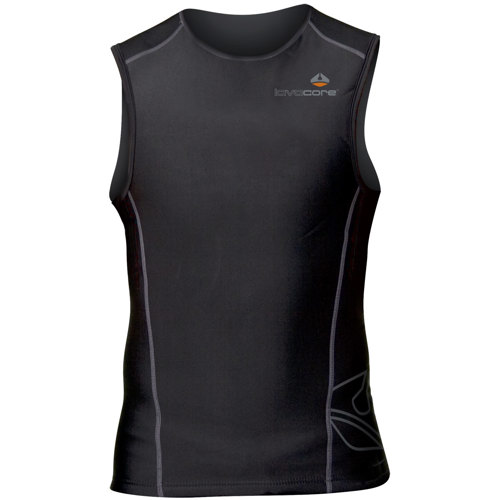
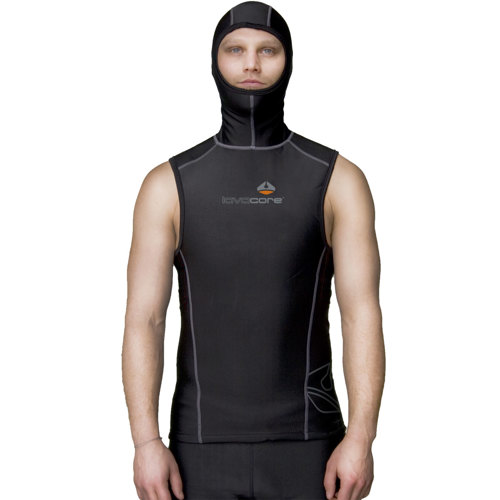
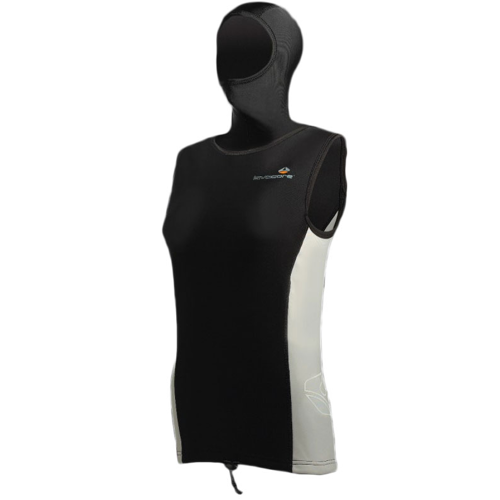
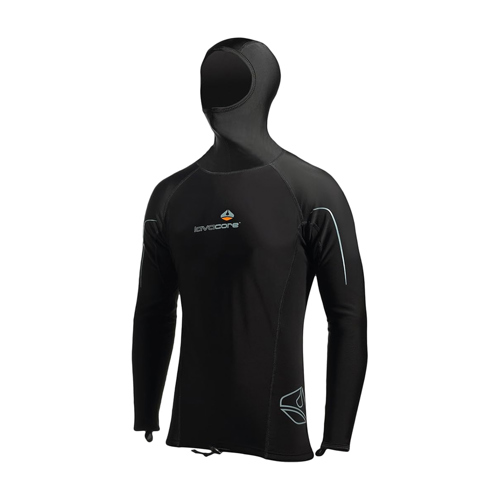
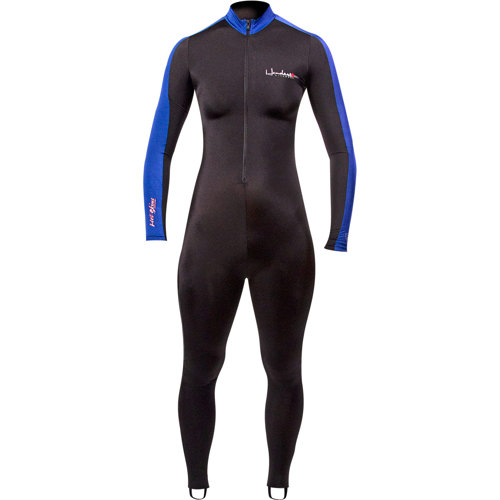
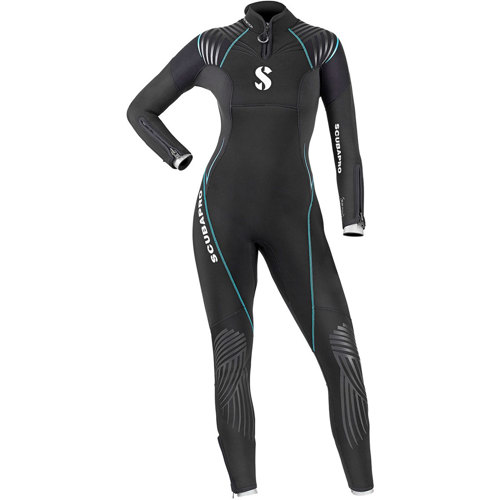
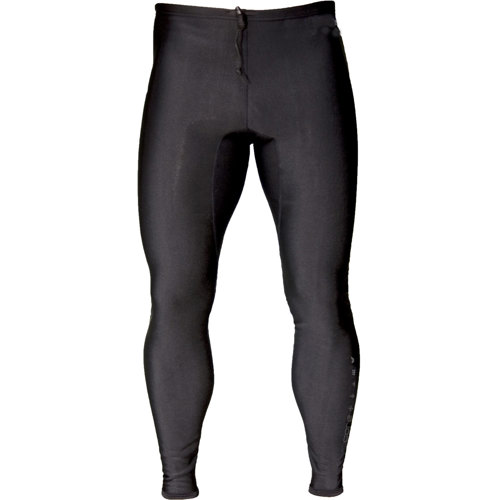
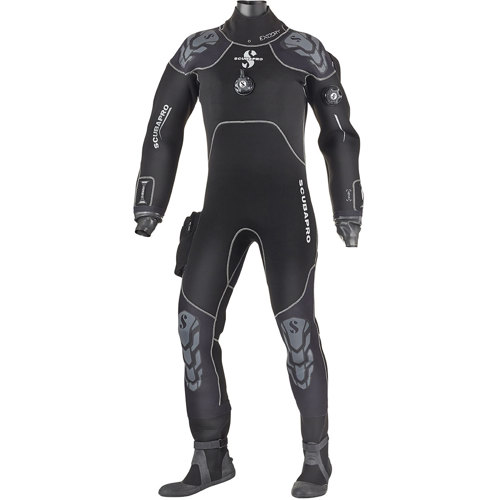
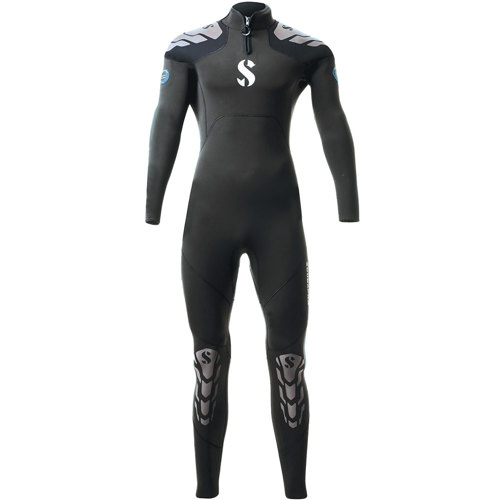
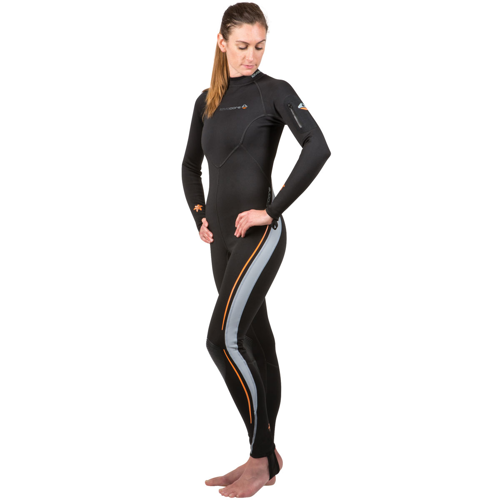
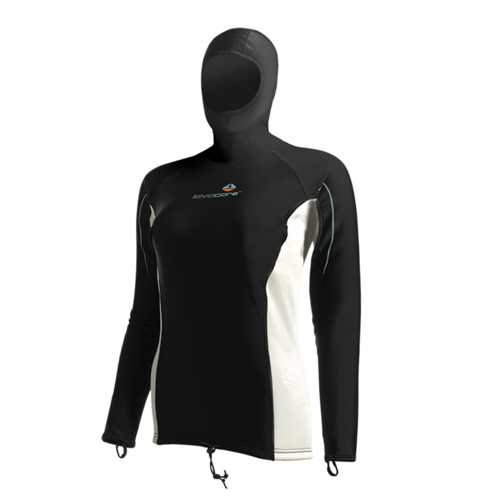
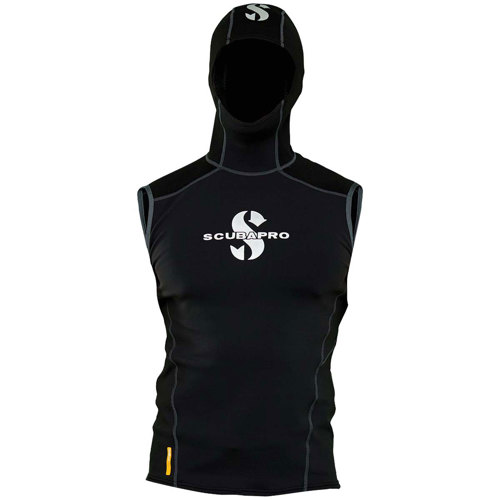
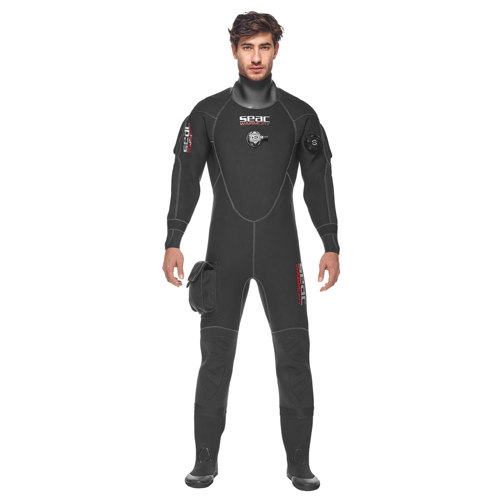
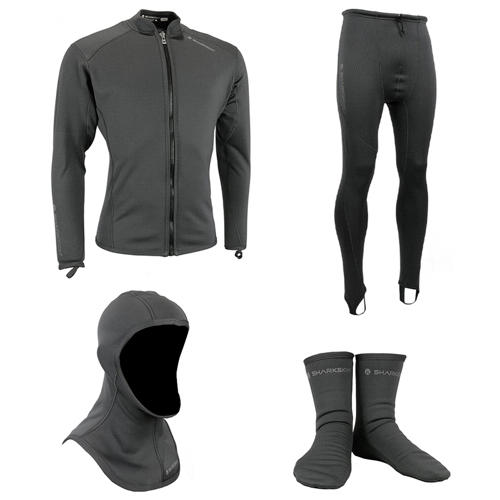
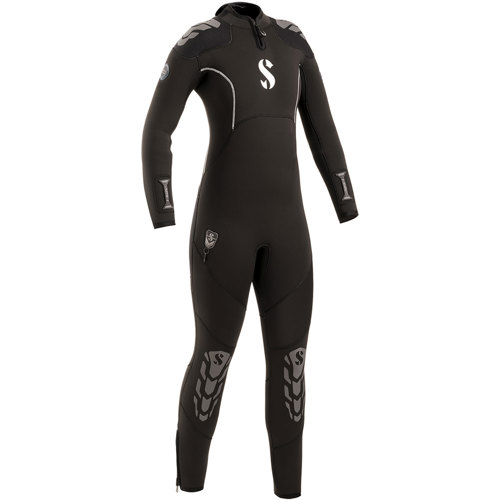
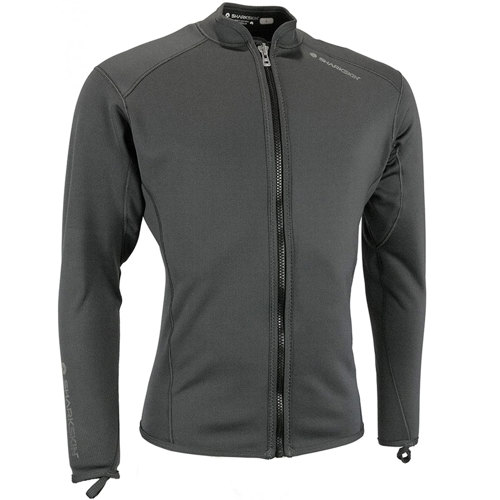
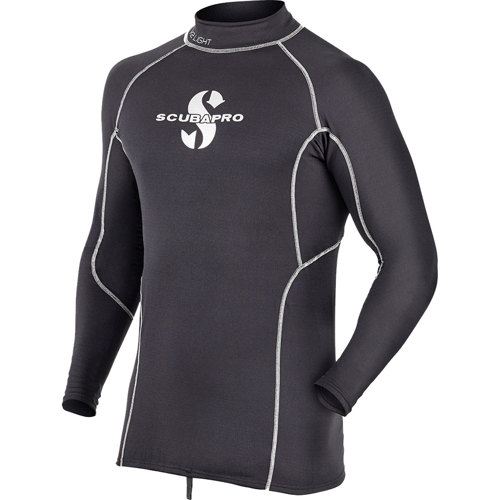
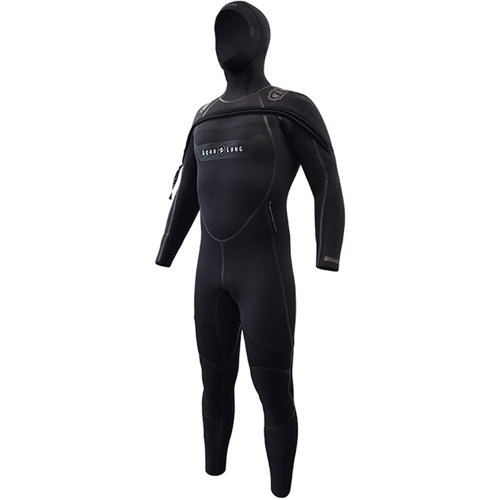
Cave diving is a unique blend of exploration and technical skill, demanding not only specialized training but also carefully selected clothing to ensure safety, comfort, and performance in challenging environments. The subterranean world of caves is defined by its cool, stable temperatures and rugged, abrasive terrain. Whether you’re threading through the crystalline waters of a Mexican cenote or navigating the labyrinthine passages of a temperate cave system, your cave diving outfit becomes your primary defense against the elements. Most experienced divers know that the right cave diving suit is the foundation of any successful dive. In warmer water caves, a full wetsuit—typically 5mm to 7mm, sometimes paired with a hooded vest—offers reliable thermal protection without restricting movement. In colder or longer dives, a drysuit is often the preferred choice, keeping you completely dry and allowing for the layering of insulating undergarments. It’s important to avoid cotton, as it traps moisture and accelerates heat loss; instead, opt for synthetic base layers made from polypropylene, fleece, or wool blends, which wick moisture and retain warmth even when wet.
The cave environment is unforgiving, with narrow passages, jagged rocks, and silt that can quickly turn a pristine suit into a well-worn badge of adventure. Protection and durability are key considerations when selecting a cave diver outfit. A rugged oversuit or abrasion-resistant coveralls, worn over your exposure suit, can greatly extend the life of your gear by shielding it from snags and tears. For those who expect to crawl or squeeze through tight spaces, padded knee and elbow guards are invaluable for preventing bruises and scrapes, while sturdy diving boots or booties provide traction and ankle support on slippery, uneven surfaces. Neoprene socks or thick woolen alternatives offer an extra layer of warmth and comfort inside your boots, especially during winter months when cave waters can be particularly brisk. A helmet is essential—not just for impact protection against low ceilings and rocky protrusions, but also as a mounting point for primary and backup lights. Many cave divers also opt for gloves—waterproof or durable gardening-style gloves for protection, or fingerless varieties for improved dexterity, depending on the water temperature and the need for fine gear adjustments. A well-fitted hood, whether built into your suit or worn separately, helps conserve body heat and protects against the chill that can quickly set in during prolonged dives.
Choosing the right cave diving outfit is not only a matter of personal comfort but also a crucial aspect of dive safety and enjoyment. Streamlined clothing that fits well reduces the risk of snagging on rocks or equipment, while still allowing for the freedom of movement necessary to navigate complex cave systems. For those shopping for a gift, high-quality base layers, gloves, or even a complete caves outfit make thoughtful and practical choices for any avid cave diver, especially during the colder months when extra insulation is appreciated. After the dive, having a set of clean, dry clothes to change into is a simple pleasure that cannot be overstated, especially after hours spent in cool, damp conditions. Whether you’re assembling your first fo76 cave diving suit or upgrading your current gear, it’s wise to consult with experienced instructors or seasoned cave divers to tailor your selection to the specific conditions you’ll encounter. For a comprehensive look at essential equipment and apparel, visit our
Cave Diving Gear page, where you’ll find everything needed to build a dependable, comfortable, and safe cave diving kit for your next subterranean adventure.