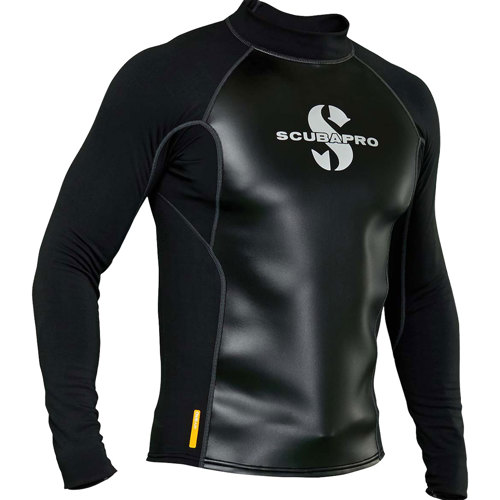
Warmth Layers
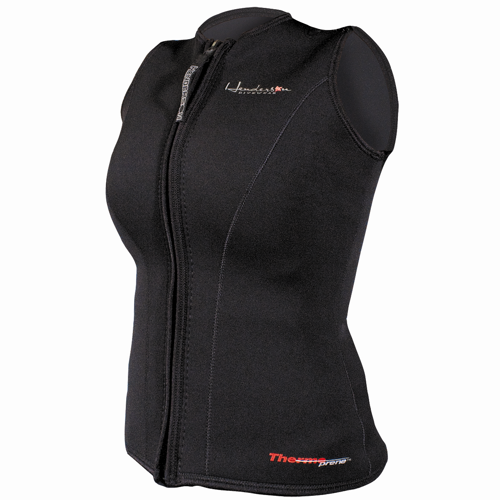
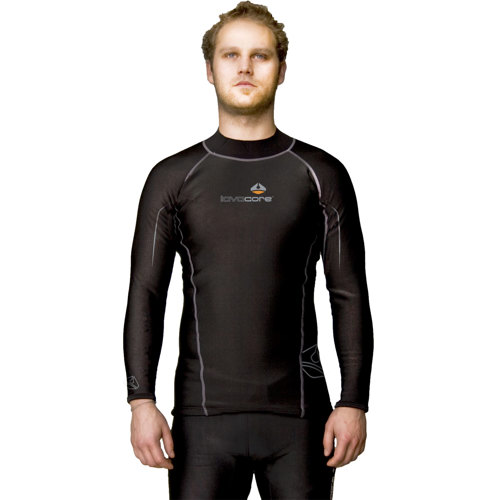
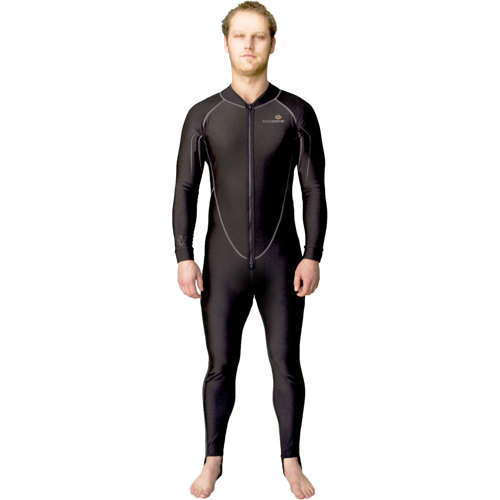
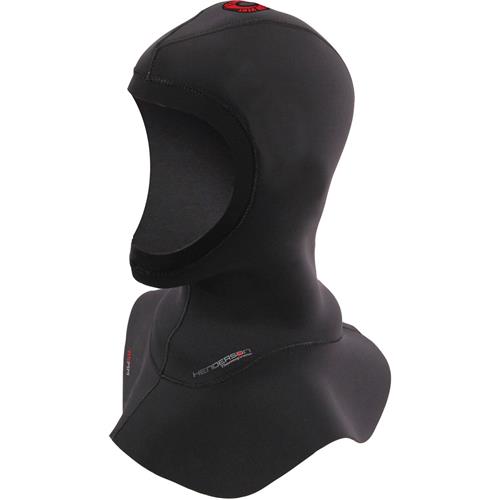
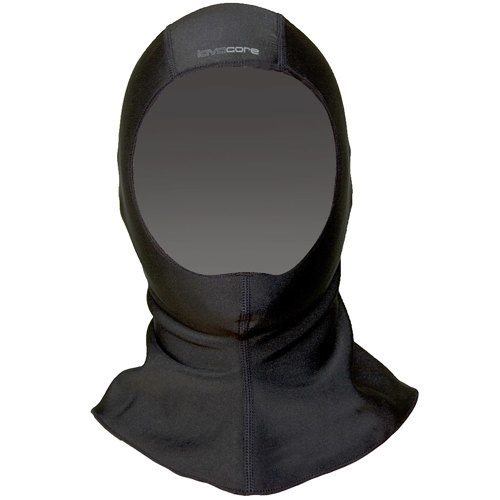
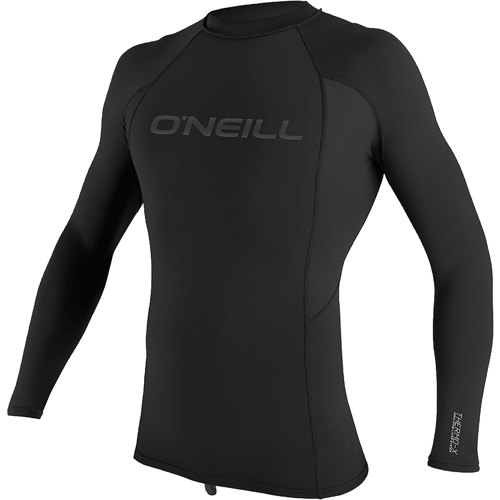
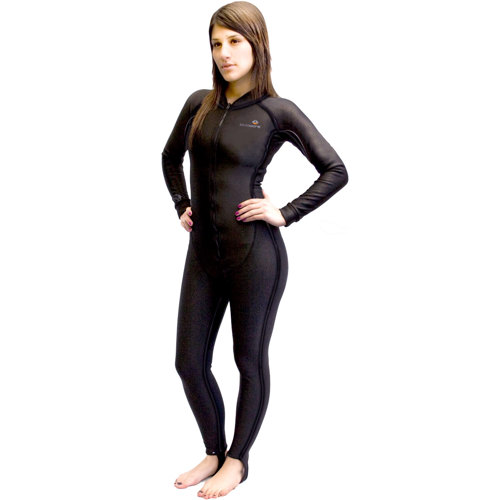
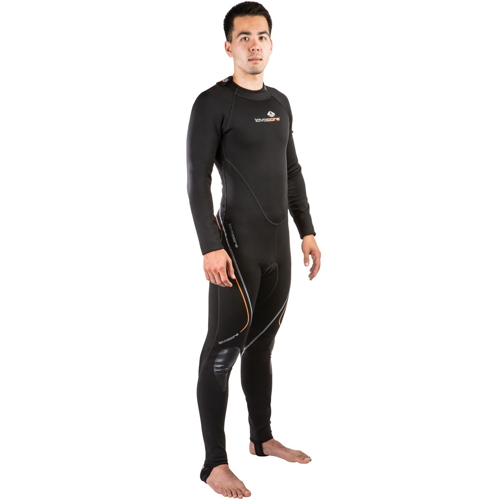
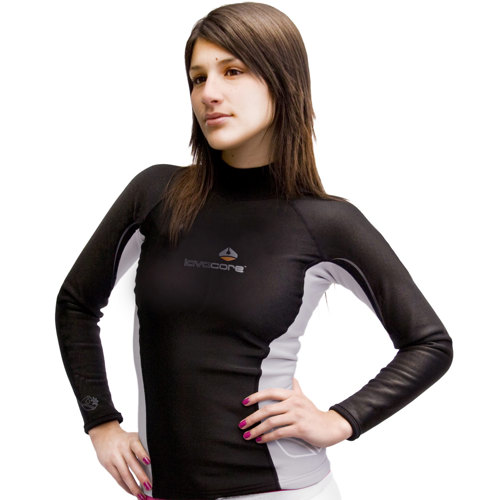
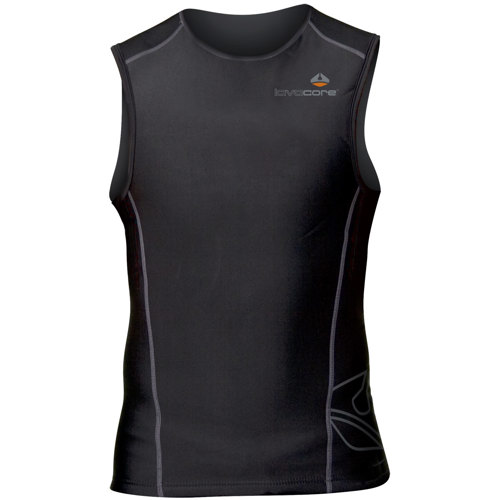
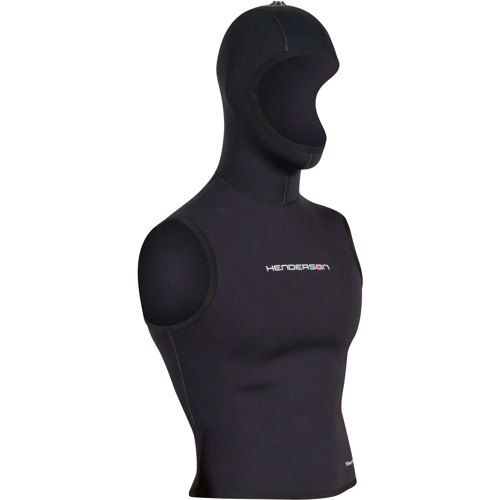
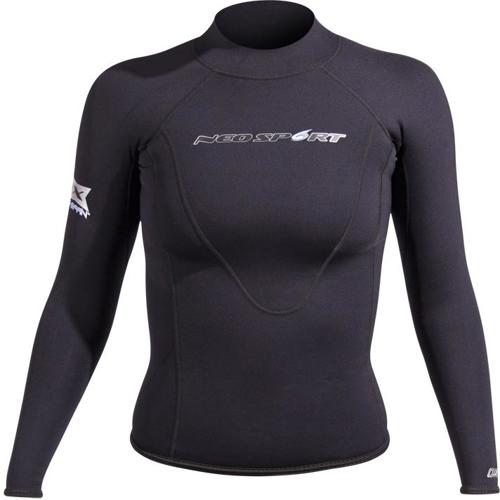
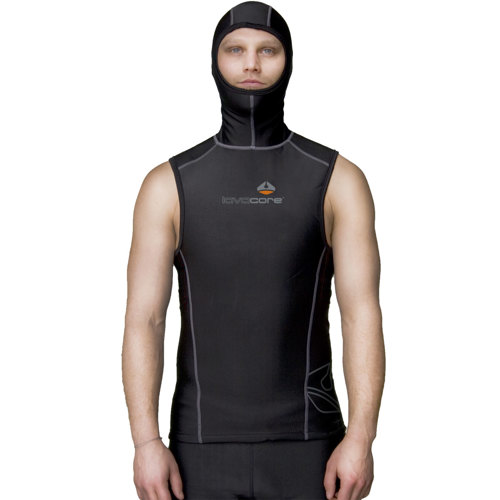
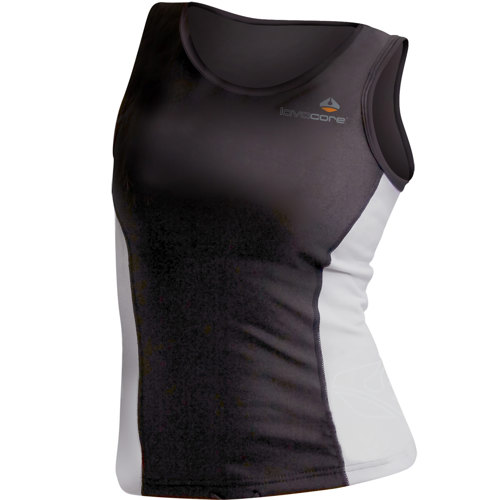
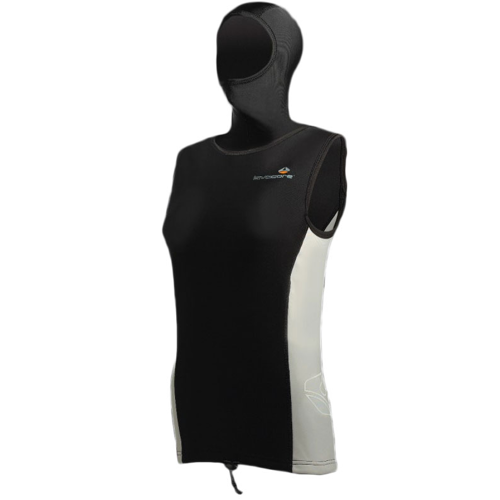
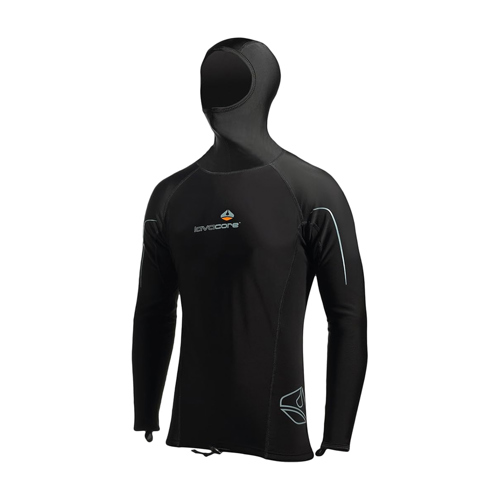
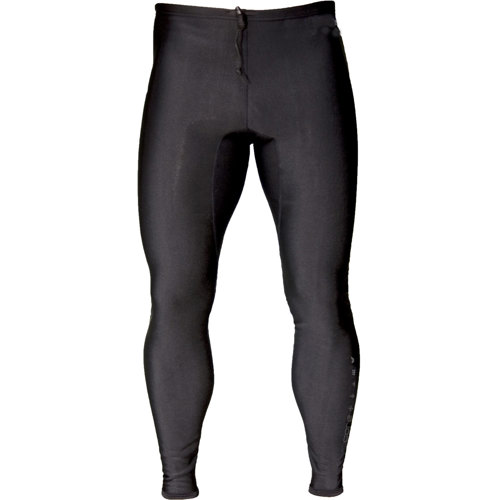
Staying warm and comfortable in and around the water requires more than just a wetsuit or drysuit—layering is a smart strategy for managing your body’s temperature, especially as conditions shift from cool mornings to warm afternoons or when unexpected breezes roll in. The principle behind warmth layers is simple: each layer serves a distinct purpose in a three-part system. A moisture-wicking base layer sits closest to your skin, pulling sweat away to keep you dry and prevent that clammy chill that can set in after activity. Merino wool and performance synthetics are popular choices here, prized for their ability to insulate even when wet and for their quick-drying, odor-resistant properties. The middle layer provides insulation, trapping body heat without restricting movement. Fleece and certain technical synthetics are common, offering breathability and warmth without bulk, so you can move easily whether you’re prepping your gear on the dock or hiking down to a remote shore. On top, a shell layer shields you from wind and spray, with waterproof or water-resistant options available depending on your needs. This system isn’t just for divers—snorkelers, paddleboarders, kayakers, and anyone spending time near the water can benefit from a thoughtful layering approach. Even on days when the sun is shining, early starts, deeper dives, or sudden weather changes can leave you wishing you had an extra layer packed in your bag.
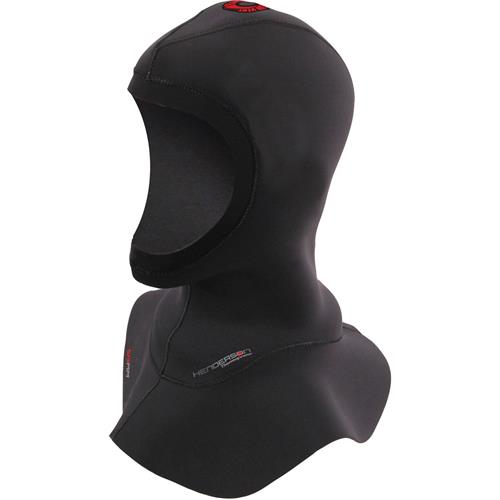
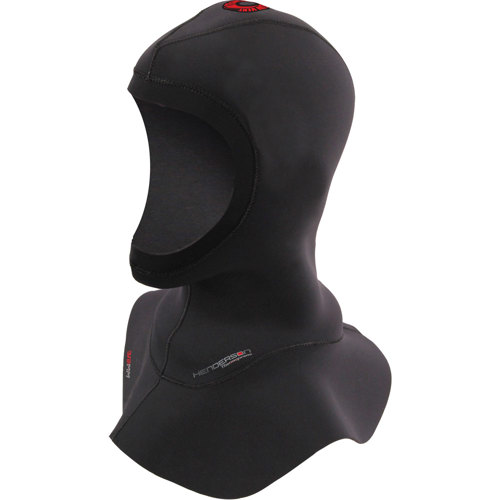
Warmth layers also make thoughtful, practical gifts for the water lover in your life. Whether it’s for a birthday, a graduation, or a “just because” gesture as the seasons change, giving the gift of comfort and protection is always appreciated. Many experienced divers and water sports enthusiasts keep a selection of warmth layers on hand to adapt to unpredictable conditions or to lend to a friend who’s new to the sport and might not have invested in their own gear yet. When choosing warmth layers, consider the person’s activity level, the environments they frequent, and their sensitivity to cold. Fit matters—a snug base layer enhances moisture management, while insulation layers should allow for easy movement without feeling bulky. Accessories like thermal socks, beanies, and neck gaiters can make a surprising difference, especially if you’re planning long boat rides or surface intervals between dives. Avoiding cotton is key, as it holds onto moisture and can quickly sap body heat. Instead, look for materials designed to move moisture away and maintain warmth even when damp. For those seeking gear that’s light in their pack but heavy on warmth, our collection of
High Warmth To Weight Base Layers highlights some of the best options for layering smartly without extra bulk. With the right combination of layers, you’ll be ready to enjoy every moment by the water, from early spring through the lingering warmth of late summer, confident that you can adapt to whatever the day brings.