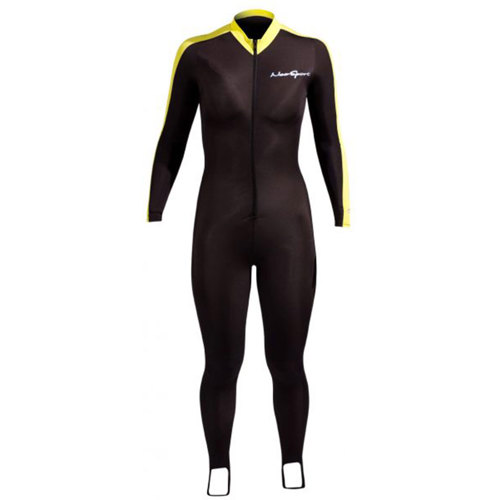
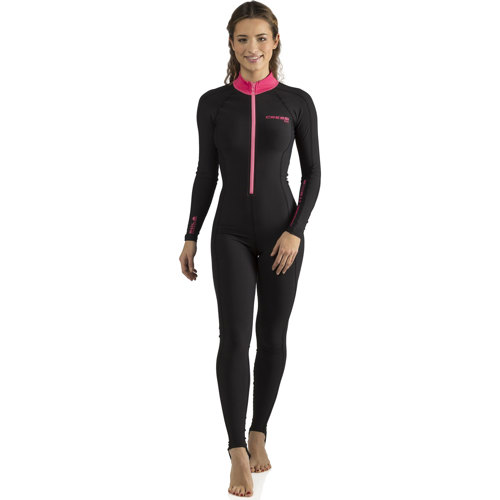
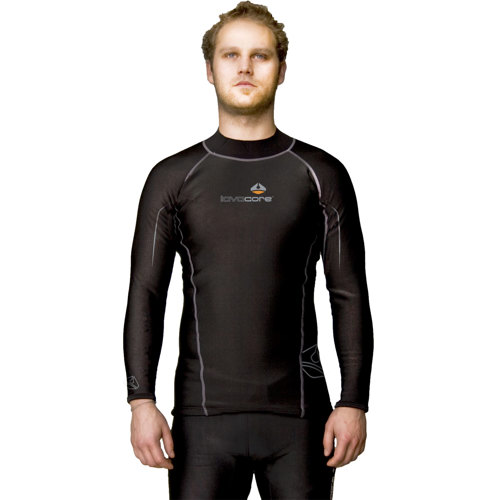
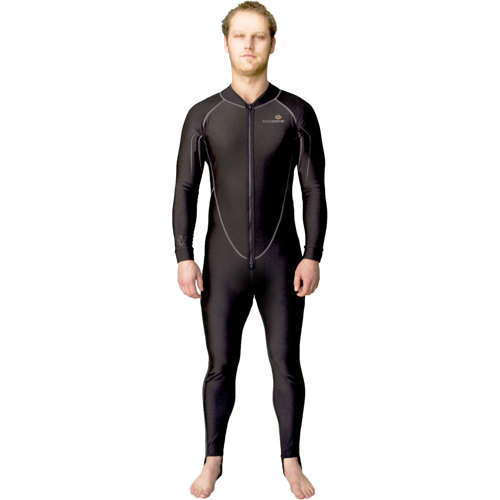
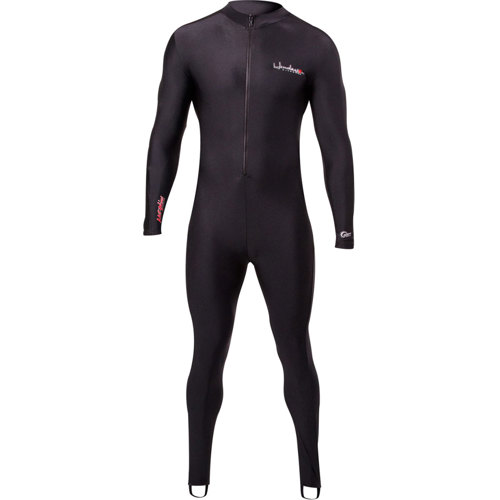
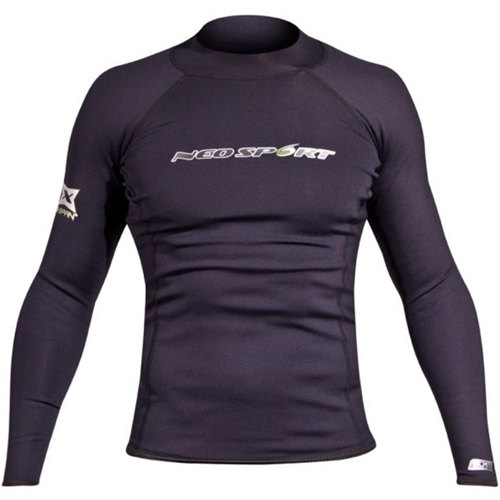
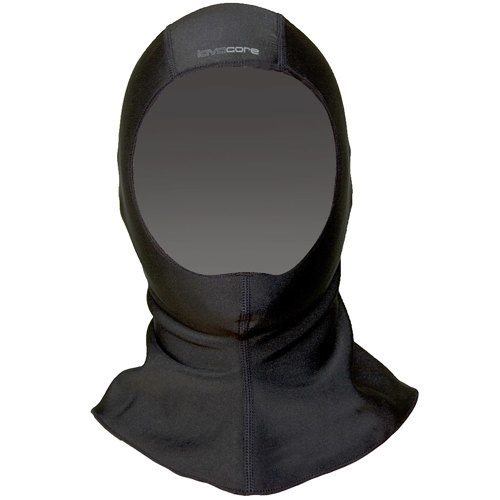
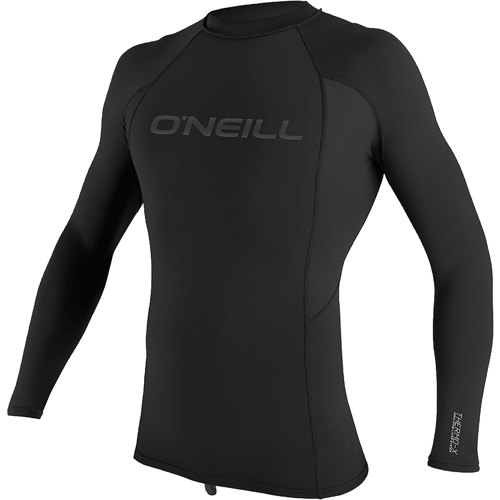
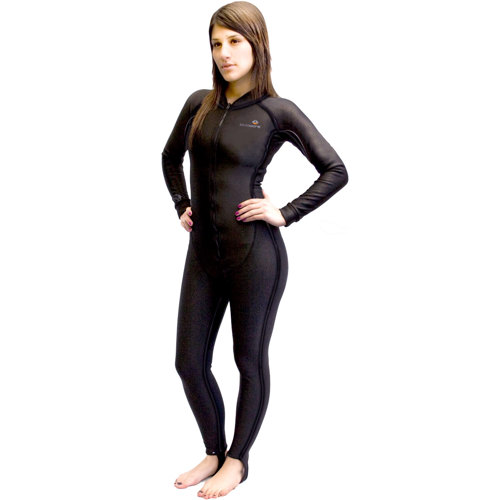
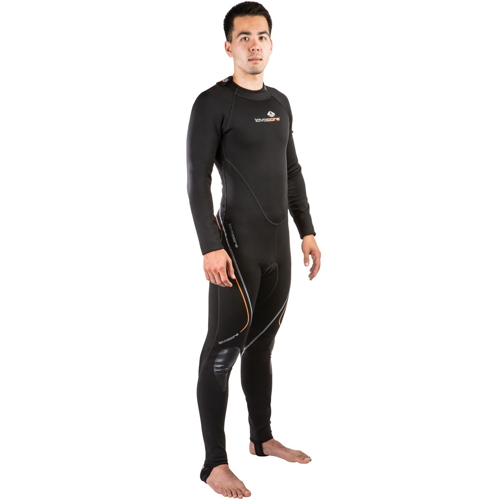
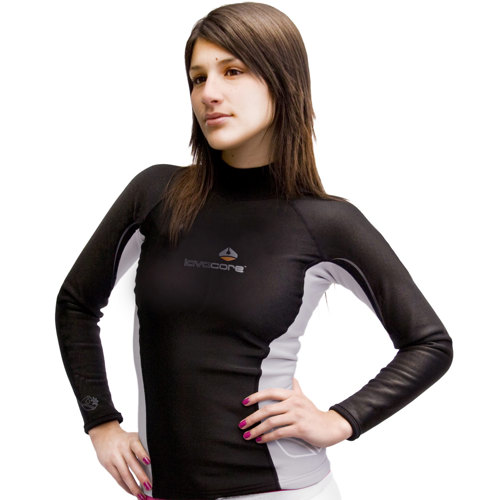
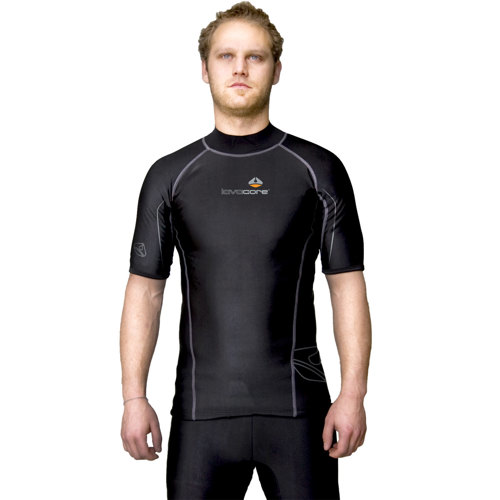
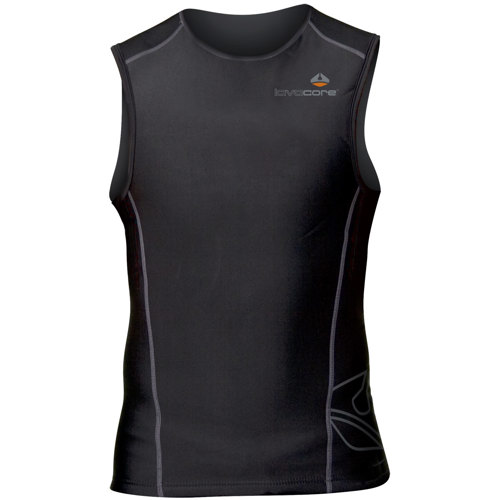
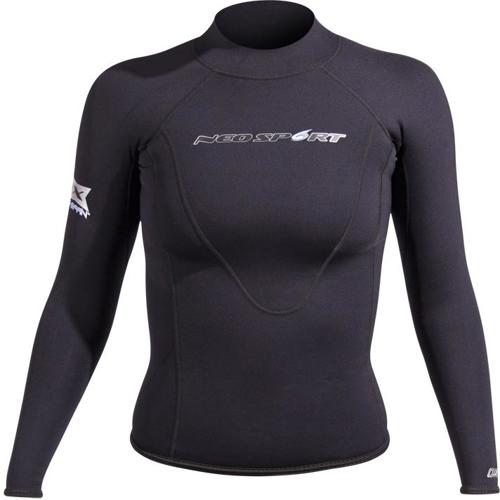
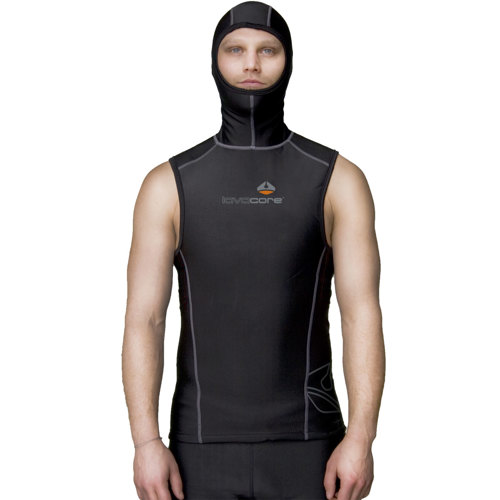
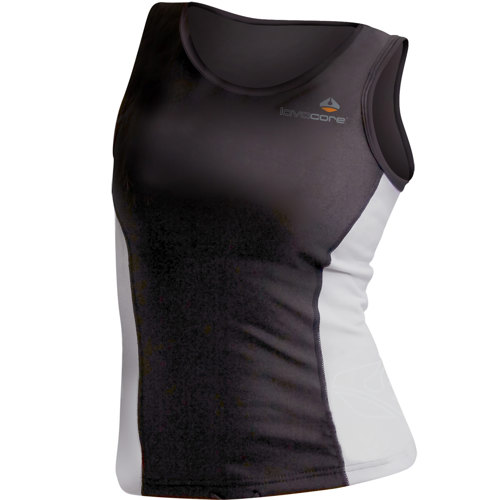
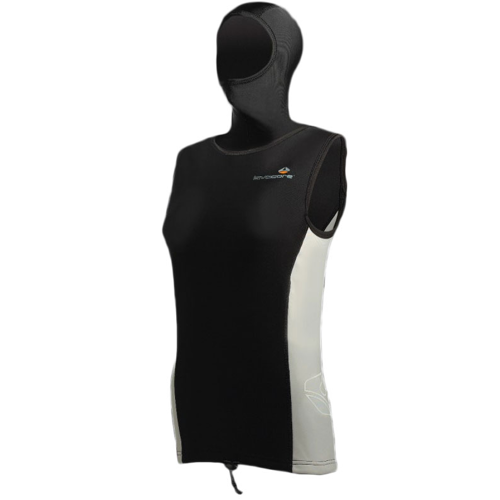
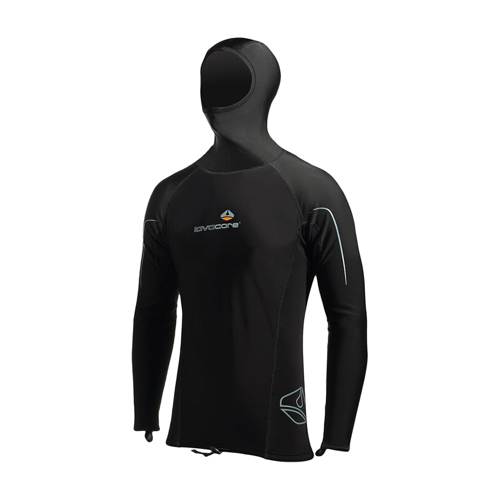
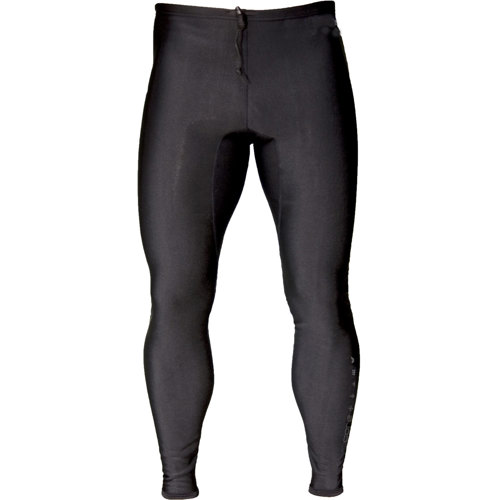
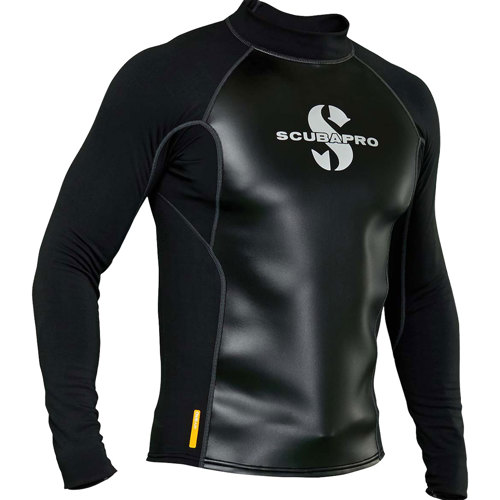
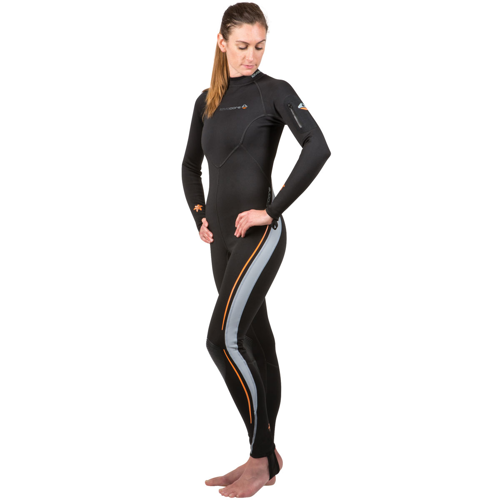
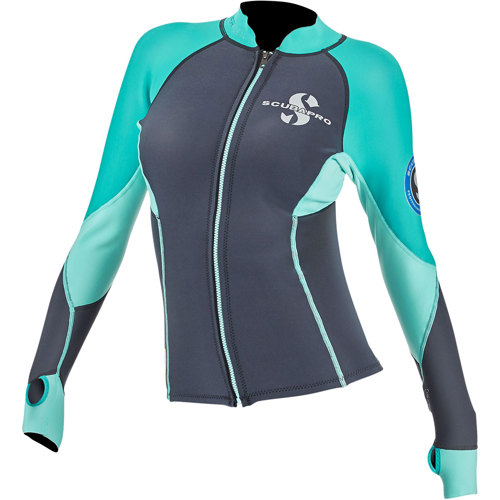
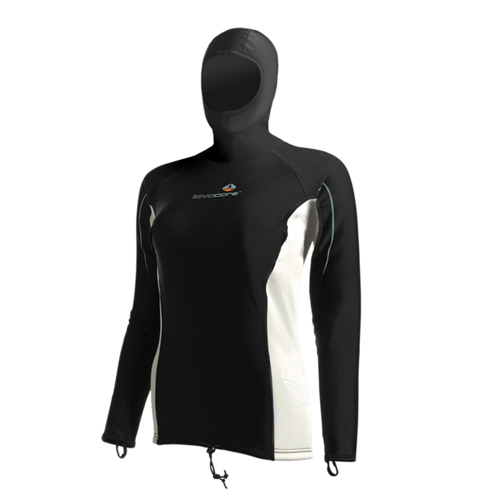
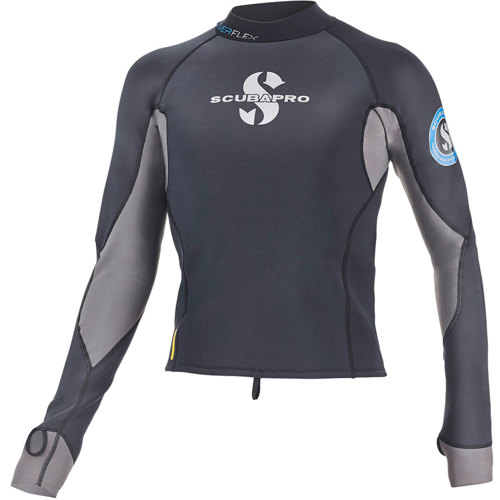
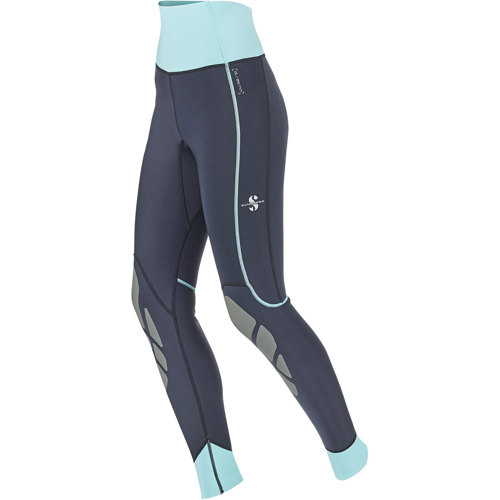
When it comes to diving and water sports in colder conditions, the right warmth base layers are essential for both comfort and safety. As winter lingers and water temperatures dip, thoughtful layering can make the difference between a shivering, shortened dive and a long, memorable underwater adventure. A diving thermal base layer is designed to be the first line of defense against the cold, worn directly against the skin to trap body heat while efficiently wicking away moisture. This is especially important in scuba diving, where even slight water seepage into a wetsuit or drysuit can quickly sap warmth from your core. The latest advances in fabric technology have resulted in scuba base layers that combine thermal insulation with breathability, reducing the risk of overheating during surface intervals or exertion. Materials like high-grade synthetics and Merino wool blends are prized for their ability to retain warmth even when damp, resist odors, and dry quickly between dives. A proper fit is crucial—snug enough to eliminate gaps where cold water can creep in, but flexible enough to allow a full range of motion for finning, adjusting gear, or handling equipment.
Warmth base layers are not only for the hardcore diver braving icy waters; they’re also a thoughtful gift for anyone who enjoys snorkeling, paddleboarding, or open-water swimming in cooler months. Families heading to the coast for a winter getaway, instructors spending long hours in and out of the water, or even underwater photographers who need to remain still for the perfect shot will all appreciate the difference a quality base layer makes. Seasoned divers often recount how a reliable thermal layer became their most-used piece of gear during a surprise cold snap or an early spring dive trip. Beyond diving, these versatile garments transition seamlessly into other outdoor pursuits—serving as a go-to base for hiking, skiing, or even daily commutes when the mercury drops. When selecting a base layer, consider factors such as the expected water temperature, the type of exposure suit you’ll be wearing, and your own tolerance for cold. Heavier weights offer more insulation for frigid conditions, while lighter options excel in active pursuits or milder climates. Look for features like flatlock seams to prevent chafing, thumb loops for easy layering, and mesh panels in high-sweat zones for added moisture control.
As you browse our curated selection of warmth base layers, remember that investing in quality thermal protection is an investment in longer, safer, and more enjoyable time on—and under—the water. Whether you’re planning a February dive in brisk northern seas or gearing up for early morning training sessions, the right base layer will help you maintain your focus and energy. For those seeking to maximize their time outdoors year-round, layering strategies can be further enhanced by exploring additional options in our
Warmth Layers collection. By choosing the right combination of materials, weights, and fits, you’ll be well-prepared to embrace every adventure, no matter how chilly the conditions.